A farm is more than a place to grow food — it is a business with a dozen incomes hiding in it. Eggs, vegetables, animals, and the land itself can all pay, and the farmers who earn best are the ones who sell more than one thing. If you have land, or you are thinking of buying some, here are the best ways to turn it into income.
Start small and start with what you have. A farm business grows one income at a time, and the first one should be the simplest — the thing you can sell this month, not the thing that needs a year to build.

1. Selling eggs
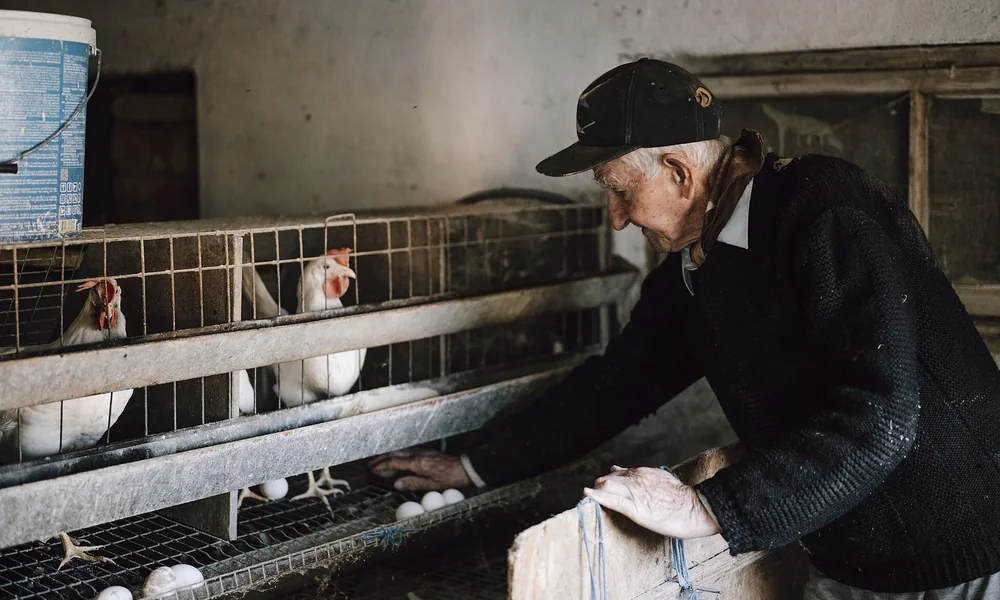
The simplest farm income is eggs. A dozen hens lay eight to ten eggs a day, and a dozen free-range eggs sells for $4 to $6 at a farm gate or a local market. The work is daily — feeding, watering, and collecting — but it takes twenty minutes, and the customers come back every week. Keep the hens healthy, the coop clean, and the eggs fresh, and the egg money covers the feed with profit left over. A hundred hens is a part-time income; three hundred is a living.
2. Growing vegetables to sell
Vegetables pay better than most people expect, because the customer is buying freshness. A market stall of seasonal vegetables — tomatoes, salad, courgettes, and herbs — can earn $300 to $600 a weekend in summer, and the regulars who buy every week are worth more than any single sale. Grow what sells locally, pick it the morning you sell it, and price it honestly: a tomato that tastes of something is worth twice the supermarket price. The guide to making money with a garden shows the same market on a smaller scale — the garden that feeds a family can also feed a stall.
3. Farm stays and glamping
The land itself can pay: a farm stay or a glamping pitch earns $80 to $150 a night, and the guests come for the quiet, the animals, and the view. A single converted barn or two bell tents can earn more in a summer than a field of crops earns in a year — and the work is cleaning and welcoming, not farming. List the stay online, keep the photos honest, and answer every message the same day, because a guest who has decided to book does not wait. The best ways to make money with a tractor work the same way — the machine creates the job, and the land creates the stay.
4. Selling meat direct
Selling meat direct to the customer pays far more than selling to a wholesaler: a whole lamb sold in boxes earns $400 to $600, against $150 at the market, and a side of beef earns $1,500 to $2,500. The work is in the selling — finding the customers, taking the orders, and delivering the boxes — and the rules are strict, so check the local regulations before you start. The customers who buy a whole lamb come back every year, and they tell their friends: a freezer full of good meat is the best advert a farm has.
5. Pick-your-own
Pick-your-own turns the harvest into an event: families pay to pick their own strawberries, pumpkins, and sunflowers, and they pay more for the experience than the fruit is worth. A pick-your-own field earns $1,000 to $3,000 a weekend in season, and the customers do the picking — which is the whole point. Keep the field tidy, the paths clear, and the prices simple, and the families will come back next year with their friends. The best ways to make money with a chainsaw make the same point in a different world: the land creates the work, and the person who opens the gate gets paid.
6. Farm tours and school visits
Schools pay $200 to $500 a visit for a farm tour, and the children remember it for years: feeding the hens, picking an egg, and seeing where food comes from. The work is showing people around and telling the story of the farm, and the visits come through the school year, not just in summer. Keep the animals friendly, the paths safe, and the story simple, and the schools will book again. A farm that teaches children is a farm the whole town knows — and a farm the town knows sells everything else more easily.
7. Selling the story, not just the food
The last way to make money on a farm is the one most farmers miss: sell the story, not just the food. A tidy website, a few good photos of the animals and the fields, and a clear list of what is for sale will bring in more customers than a sign on the gate. Most farms rely on word of mouth and wonder why the stall is empty in February. The food is there all year — eggs in winter, vegetables in summer, meat in autumn — and the farm that tells its story all year is the farm that earns all year.
The bottom line
The best farm income is a mix across the seasons: eggs every day, vegetables in summer, meat in autumn, and stays when the weather is good. Start with the simplest income, get the customers who come back every week, and let the farm grow one income at a time. A farm is a business with a dozen incomes hiding in it — and the farmer who finds them is the farmer who earns all year.
Frequently asked questions
How much land do I need to make money on a farm?
Less than you think. A quarter of an acre can earn from eggs and vegetables, and an acre can support a market stall and a few hens. The farm stay needs more room, but the food incomes start small — and grow with the customer list, not the land.
Do I need permission to sell food from my farm?
It depends where you live, but most places require registration for selling eggs and meat, and a licence for farm stays. Check your local rules before you sell the first dozen — the fine for selling without permission costs more than the permission does.
What is the most profitable farm income?
Farm stays pay the most per night, and meat sold direct pays the most per animal. Eggs pay the steadiest — lower money per day, but the customers come every week and the work never stops.
Can I make money on a farm part-time?
Yes — most small farms start part-time, with eggs and vegetables around a day job. The farm grows as the customers grow, and the day job goes when the farm income covers the bills. Start with twenty minutes a day, and let the farm earn its way bigger.

Keep what speaks to you.
Leave room for your own perspective.