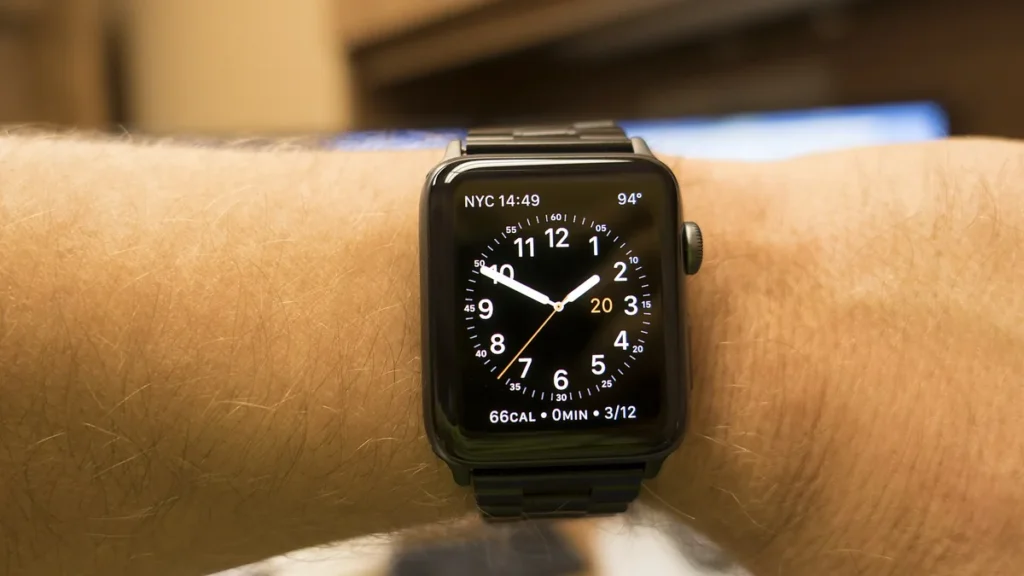
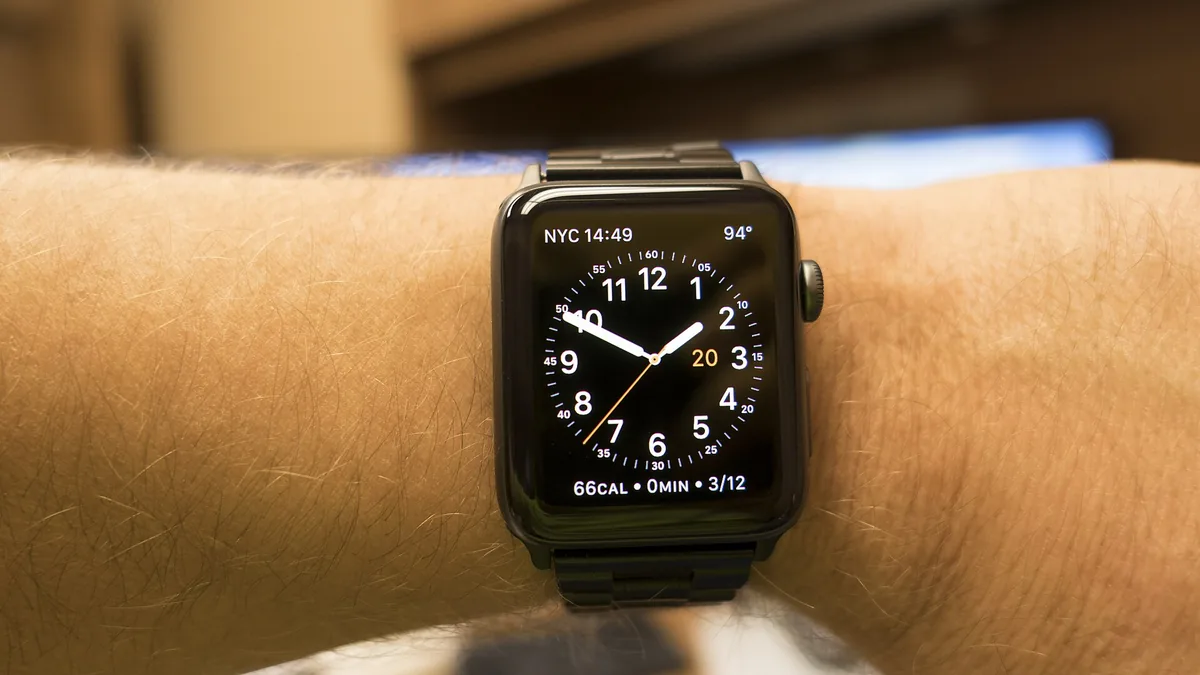
My smartwatch buzzed two hundred times a day, and every buzz was a small interruption — a message, a like, a reminder, a news alert — and the watch that was supposed to save me time was stealing it, one buzz at a time. It cost $299, it needed charging every night, and the thing it did best was tell me the time, which a $30 watch does without a battery. So one morning I took it off, put it in a drawer, and went back to a plain watch. My days have been quieter, longer, and better ever since.
This is why I stopped using a smartwatch, what it was really costing me, and the plain watch I wear instead now.
The notifications never stopped
The first reason was the notifications. A smartwatch buzzes for every message, every like, and every alert — and the wrist that buzzes two hundred times a day is a wrist that never rests. I counted once: two hundred buzzes, and not one of them was urgent. The phone in my pocket was already telling me everything, and the watch was just telling me twice. The story of why I stopped using a smartphone is the same shape: a device that promises to save time and steals it, one interruption at a time.
The charging
The second reason was the charging. A smartwatch needs charging every single night, and the watch that is on the charger is the watch that is not on your wrist — so every morning started with a dead watch, a flat battery, and a search for the cable. A plain watch runs for two years on one battery, and the watch that never needs charging is the watch that is always there. The best ways to save money on groceries all start the same way: buy the simple thing that works, and the complicated thing that needs charging every night is not helping.
It made me check my phone more, not less
The third reason was the checking. The smartwatch was supposed to save me from checking my phone, and what it did was make me check it more — every buzz on the wrist was a reason to pull the phone out, and the phone that came out stayed out. I was checking my phone two hundred times a day because the watch told me to, and the watch that was supposed to free me had chained me to the phone. The plain watch tells me the time, and nothing else — and the phone stays in my pocket until I choose to take it out.
The money
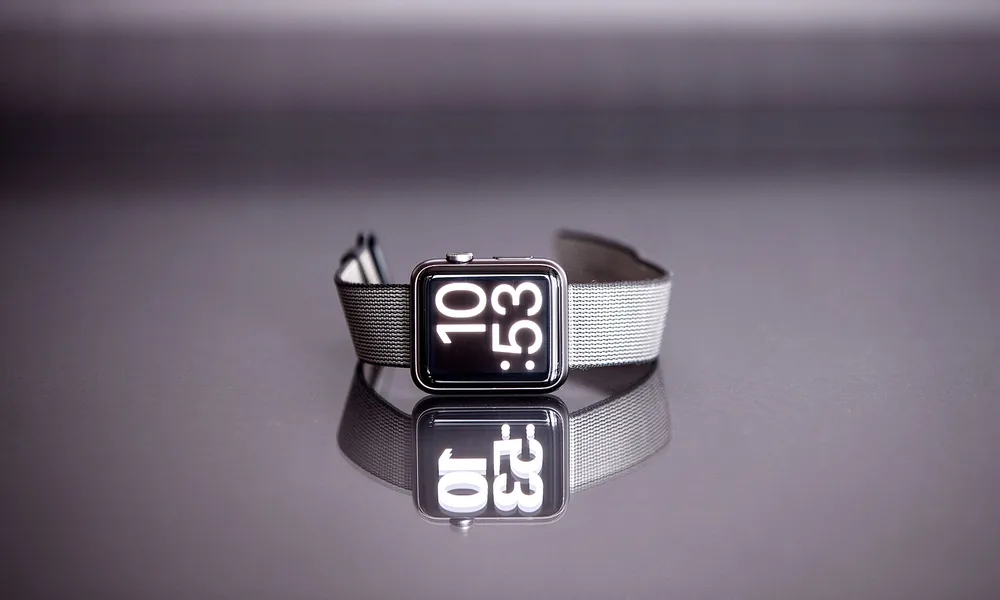
The fourth reason was the money. The smartwatch cost $299, and then came the extras: the new strap at $49, the screen protector at $15, and the replacement charger at $29 — $392 in total for a watch that told the time and buzzed. A plain watch costs $30, runs for two years on one battery, and tells the time just as well. The smartwatch was the most expensive thing on my wrist and the least useful, and the maths never made sense once I did it.
What I wear instead
For the time, I wear a plain watch: a $30 watch with hands, a date, and a battery that lasts two years — and it tells the time without buzzing, without charging, and without asking anything of me. For fitness, I count my steps by walking, and for messages, I check my phone when I choose to, not when a watch tells me to. Nothing the smartwatch did needed a smartwatch; it needed a watch, a pocket, and a decision. The days are quieter, the wrist is lighter, and the only thing on my wrist is a watch that tells the time.
What changed after a year
A year without the smartwatch, and three things have changed. First, my days feel longer — without two hundred buzzes, the hours stretch out, and the time that used to vanish in interruptions is now time I spend on the things I choose. Second, my sleep is better: the watch that buzzed at night is gone, the phone stays in the kitchen, and the bedroom is quiet for the first time in years. Third, and most surprising, I miss nothing. The messages still arrive, the news still happens, and the world still turns — and the watch that told me the time is the only watch I need. The smartwatch promised to save me time. The year without it gave me my time back — and a wrist that is quiet, light, and free.
The bottom line
I do not miss the smartwatch. I miss the idea of it — the watch that tells you everything, saves you time, and keeps you connected to the world. The real watch buzzed two hundred times a day, needed charging every night, and made me check my phone more, not less. If yours is sitting on your wrist, try a month with a plain watch. The story of why I stopped watching TV taught me the same lesson: the thing you think you need is usually the thing you can stop paying for, and the simple thing you already own does the job better.
Frequently asked questions
Do you still track your fitness?
Yes — by walking, and by noticing how I feel. The smartwatch counted steps I did not need counting, and the number it gave me never changed what I did. A walk in the morning, a walk after dinner, and the body tells me what the watch never could.
What did you do with the smartwatch?
I gave it to a friend who runs every morning and uses it to track her runs. It cost me nothing to pass on, and she uses it more in a month than I did in a year — which is a better ending for it than my drawer.
Was the smartwatch really that expensive?
The watch was $299, and the extras added $93 more — $392 in total for a watch that told the time and buzzed. A plain watch costs $30, runs for two years on one battery, and tells the time just as well. The smartwatch was dear, and the plain watch is the bargain.
Is a plain watch really enough?
Yes — it tells the time, and the time is all a watch needs to tell. The messages still arrive on the phone, the news still happens, and the world still turns. The plain watch is the watch that never buzzes, never needs charging, and never asks anything of you.

Keep what speaks to you.
Leave room for your own perspective.