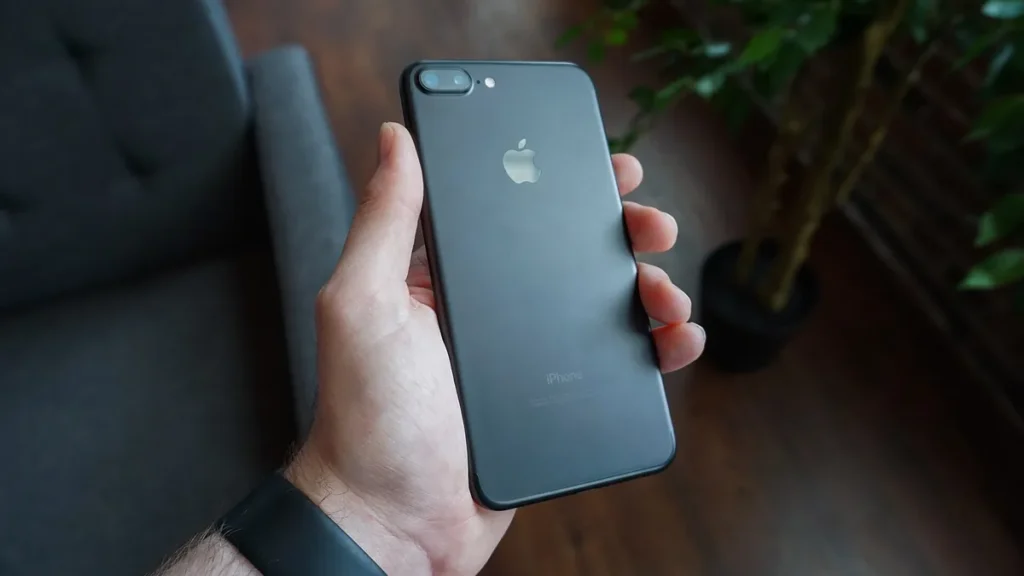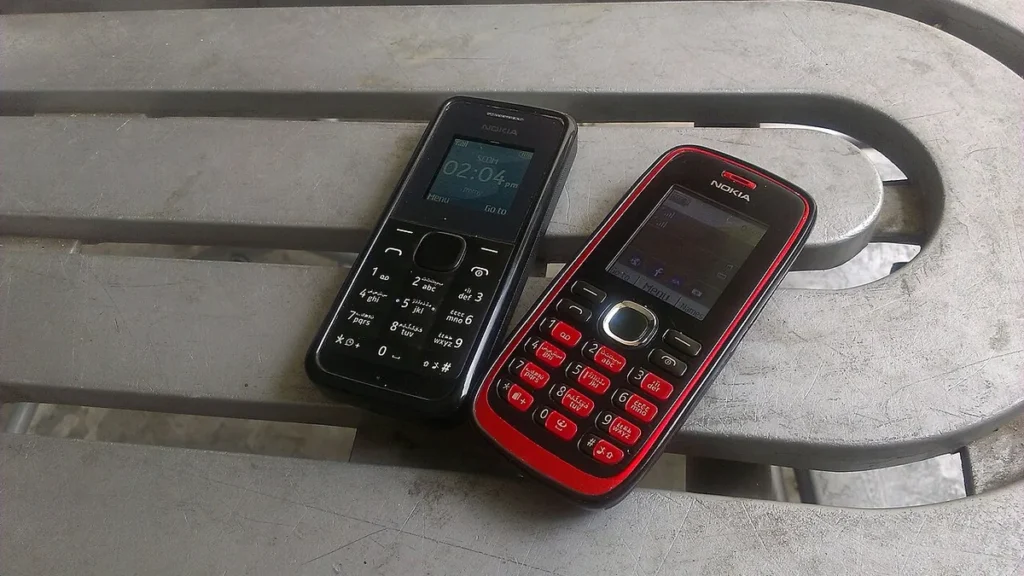
Eight months ago, I sold my smartphone and bought a forty-nine-dollar basic phone with physical buttons. I have not owned a smartphone since. The new phone makes calls, sends texts, wakes me up, and has a torch. That is the whole list: no touchscreen, no app store, no browser, no email, no maps, and no feed of any kind. People expect a story about willpower. It is not. It is about removing the thing entirely, because every smaller step I tried had already failed.
I had tried the smaller steps. I deleted apps and reinstalled them by Thursday. I set screen-time limits and tapped through the warnings. I hid apps in a folder with a stern name, as if shame were a lock. None of it lasted, because the phone itself was the habit: a television, a casino, a shopping centre, and a mailbox, all pretending to be a telephone.
The numbers I could no longer ignore
My phone kept its own records, and they were worse than I had guessed. In the month before I stopped, I averaged six hours and four minutes of screen time a day: forty-two hours and twenty-eight minutes a week, or about ninety-five full days a year. I picked the phone up a hundred and forty-eight times a day. Three hours and nineteen minutes of each day went to feeds and video apps alone. I was not using the phone. The phone was using me, in short bursts, all day, every day.
The money was quieter. My plan cost seventy-eight dollars a month, and I had stopped noticing it. Then I went through eight months of bank statements and added up what I had bought because my phone had put it in front of me at a bored moment: cases, chargers, a lamp, kitchen gadgets, clothes I never wore, small orders between nine and forty dollars. The total came to four hundred and eighty-eight dollars in eight months, or sixty-one dollars a month, plus twenty-three dollars a month for cloud storage, a music subscription, and two apps I had forgotten I subscribed to. None of it felt like spending at the time. It felt like tapping.
My life had shrunk to fit around the screen. I had read three books in the eight months before I stopped, cooked twice a week at most, and went to bed at half past midnight most nights. I had already tried deleting social media, and it helped for a while, but the phone simply filled the gap with videos, news, and shopping. I had also tried keeping the phone out of my mornings, and my mornings improved, but the other fifteen hours of the day stayed exactly the same. The problem was never one app or one hour. It was the device.
The day I switched
The switch took one afternoon. I backed up my photos and contacts, wiped the smartphone, and sold it to a second-hand shop for four hundred and twelve dollars. Then I bought the basic phone for forty-nine dollars and a prepaid plan for fifteen dollars a month.
The first thing I noticed was the silence. There were no notifications, because there was nothing to notify me about. In the first week I caught myself pulling it out and staring at its tiny screen, waiting for it to entertain me. It never did. Without a screen to reach for, the gaps came back: two minutes while the kettle boiled, ten minutes on the bus, half an hour after dinner. At first those gaps felt unbearably long. By the second week I was filling them on purpose: a paperback by the kettle, a notebook by the sofa, a walk to the shops instead of an order.
What a basic phone can and cannot do
It makes calls, and they sound fine. It sends texts, slowly, one button at a time, which makes me write shorter messages. It has an alarm, a torch, an FM radio, and a game of Snake I have played exactly twice. The battery lasts nine days.
What it cannot do is everything else, and that is the point. There is no email, so I read it on my laptop twice a day, at my desk, like a job. There are no maps, so I look up directions before I leave and write them on a scrap of paper, or I ask someone. I have been lost four times in eight months, and each time someone helped me within a minute. There is no banking app, so I do my banking on the laptop once a week. There is no camera worth using, so I have taken eleven photographs in eight months, against about ninety a month before.
What replaced the screen
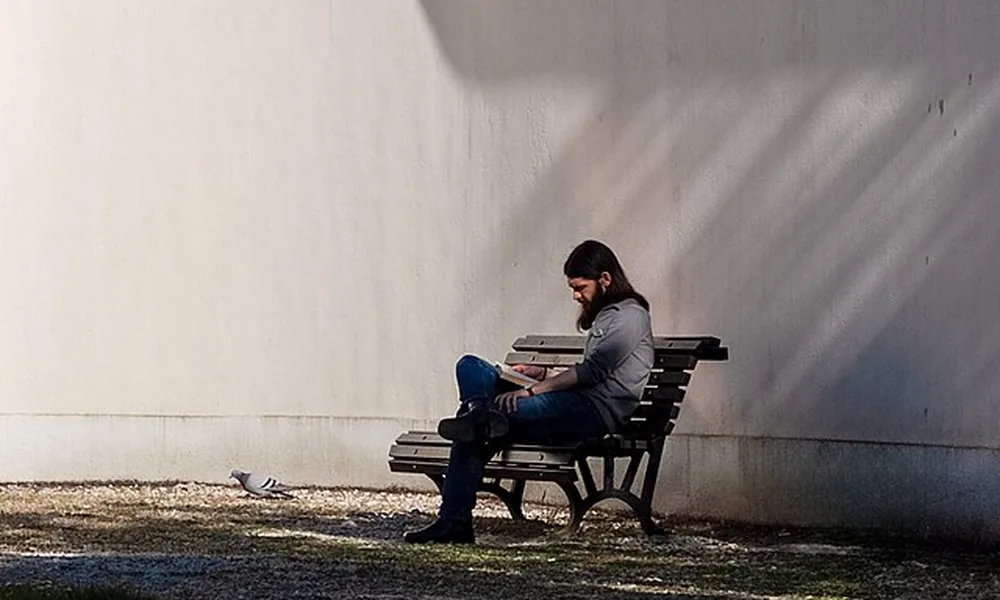
I read twenty-three books in eight months, up from three in the eight months before, in the gaps the phone used to own: on the bus, after dinner, in the ten minutes before bed. I cook five nights a week now, up from two, and my grocery bill has fallen by about nineteen dollars a week. I walk for forty-one minutes a day on average. I sleep seven hours and twenty-two minutes a night on average, up from six hours and thirty-one minutes. The first month felt like withdrawal. The second felt like quiet. By the fourth month I had stopped thinking about the phone at all.
| Before and after eight months | Before, with a smartphone | After, with a basic phone |
|---|---|---|
| Screen time | 6 hours 4 minutes a day | 0 minutes on a phone; 1 hour 12 minutes on a laptop |
| Phone pickups | 148 a day | About 6 a day, for calls and texts |
| Books read in 8 months | 3 | 23 |
| Phone plan | $78 a month | $15 a month |
| Impulse buying | $61 a month | $9 a month |
| Sleep | 6 hours 31 minutes a night | 7 hours 22 minutes a night |
| Battery charging | Every night | Every 9 days |
The money, eight months later
The plan alone saves me sixty-three dollars a month, or five hundred and four dollars over eight months. My impulse buying fell from sixty-one dollars a month to nine, saving another four hundred and sixteen dollars, and cancelling the cloud storage and forgotten subscriptions saved a hundred and eighty-four dollars more: one thousand, one hundred and four dollars in total, before the four hundred and twelve dollars I got for the old phone, minus forty-nine for the new one. I had spent years telling myself a new phone was the expensive part. It was not. The expensive part was carrying a shop, a casino, and a television in my pocket and calling it a phone.
Would I do it again?
Yes, and I would do it sooner. Not because smartphones are evil, and not because everyone should do this. Plenty of people need one for work, family, or accessibility. Mine ran my life, and the only fix that worked was removing it completely. Half measures had their chance: deleting apps, limits, folders, changing one hour of the day. Each one faded, because the device was still there, still glowing, still one tap away.
If you are thinking about it, write down your numbers for one week: your screen time, your pickups, and what you bought because your phone showed it to you. If the numbers do not bother you, keep your phone and enjoy it. If they do, sell the smartphone first, so going back takes effort, and buy the simplest phone you can stand. Give it a month, not a weekend. The first week is restless, the second is quiet, and by the fourth you will know whether the quiet suits you. Eight months in, it suits me. My phone makes calls and sends texts. Everything else in my life is mine again.

Keep what speaks to you.
Leave room for your own perspective.