For six years, the first thing I did every morning was pick up my phone. My alarm went off at 6:40, and before my feet touched the floor, my thumb was already scrolling. I told myself I was just checking the time or the weather. But one app led to another, and forty minutes had gone before I looked up. Breakfast was rushed, and I had done nothing I actually wanted to do. So one Monday I stopped, and I have not checked my phone in the morning since.
This is not a story about giving up my phone. I still use it every day. What changed is the first hour. I traded a screen I stared at before I was awake for a morning that belongs to me.
How the Habit Started
It started with a new job and a long commute. I began checking my phone in bed to clear the overnight messages before I left the house. Then the apps got better at holding my attention, and the habit grew teeth. A quick check became ten minutes, ten minutes became half an hour, and soon the phone was the first thing I reached for and the last thing I put down.
The habit survived every attempt to tame it. I tried folders, screen-time limits, and promises to check only the weather. None of it worked, because the problem was never one app. The problem was the reflex itself: the moment I was awake, my hand went to the phone before my brain had a chance to object. I had already stopped watching the news first thing on the days I managed it, and those mornings were always calmer.
What the Scroll Was Doing to Me
The worst part was not the time it took. My phone’s own weekly report told me the truth I had been avoiding: I was averaging five hours and forty-seven minutes of screen time a day, with almost two of those hours before nine in the morning. I picked the phone up a hundred and thirty-two times a day. I was spending the freshest part of my day on other people’s lives, arguments, and emergencies.
The scroll also set my mood before I had a chance to choose it. A bad headline made the whole morning feel tense. An email from work, read while I was still half asleep, could put me in a bad frame of mind for hours, even when it needed nothing from me until lunchtime. I was letting strangers and algorithms decide how I felt before I had even had breakfast.
Then there was the attention cost. On the mornings I scrolled longest, I forgot to drink water, forgot my first task at work, and twice left the house without my keys. My brain was full before the day began, of headlines I would forget by dinner.
The Morning That Broke It
The moment that broke the habit was embarrassingly small. One Saturday I had planned a slow morning: coffee on the balcony while the street was still quiet. Instead I woke up, grabbed the phone, and fell into a video feed. Forty-five minutes later the coffee was cold, the street was busy, and the quiet was gone. The morning I had looked forward to all week had slipped past while I stared at a screen in bed.
That evening I did three things. I bought a ten-pound alarm clock and put it on the bedside table. I started charging my phone in the kitchen overnight, so it was nowhere near the bed. And I turned off every notification except calls from family. I did not delete anything, but I made the morning check take a deliberate effort instead of a reflex, and that was enough friction to break it. The first three days were the hardest: my hand still reached for the empty spot on the table. By the second week, the urge had faded.
What My First Hour Looks Like Now
My first hour now has a shape, and it is almost boring, which is exactly the point. The alarm clock rings at 6:40. I stretch for five minutes, drink a glass of water, and open the curtains. Then I make coffee and sit with it for twenty minutes by the window. No screen, no headlines, no messages. Just coffee and quiet.

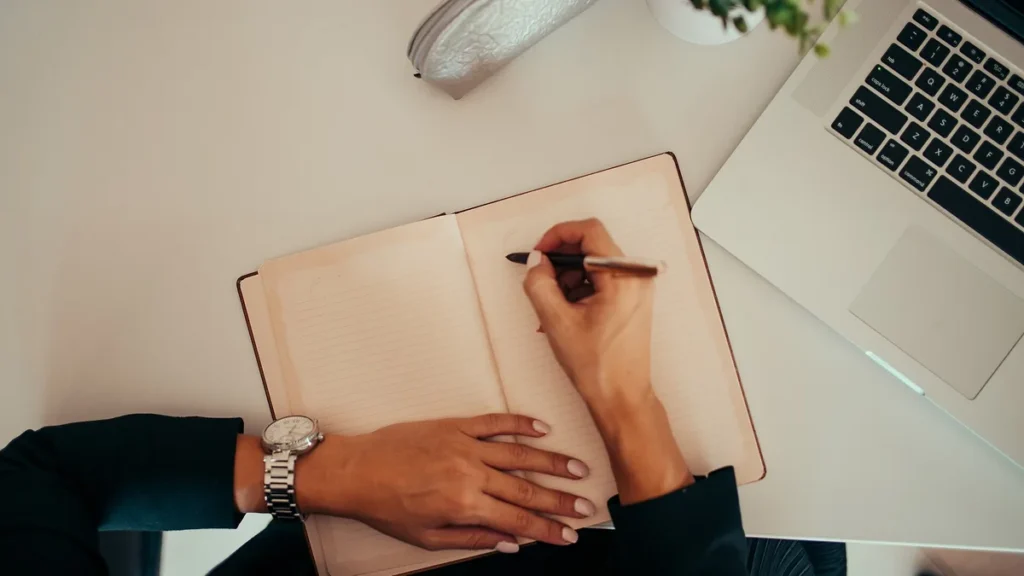
After coffee I write for fifteen minutes in a paper notebook: the one thing that matters today, the one thing I am putting off, and the one thing I am looking forward to. Then I get dressed, eat breakfast at the table, and I am out of the door by 7:45. I pick up my phone at 8:00, and the overnight messages are just messages.
The Numbers After Three Months
Three months in, I checked the numbers again. My daily screen time had fallen from five hours and forty-seven minutes to three hours and twelve minutes, a drop of two and a half hours a day. Pickups fell from a hundred and thirty-two a day to fifty-eight. The morning share of my screen time went from almost two hours to eleven minutes.
The softer numbers changed too. I read eleven books in three months, up from two in the three months before, because the reading happens in the hour the scroll used to own. And I stopped buying things I saw in my feed before breakfast. The evenings had already taught me this lesson: I had stopped watching TV every night, and my sleep improved within a fortnight. I am not the only one rethinking the always-on morning: the idea of a digital detox is now something ordinary people do without making a fuss.
How to Try It Yourself
If your mornings start with a screen and end with a rush, the switch is simpler than it sounds. Start the night before. Charge your phone outside the bedroom and put a real alarm clock by the bed. Mine cost ten pounds and it is the best money I have spent this year.
Then give the first hour a shape, or the phone will fill the gap by default. Pick three small things and do them in the same order every day: something for your body, like stretching; something for your head, like coffee in silence; and something for your day, like writing down the one thing that matters. Keep it to an hour, and keep it boring. Boring is the feature: the scroll is exciting, and exciting is what stole the morning.
Be kind to yourself in the first fortnight. The urge to check will pop up at odd moments. Notice it, let it pass, and carry on. And do not replace the phone check with a different screen. Moving the scroll to a tablet or a laptop misses the point entirely. The goal is a first hour with no screen at all.
What I Still Use My Phone For
I am not anti-phone. My phone is a wonderful tool, and I use it for maps, music, messages, and photos. I simply do not let it open my day any more. It waits in the kitchen until eight, and when I pick it up I am awake, fed, and clear-headed enough to use it on purpose, not by reflex.
My mornings used to belong to the loudest app on my phone. Now they belong to me: coffee, quiet, and a day that starts on my own terms. If your first hour belongs to someone else, try taking it back for a week. The phone will still be there at eight. The morning will not wait.

Keep what speaks to you.
Leave room for your own perspective.