I deleted every social media app from my phone on a Tuesday evening in February, and then I deleted the accounts themselves. Not a break, not a thirty-day challenge . I closed four accounts, removed the apps, and changed the passwords to a string I did not bother to memorise. Six months later, I have not gone back. I miss two people, and I now call them. Everyone else was background noise I had mistaken for a social life.
The numbers I could no longer ignore
My phone’s own weekly report said I was spending two hours and forty-seven minutes a day inside social apps alone. That is nineteen hours and twenty-nine minutes a week, or just over one thousand hours a year, roughly forty-two full days. I was giving six weeks of my year to feeds that sell my attention. After dinner was the worst of it: I opened those apps forty-one times on an average night, usually for less than a minute at a time.
The money was quieter, and easier to ignore. I went through a year of bank statements and added up what I had bought because a post had put it in front of me at a bored moment: a lamp I did not need, three phone cases, two cookbooks I have never opened, and small orders between twelve and thirty dollars. The total was one thousand and thirty-two dollars in twelve months, or eighty-six dollars a month, spent almost entirely after nine at night. I was also paying fourteen dollars and ninety-nine cents a month for a premium tier of one app.
What the evenings were costing me
It was not only the hours and the money. My evenings had stopped belonging to me. I used to cook four or five nights a week. By last winter I was cooking once, sometimes not at all, because the scroll filled the gap between getting home and feeling too tired to start. I used to walk forty minutes after dinner, and had stopped that too. I was going to bed at half past midnight and waking up tired, because the last thing my brain did every night was argue with strangers and compare my ordinary Tuesday with somebody else’s holiday.
The comparison was the ugliest part, and the hardest to admit. I have a decent life: a small flat I like, work that pays the bills, friends I enjoy. But two hours a night of other people’s highlights made my own life feel thin. A friend’s promotion, a stranger’s kitchen renovation, a couple I have never met buying a house by the sea. I told myself I was keeping up with people. In truth, I was keeping up with acquaintances and strangers, while the eight people I actually love got a liked photo and a hurried birthday message. The richest people going offline had already made me think about this, but I had treated it as a story about them, not a decision for me.
The week I deleted everything
I did it in one evening, because doing it gradually would not work. I had tried limits before, and treated every limit as a negotiation. I wrote down the eight people I wanted to stay in touch with, and saved their numbers. Then I deleted the accounts one by one, starting with the one I opened most often, which took three attempts because the app kept offering me a pause instead of a deletion. I removed the apps, cleared the saved logins, and put my phone on a shelf in the hallway when I went to bed. I did not replace social media with anything grand. I made a list of three ordinary things I wanted my evenings to hold: cooking a real dinner, a forty-minute walk, and an hour of reading.
The first week was uncomfortable, because I had expected relief and got restlessness instead. My hand reached for the phone during adverts, in queues, and in the two minutes while the kettle boiled. I caught myself refreshing my email five times in an hour. The evenings felt long at first. I burned the onions on Wednesday because I kept standing in the kitchen with nothing to look at. By Sunday, I had cooked four dinners, walked five evenings out of seven, and finished a book I had carried around unread for eight months.
What my evenings look like now
Six months on, my evenings have a shape I can describe without checking a screen. I get home, change out of my work clothes, and cook. Not elaborate meals, mostly: roasted vegetables and chicken on Mondays, pasta with whatever is in the fridge on Wednesdays, a big pot of soup on Sundays that covers two more nights. I cook four or five nights a week now, and my grocery bill has fallen by about thirty-one dollars a week. After dinner I walk for forty minutes, the same loop past the park, listening to nothing for the first ten minutes, which is the part I look forward to most.
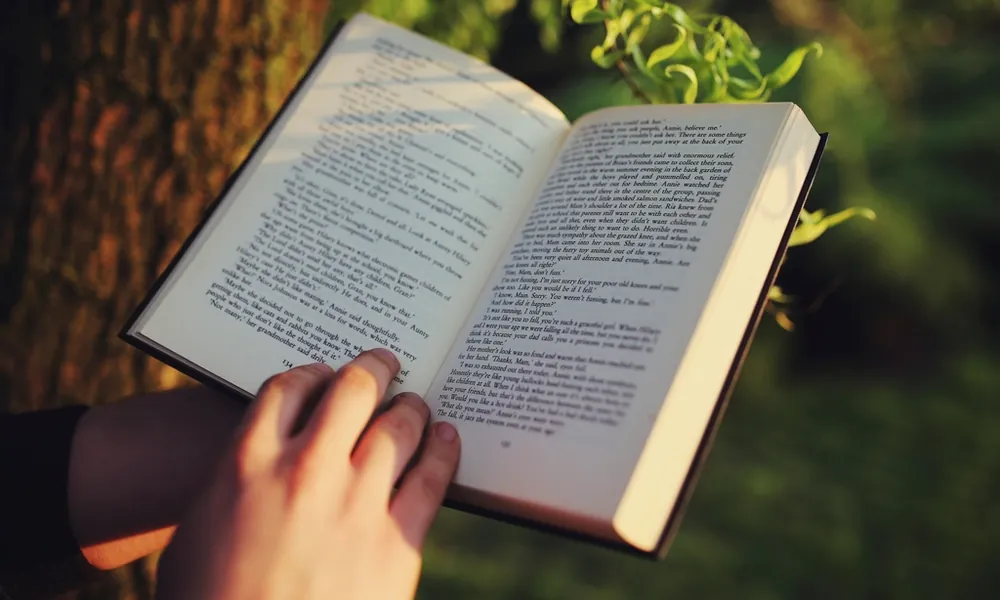
After the walk, I read for an hour, or work on the small woodworking project I started in March, a bookshelf now three-quarters finished and slightly crooked I have decided to keep. I have read seven books in six months, seven more than the zero I managed in the six months before. I go to bed at ten past eleven now, and fall asleep about forty-eight minutes earlier. My phone stays on the hallway shelf from eight in the evening until the morning.
The money, six months later
I have not bought a single thing because a feed showed it to me, because there is no feed, and my impulse spending has fallen to almost nothing. I saved five hundred and eighteen dollars in the first six months from the impulse purchases alone, and I cancelled the premium subscription, which saves another ninety dollars over the same period. I put three hundred and forty dollars towards a proper set of kitchen knives, which I use every night. The bookshelf cost sixty-two dollars in wood and screws, and holds the seven books I have finished since February.
I missed two birthdays in March without the reminders, and apologised by phone, which was better than the message I would have sent before. I had already stopped checking my phone in the morning, and that taught me the fear of missing out fades once you accept the loop was never really yours.
Would I do it again?
Yes, and I would do it sooner. Not because social media is evil, but because mine had become the default setting for every empty minute, and the empty minutes were where my actual life was supposed to happen. I had already stopped watching television every night, and the evenings that followed were better, but they were still full of scrolling, which was television with worse lighting and more adverts. Quitting did not give me a new life. It gave me back the evenings I already had, four hours a night, seven nights a week, and a set of ordinary pleasures I had forgotten I liked: cooking without rushing, walking without anything in my ears, reading a book to the end, and going to bed tired in the honest way, from a day I actually lived.
If you are counting your own hours, write down the number, not the feeling. Two hours and forty-seven minutes a day was my number. Pick one evening a week and give it a shape: cook one meal, walk one loop, read one chapter. If that evening feels longer than the others, that is the time coming back.

Keep what speaks to you.
Leave room for your own perspective.