A solar pool heater installation startup sells warm water made by the sun, and that simple sentence shapes every decision the business makes. The product is not a box beside the pool pad that burns gas or draws current on demand. It is a set of black collector panels or mats spread across a roof or a sunny patch of ground, plumbed into the pool’s existing circulation so the pump pushes water up through the collectors and back down warm. Get the collector area wrong and the pool never reaches temperature. Get the flow rate wrong and the pump strains or the panels underperform. Get the roof mounting or the freeze protection wrong and the startup pays with a callback, a leak, or a damaged roof.
That is a different job from fitting a conventional pool heater, where the core task is choosing a gas or electric unit, sorting the fuel line or electrical circuit, and venting exhaust safely. A solar pool heater has no burner and no compressor. The installer has to think like a designer as well as a plumber: how much sun does this roof actually receive, how many litres does this pool hold, how large should the collector array be relative to the pool surface, and how will the system drain itself before the first frost.
This guide compares nine tools that fit a solar pool heater installation startup in 2026, not a general plumbing business and not a solar panel company. The first seven cover the heating system itself: unglazed collector panels and mat kits, sizing by pool volume and surface area, roof mounting, plumbing, and freeze protection. The last two run the business around the install: scheduling crews, quoting, answering the phone while the team is on a roof, and turning happy pool owners into reviews. Every tool was judged on the same practical questions: does it help with the solar-specific work of siting, sizing, and plumbing collectors; does it work from a phone beside a pool; does it cost less than the work it replaces; and can a two-person crew learn it in a week?
Key takeaways
- A solar pool heater is a distinct product from a gas or electric pool heater and from a domestic solar water heater: it heats pool water directly through roof or ground collectors, sized to pool volume and surface area.
- Collector area is the number that matters most: most in-ground pools need collectors covering roughly half to all of the pool surface area, depending on climate, shade, and the target temperature.
- Unglazed panels suit warm climates and seasonal use, while glazed collectors and careful freeze protection matter where nights drop near freezing.
- Flow rate, roof condition, and automatic drain-down decide whether an install lasts: the pump, the plumbing, and the controls deserve as much attention as the panels.
- Start with one collector system you know deeply, one sizing method you trust, and simple scheduling and review software before adding more tools.
What a solar pool heater installation startup actually sells
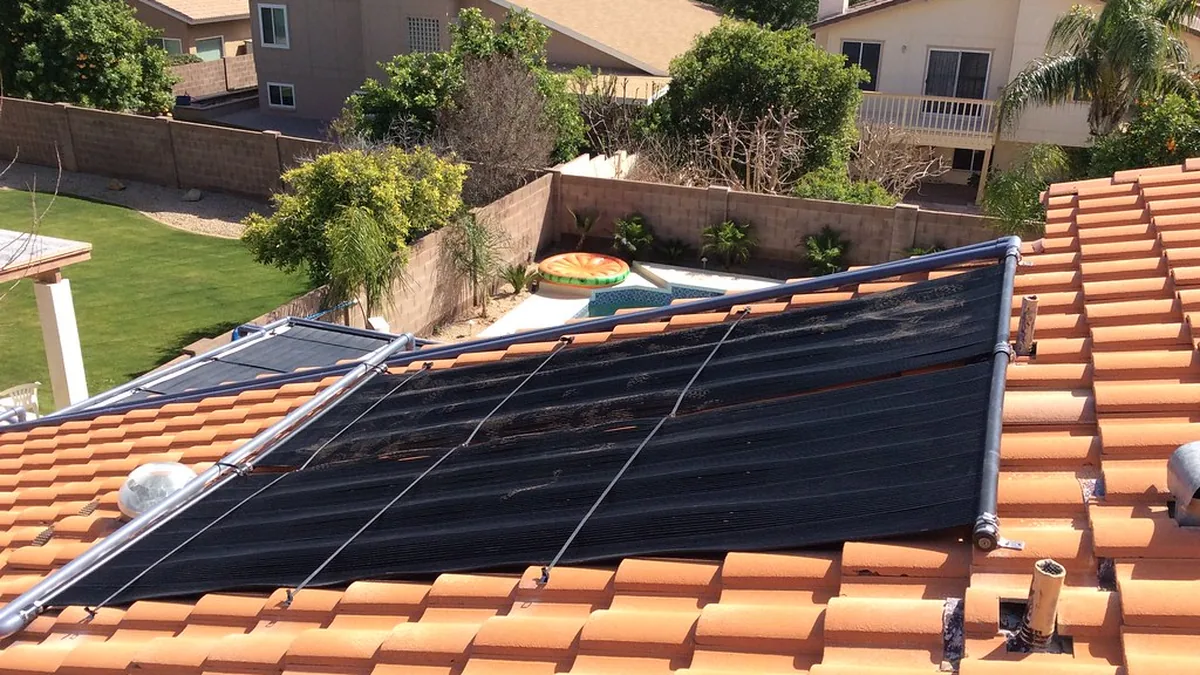
A solar pool heater installation startup sells a longer swimming season without a fuel bill. The customer already owns the pool and the pump. What they buy is the collector array, the plumbing that connects it, the controls that decide when water flows to the roof, and the confidence that the system will survive winter without splitting a pipe. The startup’s work starts on the roof, not in the pump room: measuring the available sunny area, checking the roof’s age and structure, tracing the pipe run from the pad to the ridge, and working out whether the existing pump can lift water to the collectors at the right flow.
The distinction from a conventional heater matters because customers confuse the two. A gas or electric unit heats water on demand inside a box, whatever the weather, and the installer sizes it in kilowatts or BTUs against the pool volume. A solar pool heater heats water only while the sun shines on the collectors, and the installer sizes it in square metres of collector against the pool surface area. The two products solve the same wish, warm water, with entirely different hardware, and a startup that explains that difference clearly wins the jobs that fit solar and walks away from the ones that do not. Reading a guide to gas and electric pool heater installation shows how different the conventional trade is, from fuel lines and venting to on-demand sizing.
The distinction from domestic solar hot water matters just as much. A household solar water heater uses glazed collectors or evacuated tubes, a glycol loop, and an insulated cylinder to make hot water for showers and taps. A solar pool heater usually uses unglazed plastic panels or mats, plain pool water with no glycol, and no storage cylinder at all, because the pool itself is the store. The plumbing, the temperatures, the freeze protection, and the controls are all different. A crew that treats a pool job like a house job will overspend on hardware and undersize the array. The comparison with solar water heater installation makes the split clear: one system heats a cylinder for the home, the other heats a pool directly.
The nine tools at a glance
Use this table to narrow the list, then read the detailed sections for the tools that fit your climate and your pool mix. The first seven rows cover heating hardware and system design; the last two cover the business around the install.
| Tool | Best for | Pool type | Startup strength |
|---|---|---|---|
| Heliocol | Unglazed panel systems | In-ground | Proven panels, wide dealer support |
| FAFCO SunSaver | Mat-panel kits | In-ground and above-ground | Flexible layout, simple plumbing |
| SmartPool SunHeater | Above-ground pools | Above-ground | Low cost, fast DIY-friendly installs |
| GAME SolarPro Curve | Budget curved collectors | Above-ground | Compact, easy to quote and fit |
| SunQuest | Large in-ground pools | In-ground | High flow, big arrays |
| SolarAttic | Roof-integrated installs | In-ground | Neat roof finish, strong controls |
| Aquatherm EcoSolar | Commercial-size arrays | In-ground and commercial | Scales from homes to hotels |
| FieldPulse | Scheduling and job tracking | Any | Simple dispatch from a phone |
| Podium | Reviews and customer messaging | Any | Turns happy owners into reviews |
Unglazed panel systems for in-ground pools
Most residential solar pool heating uses unglazed collectors: black plastic panels or mats with water channels moulded in, mounted flat on a roof or rack. They are light, cheap per square metre, and efficient at the small temperature lift a pool needs. They are also the systems a new startup will install most often, so the first four tools in this guide are the panel systems themselves, judged on sizing, mounting, plumbing, and ease of learning.
1. Heliocol: Best for unglazed panel systems
Heliocol is the unglazed panel system most installers name first, and the reason is consistency. The panels are individual tubes welded into a mat that follows the roof line, so an array can be shaped around vents, skylights, and ridges instead of forcing the roof to fit a rectangle. For a startup, that flexibility shortens the survey: a photo of the roof and a measurement of the sunny area is usually enough to sketch the layout, and the manufacturer’s sizing guidance ties collector area to pool surface area in a way a new estimator can learn in a day.
The practical strength is the plumbing. Heliocol arrays run on the pool’s existing pump through a diverter valve and a vacuum relief valve at the high point, with an automatic controller that sends water to the roof only when the collectors are warmer than the pool. Modern controllers log temperatures and run times, so the quote can show the customer an expected temperature gain rather than a vague promise. The startup should still verify the pump’s flow rate on site, because an undersized pump is the most common cause of a disappointing solar pool heater.
Watch out for roof condition. Unglazed panels last for many years, but they sit on a roof that may not. A startup should check the roof’s age before quoting, photograph any cracked tiles, and note in writing who is responsible if the roof needs work during the panel’s life. Dealer training and layout support help a one-van business in its first season.
2. FAFCO SunSaver: Best for mat-panel kits
FAFCO’s SunSaver is a mat-style collector that suits startups because it arrives as a kit with a clear logic: mats in parallel, a header at the bottom and top, and a straightforward pipe run to the pump pad. The mats are flexible enough to cover curved or awkward roof sections, and they can also be mounted on a ground rack where the roof is shaded or too old. That ground option matters for customers with big gardens and small roofs, and it gives a new business a second kind of job without learning a second system.
Sizing follows the same rule as other unglazed systems, but the kit format makes quoting faster: the estimator counts mats instead of designing a custom array, and the mat count maps directly onto pool surface area and climate. An AI quoting assistant trained on past jobs can turn pool dimensions and a roof photo into a mat count and a price while the estimator is still in the driveway. Speed matters in spring, when the first firm price often wins.
The install is forgiving, which is what a small crew needs. Mats are light, they fix with straps rather than heavy rails, and the plumbing is standard PVC with a diverter and a check valve. The crew should still plan the drain-down path carefully: in a cold snap, water must leave the panels by gravity, and the vacuum relief valve must sit at the highest point.
3. SmartPool SunHeater: Best for above-ground pools
SmartPool’s SunHeater is the entry point for the above-ground market, and that market is bigger than many startups expect. Above-ground pools are common, their owners feel the cold water keenly because the pool is shallow and exposed, and the heating solution is usually a small set of panels beside the pool rather than a roof array. SunHeater panels connect directly to the pool’s filter pump with hoses, and a basic diverter lets the owner bypass the panels on cloudy days or when the pool is already warm enough.
For a startup, the appeal is job speed. A SunHeater install can be surveyed, quoted, and fitted in a single visit, which makes it ideal for filling gaps between larger roof jobs. The tools that help most here are simple ones: a photo-based quote, a stock check so the van carries the right number of panels, and a short handover video the customer can replay next spring.
There are limits to respect. SunHeater panels suit seasonal use in mild climates, and they will not warm a shaded pool in a cold spring. The startup should measure the sunny ground beside the pool, warn the customer honestly about the expected gain, and suggest a pool cover, since a cover holds overnight the heat the panels make.
4. GAME SolarPro Curve: Best for budget curved collectors
GAME’s SolarPro Curve is a compact curved collector aimed at the same above-ground market, with a shape that catches sun through more of the day than a flat panel. The curve is a genuine practical advantage on a small garden plot: the panel can sit on the ground beside the pool and still collect morning and afternoon sun without being re-aimed. For a startup, it is a useful second product for budget-conscious customers who want solar heating without a roof job.
Quoting is simple, which is the point. The estimator asks for the pool size, checks the sunny space beside it, and recommends one or two units with a diverter valve. The startup can offer it as a fixed-price package, quoted by an AI assistant from a photo and a few measurements. Fixed-price small jobs teach the crew the plumbing pattern, generate reviews quickly, and rarely produce callbacks.
The watch-out is the same as with any small collector: it heats water slowly, so the gain is a few degrees over a sunny week, not a hot tub by Saturday. A good installer explains the cover, the pump run times, and running the panels during the sunniest hours.
Collector kits, sizing and roof work
Once a startup is comfortable with standard panel installs, the next jobs are bigger: large in-ground pools, roofs that need integrated mounting, and arrays that serve hotels or leisure centres. These jobs pay more, but they punish sloppy sizing and weak plumbing far harder than a small garden install. The three tools in this section cover that step up, and they all reward the same discipline: measure the pool properly, model the sun honestly, and size the pump and pipes to the array rather than the other way round.
5. SunQuest: Best for large in-ground pools
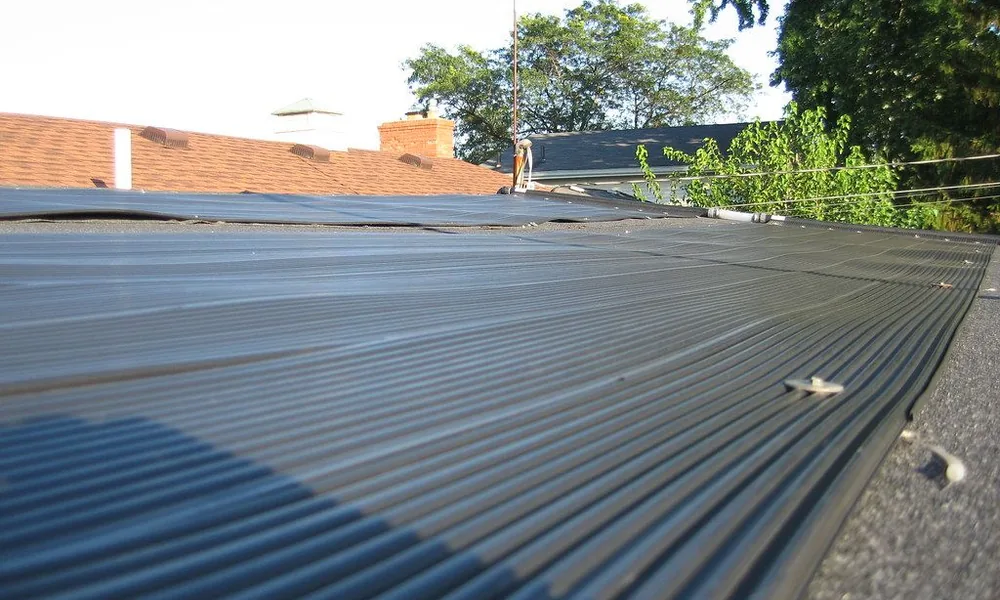
SunQuest systems are built for the bigger end of the residential market, where the pool is large, the family swims daily, and the customer expects a real season extension rather than a degree or two. The panels are robust unglazed collectors designed to be plumbed in large parallel banks, and the sizing method is explicit: collector area as a proportion of pool surface area, adjusted for shade, wind exposure, and whether the pool has a cover. A startup that learns this method properly can quote a 60-square-metre pool with the same confidence as a 30-square-metre one.
The plumbing is where large installs succeed or fail. A big array needs balanced flow across every bank, a pump that can lift the full flow to the highest panel, and pipe runs sized so friction does not eat the flow. An AI sizing assistant can flag a design that will starve the far bank before the crew cuts a pipe, using pool volume, roof height, pipe size, and panel count. The startup should still check the flow on site, and a guide to pool pump installation shows how pump sizing shapes the result, because a calculation is only as good as the measurements behind it.
SunQuest jobs also teach a startup to sell the whole system, not just the panels. A pool cover, a variable-speed pump, and a controller that runs the panels only when they are warmer than the pool can add more than extra panels would. The best installers show the expected gain and running cost side by side in the quote.
6. SolarAttic: Best for roof-integrated installs
SolarAttic takes a different approach to the roof: instead of panels laid over the tiles, the system is designed to sit neatly within the roof line, with a finish that looks intentional rather than added on. For customers who care about how their house looks, and for startups working in neighbourhoods with strict appearance rules, that finish can be the difference between a signed quote and a polite refusal. The hardware includes the collector, the mounting, and a control system that manages flow and freeze protection as one package.
The control side is the part a startup should study. SolarAttic’s controller opens the flow only when the collectors are warmer than the pool, which protects the pump from pointless circulation on dull mornings. It logs run times and temperatures, giving the installer a record to show at handover and a diagnostic trail if a callback comes in.
Roof-integrated work demands more care on the survey. The crew must confirm the roof structure, the fixing points, and the pipe route through the roof without creating a leak path, and photograph everything before and after. A startup should price this diligence into the quote. SolarAttic suits a business that wants premium jobs where the roof finish matters as much as the water temperature.
7. Aquatherm EcoSolar: Best for commercial-size arrays
Aquatherm’s EcoSolar panels are the step into commercial work: hotels, holiday parks, schools, and leisure centres with pools far larger than any home. The panels are the same unglazed principle scaled up, with headers and manifolds designed for long arrays and high flow rates. A startup that can install a commercial array has a second income stream beyond homes, and the jobs are larger, steadier, and often booked months ahead.
Commercial sizing is a different discipline. The estimator must model daily bather load, target temperature, overnight heat loss, and the solar contribution across the season, not just pool surface area. AI yield modelling helps, but treat its output as a check on your own calculation, and confirm pump and pipe sizes with the manufacturer’s guidance. A mistake shows up as cold water on opening day.
There is also a business lesson: the customer is usually a manager, not the person who swims. The quote must set out payback, season extension, and maintenance costs clearly, and the handover must include a written maintenance plan. Deliver that documentation on the first commercial job and the second is much easier to win.
Running the business around the install
Good panels do not make a good business on their own. The startups that survive their first two years are the ones that quote quickly, turn up when they said they would, and stay in touch after the install. The two tools in this section handle that side of the work. Neither of them heats water, but both of them decide whether the heating business gets paid, gets reviewed, and gets called back.
8. FieldPulse: Best for scheduling and job tracking
FieldPulse is a field-service app built for small trade businesses, and it fits a solar pool heater crew because the work is spread across roofs, gardens, and pool pads rather than a single workshop. Jobs, customers, quotes, and invoices live in one place, and the crew sees the day’s route on a phone, with the survey photos and the panel count attached to each job. The dispatcher, who is often the owner in the first year, can move a job when the weather turns without ringing round the whole team.
The feature that matters most in the busy season is speed from enquiry to quote. A customer who rings on a Monday about a cold pool wants a price by Wednesday. FieldPulse turns a phone survey into a quote with panels, parts, and labour priced, and the customer can accept it from their phone. An AI quoting assistant that drafts the quote from survey notes can cut quoting time in half during the spring rush.
FieldPulse also keeps the records that protect a young business: who fitted what, which roof fixings were used, what the pump flow measured on the day, and what the handover covered. When a customer rings a year later about a cold pool, that record is the difference between a quick diagnosis and a long argument. It is a modest monthly cost, and it replaces the notebook, the spreadsheet, and the missed call that used to lose jobs.
9. Podium: Best for reviews and customer messaging
Podium handles the part of the business that happens after the water warms up: staying in touch with the customer and turning satisfaction into reviews. It brings text messages, review requests, and payments into one inbox, so the installer can send a handover message, a review request, and a payment link without juggling three apps from a roof. For a solar pool heater startup, that matters because the best time to ask for a review is the first warm swim, which is often weeks after the install, when the crew has long since left.
The practical use is simple. A few days after handover, the customer gets a short message asking how the pool feels, with a link to leave a review. If they reply that the water is still cold, the message goes to the installer first, not to a public review page, giving the business a chance to check pump run times before a complaint becomes permanent. AI drafting can write that first message, but the owner should still read it before it goes out.
Reviews are the cheapest marketing a pool heating startup can buy. Pool owners talk to neighbours with pools, and a street with five pools is five jobs waiting for the business with the best local reputation. Podium is worth its cost if it produces a steady stream of genuine reviews with photos of warm, used pools, and it pairs naturally with the scheduling and quoting tools above: one system books the job, the other makes sure the world hears that it went well.
Solar pool heater startup checklist
Before taking on the first paying job, work through this list. It covers the decisions that separate a startup that lasts from one that spends its first summer fixing its own installs.
- Pick one collector system and learn it deeply, including its sizing chart, mounting method, and freeze-protection requirements, before offering a second.
- Build a sizing sheet that turns pool volume, surface area, shade, and roof height into a collector area and a pump flow rate, and test it against two real pools.
- Price the quote to include the diverter valve, vacuum relief valve, check valve, controller, and pipe run, not just the panels.
- Photograph every roof, pump pad, and pipe route before and after the install, and keep the photos with the job record.
- Set a drain-down and winter check routine for every customer, and book the first visit before leaving the handover.
- Ask every happy customer for a review within a week of their first warm swim, and reply to every review within a day.
Frequently asked questions
What is the best AI tool for a solar pool heater installation startup?
There is no single best tool, because the job splits into two halves: heating the pool and running the business. For the heating half, start with a proven unglazed panel system such as Heliocol or FAFCO SunSaver, plus a sizing method you trust. For the business half, add a scheduling tool such as FieldPulse and a review tool such as Podium.
How do I size a solar pool heater for a customer’s pool?
Start with the pool surface area, not the volume, because the surface is where heat is lost. Most in-ground pools need collectors covering roughly half to all of the pool surface area, with the higher end for shaded pools, windy sites, or cooler climates. Then check the pump: it must lift the full flow to the highest collector without struggling, and the pipe run must be wide enough to keep friction low. Measure the roof’s sunny area as well, because the best calculation is useless if the panels will not fit where the sun falls.
Unglazed panels or glazed collectors: which should a startup install first?
Start with unglazed panels. They are cheaper, lighter, and more efficient at the small temperature lift a pool needs, and they suit the seasonal use most residential customers want. Glazed collectors cost more and make sense where the pool is used in cold weather or where the system must also heat a spa to a high temperature. A startup should master unglazed installs, including freeze protection and drain-down, before offering glazed systems as a premium option.
Do solar pool heater installs need a permit?
It depends on the area and the roof. Many panel installs on a home roof need no permit beyond the normal building rules, but some districts require approval for roof-mounted equipment, for structural loading, or for listed buildings and conservation areas. Ground-mounted arrays may need planning permission where they are large or visible. The startup should check the local rules for every job, note the answer in the quote, and never promise a customer that permission is unnecessary without checking.
How long does a solar pool heater installation take?
A small above-ground install can be finished in a few hours, often in a single visit. A standard roof array on an in-ground pool usually takes one to two days, including the plumbing, the controller, and the testing. Large or commercial arrays take longer, and the survey and quoting happen days before the crew arrives. The startup should allow extra time on the first jobs of each type, because roof access and pipe routing always take longer than the estimate suggests.
Will AI tools replace solar pool heater installers?
No. AI tools can measure a roof from a photo, draft a quote, size an array, and answer a customer message, but they cannot climb a roof, fix a panel to a tile, or spot a cracked pipe before it leaks. They move the installer’s time from paperwork to the work only a person can do.
The bottom line
A solar pool heater installation startup wins by being precise about the sun, the pool, and the plumbing, and by being fast and reliable about everything else. Pick one panel system, learn its sizing and its roof work properly, and let simple software handle the quoting, the scheduling, and the reviews. The sun does the heating for free; the business earns its money by making sure the system collects it, keeps it, and survives the winter. Start with the panels, prove the sizing on real pools, and let the reputation for warm water do the selling.

Keep what speaks to you.
Leave room for your own perspective.