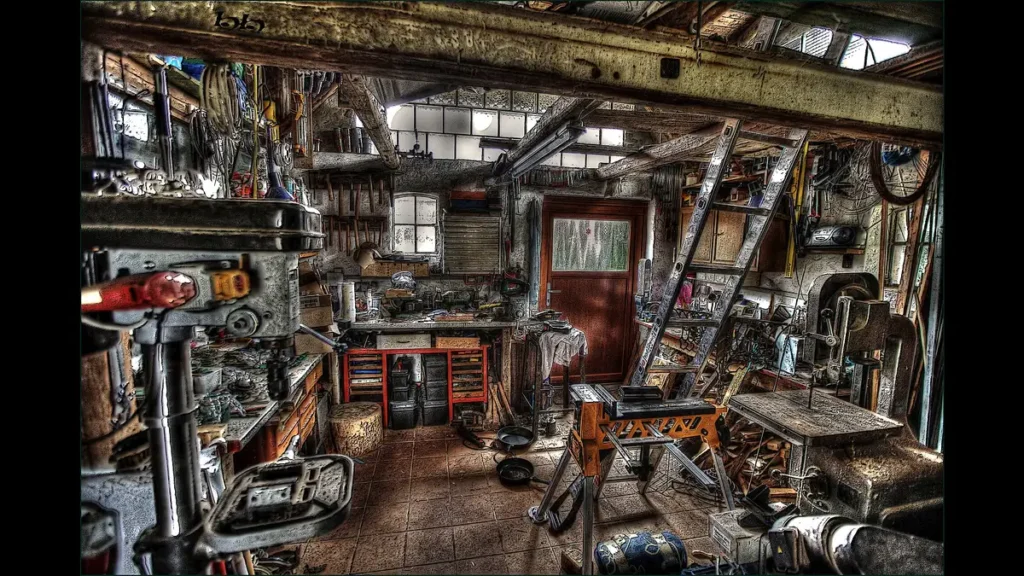
For most of my adult life, I measured a good month by what I bought. A new jacket, a better phone, shoes I had been eyeing for weeks. Each purchase came with a small rush, a feeling that my life was a little better than the day before. I kept the boxes, took photos, showed friends. And then, almost every time, the feeling faded within a couple of weeks, and the thing just became part of the background of my life.
The memories, on the other hand, never faded. I can still describe a road trip I took years ago with two friends in a car with barely working air conditioning: the terrible playlist, the wrong turn that added two hours, the roadside cafe where we ate the best breakfast of our lives. That trip cost less than most of the gadgets in my drawers. Yet it is the trip I think about, not the gadgets.
That contrast is why I choose experiences over things now. It was a slow realisation, purchase by purchase, that the things I bought were supposed to make me happy, and the experiences I almost skipped were the ones that actually did.
The Purchase That Taught Me the Lesson
A few years ago, I bought something I had wanted for a long time. I will not name it, because the item does not matter. What matters is how certain I was that owning it would change how I felt day to day. I saved for it, researched it, and felt thrilled when I finally bought it.
For about three weeks, I loved it and used it every day. Then I stopped noticing it at all. It became furniture. It worked fine, looked fine, and gave me nothing. The excitement had an expiry date, and it arrived far sooner than I expected.
That same year, I said yes to a weekend trip I had nearly turned down as an unnecessary expense. I remember almost nothing about the hotel, but I remember laughing until my stomach hurt on a boat ride, getting caught in the rain with no umbrella, and a long dinner where nobody looked at their phone. Years later, that weekend still makes me smile. The expensive purchase does not even make me feel anything.
That was when the balance tipped. I stopped asking what I should buy next, and started asking what I wanted to remember next.
What Experiences Give Me That Things Never Could
The first thing experiences give me is connection. Almost every experience I value involved other people: a meal cooked together, a hike with a friend, a concert where strangers sang the same words at the same time. Things are usually solitary, and the pleasure is mostly private. Experiences are shared by nature, and sharing them is half the point.
The second thing is anticipation. Half the joy of a trip happens before it does. I enjoy the planning, the counting down, the conversations about what we might do when we get there. A purchase has anticipation too, but it is shorter and thinner. Once the box is open, the countdown is over.
The third thing is that experiences become part of who I am. When someone asks about me, I do not list what I own. I tell stories about places I have been and funny disasters that became favourite memories. My possessions say very little about me. My experiences say almost everything. And unlike things, experiences do not break, go out of fashion, or need replacing. Nobody has to dust a memory, and it only gets better with every retelling.
The Math I Stopped Ignoring
This is not only about feelings. The numbers back it up too. When I looked honestly at what I spent in a year, the things that held their value were almost all experiences. A concert ticket from five years ago still pays me back every time I think about it. A jacket from five years ago is in a donation bag.
Things also come with hidden costs. There is the cost of the thing itself, then maintaining it, storing it, upgrading it, and eventually replacing it. The purchase is rarely the end of the spending. It is the beginning.
That is why I changed how I shop. I only buy things on sale now, and only after a waiting period, because most things I wanted urgently were things I did not want a month later. The money I stopped spending on impulse purchases went into a small fund for experiences, and it has bought me more happiness than any sale ever did. I also started treating experiences as part of my financial planning, because setting financial goals that actually stick is easier when the goal is a trip I can picture than an abstract number in an account.
How I Spend Now
My approach is simple. I have not stopped buying things. I have just changed the order in which I decide. Before I buy something, I ask: would I rather have this, or the memory of something I could do with the same money? Most of the time, the memory wins.
I keep a short list of experiences I want, the way other people keep a shopping wish list. Some are big, like a trip to a place I have never been. Most are small, like trying a new restaurant, taking a cooking class, or exploring a town I have never visited. The small ones matter just as much, because they happen often.
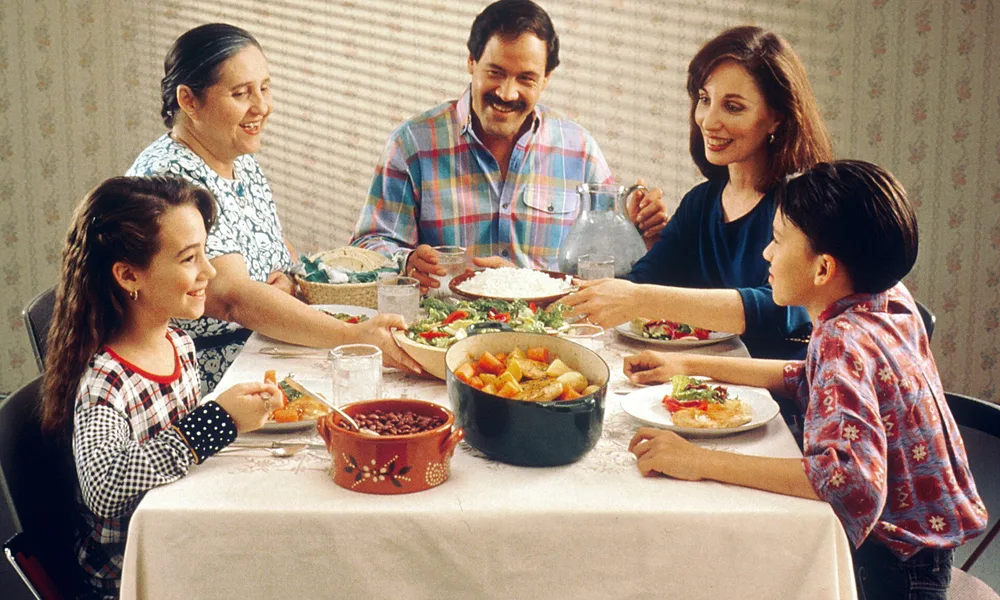
I also stopped treating experiences as things I have to earn. I used to tell myself I could travel after I finished a project or after life calmed down. It never did. Now I plan experiences first and build the rest of my spending around them.
That shift changed how I celebrate too. When friends ask what I want for my birthday, I ask for an experience we can share, a dinner out or a day trip, not another object. And when I host, I put my effort into the gathering itself. The best ways to save money on a holiday party are about spending on the food, the music, and the people, and skipping the decorations nobody will remember.
What I Still Buy, and Why That Is Fine
Choosing experiences over things does not mean living with nothing. I still buy things, and I enjoy them. I own good shoes for walking, a comfortable bag for travelling, and kitchen tools I actually use. Now I buy things that serve my experiences, not things to impress people or fill a gap.
A good pair of walking shoes is worth it because it makes every walk better. A decent camera is worth it because it helps me keep the memories I care about. The test I use is simple: if the thing helps me do something I love, it is worth buying. If the thing is the whole point by itself, it probably is not.
Bottom Line
I choose experiences over things because they are the only purchases that have never disappointed me. The things I bought promised happiness and delivered a few good weeks. The experiences I chose delivered memories I carry, friendships that grew stronger, and stories I will tell for the rest of my life. My shelves are lighter now, my life feels fuller, and that trade is one I would make again every time.
Note: This is my personal perspective on how I spend my own money and time. If buying things brings you genuine joy, that is a perfectly good way to live too. The point is not to follow my choice, but to notice which of your purchases still make you happy a year later, and spend a little more on those.

Keep what speaks to you.
Leave room for your own perspective.