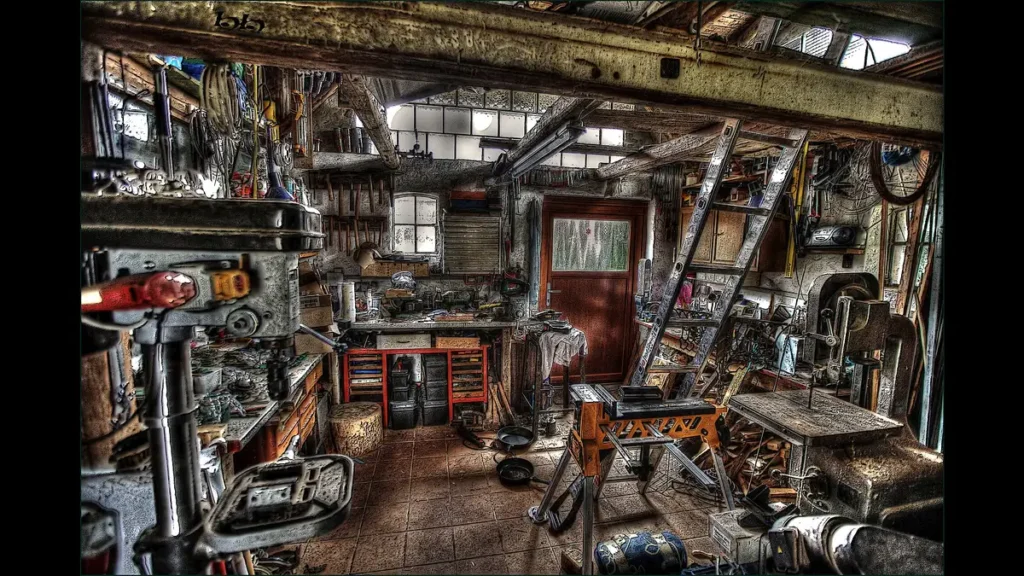
A handyman can turn practical skills into steady income without a shop, a franchise, or a large team. Homeowners always need small repairs done well, and many would rather hire one reliable person than call a separate specialist for every job. If you can fix a leaking tap, hang a shelf straight, patch drywall, or assemble furniture, you already have a service people will pay for.
The trick is not doing every job that comes your way. It is choosing the work that pays best for your time, pricing it clearly, and building a reputation that brings repeat customers and referrals. This guide covers the best ways to make money as a handyman, from everyday repairs to higher-value services that can grow into a full-time business.
If you are still deciding how to structure the work around your life, read how to start a side hustle in 2026 first, then use the ideas below to shape your own handyman plan.
1. Offer Everyday Home Repairs
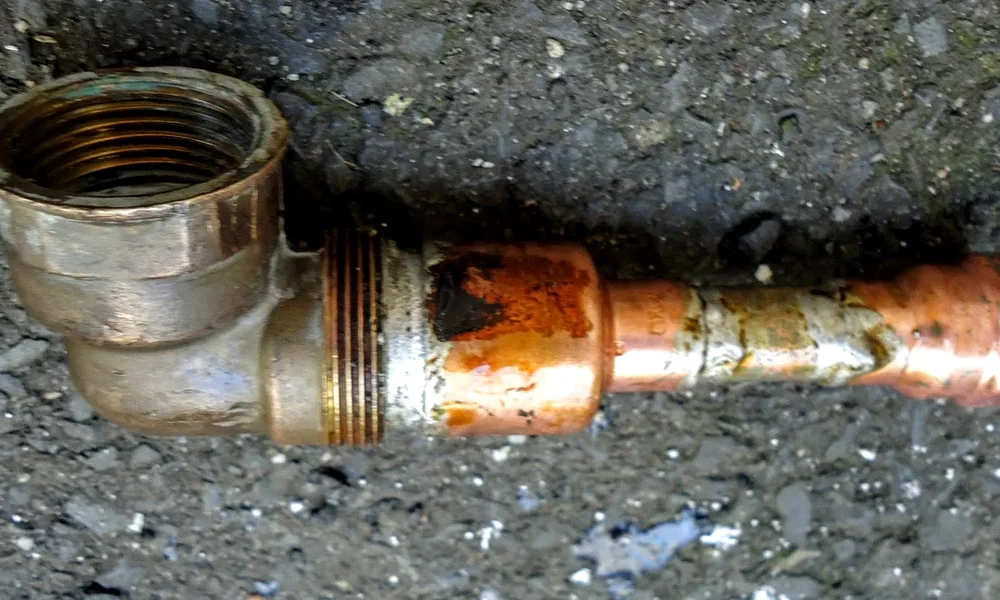
Everyday repairs are the backbone of a handyman business. These are the small jobs homeowners put off for months: a sticking door, a dripping tap, a loose handrail, a cracked tile, or a squeaky floorboard. Each job may be small, but several in a day add up to solid income.
Charge a clear minimum call-out fee plus an hourly or per-job rate, and explain what is included before you start. Customers value honesty about price more than a low quote that grows later. Keep common parts in your van or toolbox so you can finish most repairs in one visit, and always leave the area tidy.
2. Take On Furniture Assembly
Flat-pack furniture is a steady source of work. Many buyers do not have the time, tools, or patience to assemble beds, wardrobes, desks, and shelving units, and they will gladly pay someone who can do it quickly and correctly.
Advertise furniture assembly as a fixed-price service, with prices based on the size and complexity of each item. Bring your own tools, work carefully to avoid scratches, and offer to remove the packaging.
3. Do Painting and Small Decorating Jobs
Painting single rooms, feature walls, fences, and garden sheds is profitable work that needs little expensive equipment. Homeowners often want one room refreshed before guests arrive or a property sale, and they do not want to hire a full decorating firm for a small job.
Price by the room or by the wall, including preparation and clean-up, and agree on the paint and finish in advance. Neat edges, dust sheets, and a clean finish are what earn repeat work and strong reviews. Good photos of finished rooms also help future customers trust your work.
4. Provide Garden and Outdoor Repairs
Outdoor work is often overlooked by handymen, yet it is in constant demand. Fence repairs, gate adjustments, deck board replacement, shed repairs, and outdoor light fitting are all jobs that suit a practical worker with basic tools.
Seasonal demand helps too. Spring brings fence and deck repairs, summer brings garden building work, and autumn brings gutter clearing and weatherproofing. Offering a seasonal checklist to past customers can fill quiet weeks and keep your diary full.
5. Help With Moving and Heavy Lifting
Many handyman customers need an extra pair of strong hands as well as a skilled pair. Helping with heavy furniture moves, appliance installation, and clearing a room before a renovation can be charged as a separate service.
A vehicle makes this work far more profitable, since you can carry tools, materials, and bulky items in one trip. If you already own a truck or van, you can combine transport with installation and charge for the full service. For ideas on earning with a vehicle, see the best ways to make money with a pickup truck.
6. Offer Property Maintenance Packages
One-off jobs pay well, but regular maintenance packages pay more reliably. Landlords, letting agents, and busy homeowners often want one person they can call for recurring tasks such as changing filters, checking smoke alarms, tightening fittings, and fixing wear and tear between tenants.
Offer a simple monthly or quarterly visit at a set price, with a clear list of what is included and how extra work is charged. This turns unpredictable jobs into predictable income and gives you first call on larger repairs when they arise.
7. Take On Small Bathroom and Kitchen Fixes
Small bathroom and kitchen jobs are among the highest-paying handyman tasks. Replacing a tap, resealing a bath, fixing a running toilet, changing a shower head, or replacing cabinet handles can each be done in an hour or two, yet they make a visible difference to a home.
Stay within your skill level and local rules, and refer licensed specialists for gas, major plumbing, or electrical work. Customers respect a handyman who knows his limits, and that honesty protects both your reputation and their home.
8. Sell Your Skills on Local Job Platforms
Local job platforms and community groups can fill your diary while you build a reputation. Create a clear profile with photos of finished work, a list of services, and honest reviews from early customers. Respond quickly, give clear quotes, and confirm every booking in writing.
Start with smaller jobs to earn strong reviews, then raise your rates as demand grows. Over time, direct referrals should replace platform work, which means you keep more of every pound you earn and depend less on any single website.
9. Offer Assembly and Repair for Rental Properties
Rental properties create repeat work because tenants change and wear and tear builds up. Landlords need fast, reliable help with patching walls, replacing blinds, fixing doors, and preparing a property between tenants.
Build relationships with a few local landlords or letting agents rather than chasing one-off jobs. Offer a fast turnaround, clear before-and-after photos, and itemised invoices. Reliable service in this niche often leads to a steady stream of work that other handymen overlook.
10. Teach Basic Home Repair Skills
Once you have experience, teaching can become an extra income stream. Short workshops, video guides, or one-to-one sessions can show homeowners how to fix a leaking tap, hang a picture safely, or unblock a drain without calling for help.
Keep the lessons simple, safe, and practical, and never teach work that should be done by a licensed professional. Teaching also builds your authority, brings in customers who prefer to hire you for bigger jobs, and creates income that does not depend on your hands alone.
How to Price Your Handyman Work
Good pricing is what turns busy weeks into profitable ones. Start by working out your true hourly cost, including travel, tools, insurance, and time spent quoting and buying materials. Then set rates that cover those costs and leave a fair profit.
Many handymen charge a minimum fee for small jobs, an hourly rate for ongoing work, and fixed prices for common tasks such as furniture assembly or tap replacement. Put your prices in writing, ask for a deposit on larger jobs, and track which jobs earn best so you can focus on them.
Final Thoughts
Making money as a handyman is about more than fixing things. It is about showing up on time, communicating clearly, charging fairly, and leaving every home better than you found it. Start with the services you do best, build a base of happy customers, and add higher-value work as your skills and confidence grow.
Whether you want a part-time income or a full-time business, the demand for reliable handymen is not going away. If you are weighing other ways to earn alongside this work, explore the best ways to earn money from home and pick the mix that fits your skills, your schedule, and the life you want to build.

Keep what speaks to you.
Leave room for your own perspective.


