A high water bill rarely comes from one big mistake. It usually comes from dozens of small habits that add up quietly: a shower that runs a few minutes too long, a tap left running while you brush your teeth, a garden watered in the middle of a hot afternoon. None feels expensive on its own, yet together they can push your bill far higher than it needs to be.
The good news is that saving water at home is one of the easiest ways to cut a household bill. Most of the fixes are cheap or free, and many take only a few minutes. You just need to find where the water is going and close the gaps, one at a time.
Start by Finding Where Your Water Goes
Before you change anything, look at your last few water bills. Check how much water your household used each month and whether the number jumps in summer or stays steady all year. A sudden jump often points to a leak, while a steady high number usually means everyday use is simply higher than you think.
Walk through your home and notice when water runs without doing useful work: the tap running while you wait for hot water, or the hose running while you chat with a neighbour. Once you can see the waste, the fixes become obvious.
In most homes, the bathroom is the biggest user by far, followed by the laundry and the kitchen, while the garden can use even more in summer. That order tells you where to focus first.
Fix Leaks Before They Drain Your Wallet
Leaks are the most expensive kind of water waste because they never stop. A tap that drips once a second can waste thousands of litres over a year, and a running toilet can waste far more. Many leaks are silent, so the first sign is often a bill that makes no sense.
Check every tap, toilet, and pipe joint. Put a few drops of food colouring in the toilet tank and wait half an hour without flushing; if colour appears in the bowl, the seal is leaking. Look under sinks for damp spots.
Most small leaks are simple to fix: a worn washer, a tired toilet flapper, or a loose connection can often be replaced in minutes with basic tools. If the leak is behind a wall or under the floor, call a plumber rather than waiting, because the water damage will cost far more than the repair.
Make the Bathroom Use Less Water
Shortening your shower by just two minutes can save a surprising amount of water over a month, especially in a household with several people. You do not need cold showers or strict timers; simply getting in, washing, and getting out without standing under the water is enough.
A low-flow showerhead is one of the best value upgrades in the home. Modern ones feel just as strong as older models while using far less water, and they pay for themselves quickly. The same idea applies to taps: a simple aerator mixes air into the stream and cuts the flow without making the tap feel weak.
Your toilet is another heavy user. Older toilets can use far more water per flush than newer ones, so a dual-flush converter or a newer efficient model is worth considering. Never use the toilet as a bin, since every extra flush is water and money down the drain, and turn off the tap while you brush your teeth or shave.
Change Small Kitchen Habits
When you wash vegetables, fill a bowl instead of running the tap, and use the leftover water for plants. When you wait for the tap to run hot, catch the cold water in a jug for cooking or watering rather than letting it run down the drain.
Run the dishwasher only when it is full, and skip the pre-rinse when your machine can handle it. Modern dishwashers use far less water than washing the same load by hand under a running tap. The same rule applies to the washing machine: wait for a full load and use the right cycle for the clothes.
Hot water costs twice: once for the water and once for the energy to heat it. Shorter showers, cooler wash cycles, and a water heater set to a sensible temperature all help. If you are looking at the wider picture, learning how to save money on heating your home covers more ways to cut the energy side of your household bills.
Save Water Outside the House
Outdoor water use can quietly overtake everything inside the house, especially in summer. A garden hose can use as much water in an hour as a family uses indoors in a day. Water early in the morning or in the evening, when the sun is low, so less water evaporates and more reaches the roots.
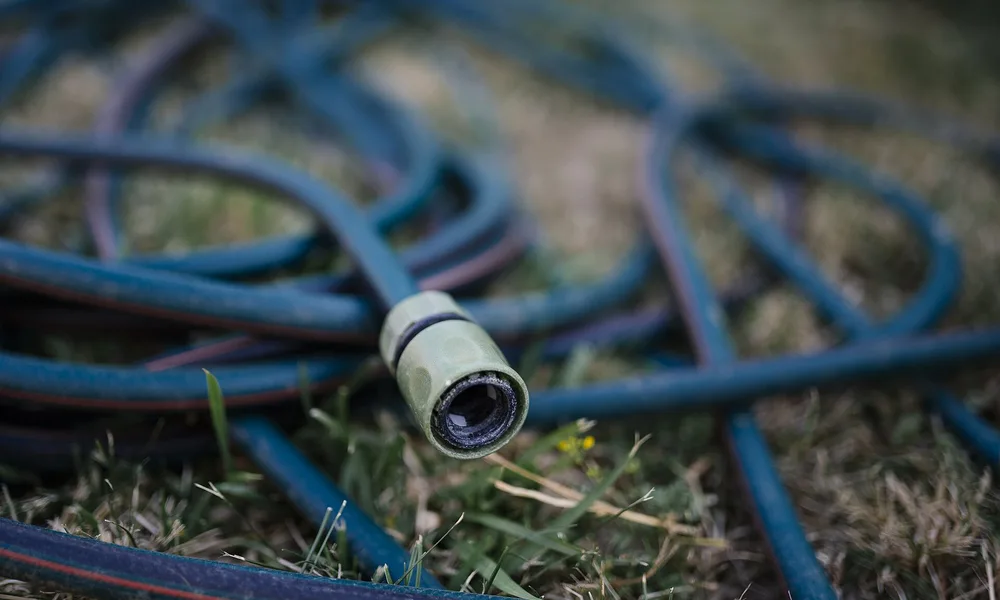
Water the soil, not the leaves, and water deeply but less often so plants grow stronger roots. A layer of mulch keeps the soil damp for longer, and plants that suit your local climate will always need less water than thirsty ones in a dry area.
Check outdoor taps and hoses for leaks too, and fit a trigger nozzle so the hose stops the moment you let go. Wash the car with a bucket and sponge instead of a running hose, and sweep driveways with a broom rather than hosing them down. A rain barrel under a downpipe collects free water for the garden.
Check Your Meter and Your Bill
Your water meter is the best tool you have for finding hidden waste. Read it, avoid using any water for two hours, and read it again. If the number has moved, you have a leak to find. Repeat the check every few months so a new leak does not run unnoticed for a whole billing cycle.
Read your bill properly instead of only looking at the amount due. Check whether you are on a metered tariff or a flat rate, and whether the bill is estimated or based on a real reading. An estimated bill can be far higher than your real use, so sending in a reading can bring it back down.
Ask your water supplier about discounts or free water-saving devices. Many offer free showerheads, tap aerators, or leak detection kits.
Build Habits That Keep the Bill Low
The cheapest fixes cost nothing at all: shorter showers, taps turned off while brushing, full loads in the dishwasher and washing machine, and watering the garden at the right time of day. The trick is to make them automatic rather than relying on willpower every day.
Get the whole household involved. When the whole family knows the goal, the savings grow faster, and a quick look at the bill together each month shows whether the changes are working.
Water is only one of the bills that quietly grows when nobody watches it. The same habit of checking, comparing, and cutting waste works across the household, and these ideas to cut your monthly bills show how the small savings from each bill add up to a real difference. You can apply the same thinking to your phone plan too, and these ways to save money on your phone bill are a good place to start.
Saving money on your water bill does not require a big project or a big budget. Start with the leaks, shorten the showers, fix the habits in the kitchen, and water the garden wisely. Within a month or two, you should see the number fall, and keeping it low is far easier than getting it down in the first place.

Keep what speaks to you.
Leave room for your own perspective.