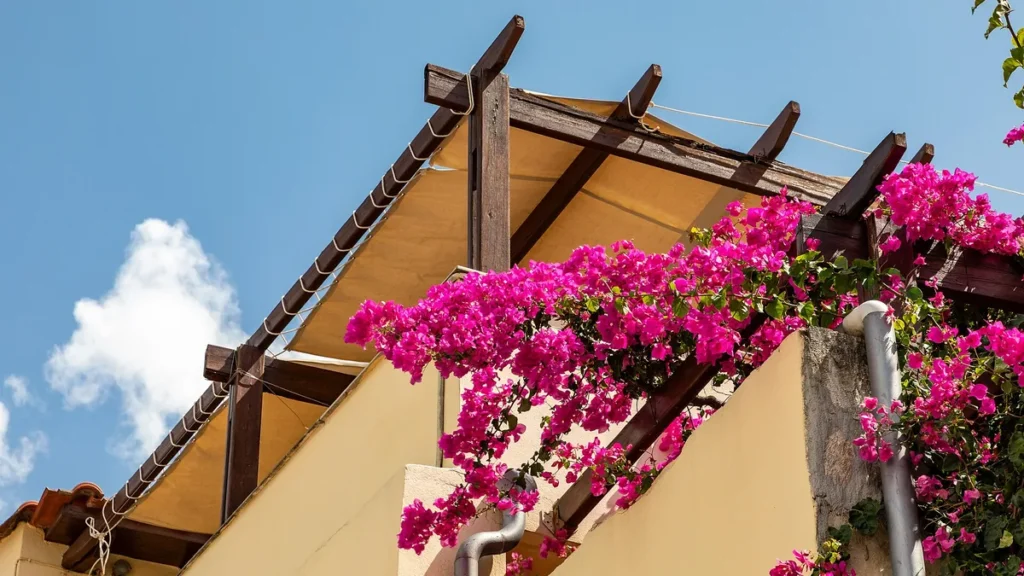
A pergola can turn a plain backyard into a place where you actually want to spend time. It gives you shade, defines an outdoor room, and adds real value to a home. The problem is the price. A professionally built pergola can easily cost several thousand dollars, and the extras add up fast. The good news is that most of that cost is optional. With a smaller footprint, a sensible material, and a bit of well-timed shopping, you can get the pergola you want for far less than the first quote you receive.
Start With a Smaller Footprint
Size is the single biggest driver of pergola cost. Every extra foot adds posts, beams, rafters, footings, and labour. A 12 by 12 foot pergola uses roughly twice the material of an 8 by 10 foot one, yet the smaller structure still shades a dining table and four chairs comfortably. Before you commit to a size, mark the outline on the ground with string or garden hose and sit under it at the time of day you will use it most. You may find the modest footprint feels generous once the furniture is in place.
Shape matters too. A simple rectangle is the cheapest shape to build because every cut is straight and every beam is the same length. Angled corners, curves, and attached extensions all add cutting time and waste. If you want visual interest, add it later with plants or lighting rather than with complicated carpentry. The same thinking applies to the rest of the yard, and the advice in our guide on how to save money on a new deck follows the same rule: a simple shape costs less at every step.
Choose the Cheapest Material That Will Last
Material is the second-biggest cost, and the cheapest option is not always the best deal. Pressure-treated pine is usually the lowest-priced lumber for a pergola, and it holds up well outdoors when it is sealed and maintained. Cedar costs more upfront but resists rot and insects naturally, so it needs less treatment over the years.
Vinyl and aluminium kits look attractive because they promise no maintenance, but they carry a much higher purchase price and they are harder to repair if a part breaks. For most homeowners, pressure-treated pine or cedar gives the best balance of price and lifespan. Buy the lumber yourself from a local yard rather than through a contractor, and compare prices at two or three suppliers. Lumber prices vary more than most people expect, and a single phone call can save a noticeable amount on a full order.
Build It Yourself, or Hire Only the Hard Parts
Labour is often half the total cost of a pergola, so doing the work yourself is the fastest way to cut the bill. A basic pergola is one of the more approachable outdoor projects. The structure is simple: four posts, two beams, and a set of rafters. A ready-made kit makes it easier still, with the pieces cut to size and the hardware included.
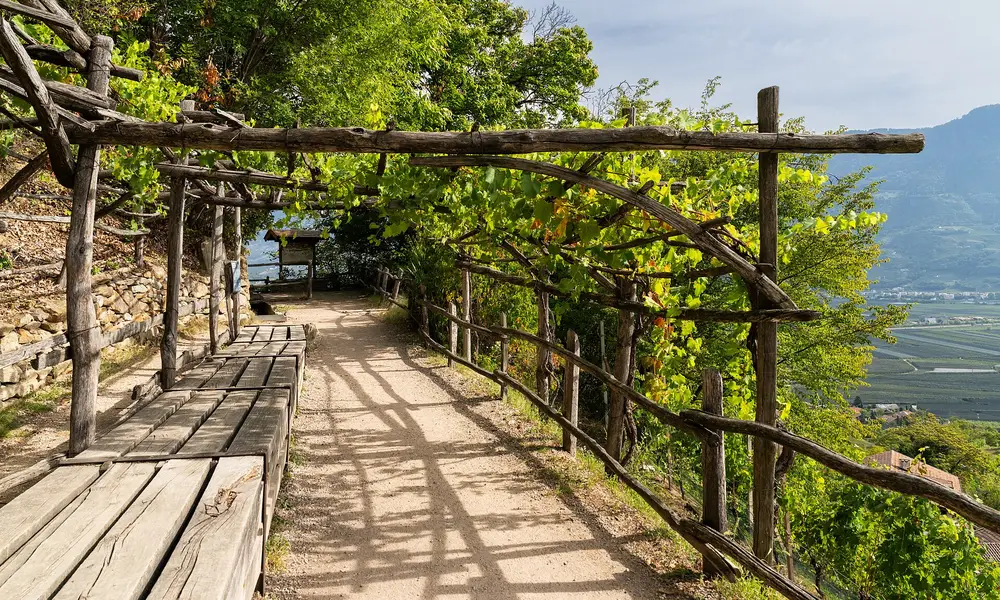
If a full do-it-yourself build feels like too much, hire help for only the hardest parts. Setting the posts and pouring the footings is the work that needs the most skill and the heaviest lifting. Many homeowners hire a contractor for the posts and footings, then finish the beams and rafters themselves over a weekend. You get a solid, level foundation and you still save most of the labour cost.
Whatever route you choose, get at least three quotes before you hire anyone. Ask each contractor to break the quote into materials and labour so you can see exactly where the money goes. A vague single-number quote is hard to compare and easy to overpay on.
Buy at the Right Time of Year
Timing can save you hundreds of dollars. Pergola kits, lumber, and outdoor furniture are all cheapest when demand is low. Late autumn and winter are the best months to buy, because stores clear seasonal stock to make room for spring lines. A kit that sells at full price in April may be discounted by a quarter or more in November.
Watch for end-of-season sales at home improvement stores and check online retailers for open-box or returned kits, which are often sold at a steep discount and are still complete. If you can wait a few months, plan the project in winter, buy the materials on sale, and build in early spring.
Skip the Expensive Extras and Keep the Shade
The extras are where pergola budgets quietly double. A retractable canopy, a louvred roof, or a solid roof panel can cost as much as the structure itself. Before you add any of them, ask whether you need the feature or just like the idea of it. A simple shade cloth stretched under the rafters blocks most of the sun for a small fraction of the price of a mechanical roof, and it can be removed in winter to let the light through.
Plants are the cheapest shade of all. A climbing vine such as wisteria, grape, or jasmine grows over the beams within a season or two and gives you living shade that improves every year. For the ground below, keep the surface simple as well. Gravel or pavers laid by hand cost far less than a poured concrete pad, and the same cost-first approach works across the yard. Our guide to the best ways to save money on a new patio shows how the same trade-offs play out for the patio underneath a pergola.
Lighting is another easy place to overspend. Built-in electrical work needs an electrician and adds hundreds to the bill. Solar string lights give you the same warm evening glow for a few dollars and need no wiring.
Avoid the Mistakes That Cost You Twice
The most expensive pergola is the one you have to build twice. A few mistakes cause most of the rework, and all of them are easy to avoid. First, check whether your area needs a permit. Rules vary by town, and a pergola that is too tall or too close to a boundary may need approval. A permit costs far less than a fine or a forced rebuild, so check before you dig.
Second, get the footings right. Posts set in shallow holes will shift as the ground freezes and thaws, and a leaning pergola is expensive to fix. Dig below the frost line for your area, use concrete, and check that every post is level before the concrete sets. Third, measure twice and cut once. Lumber cut too short cannot be stretched, and a wrong cut wastes both the board and the trip to replace it.
Set a Budget and Stick to It
Write down a budget before you buy anything, and split it into materials, labour, and extras. Decide in advance how much each part can cost, and treat the extras as a separate pot that you only spend once the structure is finished. This keeps a small add-on from quietly eating the money you need for the beams.
Keep a simple list of every purchase as you go. When you can see the running total, you can spot overspending early enough to adjust. If the lumber comes in over budget, you can still save by choosing a cheaper shade cloth or by planting vines instead of buying a canopy. The same discipline pays off on every outdoor project, and our guide on how to save money on a new outdoor kitchen uses the same approach to keep a bigger project under control. A pergola does not have to be expensive to be good: a modest size, honest materials, and a few well-timed purchases will give you a shaded outdoor space you will use for years.

Keep what speaks to you.
Leave room for your own perspective.