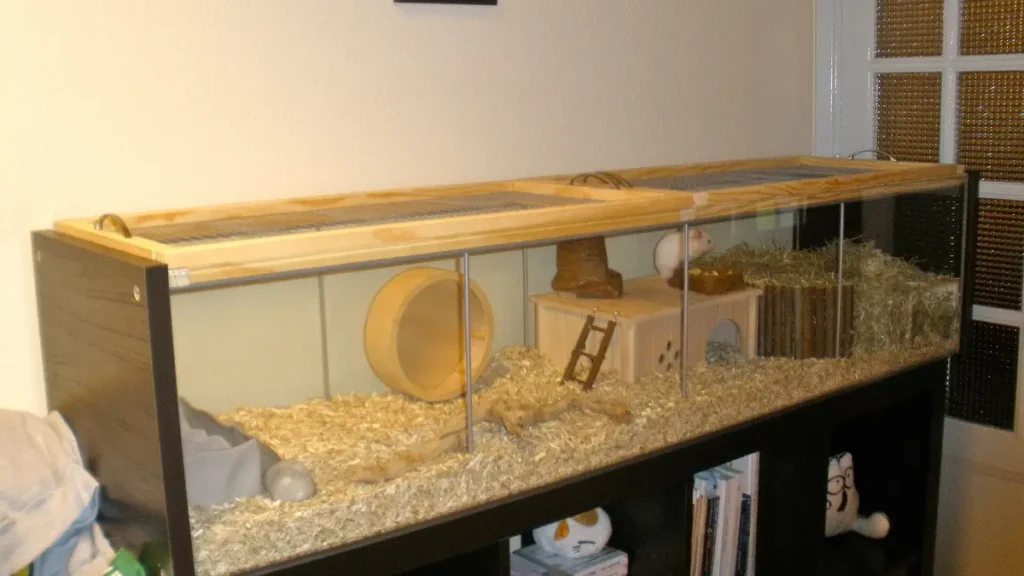
A new hamster cage can cost far more than the hamster itself, and that surprise catches many first-time owners off guard. A small cage from a pet shop shelf might look like a bargain at first glance, yet it often needs replacing within months because it is too small, too flimsy, or too hard to clean. When you add a wheel, a hideout, bedding, and a water bottle, the total climbs quickly, and the cage you thought would last for years suddenly feels like a false economy. Learning how to save money on a new hamster cage in 2026 is therefore not about buying the cheapest box you can find, but about spending wisely once and avoiding the costly cycle of upgrades, replacements, and vet bills that follow a poor choice.
The good news is that a safe, spacious, and comfortable home for your hamster does not have to cost a fortune. Prices vary enormously between shops, seasons, and cage styles, and patient buyers who compare options, watch for sales, and consider second-hand or do-it-yourself alternatives can often save a third or even half of the retail price. The same careful habits that help in other areas of household spending apply here too, and the principles in our guide to the best ways to save money in 2026 work just as well when you are shopping for pet supplies. A little research before you buy is worth far more than any single discount code.
This guide walks you through every realistic way to cut the cost of a new hamster cage without cutting corners on your pet’s welfare. You will learn what size your hamster genuinely needs, which cage types offer the best value, where the best deals are found, how to check a used cage safely, and which accessories are worth paying for and which you can make or buy second-hand. By the end, you will have a clear plan, a realistic budget, and the confidence to buy once and buy well.
Key takeaways
- Buy the right size once: a cage of at least 100 x 50 centimetres of unbroken floor space costs less over time than a small cage you must soon replace.
- Compare at least three sellers and wait for a sale: the same cage can vary by 30 to 50 percent between shops, and seasonal promotions bring the biggest savings.
- Second-hand cages and converted furniture can halve your cost, but only after a careful safety check for rust, damage, bar spacing, and lingering smells.
- Never save money by shrinking the wheel, the bedding depth, or the hideout: cheap shortcuts in these areas lead to stress, injury, and vet bills.
- Budget for the whole setup, not just the cage: bedding, food, a wheel, and a water bottle add up, so plan the full first-month cost before you buy.

Why Hamster Cages Cost So Much in 2026
Hamster cages seem simple, yet their prices reflect materials, size, design, and branding in ways that are not always obvious. A large cage uses far more plastic, metal, and glass than a small one, and a well-designed model with a deep base, a secure lid, and good ventilation costs more to manufacture than a basic wire box. Branded cages add marketing and licensing costs, while cages sold through pet shops carry retail markups that online sellers can sometimes undercut. Understanding these factors helps you see where the money goes and where you can safely spend less.
Another reason prices feel high is that many popular cages are simply too small. Shops often display colourful, compact cages that look appealing but fall far short of the space a hamster needs to burrow, run, and explore. Owners who buy one of these soon discover their hamster is restless, bar-chewing, or unhappy, and they end up buying a second, larger cage. That second purchase is the hidden cost that makes a cheap first cage the most expensive option of all. Paying a little more for the correct size at the start is almost always the cheaper path.
What Size Cage Does Your Hamster Actually Need?
Size is the single most important factor in choosing a hamster cage, and it is also the area where saving money by going smaller backfires most often. Welfare guidance in 2026 generally recommends at least 100 x 50 centimetres of continuous, unbroken floor space for a Syrian hamster, and the same minimum is a sensible target for dwarf hamsters too, even though they are smaller animals. Tubes, shelves, and extra levels do not count towards this figure, because hamsters need a large flat area for burrowing and running. A cage that meets this standard gives your pet room to behave naturally and saves you from an early replacement.
Depth matters almost as much as floor space. Hamsters are natural burrowers, and they need bedding at least 15 to 20 centimetres deep to dig tunnels and build nests. A cage with a shallow base forces you to use thin bedding, which leaves your hamster frustrated and makes the cage harder to keep clean. Look for a deep base, whether it is part of a barred cage, a tank-style enclosure, or a converted piece of furniture. A deep base also keeps bedding inside the cage instead of scattered across your floor, which saves on cleaning time and wasted bedding.
Bar spacing is a safety detail that also affects price. Syrian hamsters need bars no more than about 12 millimetres apart, while dwarf hamsters need spacing of 7 millimetres or less, because they can squeeze through surprisingly small gaps. A cage with the wrong spacing is not a bargain at any price, since an escaped hamster can be injured or lost. Tank-style cages and aquariums avoid this problem entirely, which is one reason they are popular for dwarf species. Always check the spacing before you buy, and measure it yourself if the listing does not state it clearly.
Which Type of Cage Offers the Best Value?
Barred cages are the most familiar option, and they offer good ventilation and easy access for feeding and cleaning. Their prices range widely, from budget models that feel flimsy to sturdy, well-built cages that last for years. The best-value barred cages have a large flat base, a deep tray, narrow bar spacing, and a large front door that makes cleaning simple. Avoid cages with small doors, thin wire, or complicated tube systems that are hard to clean, because those features add cost without adding comfort for your hamster.
Tank-style cages, including glass aquariums and purpose-built tanks, have become popular because they offer excellent burrowing depth, quiet living, and no bar-chewing. A second-hand aquarium can be one of the cheapest ways to house a hamster well, especially if you find a large tank at a low price and add a secure mesh lid. New tanks cost more, but they are durable and easy to clean, and they hold their value if you later sell them on. The main drawback is weight, so make sure your table or stand can support a large glass tank filled with deep bedding.
Converted furniture, such as a large wooden cabinet or a glass-fronted display unit turned into a hamster enclosure, can offer the largest living space for the lowest price, but it requires more work. You need to seal the wood against urine, add ventilation, fit a secure door, and check every surface for sharp edges or toxic finishes. This route suits confident do-it-yourself owners who enjoy a project, and it can produce a beautiful, spacious home for far less than a branded cage of the same size. If you are not comfortable with basic woodwork, a ready-made cage is the safer and ultimately cheaper choice.
| Cage type | Typical new price | Best for | Watch out for |
|---|---|---|---|
| Large barred cage | Moderate to high | Good ventilation and easy access | Bar spacing, shallow base, small doors |
| Glass tank or aquarium | Moderate, low second-hand | Deep bedding and dwarf hamsters | Weight, secure lid, ventilation |
| Converted furniture | Low to moderate | Maximum space for the money | Sealing, ventilation, safe finishes |
| Plastic modular cage | Low to moderate | Compact spaces and children | Too small, hard to clean tubes |
| Wooden vivarium | Moderate to high | Quiet, attractive display | Urine damage, ventilation, weight |
There is no single cheapest cage type for everyone: the right choice depends on your space, budget, and hamster’s species. What matters most is that the cage meets the size, depth, and safety standards above, because a cage that fails those tests is never good value.
Where to Find the Best Deals on a New Cage
Comparing prices is the simplest way to save money, yet many buyers check only one shop and pay far more than they need to. Start by searching for the exact cage model you want across at least three sellers, including large online pet retailers, general marketplaces, and your local pet shop. Prices for the same cage can differ by a surprising amount, and delivery costs can change the ranking, so always compare the total price including postage. A cage that looks cheap online may cost more once delivery is added, while a local shop may match an online price if you ask.
Sales events are worth planning around when you can. January sales, summer clearances, Black Friday, and pet-specific promotion weeks often bring genuine discounts of 20 to 40 percent on cages and accessories. Signing up for a retailer’s newsletter or loyalty programme can also unlock a first-order discount, and some shops offer student, clearance, or open-box deals that are easy to miss. Keep a short list of the cages you like, note their usual prices, and buy when one drops to a level you are happy with, rather than buying the first cage you see.
Open-box and ex-display cages are another overlooked source of savings. These are cages that have been returned, used for display, or sold without their original packaging, and they are often discounted by a quarter or more even though they are essentially new. Ask your local pet shop whether it has any ex-display stock, and check the open-box sections of online retailers. Inspect the cage carefully before you pay, checking for missing parts, cracked plastic, or bent bars, and make sure every clip, wheel, and fitting is included. A complete open-box cage at a discount is one of the best deals available.
Buying a bundle can also save money, provided the bundle contains items you actually need. Some retailers sell a cage together with a wheel, a hideout, a water bottle, and a bag of bedding for less than the cost of buying each item separately. Compare the bundle price with the cost of the individual items, and check the quality of each included accessory, because a bundle is only good value if the wheel is the right size and the hideout is safe. If the bundle includes small or unsafe accessories, you will end up replacing them anyway, and the saving disappears.
How to Buy a Second-Hand Cage Safely
Second-hand cages are often the cheapest route to a large, high-quality home for your hamster, and they keep a useful item out of landfill at the same time. Local selling sites, community groups, and charity shops frequently list large cages at half their original price or less, especially when a family’s pet has passed away or a child has lost interest. The key is to inspect the cage thoroughly before you commit, because a damaged or dirty cage can cost more to repair than a new one would have cost.
Start by checking the structure. Look for rust on metal parts, cracks in plastic, warped wood, and bent or broken bars. Push gently on the sides and the lid to make sure the cage feels solid, and check that every door closes securely and every clip works. Smell the cage too: a strong smell of urine that remains after cleaning can mean the plastic or wood has absorbed waste, and it may never fully clear. Ask the seller how old the cage is, why they are selling it, and whether any parts are missing, and be ready to walk away if the answers are vague or the condition is poor.
Cleaning a second-hand cage properly is essential before your hamster moves in. Wash every surface with warm water and a pet-safe disinfectant, rinse thoroughly, and let the cage dry completely in fresh air. Pay special attention to corners, joints, and tube connections, where old bedding and waste can hide. Replace any worn or chewed parts, and buy a new water bottle and food bowl if the used ones look scratched or stained, because these items are cheap new and hard to clean properly once they are damaged. A thorough clean costs little and protects your hamster’s health.
Do-It-Yourself Ideas That Really Save Money
Simple do-it-yourself projects can cut the cost of hamster accessories dramatically, and many of them take only a few minutes. A plain cardboard box with a doorway cut into it makes a perfectly good temporary hideout, and a small terracotta plant pot turned on its side becomes a cool, safe shelter in warm weather. A clean, empty tissue box can serve as a nesting box, and a piece of untreated wood can become a climbing platform. These items cost almost nothing, they are easy to replace when they get chewed or soiled, and hamsters often prefer them to expensive shop-bought accessories.
Larger do-it-yourself projects, such as converting a second-hand glass cabinet or a large storage box into a cage, can save even more, but they need careful planning. You must provide enough ventilation, usually with a mesh panel in the lid or sides, and you must seal any wood so that urine cannot soak in. Use only pet-safe sealants and paints, avoid treated wood and sharp metal edges, and make sure the door closes securely. Test the finished cage for gaps, sharp points, and escape routes before your hamster moves in, and ask an experienced keeper to check your work if you are unsure.
It is worth remembering that some do-it-yourself savings are false economies. A homemade wheel that wobbles or has a gap can injure your hamster’s feet or tail, and a cage made from unsafe materials can cause illness. Spend your do-it-yourself energy on hideouts, platforms, and enrichment, and buy the safety-critical items, such as the wheel and the water bottle, from a reputable maker. That balance gives you the best of both worlds: low costs where it is safe to save, and reliable quality where it matters most.
Accessories: Where to Spend and Where to Save
The cage itself is only part of the setup, and accessories can add a surprising amount to the total bill. A good wheel is the most important accessory, and it is worth paying for a solid, silent wheel of the right size: at least 28 centimetres in diameter for a Syrian hamster and at least 20 centimetres for a dwarf hamster. A wheel that is too small forces your hamster to run with a curved back, which can cause pain and injury over time. Buying a cheap, undersized wheel and then replacing it costs more than buying the right wheel first, so treat this as a spend, not a save.
Bedding is a regular cost, and it pays to buy it in larger bags from a reputable supplier rather than in small, expensive packets from a pet shop. Paper-based bedding and aspen shavings are popular choices, and buying in bulk can cut the price per litre by a third or more. Avoid pine and cedar shavings, which can harm your hamster’s breathing, and avoid scented bedding, which adds cost without benefit. Store bedding in a dry place, and use a deep layer so that it lasts longer between full cleans, because spot-cleaning daily and changing the bedding less often saves both money and stress for your pet.
Food bowls, water bottles, and hideouts are areas where you can safely save. A heavy ceramic bowl from a discount shop works just as well as a branded pet bowl, and it is harder for your hamster to tip over. A simple water bottle with a reliable sipper is all you need, and a plain wooden or ceramic hideout is often cheaper and safer than a colourful plastic one. Look for second-hand accessories in good condition, and wash them thoroughly before use. Small savings on these items add up across the whole setup.
What You Should Never Skimp On
Some savings are simply not worth making, and the wheel is the clearest example. A hamster runs several kilometres every night, and a wheel that is too small, noisy, or unstable can cause back problems, foot injuries, and stress. Choose a solid-surface wheel with no gaps or rungs, in the correct size for your hamster’s species, and check that it spins smoothly and quietly. A good wheel costs more than a cheap one, but it lasts longer and protects your pet, which makes it one of the best investments in the whole setup.
Bedding depth is another area where cutting corners backfires. Hamsters need deep bedding to burrow, and a thin layer leaves them unable to build nests or tunnels. This causes stress, boredom, and sometimes bar-chewing or escape attempts, all of which can lead to vet visits or a replacement cage. Buying bedding in bulk and spot-cleaning daily is a far better saving than using too little bedding in the first place. Your hamster’s comfort is not the place to economise.
Finally, never save money by choosing a cage with poor ventilation or unsafe materials. A cage that traps heat and moisture can cause breathing problems, while painted or treated wood can be toxic if chewed. Check that air can flow freely, that all surfaces are safe to chew, and that the lid or door cannot be pushed open from inside. These safety basics cost nothing extra when you choose the right cage, but they are expensive to fix after the fact.
The Ongoing Costs Most Buyers Forget
A cage is a one-off purchase, but the running costs of keeping a hamster continue every month, and they are easy to underestimate. Bedding is usually the largest regular expense, followed by food, treats, and occasional replacement accessories. Setting aside a small monthly amount for these costs helps you avoid sudden spending, and buying bedding and food in larger quantities usually brings the price down. Our guide on how to save money on pet food in 2026 explains the same bulk-buying and comparison habits in more detail, and they apply directly to hamster food and treats too.
Cleaning supplies are another small but regular cost. You will need a pet-safe disinfectant, paper towels or cloths, and spare bedding for full cleans, and these items add up over a year. Buying cleaning products in larger sizes, and using simple, safe options such as warm water and a mild pet-safe cleaner, keeps this cost low. Avoid expensive scented sprays and special cage wipes, which are rarely necessary and can irritate your hamster’s sensitive nose.
It is also wise to keep a small emergency fund for unexpected costs, such as a replacement water bottle, a new wheel, or a vet visit. Hamsters are generally hardy animals, but they can become ill, and a vet bill can be far larger than the cost of a cage. Setting aside even a small amount each month gives you peace of mind and means you will not need to cut corners on care if something goes wrong. A realistic budget is part of responsible pet ownership, not an optional extra.
Common Money Mistakes to Avoid
The most common mistake is buying the smallest, cheapest cage first and then paying twice when it proves unsuitable. This happens because small cages look tidy and affordable in the shop, and because many buyers do not realise how much space a hamster needs. Research the size requirements before you shop, measure the space where the cage will stand, and choose a cage that meets the standard the first time. The same buy-once logic applies to larger household purchases too: just as we explain in our guide on how to save money on a new mattress in 2026, choosing the right size and quality at the start usually costs less than replacing a poor choice later.
Another mistake is paying extra for features your hamster does not need. Colourful tubes, tiny ladders, and elaborate plastic accessories look exciting, but they are often too small, hard to clean, and quickly chewed. A plain, spacious cage with a good wheel, a hideout, and deep bedding will make your hamster far happier than a cramped cage full of gimmicks. Spend your money on space and safety, not on decoration.
A third mistake is forgetting delivery, assembly, and cleaning costs when comparing prices. A cage that arrives flat-packed may need tools and time to assemble, while a heavy glass tank may need a strong stand that you do not yet own. Factor in these extras before you buy, and check whether the seller offers free delivery or assembly help. A clear total cost, rather than a headline price, is the only fair way to compare two cages.
Your Hamster Cage Money-Saving Checklist
Use this checklist before you buy, and tick off each step as you complete it. It brings together the most effective savings in this guide into a simple plan you can follow in order.
- Measure your space and confirm the cage offers at least 100 x 50 centimetres of unbroken floor space with a deep base for burrowing.
- Compare the total price, including delivery, across at least three sellers before you buy anything.
- Check sale dates, open-box stock, and loyalty discounts, and wait for a genuine price drop when you can.
- Inspect any second-hand cage for rust, cracks, damage, bar spacing, and smells, and clean it thoroughly with a pet-safe disinfectant.
- Buy the right-sized solid wheel first, and save money on hideouts, bowls, and enrichment with safe do-it-yourself options instead.
- Budget for the full first month, including bedding, food, a water bottle, and cleaning supplies, so there are no surprises after the cage arrives.
Frequently Asked Questions
How much should I expect to pay for a good hamster cage in 2026?
A good, spacious cage usually costs more than a small pet-shop cage, but the range is wide: a large barred cage or tank bought new often falls in the middle price range, while a second-hand tank or converted furniture can cost far less. Focus on size, depth, and safety, compare total prices across sellers, and wait for a sale when you can.
Is a second-hand hamster cage safe?
Yes, a second-hand cage can be perfectly safe if you inspect and clean it carefully. Check for rust, cracks, broken bars, and lingering smells, and make sure every door, clip, and fitting works. Wash all surfaces with warm water and a pet-safe disinfectant, rinse well, and dry the cage completely before use. Replace worn water bottles and food bowls with new ones, and walk away from any cage that looks damaged or smells strongly of urine even after cleaning.
Can I use a fish tank as a hamster cage?
Yes, a large glass aquarium can make an excellent hamster cage, because it offers deep bedding, good visibility, and no bars to chew. You will need a secure mesh lid that allows air to flow while preventing escapes, and you must make sure the tank is large enough to meet the minimum floor-space standard. Remember that a large glass tank is heavy, so place it on a strong, level stand, and avoid tanks that are tall and narrow rather than long and wide.
What size wheel does my hamster need?
A Syrian hamster needs a solid wheel at least 28 centimetres in diameter, while a dwarf hamster needs one at least 20 centimetres across. The wheel should have a solid running surface with no gaps or rungs, and it should spin smoothly without wobbling. A wheel that is too small forces your hamster to run with an arched back, which can cause injury, so this is one accessory where buying the correct size matters far more than saving a few pounds.
How can I save money on bedding?
Buy bedding in larger bags from a reputable supplier, spot-clean soiled areas daily, and do full cleans less often instead of changing all the bedding every few days. Paper-based bedding and aspen shavings are popular, safe choices, and buying in bulk can cut the cost per litre noticeably. Avoid pine, cedar, and scented bedding, which can harm your hamster, and store bedding somewhere dry so that it stays fresh for longer.
Should I buy a cage bundle or buy items separately?
A bundle can save money, but only if every item in it is something you need and of acceptable quality. Compare the bundle price with the cost of buying the cage, wheel, hideout, and bottle separately, and check the size of the included wheel carefully. If the bundle contains a small or unsafe wheel, or accessories you do not want, you will end up replacing them and losing the saving. A bundle with a correctly sized wheel and useful accessories is good value; a bundle built around gimmicks is not.
The Bottom Line
Saving money on a new hamster cage in 2026 comes down to three simple habits: buy the right size once, compare prices patiently, and spend where it matters while saving where it is safe. A large cage with deep bedding and a good wheel will keep your hamster healthy and happy, and it will cost you less over time than a cheap cage that needs replacing. Second-hand cages, open-box deals, sales, and simple do-it-yourself accessories can all cut your costs substantially without reducing your pet’s comfort.
Take your time, measure carefully, and use the checklist in this guide before you spend anything. Your hamster will spend most of its life in the home you choose, so the cage is worth choosing well. With a little research and patience, you can give your pet a spacious, safe, and comfortable home at a price that feels fair, and you can enjoy watching your hamster explore, burrow, and run without worrying that you overspent to get there.
Note: Prices and availability change frequently, so treat the figures and suggestions in this guide as a starting point and check current prices with sellers before you buy. Always confirm cage size, bar spacing, and material safety for your hamster’s species, and ask a vet or an experienced keeper if you are unsure about any product.

Keep what speaks to you.
Leave room for your own perspective.