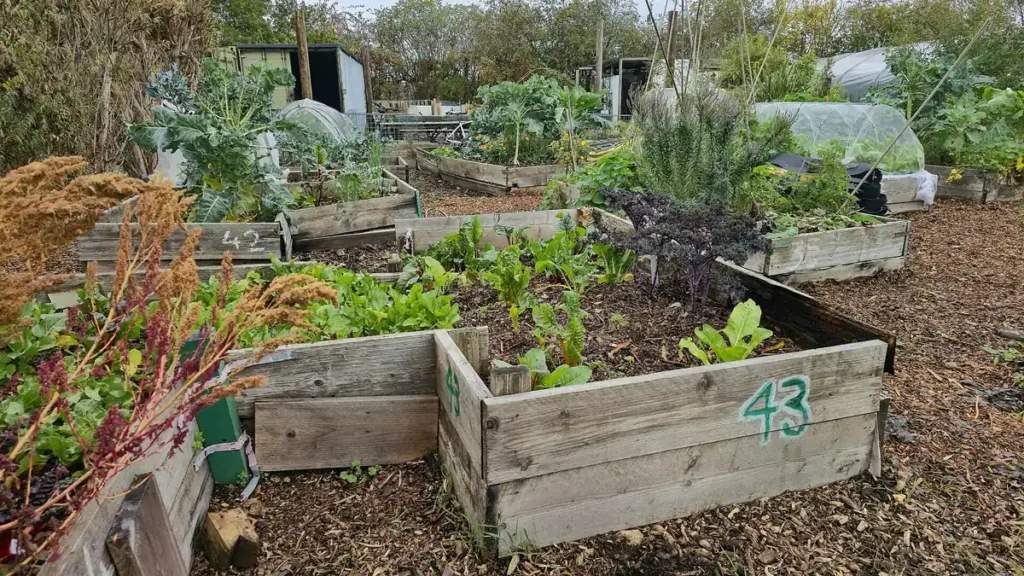
A new garden can turn a plain patch of ground into a place for fresh food, flowers, and quiet evenings outside. It can also get expensive fast. Plants, soil, timber, tools, and labour add up before the first seed is in the ground. A good garden does not need a large budget. It needs a clear plan, a few smart choices, and the patience to build it in stages.
Start With a Plan and a Real Budget
Before you buy anything, decide what the garden is for. A vegetable patch, a play area, a seating corner, and a flower border all need different things, and squeezing them all into one small plot is how budgets blow out. Sketch the space, mark where the sun falls, and note which areas stay damp after rain. That sketch stops you buying plants for a shady corner where they will never thrive.
Set a total budget and split it into soil and compost, plants and seeds, hard materials, tools, and watering. Give each part a limit and keep a running total as you shop. Leave about a tenth unspent for surprises, from a hidden patch of rubble to a plant that needs replacing. When you know your number, it is much easier to say no to an impulse buy.
Keep the Layout Simple
Complicated shapes cost more. Curved beds, raised walls at different heights, and winding paths need more material, more cutting, and more labour than straight lines and simple rectangles. A clear grid of beds and paths looks tidy, is easy to maintain, and wastes very little. Start with fewer beds than you think you need; you can always add another next season.
Work with the ground you have instead of fighting it. A gentle slope can become a terraced bed with a few reclaimed boards, and a damp corner can hold plants that like wet soil rather than an expensive drainage fix. Keep the main path wide enough for a wheelbarrow, and make the rest simple: bark, gravel, or stepping stones on sand. Fancy paving can wait.
Spend Less on Plants
Plants are usually the biggest cost in a new garden, and the easiest place to save. Seeds cost a fraction of grown plants, and many vegetables, herbs, and annual flowers grow quickly from seed with very little skill. Start them indoors on a windowsill or in a cheap tray, then move them outside when they are strong enough. One packet of seeds can fill a whole bed.
Buy small plants rather than large ones. A young shrub in a small pot usually catches up with a larger, dearer one within a year or two, and settles into new soil more easily. Look for end-of-season sales, plant swaps, and cuttings from friends. Many herbs, geraniums, and succulents grow readily from a single cutting, and a free cutting often comes with free advice.
Save on Soil, Mulch and Materials
Good soil is worth paying for, but you rarely need as much bought soil as you think. Improve what you have first: dig in homemade compost, well-rotted manure, or leaf mould, and it will feed your plants for months. A compost heap turns kitchen scraps and garden waste into free compost, and many councils give compost away or sell it cheaply. Mulch with bark, straw, or leaves to hold moisture and keep weeds down.
For timber, stone, and other hard materials, look beyond the garden centre. Reclaimed bricks, old paving slabs, and timber offcuts from building sites and online marketplaces often cost little or nothing. Pallets can become compost bins, raised beds, or planters with a little work. Check what friends and neighbours are clearing out first, and compare prices if you do buy new.
Trellises and supports are another easy saving. A simple frame of bamboo canes or reclaimed timber does the same job as a shop-bought one at a fraction of the price. If you are planning a climbing plant feature, read our guide on how to save money on a new garden trellis before you buy, so the structure fits your budget as well as your plants.
Do the Right Jobs Yourself
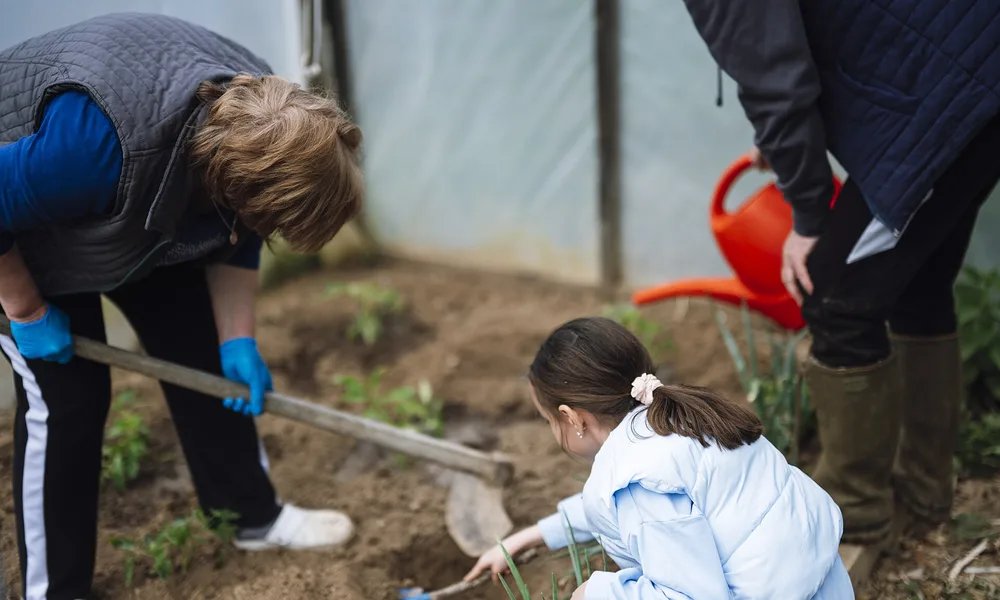
Labour is often the largest hidden cost, and doing the work yourself is the fastest way to cut it. Digging beds, planting, mulching, laying paths, and building simple raised beds are jobs most people can manage over a few weekends. Borrow tools from neighbours or hire them for a day instead of buying a full set for one job. A shared tool library can save hundreds.
Know where to stop, though. Heavy lifting, tree removal, electrical work, and anything involving gas or water mains should go to a professional. A mistake with a large tree or a buried cable costs far more than the saving. Get quotes for the skilled jobs, do the simple preparation yourself, and ask what you can do in advance to cut their time on site.
Fences frame the whole garden and can swallow a large share of the budget, so plan them early rather than as an afterthought. Our guide on how to save money on a new garden fence explains how to choose materials, time the purchase, and share costs where a boundary is shared.
Water Wisely and Keep Costs Down
Drip irrigation and soaker hoses use far less water than sprinklers because they deliver it straight to the roots, and they cost little to set up. Fix leaks quickly, use a watering can for pots instead of a hose, and let the lawn go brown in a dry spell; grass usually recovers when rain returns. For more ideas, see our guide on how to save money on your water bill.
Buy at the Right Time
Garden centres discount heavily at the end of the season. Plants, pots, furniture, and tools are often reduced by a third or more in late summer and autumn as shops clear space. Buy perennials and shrubs then, plant them while the soil is still warm, and they will be established by spring. Bare-root plants in the dormant season are also much cheaper than the same plants in pots in spring.
Your Money-Saving Checklist
- Sketch the layout and set a budget with a small reserve.
- Start plants from seed and buy young plants.
- Make compost at home and mulch beds.
- Use reclaimed timber, brick, and stone first.
- Do the digging, planting, and simple building yourself.
- Collect rainwater and water early or late.
- Buy plants and tools in end-of-season sales.
- Add one bed or feature at a time.
Frequently Asked Questions
How much does a new garden cost?
It depends on the size and what you include, but a small garden built in stages with seeds, home compost, and reclaimed materials can cost very little. The largest costs are usually soil, hard materials, and hired labour, so a simple layout and doing the work yourself brings the total down fast.
Is it cheaper to start a garden from seeds or plants?
Seeds are much cheaper and give you far more plants for the money, especially for vegetables, herbs, and annual flowers. Buying small plants is a good middle ground for shrubs and perennials that take longer to grow.
The Bottom Line
A new garden does not need a big budget to be a good garden. Plan the layout, start small, grow from seed where you can, reuse materials, and do the straightforward jobs yourself. Spend only where it makes a real difference, such as good soil and the right plants for the spot, and let the garden grow with you season by season.

Keep what speaks to you.
Leave room for your own perspective.