A wedding should feel like a celebration, not a bill that follows you home. Most of the money goes on just a few big decisions: the venue, the food, the drink and the details. Small, smart choices on the day itself can cut the total by a third or more, and your guests will remember the atmosphere, not the price tag. If you are still working out how to pay for it all, our guide to saving for a wedding without debt covers the planning side.
1. Pick a Venue That Does More Than Look Pretty
The venue is usually the single biggest wedding cost, and it sets the price of almost everything else. A grand hotel ballroom charges for the room, the catering, the bar and often a minimum spend on top, while a village hall, a community centre or a restaurant with a private room can cost a fraction of that. Look for venues that let you bring your own caterer and drink, since that one freedom can save more than any other choice here. Also ask what is included, as tables, chairs and lighting all cost extra if hired separately.
2. Marry Off-Peak
A Saturday in June is the most expensive day to get married, and venues know it. The same room on a Friday, a Sunday or a weekday can cost half as much, and photographers, bands and caterers all offer lower rates outside peak season. A winter wedding brings the same savings, and low golden light photographs beautifully. Give guests plenty of notice, since some may need a day off work. It is the same thinking behind the best ways to save money on holidays: going when everyone else is not is almost always cheaper.
3. Trim the Guest List With a Clear Rule
Every extra guest costs you a meal, a drink, a chair and a favour, so the guest list is where the budget is really decided. Cutting twenty guests can save more than haggling over flowers or music. The kindest way to decide is a clear rule applied to everyone, such as inviting only people you have both spoken to in the last year. Agree it together before writing any names, and stick to it even when it feels awkward. A smaller wedding also feels warmer: you actually talk to everyone there, and the day belongs to you rather than to an audience.
4. Rethink the Food, Not the Feast
Food is the second-biggest cost after the venue, and a formal three-course sit-down meal is the most expensive way to feed a crowd. A buffet, a family-style sharing menu or food stations cost far less per head, and guests usually enjoy them more because they choose what they like and go back for seconds. A hog roast, a barbecue or a street-food van can feed a hundred people for a fraction of a plated dinner.
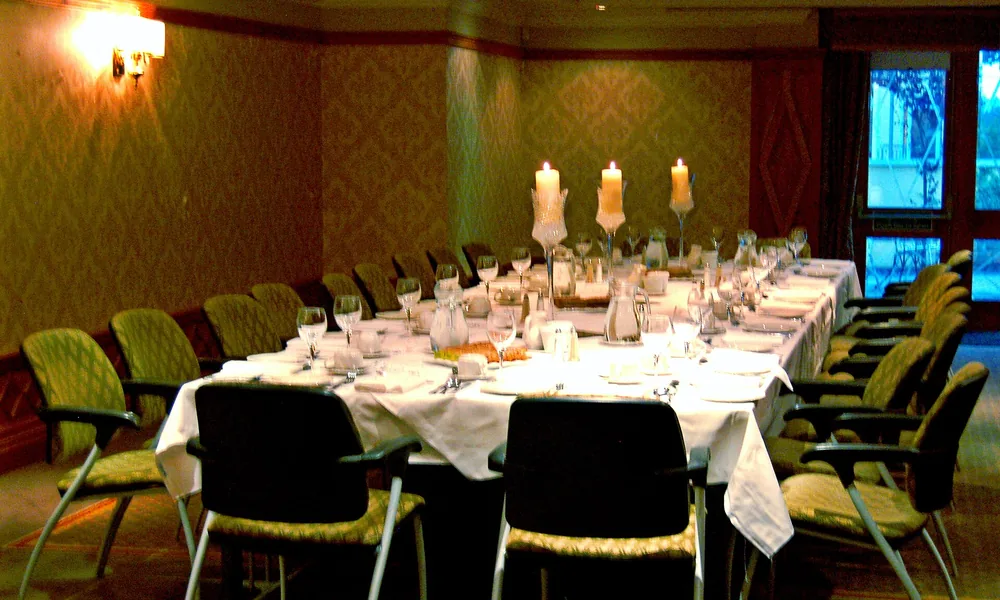
Talk to your caterer about where the money actually goes. One generous main course and a simpler starter, or a dessert table instead of individual puddings, can cut the bill sharply. Serve the wedding breakfast a little later and skip a separate evening buffet. Guests remember whether the food was tasty and plentiful, not how many plates it arrived on.
5. Serve a Signature Drink Instead of a Full Bar
An open bar is one of the fastest ways to burn through a wedding budget, and a cash bar can feel mean. The middle ground is a signature drink: one cocktail, a good wine and a beer, plus soft drinks and water. It feels generous and considered, and it costs a fraction of stocking a full bar with spirits nobody orders. Buy your own wine and fizz from a supermarket or wholesaler if the venue allows it, and ask about corkage rather than paying the venue’s per-bottle price.
6. Let the Cake Do Double Duty
A grand multi-tier wedding cake can cost hundreds, and most of it ends up in boxes or in the bin. A smaller display cake, with plain sponge cakes behind the scenes to serve guests, gives you the same photographs for a fraction of the price. Or skip the traditional cake altogether: a tower of cupcakes or a table of doughnuts is cheaper, easier to serve and often more popular. Serve the cake as the dessert or with the evening food so it replaces a course rather than adding one.
7. Choose Flowers That Are in Season and Local
Flowers can cost a small fortune when they are flown in out of season. Roses in December or peonies in February carry a premium, while seasonal, locally grown flowers cost far less and look fresher. Talk to your florist about what is in season on your date and let them guide you, rather than arriving with a fixed list of expensive blooms. Use fewer, bigger arrangements instead of dozens of small ones: a few bold displays on the top table and the entrance make more impact than a small vase on every table. Reuse the ceremony flowers at the reception, so you only pay for one set.
8. Borrow, Hire and Reuse the Details
Wedding details add up fast: vases, candle holders, table numbers, signs, lanterns and fabric. Buying them all new for one day is wasteful when most of it can be borrowed or hired. Ask friends and family what they already own, check local buy-and-sell groups for second-hand decorations, and hire the big items, such as arches and linen, instead of buying them. Keep the decorations simple and let the venue do the work: a room with character needs very little dressing, while a plain room can be transformed with fairy lights and greenery alone.
9. Keep the Music Simple
A live band is lovely, but it is also one of the priciest items on a wedding bill. A good DJ costs less, and a carefully made playlist on a hired sound system costs less still. Ask a friend with good taste to handle the evening music, or hire a professional for the first dance and the party, and use a playlist for the ceremony and the drinks reception. Music matters most at two moments: walking down the aisle and the first dance. A single guitarist or pianist can cover the ceremony beautifully for the price of a few hours.
10. Skip the Extras Guests Forget by Dessert
Wedding favours, fireworks, photo booths and chair covers all sound charming in a brochure, but guests rarely remember them the next day. Favours in particular are often left on the table, which means you paid for something nobody wanted. Put that money towards the food, the drink or the music instead, where everyone will actually feel the difference. If you want a personal touch, choose one thing that means something to you both and do it well, such as a handwritten note at each place. One thoughtful detail beats ten expensive extras.
Bottom line
Saving money on a wedding is not about having a cheaper day; it is about choosing where the money goes. A venue that lets you bring your own food and drink, an off-peak date, a smaller guest list and a simpler menu will save you far more than cutting corners on the things people love. Spend on the room, the food and the atmosphere, and let the extras go. You will start married life without a wedding bill hanging over you. If you want that feeling to last, setting financial goals that actually stick is the natural next step once the confetti has settled.
Note: Prices vary by venue, season and location, so treat every figure here as a guide rather than a quote. Always get written quotes from your own suppliers before you commit.

Keep what speaks to you.
Leave room for your own perspective.