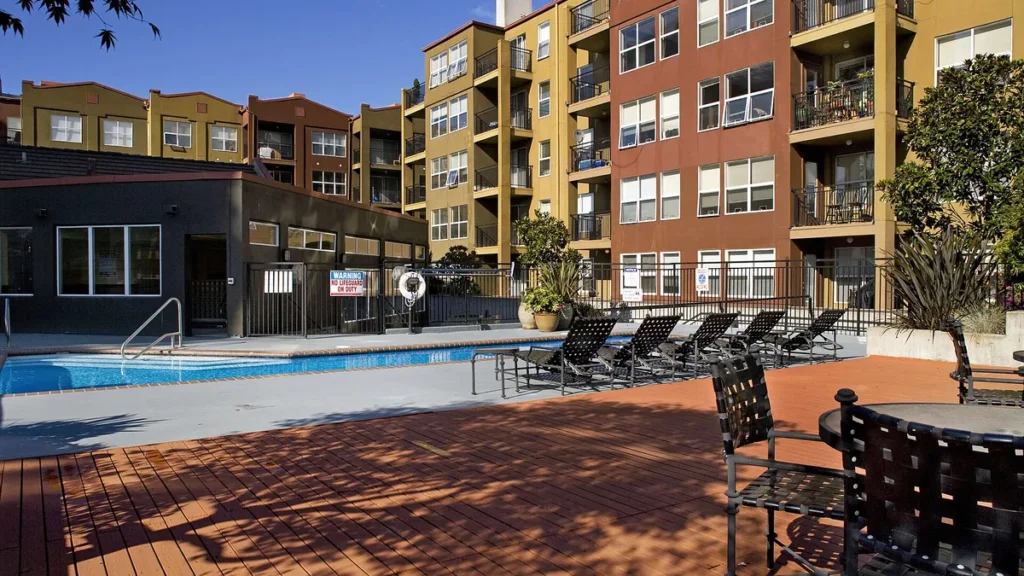
Rent is usually the largest single bill in a household budget, so even a small percentage cut can free up hundreds of dollars a month. In many households it takes a third or more of take-home pay, which leaves little room for saving, debt payments, or unexpected costs. That is why rent deserves a proper review at least once a year, rather than being treated as a fixed cost you simply accept. The good news is that rent is rarely fixed in stone. With the right timing, a willingness to compromise on space or location, and a clear picture of what a landlord values, many renters can lower what they pay without moving into a home they dislike.
Before signing anything new, read the lease carefully and keep every agreement in writing.
1. Negotiate Your Renewal
Landlords often prefer a reliable tenant who pays on time to the cost and risk of finding a new one.
Research similar homes nearby before you ask, and come with a calm, specific request rather than a complaint. A reduction of 5 to 10 percent is a realistic goal in many markets. On a $1,500 monthly rent, that is $75 to $150 a month, or $900 to $1,800 a year. Offer something in return, such as a longer lease or a quicker decision, and get any agreed rent in writing before the new term begins.
2. Share the Space With a Roommate
Sharing is the fastest way to cut rent, because it splits the largest cost in two. It also splits utility bills, internet, and household supplies, so the total monthly saving is often larger than the rent split alone. A shared home can therefore free up several hundred dollars a month, which makes it the single most powerful option on this list for many renters. A roommate can turn a $1,800 two-bedroom home into $900 each, saving $900 a month compared with living alone in a similar one-bedroom place.
The trade-off is privacy and shared responsibility. Choose someone whose habits, schedule, and finances you trust, and agree in advance on bills, cleaning, guests, and quiet hours.
3. Downsize to a Smaller Home
A smaller home usually means a smaller rent, lower utility bills, and less furniture to buy and maintain. Moving from a two-bedroom home to a well-planned one-bedroom, or from a one-bedroom to a studio, can save $200 to $500 a month in many cities.
Before you downsize, walk through your current home and list the rooms and corners you actually use each week. A spare room that holds boxes is expensive storage, not living space. Look for a smaller place with good storage, natural light, and a layout that works for your daily routine.
4. Move to a Cheaper Neighbourhood
Location is one of the biggest drivers of rent. Two homes of the same size can differ by hundreds of dollars a month simply because one sits near a popular high street or a busy transport hub. Before you rule a cheaper area out, spend a weekend there and compare the daily reality with the rent you would save. Moving a few stops further from the city centre, or to a quieter street in the same area, can cut rent by 10 to 30 percent for a similar home.
The trade-off is time and travel cost. Add up the extra commuting time and fares before you decide, and visit the area at different times of day. Check shops, safety, parks, and transport links, and test the commute during rush hour.
5. Time Your Move for the Off-Season
Rental demand rises in summer, when students move and families prefer to relocate before a new school year. In winter, fewer people move, and landlords with empty homes are often more willing to negotiate. Moving in the colder months can bring a lower starting rent, a free week or two, or waived fees.
The saving is hard to pin to one number, because it depends on the market, but a winter move commonly saves $50 to $200 a month compared with the same home listed at peak season.
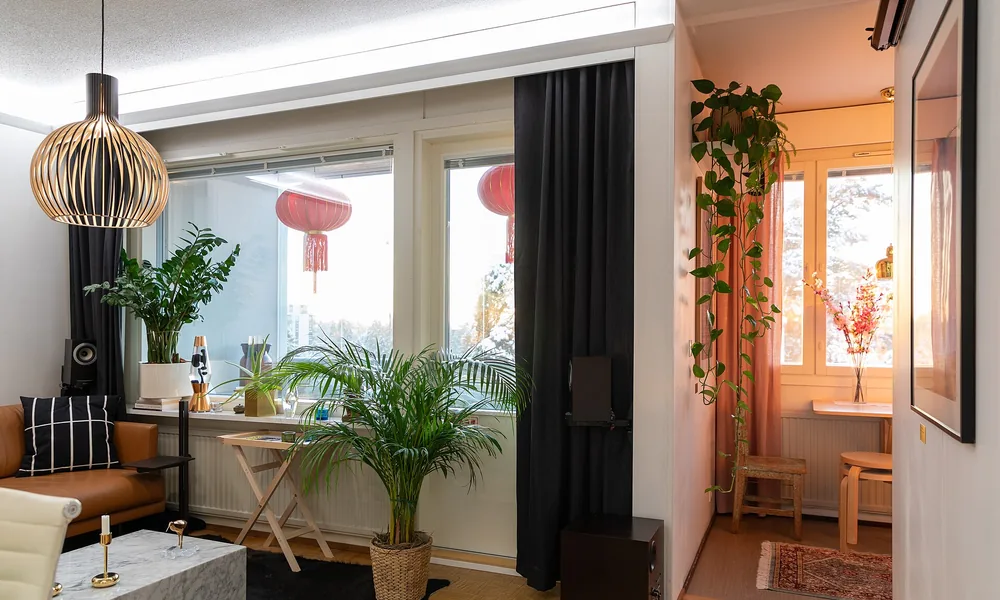
6. Offer a Longer Lease
A landlord who knows a home will be occupied for two years instead of one faces less risk and less turnover cost. Ask directly whether a longer term earns a lower rent, and put the question in writing so the answer is clear. Even a small discount adds up over two years, and a fixed rent also protects you from annual increases during that time.
The trade-off is flexibility. A longer lease makes it harder to move for a new job, a growing family, or a change in circumstances, and breaking a lease early can be expensive. Only sign a longer term if you are confident you will stay, and check the early-exit clause first.
7. Trade Skills or Help for a Lower Rent
Some landlords, especially owners of small buildings, value practical help. Light gardening, basic maintenance, cleaning shared areas, or managing parcels for a small block can be worth a monthly discount. A reduction of $100 to $300 a month is possible where the work is regular and clearly defined.
Keep the arrangement simple and written down. List exactly what you will do, how often, and what the discount is, and agree on what happens if either side wants to stop.
8. Cut the Add-Ons You Do Not Need
The headline rent is not always the whole bill. Parking spaces, storage units, pet fees, gym access, and premium appliance packages can add $50 to $250 a month. Review every line on your lease and your monthly statement, and drop the extras you rarely use.
A parking space you never use, a storage unit full of things you could sell or give away, or a paid amenity you visit twice a year are all easy savings.
9. Put the Saving to Work
Cutting rent only helps if the money you save does not drift into other spending. Set up an automatic transfer on payday so the saving leaves your spending account before you can spend it.
Deciding whether renting still suits you is part of the same calculation. Our guide to renting vs buying a home and which builds wealth faster can help you compare the long-term costs honestly. If your goal is a savings target, read how to save your first $10,000 for a simple plan that works alongside a lower rent. And if rent still feels tight after these cuts, the best ways to increase your income without a new job offer practical options for closing the gap from the other side.
How to Choose the Right Combination
Start with the low-effort wins: negotiate at renewal, drop unused add-ons, and time your next move well. These three steps alone can save many renters $100 to $300 a month without changing where they live at all. Once those are done, the bigger decisions become easier to judge, because you can see exactly how much more you still need to save. Then consider the bigger changes, such as sharing, downsizing, or moving to a cheaper area. Each step has a cost in comfort, time, or flexibility, so pick the mix that fits your life rather than chasing the lowest possible number.
Write down your current rent, the saving each idea could bring, and what you would give up for it.

Keep what speaks to you.
Leave room for your own perspective.