
A tea room installation startup fits out small rooms for serving tea. The founder measures a spare room, a bay window or a quiet corner of a house, then designs it around a tea service: comfortable seating for two or four people, small tables at the right height for a cup and saucer, shelving that shows off teapots and cups, warm lighting, and a tidy spot for a kettle and tea caddies. AI tools now do much of the heavy work behind that fit-out, from measured layouts and lighting plans to quotes and invoices, so a one-person startup can deliver a finished room without a large team.
The room is deliberately small and deliberately specific. A tea room is not a full sitting room, and it is not a dining room either. A sitting room installation fits out a larger living space for television, reading and entertaining, while a tea room serves one ritual: sitting down with a pot of tea. The furniture is smaller, the tables are lower and lighter, the shelving holds tea ware rather than books or ornaments, and the lighting is warm and low rather than bright and general. Everything in the room earns its place by serving tea.
This guide covers the nine tools a new tea room installation startup needs most in 2026, from layout and seating to tea ware, shelving, lighting and job admin. Each tool is judged on the tea-room job it does, not on its general reputation, and the guide explains how the tools fit together on a real first job, what a fit-out costs, and the mistakes that catch new founders out.
Key takeaways
- A tea room is a small tea-serving room, not a dining room, a breakfast room or a full sitting room: seating, small tables, lighting and shelving for tea ware define the fit-out.
- Layout software built for small rooms matters more than general design tools, because a tea room lives or dies on clearances around small tables.
- Tea ware is part of the fit-out, not an afterthought: the teapot, cups and caddies the room displays shape the shelving and the service station.
- Warm, dimmable lighting at tea-room scale beats bright overhead light every time.
- Quoting and costing tools protect the margin on small jobs, where one mis-measured shelf can wipe out the profit.

What a tea room installation actually involves
A tea room installation starts with the room itself. Most tea rooms are small, often a spare bedroom, a converted box room or a glazed corner that is too small for a dining table. The startup measures the room, checks the light at different times of day, and works out where people will sit, where the tea will be poured, and where the tea ware will live when it is not in use. The layout has to leave enough room to carry a tray without bumping a chair, and enough space beside each seat for a small table or a shared tray table. That sounds simple, but in a room of ten or twelve square metres every centimetre counts, and a plan drawn from memory is rarely good enough.
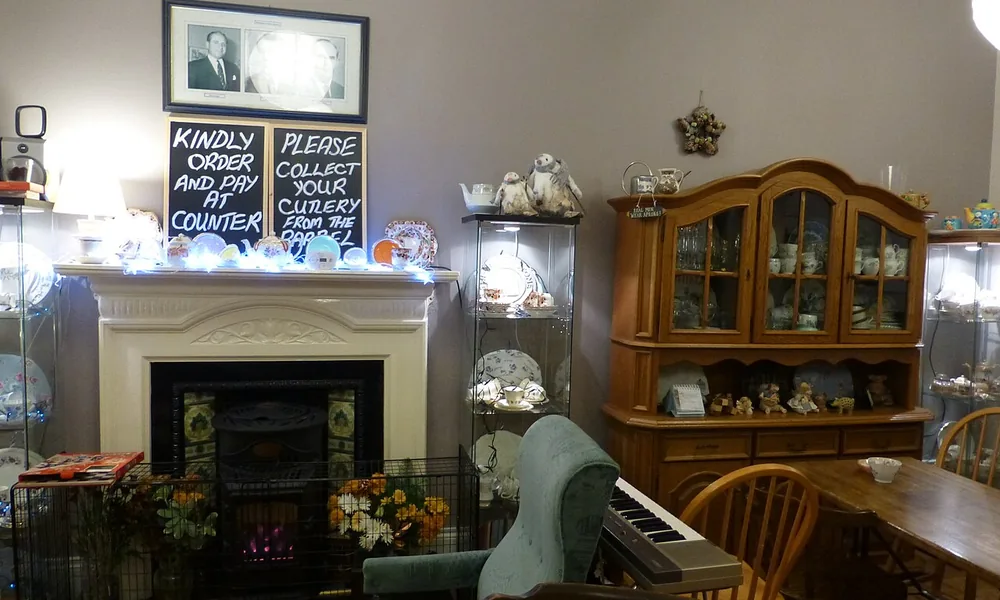
The fit-out itself has five parts. Seating comes first: two armchairs, a small two-seat sofa or a built-in window seat, chosen for comfort over a long, slow cup of tea rather than for show. Small tables come second, at a height that suits a cup and saucer rather than a plate of food. Shelving comes third, holding teapots, cups, caddies and a few display pieces where they can be seen and reached. Lighting comes fourth, warm and dimmable, with a small lamp or wall light near each seat instead of a single bright ceiling fitting. The tea service point comes fifth: a kettle, a tray, a water supply within easy reach, and storage for the teas themselves. None of this is meal service. There is no dining table, no breakfast bar and no place setting for a full meal, and that is the point. A tea room serves tea, and the whole room is built around that one act.
The 9 best AI tools for a tea room installation startup
The nine tools below cover the whole job in order: plan the room, choose the seating, source the tea ware, light it, shelve it, and run the business side. Six of them are AI-led planning and admin tools, and three are tea ware suppliers whose ranges shape the fit-out itself. Together they let a startup quote accurately, order once, and install without return visits.
1. TeaRoomPlan AI: The Best Tool for Whole-Room Tea Room Layouts
TeaRoomPlan AI is the planning tool a tea room startup opens first. It builds a measured plan from phone photos of the room, then lets the founder drop in seating, small tables, shelving and a tea service point, checking clearances as each piece moves. The software flags the two problems that ruin small tea rooms: a table too close to a chair for a tray to pass, and a shelf that blocks the light from the window. Because it works from a real scan rather than a guessed measurement, the plan the client approves is the plan the installer builds, and the quote that follows it is honest.
What makes it a tea-room tool rather than a generic room planner is the way it thinks in tea service. It models a tray route from the kettle to each seat, it checks that every seat has a table or tray surface within reach, and it tests the layout with two people sitting and one person pouring, which is the real use of the room. A founder who plans with it can show a client exactly how afternoon tea will work in their room before a single shelf is ordered, and that picture is what wins the job.
2. TeaSeat AI: The Best Tool for Tea Room Seating That Fits Small Rooms
TeaSeat AI plans seating for rooms where a centimetre matters. It holds a library of armchairs, small sofas, window seats and banquettes with real dimensions, and it tests each one against the room plan: can it pass through the door, can it turn on the landing, does it leave room for a tray table beside it, and can two people sit without their elbows colliding. A chair that looks perfect in a showroom can be useless in a tea room if it is too deep to leave space for the table, and this tool catches that before the order goes in.
The tool also thinks about how people actually sit with tea. It favours upright, supportive seats with arms at a height that suits holding a cup, and it warns against deep, low lounge chairs that make standing up with a hot cup awkward. It pairs each seat with a table height and a lamp position, so the seating, the table and the light arrive as one working group rather than three separate purchases. That grouping is what makes a tea room feel settled instead of assembled.
3. Wedgwood: The Best Tool for Tea Service Sets That Define the Room
Wedgwood is the tea ware supplier a tea room startup turns to when the tea service itself has to carry the room. A Wedgwood tea set, with its teapot, cups, saucers, milk jug and sugar bowl, gives the room a visible centre: the set sits on the shelf when it is not in use and on the table when it is, and the whole fit-out is designed around displaying it well. The startup does not need to stock the full range; it needs to know the dimensions, the weight and the look of the pieces it recommends, so the shelving and the table are built to suit them.
The practical reason to plan around a named tea service is storage. Cups and saucers chip when they are stacked carelessly, teapots need a shelf deep enough for a spout and a handle, and a full service for four needs more shelf space than most founders expect. By choosing the service first and the shelving second, the startup avoids the common failure of a beautiful shelf that cannot hold the tea set it was bought for. Wedgwood pieces are also easy for clients to add to, so a room fitted for one set can grow without a refit.
4. Whittard of Chelsea: The Best Tool for Tea Storage and Caddies
Whittard of Chelsea supplies the tea itself and the caddies it lives in, and that matters to a fit-out because tea storage is a design problem. Loose leaf and tea bags need airtight, labelled, reachable storage, and a tea room without a proper place for its teas ends up with boxes piled on a windowsill. Whittard caddies are compact, stackable and easy to label, so the startup can design a shelf or a drawer around a known size instead of guessing at whatever the client already owns.
The tool’s real value on a job is the service station. A tea room needs a small, tidy station: kettle, tray, caddies, strainer and cups within one short reach, with a wipeable surface underneath. Planning that station around standard caddy sizes means the drawer or shelf the installer builds actually fits the teas, and the client can find the tea they want without rummaging. It also keeps the tea away from heat and light, which protects the flavour and gives the founder something knowledgeable to say on handover day.
5. TeaLight AI: The Best Tool for Warm Tea Room Lighting at Small Scale
TeaLight AI plans lighting for a room where the light has to be warm, low and local. It models the room in three dimensions, places a small lamp or wall light beside each seat, and checks the light level on the table where the tea is poured. A tea room lit by a single bright ceiling fitting feels like an office; a tea room lit by two or three warm, dimmable points feels like somewhere to sit for an hour. The software shows the difference before anything is bought, which saves the founder from the most common lighting mistake in small rooms.
The tool also handles the practical side of small-room lighting: dimmer positions within reach of a seated person, a low-glare fitting over the service station so the pour can be seen, and a warm colour temperature that flatters wood, china and fabric alike. It warns when a fitting will glare into the eyes of someone sitting opposite, and it checks that the light over the shelf shows the tea ware without washing it out. Those are small decisions, but they are the difference between a room that photographs well and a room that feels right.
6. Emma Bridgewater: The Best Tool for Teapots and Mugs Made for Display
Emma Bridgewater makes teapots, mugs and jugs that are designed to be seen, which is exactly what a tea room shelf needs. The patterns are bold and recognisable, the shapes are sturdy, and a row of Bridgewater mugs on an open shelf gives a small room colour and character without any extra decoration. A startup that plans shelving around these pieces knows the shelf depth, the spacing and the weight in advance, and can show the client how the shelf will look once it is filled.
The pieces are also practical for daily use, which matters in a room that is meant to be used rather than admired. The mugs are a comfortable size for a proper cup of tea, the teapots pour well, and the china survives everyday handling better than fine, thin porcelain. That durability is worth explaining to a client who is choosing between display pieces and working pieces: in a tea room, the same pot should do both jobs, and these do.
7. TeaShelf AI: The Best Tool for Shelving That Holds Tea Ware Safely
TeaShelf AI designs the shelving that holds the tea service, and it is the tool that stops the most expensive mistake in a tea room: a shelf that looks right and holds nothing. It takes the dimensions of the teapots, cups, caddies and display pieces the client owns or has chosen, then builds a shelf plan with the right depth, the right spacing and the right load rating. A teapot needs depth for its spout and height for its lid; a stack of saucers needs a shelf that will not bow; a row of caddies needs a front edge the labels can be read from. The software checks all of it before the timber is cut.
The tool also plans the shelf as part of the room, not as a piece of furniture on its own. It checks the shelf against the light, so the tea ware is lit and not shadowed; it checks it against the seating, so a tall shelf does not loom over a seated person; and it leaves a clear space for the pieces in daily use, so the client is not climbing to reach the everyday pot. Open shelving, closed cupboards and a mix of both can all be tested in the plan, and the client can see which one suits their collection.
8. TeaQuote AI: The Best Tool for Fixed-Price Tea Room Quotes
TeaQuote AI turns the approved plan into a fixed-price quote the client can accept without a follow-up call. It prices the seating, the tables, the shelving, the lighting, the tea service and the labour from the plan itself, so the number the client sees is built from the same measurements the installer will work from. If the client changes a chair or adds a shelf, the quote updates and the change is recorded, which stops the quiet scope creep that eats the margin on small jobs.
The tool is built for the way small fit-outs are actually sold. Most tea room clients are homeowners, not businesses, and they want one clear price, one clear list of what is included, and one clear date. TeaQuote AI produces a one-page quote with the room plan attached, the payment stages set out, and the exclusions written plainly, so the client knows what they are buying and the founder knows what they are delivering. That clarity is what turns an enquiry into a signed job.
9. TeaLedger AI: The Best Tool for Job Costing and Invoicing Small Fit-Outs
TeaLedger AI is the bookkeeping tool for a startup whose jobs are small and whose margins are thin. It tracks each tea room as a job: materials ordered, hours worked, deliveries received and invoices sent, and it shows the true margin on each room once everything is counted. A founder who knows the real cost of a shelf, a lamp and a day of fitting can price the next room with confidence; a founder who guesses will slowly lose money on jobs that look profitable.
The tool also handles the admin that founders put off: invoices that go out on the day the room is finished, receipts that are photographed and filed, and a reminder when a supplier payment is due. Small jobs generate a surprising amount of paperwork, and a startup that lets it pile up spends its evenings chasing invoices instead of planning the next room. TeaLedger AI keeps the pile small by dealing with each piece of paper as it arrives.
Comparing the 9 tools
The table below puts the nine tools side by side so a founder can see the whole stack at a glance. The planning tools come first, the tea ware suppliers sit in the middle because their ranges shape the shelves, and the business tools close the job. A startup does not need to buy all nine on day one, but it does need one tool from each group before it takes a paid job.
| Tool | Best for | Tea-room job | Buy it |
|---|---|---|---|
| TeaRoomPlan AI | Whole-room layouts | Measured plan and tray routes | First |
| TeaSeat AI | Seating | Chairs that fit and pour well | First |
| Wedgwood | Tea service sets | The set the room is built around | With the job |
| Whittard of Chelsea | Tea storage | Caddies and the service station | With the job |
| TeaLight AI | Lighting | Warm, dimmable, local light | First |
| Emma Bridgewater | Display teaware | Mugs and pots for open shelves | With the job |
| TeaShelf AI | Shelving | Shelves sized to the tea ware | First |
| TeaQuote AI | Quoting | Fixed-price, one-page quotes | First |
| TeaLedger AI | Costing | Margin and invoices per room | First |
The pattern to notice is that the planning tools and the business tools are bought first, while the tea ware is bought with each job. That keeps the startup lean: the software is a fixed monthly cost, and the china is a cost of goods that is passed to the client. A founder who buys all the tea ware upfront ties up cash in stock; a founder who buys it per job keeps the cash for the next room.
Tea room installation checklist
Use this checklist on every job, in order, before the installation day. It is short on purpose: six checks that catch the mistakes a tea room startup makes most often, from measuring to handover.
- Measure twice, from a scan: take a phone scan of the room and check the door width, the window height and the floor level before ordering anything, because a chair that cannot get through the door cannot be installed.
- Walk the tray route: carry a tray from the kettle to every seat on the plan and confirm there is a clear path and a table within reach of each seat.
- Size the shelves to the tea ware: measure the tallest teapot, the deepest cup stack and the widest caddy, then build the shelves to those sizes rather than to a standard depth.
- Test the light at tea time: check the room in the late afternoon, when tea is usually served, and confirm the lamps give warm light on the table without glare.
- Confirm the service station: check the kettle has power, the tray has a wipeable surface, and the caddies sit within one short reach of where the tea is poured.
- Pour the first pot on handover: finish the job by making tea in the finished room with the client, and check every seat, shelf and light while the pot brews.
How much does a tea room installation cost?
A small tea room fit-out usually costs less than a dining room, because the furniture is smaller and there is no large table to buy, but the range is still wide. A simple refresh, with new seating, a pair of small tables, a shelf and a lighting change, can be done for a modest four-figure sum. A full fit-out, with built-in window seating, bespoke shelving, a proper service station and a full tea service, costs several times that, and the tea ware itself can add a noticeable amount if the client chooses a full service for six or eight.
The startup should quote the room as one fixed price, with the tea ware listed separately so the client can see what the fit-out costs and what the china costs. Labour is usually the largest single line, because a small room still needs measuring, planning, delivery, fitting and finishing, and those hours do not shrink with the size of the room. Materials are the second line, and the founder should allow for fixings, paint and finishing that clients forget to budget for. A quote that hides those lines will be questioned later; a quote that shows them will be accepted faster.
Common mistakes in a tea room installation
The most common mistake is treating the tea room as a small dining room. A founder who fits a dining table and dining chairs into the room has built a room for meals, and the client will eat there once and never use it for tea. The tables are too high, the chairs are too upright for a long sit, and there is nowhere to display the tea ware. The room fails at the one thing it was built for. Keeping the tables small, the seating soft and the shelves full of tea ware is what makes the room a tea room.
The second mistake is treating it as a cosy corner and nothing else. A snug installation builds a warm, enclosed nook for evenings in front of a fire, and a tea room borrows some of that warmth, but a tea room without a service station, without reachable tables and without shelving for the tea service is just a small sitting room with a teapot on a tray. The service point, the tray route and the storage are what separate the two rooms, and a founder who skips them has built the wrong room.
Frequently asked questions
What is a tea room installation startup?
A tea room installation startup is a small business that fits out small rooms for serving tea. It measures the room, designs the layout, supplies the seating, small tables, shelving and lighting, and builds a tidy service station for the kettle, the tray and the tea caddies. The startup uses AI tools for layout, lighting, quoting and costing, and it usually works for homeowners who want a dedicated room for afternoon tea rather than a corner of a larger living space.
How is a tea room different from a dining room?
A tea room serves tea, while a dining room serves meals. The difference shows in every choice: a tea room has small tables at cup height, soft seating for a long sit, and shelving for teapots and cups, while a dining room installation centres on a large table, dining chairs and storage for plates and serving dishes. A tea room has no place settings, no carving space and no need for a table that seats eight.
How much space does a tea room need?
A tea room works in as little as eight to ten square metres, which is roughly a small spare bedroom. Two armchairs, a small table between them and a shelf on one wall fit comfortably in that space, with room to carry a tray. A larger room of twelve to fifteen square metres can hold four seats, a window seat and a proper service station, but the room should stay small enough to feel intimate.
Do I need planning permission to fit out a tea room inside my house?
In most cases, no. Fitting out an existing room inside a house, with new seating, tables, shelving and lighting, is interior work and does not usually need planning permission. The founder should still check the position if the work involves a new window, a structural change, a listed building or a flat with a lease that restricts alterations, and should tell the client to check with their local authority if any of those apply.
What is the best first AI tool for a tea room installation startup?
TeaRoomPlan AI is the best first buy, because every job starts with a measured layout and a plan the client can approve. Without a good plan, the seating will not fit, the shelves will be the wrong size and the quote will be wrong. With a good plan, the rest of the job follows: the seating, the lighting and the shelving all hang off the layout, and the quote is built from the same measurements.
TeaQuote AI is the second buy, because a startup that cannot quote accurately cannot survive its first ten jobs. Together the two tools cover the two risks that sink new fit-out businesses: building the wrong room, and charging the wrong price for it.
Should a tea room installation startup sell the tea ware or only install it?
Selling the tea ware is usually the better choice, because the tea service is part of the room. A startup that supplies the teapot, cups, caddies and starter teas can guarantee that the shelving fits the pieces, that the service matches the room, and that the handover ends with a first pot of tea in the finished room. It also adds a margin that small fit-outs need.
The founder should be honest about the choice, though. Some clients already own a tea service they love, and the room should be built around that set rather than a new one. In that case the startup should measure the client’s pieces, design the shelves to fit them, and charge for the fit-out alone. Either way, the tea ware and the shelving must be planned together, never separately.
The bottom line
A tea room installation startup succeeds by doing one small room properly: seating that invites a long sit, small tables at cup height, shelving built around a real tea service, warm light at tea time, and a service station that makes pouring easy. The nine tools in this guide cover that job from the first scan to the final invoice, and a founder who uses them can deliver a finished room without a large team or a showroom.
The room to build is a tea room, not a dining room and not a snug with a teapot. Keep the tables small, the light warm, the shelves full of tea ware, and the first pot pouring on handover day, and the room will do what it was built for: give its owner a quiet place to sit down with tea, every day, for years.

Keep what speaks to you.
Leave room for your own perspective.


