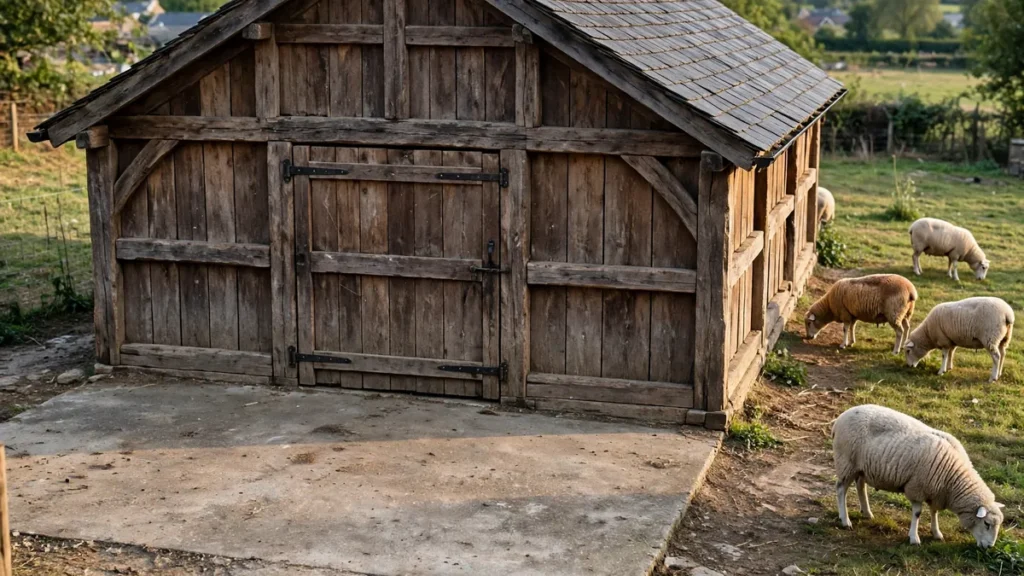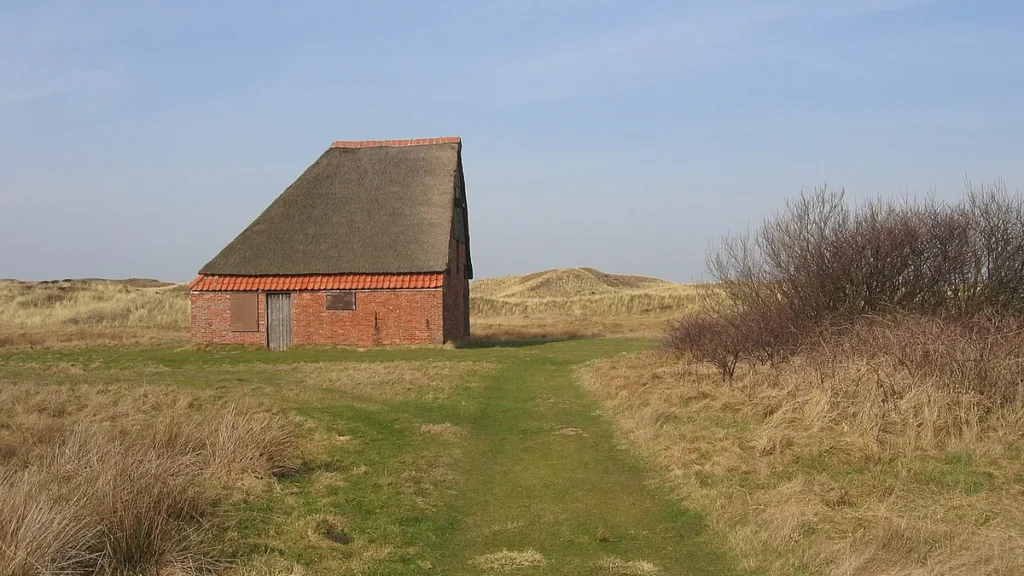
The best AI tools for sheep shelter installation startups in 2026 decide whether a new building business becomes the first call every shepherd in the county makes when the flock outgrows its old barn, or just another contractor who once put up a shed and hoped the ewes would settle in it. A sheep shelter is not a barn with a smaller door. It is a working livestock building where a flock lives, eats, lambs and shelters for much of the year, and every mistake in the design shows up fast: a pen that is too tight for a ewe with twins, a feed passage a tractor cannot turn in, a lambing bay with nowhere warm and dry for a newborn lamb, ventilation that leaves the air damp and the bedding wet, fencing a ewe pushes through on the first night.
Owners notice all of it, and they talk to other owners at the feed merchant, at the market and in the shepherding groups online. A shelter that keeps lambs alive through a cold snap earns you the next three jobs in the valley. A shelter that leaves ewes coughing in stale air costs you the next three. That is why the software matters as much as the timber and the steel. The tools below help a startup design the building properly, price it honestly, build it in the right order and hand over a shelter the flock actually thrives in.
This guide covers the whole job, not just the drawing board. You will find design and visualisation tools for the shed itself, flock and grazing software that tells you how big the pens and lambing bays really need to be, fencing and identification tools that keep the flock where it belongs, climate control for the lambing shed, and estimating software that keeps the quote profitable. Each tool earns its place by solving a specific sheep-shelter problem, and together they form a stack a one-person startup can run from a laptop and a phone.
Key Takeaways
- A sheep shelter is a livestock housing building built around pens, a feed passage, lambing bays, ventilation and bedding — design the inside first and the walls second.
- Size lambing bays and pen space from the flock’s real lambing calendar, not from a guess, or the shed will be full before the busiest week of the year.
- Ventilation and drainage decide whether lambs stay healthy; a dry, fresh-air shed beats a warm, damp one every time.
- Virtual fencing and electronic identification let a small startup offer grazing and flock services that win repeat work beyond the build.
- Quote the shed from a measured takeoff, not from a round number, and track every variation so the job stays profitable.
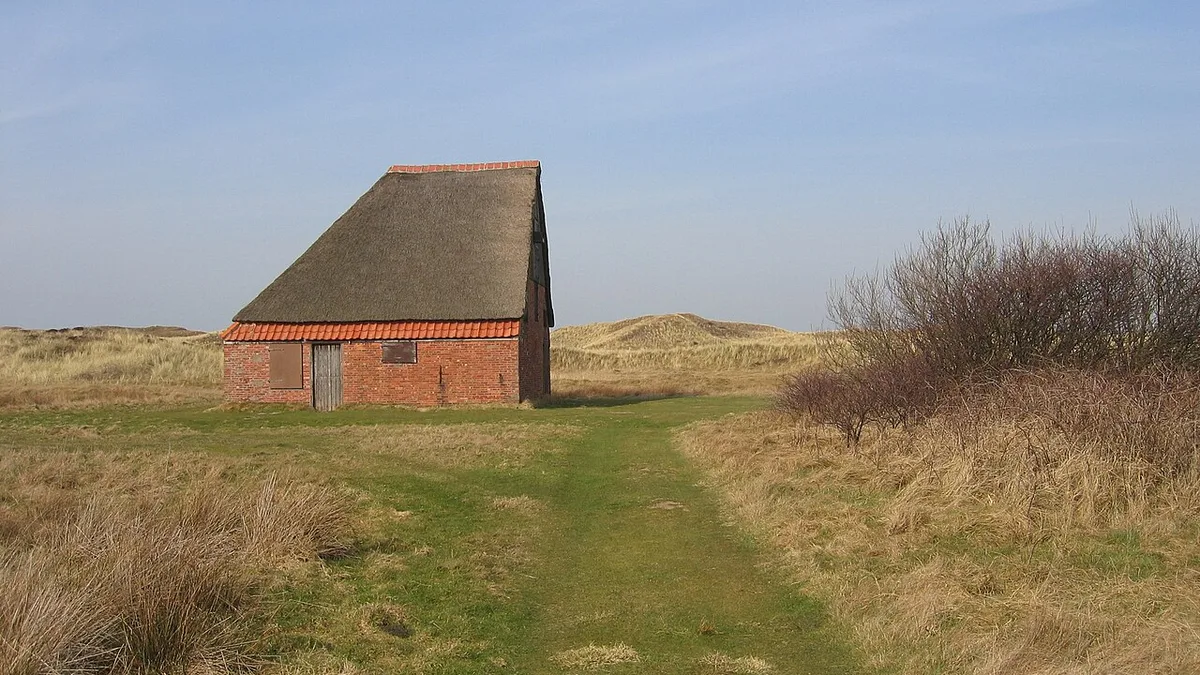
Best AI Tools for Sheep Shelter Installation Startups Compared
| Tool | Best for | Sheep-shelter job | Starting point |
|---|---|---|---|
| Cedreo | 3D shed design | Pen layouts and client renders | Free trial, then paid plans |
| Planner 5D | Floor plans | Feed passage and lambing bay sizing | Free plan, then paid plans |
| Twinmotion | Visualisation | Walkthroughs that win sign-off | Free for personal use, then paid |
| Farmbrite | Flock records | Breeding and lambing calendars | Paid plans |
| AgriWebb | Grazing plans | Paddock rotation and shelter siting | Paid plans |
| Allflex | Identification | EID tags and lambing records | Hardware plus software |
| Vence | Virtual fencing | Rotational grazing without fixed fences | Subscription |
| Fancom | Climate control | Ventilation for the lambing shed | Quote-based |
| Buildxact | Estimating | Takeoffs, quotes and job costing | Free trial, then paid plans |
What Makes a Sheep Shelter Installation Startup Different
A sheep shelter installation startup is not a general shed business with a different sign on the van. The building has to work for animals that lamb in it, and lambing is the hardest week of the shepherd’s year. Ewes need individual pens for the first day or two after lambing, then group pens as the lambs strengthen. The feed passage has to let a tractor or a barrow through without disturbing the pens. The bedding has to stay dry enough that lambs do not chill. None of that is true of a storage shed, and only some of it is true of other livestock buildings.
The closest cousin to this trade is the goat shelter installation startup, where small-stock pen layout and kidding pens matter in a similar way — but goats climb, push and test every fence and gate, while sheep flock, follow and pile into corners when they are frightened. A pen that holds goats may still fail sheep, because sheep need wider gates for a ewe with twins, lower stress handling, and a lambing bay layout that lets the shepherd reach every ewe quickly at two in the morning. The design tools have to model sheep behaviour, not just draw rectangles.
An open-fronted field shelter is a different building again. It gives horses or cattle shade and a windbreak, and the animal walks in and out as it pleases. A sheep shelter is an enclosed working building with doors, pens, a feed store and often a handling race. The materials list is longer, the build takes weeks rather than days, and the client judges the result on lamb survival, not on how the roof looks from the fence line. That is why the software stack below is built around the inside of the building first: pens, feed, shelter and fencing, in that order.
Finally, the work does not end at handover. Owners come back for pen extensions, extra lambing bays, better ventilation, new fencing and repairs after a hard winter. A startup that keeps the flock’s records, the grazing plan and the shed’s drawings on file can sell the next job before the owner has finished describing it. The same design-first thinking carries across to animal shelter startups, where the building also has to work for the animals inside it, not just look right from the road. The tools in this guide are chosen with that repeat work in mind, not just the first build.
The 9 Best AI Tools for Sheep Shelter Installation Startups in Detail
1. Cedreo: The Best Tool for 3D Sheep Shed Design
Cedreo is the design tool to reach for when a client needs to see the sheep shelter before a single post is set. It builds a 3D model from a floor plan in hours rather than days, and it renders the result in a way a non-technical shepherd can understand at a glance. That matters, because most disagreements about a shed are not about price. They are about what the owner imagined and what the builder drew, and a render closes that gap before it costs money.
For a sheep shelter, Cedreo earns its keep in the pen layout. You can draw the group pens, the individual lambing pens, the feed passage and the handling area to scale, then walk the client through the model and ask the questions that matter: can a ewe with twins turn around in this pen, can the shepherd reach the water trough without climbing over a hurdle, does the tractor fit down the passage with the feeder on. Moving a wall in Cedreo takes minutes. Moving it on site takes a day and a skip full of timber.
The roof and ventilation modelling is the second win. A sheep shelter lives or dies on fresh air without draughts, and Cedreo lets you show ridge vents, side inlets and the gap under the eaves in the same model as the pens below. When the owner can see the air path, they stop asking for the vents to be closed up, and the lambs stay healthier for it. Export the plan, the elevations and the render together, and the quote that follows it looks like it came from a much bigger firm.
2. Planner 5D: The Best Free Tool for Pen and Feed Passage Plans
Planner 5D is the tool for the early, practical stage of a sheep shelter job, when the question is not how the shed will look but whether the inside will actually work. It draws 2D floor plans and turns them into 3D views with a drag-and-drop library, which makes it fast to test pen sizes, gate swings and feed passage widths against the real dimensions of the site. A startup can sketch three layouts in an evening and take the best one to the client the next morning.
The feed passage is where Planner 5D pays for itself. Sheep shelters fail quietly when the passage is too narrow for the feeder, too tight for the tractor to turn, or so wide that it steals space from the pens. Draw the passage at the width of the actual machine, add the feed troughs and the water points, and the plan shows the problem before the concrete is poured. The same check works for lambing bays: draw the individual pens at their true size, count how many fit along the wall, and compare the number with the flock’s lambing calendar.
Planner 5D also has an augmented reality view on a phone, which is surprisingly useful on a muddy site. Stand in the empty field, hold the phone up, and the owner can see the shed’s footprint where it will stand. That five-minute demo has closed more jobs than a week of emails, because it turns an abstract plan into a building the owner can already picture. The free plan covers the basics, and the paid upgrade adds the rendering quality and catalogue depth a busy startup will eventually want.
3. Twinmotion: The Best Tool for Walkthroughs That Win Sign-Off
Twinmotion turns a sheep shed design into a walkthrough the client can explore, and that changes the conversation completely. Instead of pointing at a flat plan and describing the lambing bays, you hand the owner a phone or a laptop and let them walk down the feed passage themselves, look into the pens, check the light over the handling race and see how the shed sits in the field. Clients who have walked through a building in Twinmotion sign off faster and change their minds less, because there are no surprises left to discover on site.
For a sheep shelter startup, the walkthrough is most valuable around light and air. Show the owner the shed at lambing time, with low winter sun coming through the open side and the ridge vent above the pens. Show them the handling race in daylight, not under a single bulb. When they can see the light, they understand why the vent stays open and why the pens face the way they do, and they stop asking for changes that would make the shed worse.
Twinmotion works from the models other design tools produce, so it slots into the stack rather than replacing it. Build the shed in Cedreo or Planner 5D, bring the model into Twinmotion, add the field, the fencing and the flock’s grazing ground, and render a short video the owner can share with a partner or a lender. That video does quiet sales work for weeks after the site visit, and it costs an evening of rendering time.
4. Farmbrite: The Best Tool for Flock Records and Lambing Calendars
Farmbrite is the flock management tool that stops a sheep shelter startup from guessing the size of the building. It keeps breeding dates, expected lambing dates, ewe numbers, lamb counts and feed records in one place, and that data is exactly what sizes the pens, the lambing bays and the feed store. A shed designed from a real lambing calendar fits the flock. A shed designed from a round number is either half empty in January or overflowing in March.
The practical workflow is simple. At the first site visit, ask the owner for the flock’s lambing pattern — how many ewes, how many lamb in the first week, how many twins, how the lambing is spread across the season. Put those numbers into Farmbrite with the owner, and the calendar shows the peak week, when the most ewes need individual pens at the same time. That peak week is the number the shed has to hold, and it is usually higher than the owner guessed. Designing to the peak is the difference between a shelter that works and one that leaves ewes lambing in the yard.
Farmbrite also tracks feed, and feed is half the shelter’s job. The feed passage, the store and the troughs all follow from how much the flock eats through the housed period. When the records show the real feed use, the store stops being a guess and becomes a measured space, and the owner stops running out of feed in February. For the startup, the records are also the basis of the next sale: when the flock grows, the numbers show exactly which pens and bays to add.
5. AgriWebb: The Best Tool for Grazing Plans and Shelter Siting
AgriWebb plans grazing, and grazing decides where a sheep shelter should stand. A shed sited for the builder’s convenience — near the road, on the flattest ground — is often sited wrong for the flock. The right site is near the winter grazing, near water, on ground that drains, and close enough to the lambing paddocks that a ewe can be walked in without stress. AgriWebb’s paddock maps and rotation plans show that site clearly, because they show how the flock actually moves through the farm.
The rotation plan is the part owners value most. AgriWebb records which paddocks the sheep have grazed, how long they rested, and when they are due back, and that history shows whether the shelter sits at the centre of the rotation or at its edge. A shelter at the centre gets used every day. A shelter at the edge gets used when the weather forces the flock there, and the owner wonders why they paid for it. Bring the rotation map to the site visit, and the siting conversation becomes a ten-minute discussion instead of a month of second thoughts.
AgriWebb also records stocking rates, which feed straight back into the shed’s size. If the grazing plan shows the flock growing from two hundred to three hundred ewes over three years, the shed needs the pens and the feed store for three hundred, or at least the frame and the footprint to extend to it. Building for the flock the owner will have, not just the flock they have today, is the advice that earns referrals.
6. Allflex: The Best Tool for Electronic Identification and Lambing Records
Allflex makes the electronic identification tags and readers that turn a flock from a crowd of similar-looking ewes into individual animals with histories, and that history is what makes a lambing shed work. When a ewe walks into the lambing bay, the reader tells the shepherd her number, her lambing date, her previous lambs and any problems from last year. The shepherd stops guessing and starts managing, and the lambs benefit from the first hour.
For a shelter installation startup, Allflex is a service to offer alongside the build, not just a product to mention. Supply the tags, set up the reader, link it to the flock records, and show the owner how the lambing pens connect to the data. A ewe that needed help last year gets a pen near the door. A ewe that always twins gets a bigger pen. That is the kind of detail that makes a shed feel designed for this flock, and it is the detail competitors who only build walls cannot offer.
The identification system also matters after lambing, when the lambs need tagging and recording before they leave the shed. A handling race with a reader at the exit turns a day of paperwork into an hour of scanning, and the owner notices the difference immediately. Design the race and the reader position into the shed from the start, because adding them later means cutting into finished pens.
7. Vence: The Best Tool for Virtual Fencing and Rotational Grazing
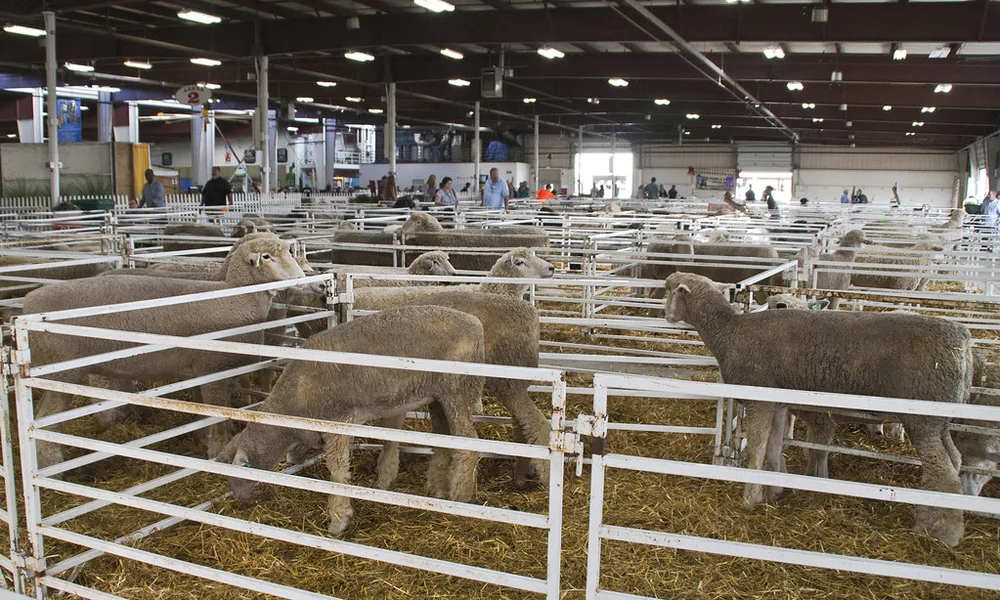
Vence puts a virtual fence around the flock with collars instead of wire, and for a sheep shelter startup that changes what the fencing job looks like. Instead of quoting miles of fixed fencing around every paddock, you can offer a shelter with a virtual grazing system that moves the flock between paddocks from a phone. The sheep stay near the shelter, the grass recovers, and the owner stops spending weekends mending fences.
The system works by training the sheep to a boundary the owner draws on a map. The collar gives a sound cue as the animal approaches the line, and the flock learns the boundary within days. For the startup, the selling point is flexibility: the grazing plan changes with the season, the grass and the lambing calendar, and the fence moves with it. A fixed fence cannot do that, and a shepherd who has tried both will not go back.
Virtual fencing also protects the shelter itself. Sheep that crowd a fixed fence line churn the ground into mud, and mud at the shed entrance is the start of every foot and bedding problem in the building. A virtual boundary can hold the flock off the wettest ground, keep the entrance dry, and rotate the wear across the field. That is a small detail with a large effect on how the shed performs through winter.
8. Fancom: The Best Tool for Ventilation and Climate Control
Fancom controls the air inside livestock buildings, and in a sheep shelter the air is the difference between healthy lambs and a vet’s bill. Sheep produce heat and moisture all winter, and a shed that traps that moisture grows damp bedding, stale air and coughing ewes. Fancom’s sensors and fans keep the air moving, the temperature steady and the humidity down, without creating the cold draughts that chill newborn lambs.
The system starts with measurement. Sensors in the lambing bays track temperature, humidity and ammonia, and the controller adjusts the fans and the inlets to match. On a still, damp night the fans work harder. On a bright, breezy day they ease off. The shepherd does not have to guess whether to open the vents, and the lambs do not pay for a wrong guess. For a startup, that automation is the selling point: the shed manages its own air, and the owner manages the flock.
Fancom also gives the startup a way to prove the shed works after handover. The sensor history shows the temperature and humidity through the first lambing season, and that record answers the owner’s worries with numbers instead of reassurances. If the air stayed dry through the wettest week of the year, the ventilation design is proven, and the next client can see the proof.
9. Buildxact: The Best Tool for Estimating, Quoting and Job Costing
Buildxact is the estimating tool that keeps a sheep shelter startup profitable, and profitability is the part of the trade nobody photographs. A shed quote has dozens of lines — steel, timber, roofing, concrete, pens, gates, troughs, fencing, labour, delivery — and a spreadsheet that misses one of them turns a good job into a loss. Buildxact builds the quote from a measured takeoff, so every line is counted before the price is given.
The takeoff workflow suits sheep shelters well. Measure the pens, the feed passage, the lambing bays and the fencing from the design, and Buildxact prices each element from the supplier rates you have saved. When the owner asks for four more lambing bays, you change the quantities and the quote updates itself, instead of guessing a round number and hoping it covers the extra steel. That accuracy is what lets a small startup quote confidently against bigger builders.
Buildxact also tracks the job once it starts. Progress claims, variations and costs are recorded against the original quote, so the moment a job starts drifting — extra concrete here, a changed gate there — you see it in the numbers instead of discovering it at the end. For a business building one shed at a time, that visibility is the difference between a good year and a year spent wondering where the money went.
How to Choose the Right Stack for Your Sheep Shelter Startup
Start with the design tools, because every sheep shelter job begins with a drawing the client can understand. Cedreo and Planner 5D cover the design between them: Cedreo for the polished 3D model and the client presentation, Planner 5D for the fast layout tests and the pen sizes. A startup that does both well rarely loses a job to a builder who only has a sketch on graph paper. Add Twinmotion when the jobs get bigger and the clients want to walk through the shed before they sign.
Then add the flock tools, because they are what make the design honest. Farmbrite and AgriWebb tell you how many ewes, how many lambs and how much grazing the shed has to serve, and Allflex turns that knowledge into individual animal records. A startup that understands the flock designs better sheds, and a startup that designs better sheds gets the referrals. The flock tools are also the cheapest way to stay in touch with the owner after handover, because every lambing season brings a reason to call.
Sheep Shelter Installation Startup Checklist
- Walk the site with the owner and record the flock size, the lambing pattern and the grazing rotation before drawing anything.
- Size the lambing bays to the peak lambing week, not the average, and count the individual pens against the real calendar.
- Draw the feed passage to the width of the actual tractor or feeder, and check the turning circle on the plan.
- Design the ventilation first — ridge vents, side inlets and sensor positions — and show the air path to the owner.
- Price the shed from a measured takeoff with every line counted, and quote the fencing and identification as part of the package.
- Hand over with the flock records set up, the grazing boundaries drawn and the sensor history running, so the first lambing season proves the shed works.
Frequently Asked Questions
What is a sheep shelter installation startup?
It is a building business that designs and installs livestock housing for sheep — enclosed sheds with pens, a feed passage, lambing bays, ventilation and bedding, plus the fencing and handling equipment around them. The startup surveys the farm, designs the shed to the flock’s size and lambing calendar, prices the build, constructs it and hands over a working building. The best startups also help with flock records, grazing plans and ventilation, because those are what make the shed perform.
How is a sheep shelter different from a field shelter?
A field shelter is an open-fronted paddock building that animals walk in and out of for shade and wind protection, while a sheep shelter is an enclosed working building where the flock lives, eats and lambs. The sheep shelter has individual lambing pens, a feed passage, a feed store, drainage and controlled ventilation, and it takes weeks to build rather than days. The two buildings solve different problems, and the software for each reflects that: field shelter tools focus on siting and simple structures, while sheep shelter tools focus on pen layout, lambing and air quality.
How many lambing bays does a sheep shelter need?
It depends on the flock’s lambing pattern, not just its size. Count how many ewes lamb in the busiest week, allow one individual pen per ewe for the first day or two after lambing, and add a margin for twins and slow lambings. A flock of two hundred ewes lambing over six weeks needs far fewer pens than the same flock lambing in a single fortnight. The lambing calendar in a flock tool like Farmbrite gives the real number, and the shed should be designed to it.
What ventilation does a lambing shed need?
A lambing shed needs fresh air without draughts: ridge vents or a vented ridge to let warm, moist air out, side inlets to bring fresh air in, and enough air changes to keep the bedding dry and the ammonia down. Newborn lambs chill quickly in a draught, so the air should move above the animals, not across them at pen level. Sensors that track temperature and humidity, like those in a Fancom system, take the guesswork out of managing the vents through the night.
Do sheep shelters need planning permission?
It depends on the location, the size and the local rules, and the answer varies by country and by council. Many farm buildings qualify for permitted development or agricultural exemptions, but larger sheds, sheds near roads or houses, and sheds in protected landscapes often need a full application. Check the local planning rules before quoting, and build the time and the cost of any application into the job. A startup that flags the permission question early looks professional; one that discovers it halfway through the build looks careless.
How much should a sheep shelter startup budget for AI tools?
A new startup can start with a free design plan, a paid flock tool and an estimating trial for a modest monthly cost, then add visualisation, virtual fencing and climate control as the order book grows. The design and estimating tools pay for themselves on the first job they win or the first quote they save, while the flock and fencing tools are best added when the first repeat clients appear. Budget for the tools as a share of each job’s margin, not as a fixed overhead, and drop any tool that does not earn its place within a month.
The Bottom Line
A sheep shelter installation startup succeeds on the inside of the building. Pens that fit the flock, a feed passage the tractor can use, lambing bays that match the real lambing peak, air that stays fresh through the coldest nights and fencing that keeps the flock where the grass is — those are the things owners remember, and they are the things the right software helps you get right. Design the shed from the flock’s numbers, price it from a measured takeoff, and hand it over with the records and the systems running. Do that on the first job, and the second job will come from the same valley.

Keep what speaks to you.
Leave room for your own perspective.