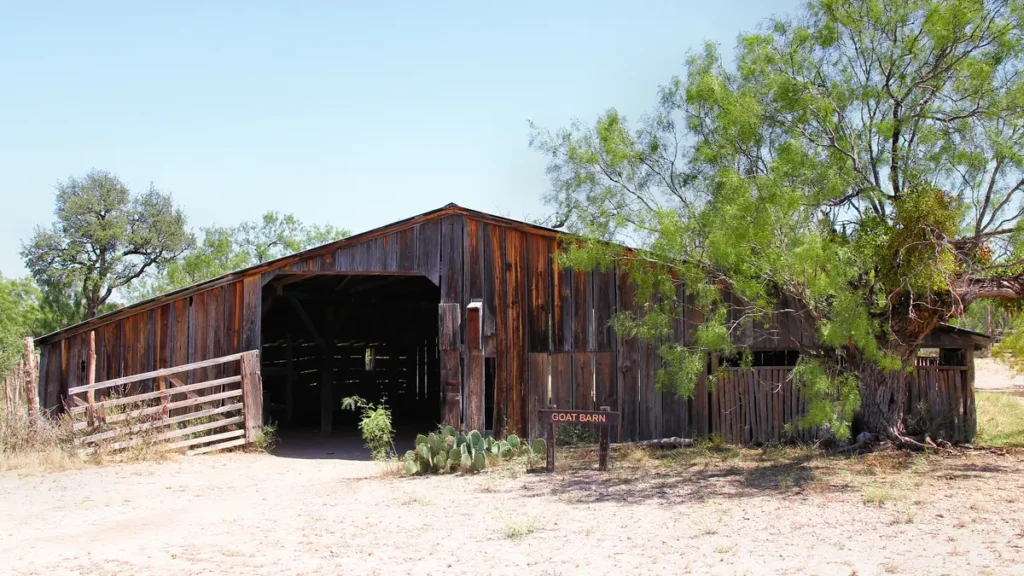
The best AI tools for goat shelter installation startups in 2026 decide whether a new building business becomes the first call every smallholder in the county makes when the herd outgrows its field shelter, or just another contractor who once put up a lean-to and hoped the goats would stay in it. A goat shelter is not a shed with a smaller door. It is a working building where stubborn, clever animals live, eat, sleep and kid for most of the year, and every mistake in the design shows up fast: a stall that is too small for a doe with kids, a hay store that soaks in the first heavy rain, fencing a goat climbs over in an afternoon, a floor that never drains, a kidding pen with nowhere warm and dry for a newborn.
Owners notice all of it, and they talk to other owners at the feed merchant, at the market and in the smallholding groups online. That is why the software matters as much as the timber and the steel. A goat shelter installation startup has to survey a site, design stalls and pens that fit the goats that will actually live in them, plan hay storage and fencing alongside the building, price the job so the business still makes money, schedule crews around weather and ground conditions, and then hand over a shelter the owner can run safely from day one.
This guide compares nine tools that fit the way a small goat shelter installation business really works. Some handle design and layout, some handle the goat-specific problems no general builder ever thinks about — fencing that holds a goat, water that never runs dry, kidding records that matter at three in the morning — and two handle the business end: quoting, scheduling and invoicing.
Key Takeaways
- A goat shelter is a living building, not a storage building, so design tools must handle stalls, kidding pens, hay storage, fencing and drainage — not just walls and a roof.
- Start with one design tool and one quoting tool; the pair that produces a measured plan and a credible price will win more jobs than any single expensive platform.
- Fencing is the make-or-break skill in goat work — a shelter is only as good as the fence around it, so budget for proper electric netting and test it before handover.
- Hand the owner herd records with the keys — pen assignments, kidding dates and feeding notes — and the job becomes a relationship, not a one-off build.
- Budget around $150 to $400 a month for software in the first year, and judge every tool on whether it shortens the time between first visit and signed contract.

Best AI Tools for Goat Shelter Installation Startups Compared
| Tool | Best For | Starting Price | Standout Feature |
|---|---|---|---|
| Floorplanner | 3D shelter layouts clients can approve | Free basic plan; paid from around $5 per month | Drag-and-drop stall, pen and hay store layouts in minutes |
| Sweet Home 3D | Free measured plans for stalls and pens | Free | Exact dimensions and 3D views with no subscription |
| Livestocked | Goat herd records and kidding handover | From around $15 per month | Individual goat records, breeding and kidding dates in one place |
| Herdwatch | Livestock records that work offline on site | From around $20 per month | Medicine, breeding and movement records from a phone in the field |
| Gallagher | Electric fencing that actually holds goats | Energizers from around $150 | Reliable energizers and fencing systems built for livestock |
| Premier 1 Supplies | Goat netting, fencing and kidding supplies | Fencing from around $100 | Purpose-built goat netting and kidding kit in one catalogue |
| Ranchbot | Remote water tank monitoring | Monitors from around $250 | Alerts before a trough runs dry, without a site visit |
| Tradify | Quoting, scheduling and invoicing for crews | From around $41 per month | Quotes, jobs and invoices built for small trade businesses |
| ServiceTitan | Job management as the business grows | Custom pricing | One dashboard for bookings, crews, invoices and follow-ups |
Prices change often, so treat the figures above as a starting guide and check the current price before you commit. What matters more than the monthly fee is whether the tool earns its place on a real job: does it save a site visit, prevent a design error, or shorten the gap between a quote and a signature?
What Makes a Goat Shelter Installation Startup Different
A goat shelter installation startup sits between two worlds. On one side it is a construction business: foundations, framing, roofing, drainage, electrical work and concrete. On the other side it is an animal welfare business, because the finished building is a home for goats that spend long hours indoors and test every weakness in it. A mistake that would be a minor annoyance in a garden building becomes a welfare problem in a goat shelter. Poor ventilation causes respiratory trouble. A damp floor causes foot problems. A gate latch a goat can open causes an escaped herd in the neighbour’s vegetable patch.
Stall sizing is the first place this shows. A pen that suits two dry does cramps a doe with twin kids. A kidding pen needs to be warm, dry, draught-free and close enough to the house that the owner can check on it at night, but separate enough that a nervous first-time mother is not disturbed. The design tool has to make it easy to lay out pens of different sizes in the same building, because most smallholdings keep a mix of milking does, dry does, kids and a buck kept apart. It also has to show the hay store clearly: hay must stay dry and ventilated, away from the animals’ reach but close enough to feed without a long carry in the rain.
Fencing is the second thing that separates goat work from other animal buildings. Goats climb, push, chew and squeeze through gaps other animals never notice. Compared with horse stable installation startups, which worry about stall doors and aisle widths for half-tonne animals, a goat shelter installer worries about a determined animal that treats a fence as a puzzle. The fence line has to be planned alongside the building rather than as an afterthought, and the handover has to include a fence test the owner watches with their own eyes.
Drainage is the third difference. Goats hate wet feet and wet bedding, and a shelter floor that pools water after rain will cost the owner in vet bills and lost milk. The site survey has to catch the slope, the soil and the way water runs across the field in a storm, because moving a shelter after it is built is not an option. That is why the tools in this guide cover the whole journey, from the first measured plan to the day the owner moves the first goats into their pens.
The 9 Best AI Tools for Goat Shelter Installation Startups in Detail
1. Floorplanner: The Best Tool for 3D Shelter Layouts Clients Can Approve
Floorplanner is the fastest way to turn a site visit into a plan a goat owner can actually understand. The drag-and-drop editor lets a founder lay out stalls, kidding pens, the hay store, the feed room and the yard in a single afternoon, then show the owner a 3D view of the finished shelter before a single panel is cut. That matters because goat owners often know their animals better than they know building plans, and a flat drawing of pen sizes means little to them while a 3D walkthrough of the kidding area means everything.
The tool earns its place on stall and pen design. Pens can be resized in seconds, so when an owner says the milking does need more room and the kids need less, the founder can adjust the plan on the spot instead of going home to redraw it. The hay store can be moved next to the feed room, the gate swing can be checked against the yard fence, and the whole layout can be saved as a version the owner approves in writing. That written approval is worth real money: it stops the mid-build change of mind about the kidding pen position that turns a two-day job into a four-day job.
Floorplanner works best as the first tool in the stack, the one that produces the visual plan every other tool then prices, schedules and builds from. Its free basic plan is enough for a new startup to win its first jobs, and the paid plan adds the higher-quality renders that make a quote feel professional. The weakness is that it is a layout tool, not a construction drawing tool, so a founder still needs exact measurements and a builder’s eye for the structural details.
2. Sweet Home 3D: The Best Free Tool for Measured Plans
Sweet Home 3D is the free, open-source layout tool that fills the gap Floorplanner leaves: exact measured plans with no subscription at all. A founder can draw the shelter to the centimetre, place stalls, pens, gates and the hay store, and produce a 3D view and a dimensioned plan that a crew can actually build from. For a startup watching every pound in its first year, a capable free tool that does the core job is hard to beat.
The strength here is precision. Sweet Home 3D lets the founder set exact wall lengths, door widths and pen dimensions, which matters when the difference between a pen that works and a pen that does not is twenty centimetres of depth. It also handles the awkward shapes goat shelters often need: a lean-to added to an existing barn, a shelter fitted into a corner of a yard, a kidding pen carved out of a larger building. The 3D view catches the mistakes a flat plan hides, like a gate that opens into a feed trough or a hay store door that cannot open fully because a pen wall is in the way.
The trade-off is speed and polish. Sweet Home 3D takes longer to learn than a drag-and-drop web tool, and its renders will not impress a client the way a polished Floorplanner image does. Use it as the working plan behind the pretty picture: Floorplanner to win the job, Sweet Home 3D to build it right. Together they cost almost nothing and cover both halves of the design job.
3. Livestocked: The Best Tool for Goat Herd Records and Kidding Handover
Livestocked is the goat-specific record tool that turns a finished shelter into a working smallholding. It keeps individual records for every goat — breeding dates, kidding dates, health notes, milk yields and feed — in one place the owner can open on a phone in the yard. For a shelter installer, that matters because the handover is the moment a one-off job becomes a relationship, and handing over organised herd records with the keys is the most memorable thing a builder can do.
The kidding records are the feature that sells this tool to goat owners. A doe’s due date, her previous kidding history, and the pen she should kid in are all in one record, so when the owner checks the shelter at midnight they know exactly which pen to look in and what to expect. The installer can set up those records during the build, walking the pens with the owner and assigning each one on the spot. That walkthrough is also the best final inspection a shelter ever gets: if a pen is too small for the doe assigned to it, the owner will say so while there is still time to fix it.
Livestocked is not a design or quoting tool, and it should not be judged as one. Its job is the handover and the aftercare, and it does that job better than any general farm app because it is built around individual animals rather than fields or flocks. A founder who offers to set up the owner’s herd records as part of the handover gives the customer a reason to call back for the next pen and the next shelter extension.
4. Herdwatch: The Best Tool for Livestock Records That Work Offline on Site
Herdwatch is the field record app for the days when the shelter site has no signal and the founder still needs to work. It records medicine, breeding, movements and weights from a phone in the field, offline, and syncs when the connection returns. That sounds like a farmer’s tool rather than a builder’s tool, and it is — but a goat shelter installer who understands the owner’s daily records understands the owner’s real problems, and that understanding wins jobs.
The practical use on a shelter job is the survey and the handover. During the survey, the founder can note which animals need which pen, which does are due to kid and when, and which animals need separating from the buck — and those notes become the design brief for the pen layout. During the handover, the founder can walk the owner through recording the first medicine doses and breeding dates in the finished pens, so the records start clean on day one instead of in a notebook that gets lost by spring.
Herdwatch also helps with the compliance side of goat keeping, which owners worry about more than builders expect. Movement records, medicine withdrawal dates and breeding histories all live in one app, and an installer who can talk about those records sounds like a specialist rather than a general builder who once put up a shed.
5. Gallagher: The Best Tool for Electric Fencing That Actually Holds Goats
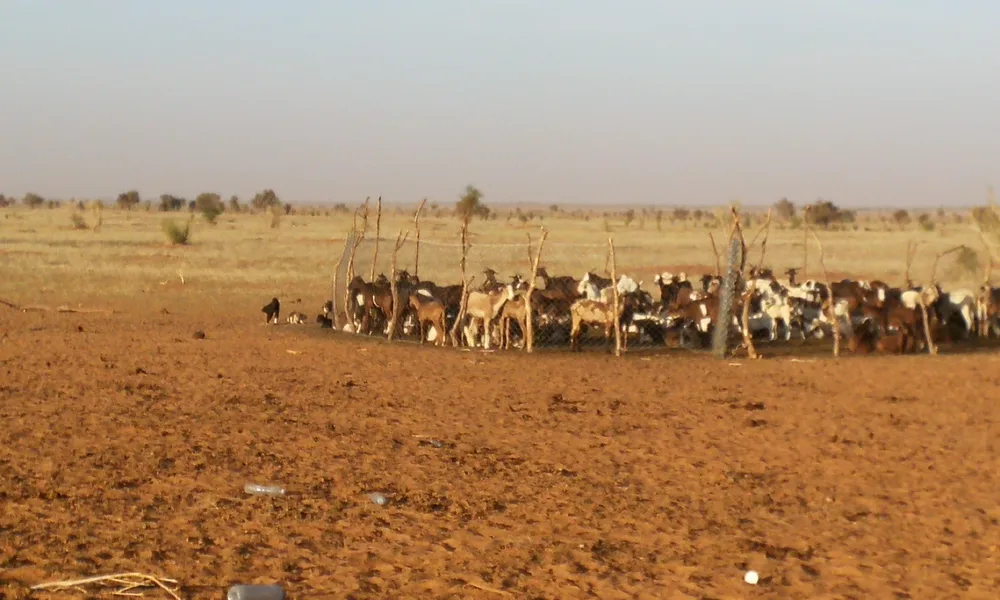
Gallagher is the fencing name goat owners trust, and for a shelter installer that trust is the product. Goats are the hardest farm animal to fence: they climb, they push, they chew insulators and they test a fence every single day. A shelter with a weak fence is a shelter the owner will blame for every escape, however well the building itself was put up. Gallagher’s energizers, tapes, wires and insulators are built for livestock that test fences, and an installer who fits them properly can hand over a fence the owner has watched hold a goat.
The real value is in the system, not any single product. A Gallagher energizer matched to the length of fence, the right tape or wire for the run, proper earthing and insulators that survive chewing — fitted as a planned system around the shelter and the yard — gives the owner a fence that works in wet weather, in dry weather and in the middle of the night when a goat decides to try its luck. The installer who plans the fence line at the same time as the building, rather than as an afterthought, saves the owner the cost of moving a fence that was put in the wrong place.
Gallagher also gives the founder a clear upsell that owners actually want. A fence tester, a solar energizer for a remote paddock and a spare set of insulators are small additions to a shelter job that make a large difference to the owner’s daily life. Demonstrate the fence at handover, with the owner watching, because a fence the owner has seen tested is a fence the owner trusts.
6. Premier 1 Supplies: The Best Source for Goat Netting and Kidding Supplies
Premier 1 Supplies is the catalogue every goat shelter installer should know by heart. Its electric netting is made for goats and sheep, its fencing accessories are designed for animals that push and climb, and its kidding supplies — heat lamps, lambing and kidding pens, feeding bottles — cover the jobs owners ask about the moment the shelter is finished. For a startup, a single supplier that covers fencing, netting and kidding kit simplifies ordering, delivery and the handover list.
The netting is the standout product. Premier 1’s goat netting goes up fast, moves easily when the owner rotates grazing, and holds animals that would walk through a standard stock fence. An installer who includes a run of netting in the shelter quote gives the owner a yard they can use from day one, instead of a building surrounded by a fence that needs another contractor to finish. The kidding supplies matter just as much: a heat lamp, a kidding pen kit and a bottle-feeding set handed over with the shelter turn a building job into a complete start for a new goat keeper.
The smart way to use Premier 1 is as the materials partner for the fencing and handover parts of the job. The founder orders the netting and accessories with the timber and the roofing, fits them as part of the build, and lists them on the quote as named products the owner can check.
7. Ranchbot: The Best Tool for Remote Water Tank Monitoring
Ranchbot is the small sensor that solves one of the most common goat shelter complaints: the water ran out and nobody noticed. Its monitors sit on tanks and troughs, report water levels remotely, and alert the owner before a trough runs dry. For a shelter installer, that matters because water is the part of the job owners forget about until the first hot week, when the goats drink twice as much and the trough empties by midday.
The practical use is in the design. A founder who plans the water supply at the same time as the shelter — tank position, trough height, pipe runs that do not freeze, a monitor the owner can check from the house — hands over a shelter that works in August as well as it works in April. Ranchbot’s alerts mean the owner does not have to walk to the field to check the water, which matters most on the days when the weather is worst and the walk is longest.
Ranchbot is the smallest tool in this stack and the easiest to add to a quote. A monitor costs a fraction of the shelter build, fits in minutes, and gives the owner a daily reminder that the installer thought about the whole job rather than just the walls and the roof.
8. Tradify: The Best Tool for Quoting, Scheduling and Invoicing Crews
Tradify is the quoting and job-management tool built for small trade businesses, and a goat shelter installation startup is exactly that. It turns a measured plan into a professional quote in minutes, schedules the crew around weather and other jobs, tracks the materials ordered for each shelter, and sends the invoice the day the work is finished. For a founder who has been quoting from a notebook and invoicing from memory, Tradify is the difference between a business and a busy hobby.
Quoting is where shelter startups lose money, and Tradify is built to stop that. A quote that forgets the base work, the fencing, the drainage or the waste removal turns a good job into a loss, and Tradify’s templates make it hard to forget a line item twice. The founder builds the quote from the shelter plan — stalls, pens, hay store, fencing, water — and the customer sees a clear, professional breakdown they can approve without a phone call. That clarity shortens the gap between first visit and signed contract, which is the single most valuable thing software can do for a new business.
Scheduling is the second half of Tradify’s value. Goat shelter work is weather-dependent, ground-dependent and animal-dependent, and a crew sent to a waterlogged field is a wasted day. Tradify keeps the jobs, the crew and the materials in one place, so the founder can move a job when the rain comes and the customer still gets a clear message about the new date. Compared with chicken coop installation startups, which juggle small garden jobs in tight streets, a goat shelter crew juggles larger rural jobs with longer travel — and Tradify’s scheduling handles that scale without the founder chasing the crew by phone.
9. ServiceTitan: The Best Tool for Job Management as the Business Grows
ServiceTitan is the platform for the day the goat shelter startup stops being a one-van business and becomes a crew with a diary full of jobs. It brings bookings, dispatch, invoicing, customer records and follow-ups into one dashboard, so the founder can see every live job, every quote waiting for an answer and every customer due a follow-up call. It is more than a new startup needs on day one, and exactly what a growing business needs in year two.
The strength is the single view of the business. A customer who calls about a shelter extension can be found in seconds, their original shelter plan and pen layout pulled up, and a new quote started from the old job rather than from scratch. The crew’s day is dispatched from the same screen, the invoice goes out when the job is marked complete, and the follow-up message that wins the next job goes out automatically a month later.
ServiceTitan costs more than the other tools in this guide and needs more setup, so it should not be the first tool a founder buys. The right time is when the diary is full enough that jobs start slipping through the cracks — missed callbacks, forgotten follow-ups, invoices sent late. At that point the platform pays for itself by catching the work that was already won and nearly lost. Start with Tradify, grow into ServiceTitan, and never let the admin outgrow the building.
How to Choose the Right Stack for Your Goat Shelter Startup
Start with three tools, not nine: one design tool, one quoting tool and one goat-specific tool. Floorplanner or Sweet Home 3D for the plan, Tradify for the quote, and Gallagher or Premier 1 for the fencing — that trio covers the first ten jobs a new startup will win. Add Livestocked and Herdwatch when owners start asking about records, add Ranchbot when the first water complaint arrives, and add ServiceTitan when the diary gets too full to manage by hand.
Judge every tool on the same questions a founder actually asks: does it save time on a real shelter job, does it work from a phone in a muddy field, does it pay for itself within the first few jobs, and can a two-person crew learn it without a training course. A tool that fails any of those tests is a cost, not an investment.
Budget honestly for the first year. Around $150 to $400 a month covers the design, quoting and records tools in this guide, and the fencing and monitoring hardware is bought per job and passed through to the customer. If a tool does not shorten the time between first visit and signed contract within a month, drop it.
Goat Shelter Installation Startup Checklist
- Survey the site for slope, soil and drainage before promising a date or a price — water is the most expensive mistake in shelter work.
- Design stalls, kidding pens and the hay store as one layout, with the fence line planned at the same time as the building.
- Price the base work, fencing, drainage and waste removal as separate quote lines so nothing is forgotten.
- Test the fence with the owner watching at handover, and leave a fence tester behind.
- Set up the owner’s herd and kidding records in the finished pens before the crew leaves.
- Follow up a month after handover — a happy goat owner is the best source of the next shelter job.
Frequently Asked Questions
How much do the best AI tools for goat shelter installation startups cost?
Expect around $150 to $400 a month for the software in the first year, starting with one design tool, one quoting tool and one records tool. Fencing hardware and water monitors are bought per job and passed through to the customer, so the monthly software bill stays modest while the business grows.
Which tool should a new goat shelter startup buy first?
Buy a design tool and a quoting tool first. Floorplanner or Sweet Home 3D produces the plan the owner approves, and Tradify turns that plan into a quote that covers every cost. Those two tools win more jobs than any single expensive platform, because a measured plan and a credible price beat a bigger brochure every time.
Do I need specialist fencing for a goat shelter?
Yes. Goats climb, push, chew and squeeze through gaps that hold other animals, so standard stock fencing is not enough. Electric netting from Premier 1 or a Gallagher energizer system, fitted as part of the shelter job and tested at handover, is the difference between a shelter that holds goats and a shelter the owner complains about.
How is a goat shelter different from a shed?
A shed is a storage box, while a goat shelter is a living building with stalls, kidding pens, hay storage, ventilation, drainage and fencing that all have to work together. Compared with shed installation startups, which hand over a finished box and walk away, a goat shelter installer hands over a working system for animals — and the software should reflect that.
What size should goat stalls and kidding pens be?
It depends on the breed and the herd, but a pen that suits two dry does will cramp a doe with twin kids, and a kidding pen must be warm, dry and draught-free. Measure the animals that will actually live in the shelter, lay the pens out in a design tool before building, and walk the finished pens with the owner at handover.
Should I offer herd records as part of the handover?
Yes — setting up Livestocked or Herdwatch records in the finished pens is the most memorable part of the handover and the best source of repeat work. The owner leaves with organised kidding dates, feeding notes and pen assignments, and calls the same installer back for the next pen, the next fence run and the next shelter extension.
The Bottom Line
The best AI tools for goat shelter installation startups in 2026 are the ones that fit the way a small rural building business really works: a design tool that produces a plan a goat owner can approve, a quoting tool that never forgets the fencing or the drainage, goat-specific tools for records, fencing and water, and a job-management tool that grows with the diary. Start with three, add the rest only when a real job shows you need them, and judge every tool on whether it shortens the time between first visit and signed contract. Build the shelter for the goats first, test the fence with the owner watching, and hand over records with the keys.

Keep what speaks to you.
Leave room for your own perspective.