
A saffron farm installation startup does not begin with a field and a hope. It begins with corms. A founder who buys sound saffron corms, plants them at the right depth in open beds that drain freely, and is ready for the short autumn flowering season has already solved most of the problems that sink a first year. A founder who plants weak corms in heavy, wet ground, or who is still hiring pickers when the purple flowers open, spends the whole season fighting rot and missed blooms, and no amount of clever marketing fixes a crop whose stigmas were never picked.
Saffron comes from the saffron crocus, a small autumn-flowering bulb crop grown in open field beds for the three red stigmas inside each purple flower. Those stigmas are picked by hand, flower by flower, dried gently until they keep their colour and scent, graded, and sold by the gram to spice buyers. The whole crop is measured in handfuls rather than tonnes, and the whole business turns on a flowering window that lasts only a few weeks each autumn. That single fact shapes every decision in the build, from the size of the first planting to the number of hands booked for the dawn pick.
This guide compares nine AI tools that fit the saffron-growing build, from grading corms before planting to drying the stigmas and finding spice buyers for the finished threads. Each tool is judged on the same question: does it help a small founding team install a working saffron farm, with open beds, healthy corms, a hand-picked harvest, a careful drying room, and a buyer who pays a fair price for graded saffron?
Key takeaways
- A saffron farm grows saffron crocus in open field beds for its hand-picked stigmas — the crop is the dried red threads, not the flower, the bulb, or the leaf.
- Buy the corms first and buy them well: corm size and health decide the first autumn flowering more than any other single choice.
- The harvest is a dawn hand-pick over a few short weeks, so picker numbers, baskets, and a drying room must be booked before the first flower opens.
- Dry the stigmas gently and grade them by colour, length, and aroma — grading is where a gram of saffron earns its price.
- Sell to spice buyers who buy graded threads by weight, and cost the whole installation before the first corm goes into the ground.

The nine tools at a glance
| Tool | What it does | Best for |
|---|---|---|
| CormGrade Select AI | Grades bought-in corms by size, weight, and health | First corm order |
| SaffronBed Survey AI | Sites open beds for sun, drainage, and autumn frost | Choosing the field |
| CormPlant Planner AI | Plans planting depth, spacing, and autumn timing | Planting week |
| AutumnBloom Watch AI | Tracks the autumn flowering window day by day | Harvest readiness |
| StigmaPick Planner AI | Plans dawn picking crews, baskets, and daily lists | The picking season |
| StigmaDry Curve AI | Sets gentle drying curves for colour and scent | Drying room |
| ThreadGrade AI | Grades dried threads by colour, length, and aroma | Grading and packing |
| SpiceTrade AI | Matches graded lots to spice buyers and export sales | Selling the crop |
| CormCost Estimator AI | Prices the whole installation and the first season | Quotes and budgets |
What a saffron farm installation startup actually builds
A saffron farm installation startup builds a small spice-crop farm, and the work is mostly done before the flowers appear. The founder walks the ground, marks out open beds in rows, checks that water drains away after rain, and orders corms by the thousand. The corms are planted in late summer, settle in the soil through early autumn, and then flower in a rush that lasts a few weeks. There is no tree to prune, no shed to fill with machinery, and no long growing season to manage. The farm is a bed system with a short, intense harvest at its heart.
The corm is the heart of the build. A saffron corm is a small bulb-like stem that stores the energy for the flower. Big, firm, healthy corms throw up strong flowers in their first autumn; small, soft, or damaged corms flower weakly or not at all, and a bed planted with poor corms can take two or three years to catch up. That is why the first money a startup spends should go on corms from a supplier who grades them honestly, and why the tools in this guide start with corm grading rather than with marketing or branding.
The beds matter almost as much as the corms. Saffron crocus wants full sun, light soil that drains freely, and ground that never sits wet. A bed that holds water after rain will rot corms in the ground before they flower, and a bed in shade will flower late and thinly. The startup lays out beds that a picker can walk between without stepping on the crop, with paths wide enough for baskets and barrows, and with a drying room close enough that the morning pick reaches it within the hour.
The harvest is the part of the build that surprises most new founders. Every flower must be picked by hand, in the early morning while the blooms are fresh, and the three red stigmas must be pulled from each flower on the same day. A single acre can open thousands of flowers on a peak morning, and a picking crew that is one person short will watch flowers close and lose stigmas that cannot be recovered. The drying room is the last piece of the build: a clean, dark, ventilated space where thin layers of fresh stigmas dry gently until they are crisp, red, and fragrant.
How saffron differs from the farms already live on this site
Saffron is a spice crop, and that sets it apart from the vegetable, fruit, and leaf farms already live on this site. The crop is not a root, a fruit, or a leaf, and the harvest is not a machine pass or a picking round that runs for months. It is a flower that opens in autumn and must be picked the same morning. A founder who plans a saffron farm like a vegetable farm will buy the wrong equipment, hire at the wrong time, and miss the only harvest window the year offers.
The nearest comparisons show the difference clearly. A ginger farm installation startup builds around rhizomes that swell slowly underground for eight or nine months, and its tools grade rhizome seed pieces and plan lifting and curing. Saffron has no rhizome and no eight-month wait underground: its corms flower in their first autumn, and the harvest is a flower picked in the morning rather than a root lifted at the end of a long season. The two farms share open ground and hand work, but the crop, the calendar, and the harvest could hardly be more different.
A chilli farm installation startup is a heat farm, grading every pod by its heat and running picking rounds across a long fruiting season, with drying racks and sauce buyers at the end of the line. Saffron has no heat to grade and no long picking season: the whole harvest fits into a few autumn weeks, the grading is by colour, length, and aroma rather than by heat, and the buyer is a spice buyer who wants dry red threads, not a sauce maker. A chilli farm plans for months of picking; a saffron farm plans for a few intense weeks and then a quiet winter.
A herb farm installation startup plants leafy herbs in long bed blocks, cuts them on a schedule through the season, and sells fresh or dried leaf in volume to restaurants and wholesale buyers. Saffron is not cut leaf and it is not sold in volume: the farm grows a flowering bulb crop, the harvest is the stigma pulled from each flower by hand, and the sale is a small weight of graded threads at a high price per gram. A herb farm earns its money on acres and cutting crews; a saffron farm earns its money on a few grams done perfectly.
The truffle farm is the other new planting trade in this batch, and the contrast is just as sharp. A truffle farm grows an underground fungus on the roots of host trees, with inoculated saplings, orchard rows, and dogs that find the ripe truffles below the soil. A saffron farm grows a flowering crocus in open field beds, with corms planted in rows, purple flowers picked by hand in autumn, and stigmas dried for spice buyers. One crop fruits underground on tree roots and is found by dogs; the other flowers in the open and is picked by people. They share a high price per gram and nothing else in the build.
Siting the beds and planting the corms
The first three tools cover the groundwork: choosing corms, choosing the field, and getting the planting right. Get these three right and the autumn flowering almost takes care of itself. Get them wrong and no picking crew or drying room can rescue the season.
CormGrade Select AI: The Best Tool for Grading Bought-In Corms by Size, Weight, and Health
CormGrade Select AI reads a delivery of saffron corms and sorts them before a single one goes into the ground. The founder photographs a sample of corms on a plain surface, weighs a counted batch, and the tool scores each size band for firmness, weight, and visible damage. Large, firm corms go into the best beds for first-autumn flowering; small corms go into nursery rows where they can bulk up for a year; soft or damaged corms are set aside rather than planted, because a rotten corm in a bed can spread rot to its neighbours.
The tool earns its place because corms are the dearest purchase in the whole installation and the hardest to judge by eye. A sack of corms can look healthy and still hide a band of small, light pieces that will not flower, and a supplier who counts by number rather than by weight can leave a startup short of flowering stock. CormGrade Select AI turns the delivery into numbers — how many corms per kilo, how many in each size band, how many rejected — and those numbers decide how many beds the startup can honestly plant and how much flowering to expect in the first autumn.
SaffronBed Survey AI: The Best Tool for Siting Open Beds for Sun, Drainage, and Autumn Frost
SaffronBed Survey AI walks the field before any digging starts and marks where the beds should go. The founder enters the field outline, the slope, and the soil type, and the tool maps sun through the day, low spots where water gathers after rain, and cold pockets where autumn frost settles first. Beds go on the sunny, free-draining ground; wet hollows and frost pockets are left for paths, compost, or the drying room, not for corms.
The tool matters because saffron crocus forgives very little in the way of wet feet. Corms planted in ground that stays damp through autumn will rot before they flower, and a bed that loses its morning sun to a hedge or a wall will flower days late, which can push the pick into a cold snap. SaffronBed Survey AI also plans the bed layout itself: rows narrow enough to pick from both sides, paths wide enough for baskets, and a route from the farthest bed to the drying room that a picker can walk in minutes with a full basket.
CormPlant Planner AI: The Best Tool for Planning Planting Depth, Spacing, and Autumn Timing
CormPlant Planner AI turns the survey and the graded corms into a planting plan. It sets the depth for each size band, the spacing between corms and rows, and the planting days for each bed, working backwards from the expected autumn flowering. The founder gets a day-by-day list: which bed, how many corms, what depth, and how many hands the planting crew needs.
Depth and spacing are the details that decide whether the first flowering is worth picking. Corms planted too shallow dry out and flower weakly; corms planted too deep push up late and thin. Corms planted too close together crowd each other and invite rot, while corms planted too far apart waste good bed space on a crop that is already small in area. CormPlant Planner AI holds those numbers steady across the whole farm, so every bed is planted to the same standard and the flowering comes up evenly.
The tool also plans the quiet weeks between planting and flowering. It schedules a light watering only if the soil dries out, a weed pass before the flowers appear, and a final check of the drying room and the picking baskets a week before the first blooms are due. A saffron farm has little to do in the weeks after planting, and that is exactly when a founder forgets the drying room. The planner does not forget.
Autumn flowering and the stigma pick
The middle three tools cover the season itself: watching the flowers open, picking them at dawn, and drying the stigmas before they lose their colour. This is the part of the year when the farm earns its money, and it lasts only a few weeks.
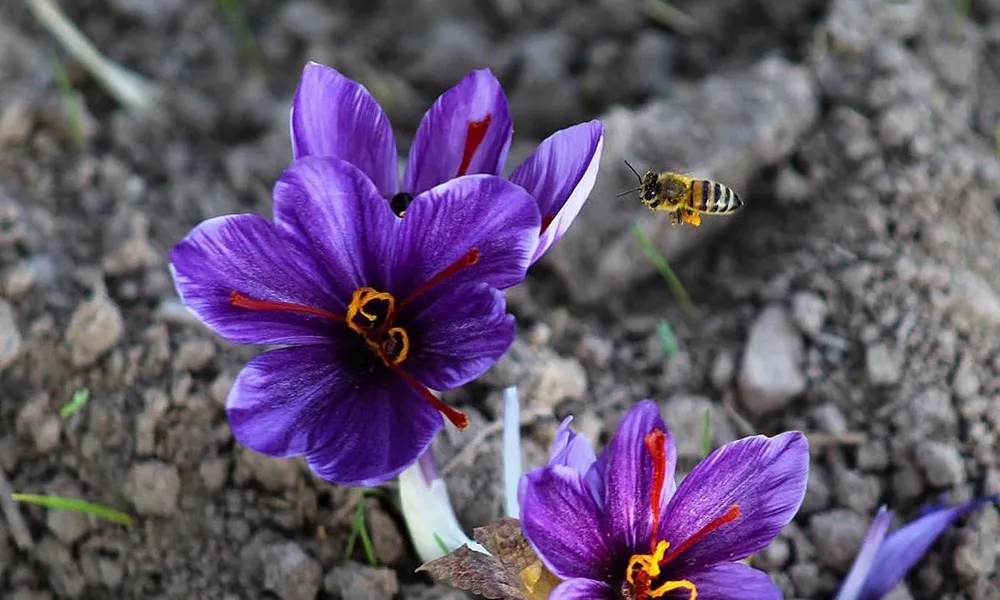
AutumnBloom Watch AI: The Best Tool for Tracking the Autumn Flowering Window Day by Day
AutumnBloom Watch AI watches the beds as autumn arrives and tells the founder when the flowers are coming. It reads soil and air temperature, daylight, and the state of the buds, and it builds a daily picture of how many flowers will open tomorrow and the day after. A quiet week can turn into a peak morning with almost no warning, and the tool is what turns that surprise into a phone call to the picking crew the night before.
The flowering window is short and uneven. A bed can open a handful of flowers one morning and hundreds the next, and the flowers that open on a cold, wet morning will not wait for a sunny day. AutumnBloom Watch AI keeps a count per bed, so the founder knows which beds to pick first and which can wait a day, and it flags the cold nights that can damage open flowers. The founder who knows the count can hire exactly the hands needed, and the founder who guesses will either pay pickers to stand idle or watch flowers close unpicked.
StigmaPick Planner AI: The Best Tool for Planning Dawn Picking Crews, Baskets, and Daily Lists
StigmaPick Planner AI runs the harvest itself. Each evening it takes the bloom count from AutumnBloom Watch AI and turns it into a picking list for the next dawn: how many pickers, which beds, how many baskets, and what time to start. The pickers arrive to a list rather than a guess, and the founder knows by mid-morning whether the day’s flowers are in the baskets or still in the field.
The pick is the most labour-heavy part of the whole business, and it is also the most time-sensitive. Flowers must be picked while they are fresh, and the stigmas must be pulled from the flowers on the same day, before the petals wilt and the threads lose their colour. StigmaPick Planner AI plans the second job as well as the first: it schedules the stigma-pulling tables, the hands needed there, and the flow of baskets from the field to the tables to the drying room, so that no basket sits full in the sun while the tables wait empty.
The tool keeps the pick honest too. It records how many flowers each crew picked, how many stigmas each kilo of flowers gave, and how long the pulling took, so the founder can see the true cost of the harvest in hours rather than in hope. A saffron farm that knows its picking cost per gram can price its threads with confidence; a farm that does not know it will either price too low and lose money, or price too high and lose the buyer.
StigmaDry Curve AI: The Best Tool for Setting Gentle Drying Curves for Colour and Scent
StigmaDry Curve AI runs the drying room, and the drying room is where good saffron is made or ruined. The tool sets a gentle drying curve for each day’s stigmas — low, steady warmth, moving air, thin layers, and darkness — and it watches moisture fall until the threads are crisp without being brittle. The founder loads the trays, the tool watches the curve, and the stigmas come out red, dry, and fragrant.
Drying is the step where new founders lose the most value, because it looks simple and it is not. Stigmas dried too hot turn dark and lose their scent; stigmas dried too slowly can mould in the tray; stigmas dried in sunlight fade from red to brown. StigmaDry Curve AI holds the temperature and the timing steady across every batch, and it warns the founder before a tray is left too long or loaded too thick. A thin layer dries evenly, a thick layer dries on the outside and stays damp in the middle, and the tool will not let a thick layer through unnoticed.
Grading, selling, and costing the farm
The last three tools cover what happens after the drying room: grading the threads, finding the buyers, and making sure the whole installation paid for itself. A farm that grows beautiful saffron and sells it badly is still a farm that loses money.
ThreadGrade AI: The Best Tool for Grading Dried Threads by Colour, Length, and Aroma
ThreadGrade AI grades the finished saffron the way a spice buyer grades it: by colour, by length, and by aroma. The founder spreads a sample of dried threads on a plain surface, photographs them in steady light, and the tool scores the redness, the length of the threads, and the amount of yellow style mixed in with the red stigmas. Long, deep-red threads with little yellow go into the top grade; shorter or paler threads go into the lower grades, and the farm sells each grade at its own price.
Grading is where a gram of saffron earns its price, because spice buyers pay for what they can see and smell. A jar of mixed threads — long and short, red and pale — will be bought at the price of its worst thread, while the same harvest split into two honest grades will earn the top price for the top half and a fair price for the rest. ThreadGrade AI makes the split consistent from batch to batch, so a buyer who liked the first jar gets the same grade in the second.
SpiceTrade AI: The Best Tool for Matching Graded Lots to Spice Buyers and Export Sales
SpiceTrade AI finds the buyers for the graded lots. The founder enters each lot — its grade, its weight, its drying record, and the price the farm needs — and the tool matches it to spice merchants, food makers, and export traders who buy that grade at that weight. A small top-grade lot goes to a merchant who buys by the hundred grams; a larger lower-grade lot goes to a food maker who buys by the kilo.
The tool matters because saffron buyers are few and particular, and a small farm cannot afford to spend its winter ringing round merchants who want a different grade. SpiceTrade AI keeps a list of buyers, what they bought last year, what they paid, and what they asked for that the farm could not supply, so the founder can grow towards the buyer rather than guessing. It also tracks export paperwork — the lot numbers, the grade certificates, and the packing lists — so a sale that crosses a border does not stall on a missing document.
For a new startup, the tool’s quiet value is that it stops the farm from selling its best threads first and cheapest. The top grade is the farm’s reputation, and SpiceTrade AI holds it back for the buyer who will pay for it, while the lower grades move first to the buyers who want volume. A farm that sells its best saffron to the first caller will spend the year wishing it had waited.
CormCost Estimator AI: The Best Tool for Pricing the Whole Installation and the First Season
CormCost Estimator AI prices the whole job before the first corm is ordered. The founder enters the field size, the corm order, the bed work, the drying room, the picking labour, and the packing, and the tool builds a full cost for the installation and the first season. It shows the cost per bed, the cost per gram of finished saffron, and the price the farm must get from its spice buyers to break even.
The estimate matters because a saffron farm spends most of its money before it earns any. Corms, beds, and the drying room all come before the first flower, and the picking labour arrives in a rush at harvest time. CormCost Estimator AI spreads those costs across the season so the founder can see the cash low point — usually the week before flowering, when the corms are paid for and nothing has been sold — and plan for it rather than discovering it.
The tool also turns the estimate into a quote. When a landowner or a backer asks what the farm will cost, the founder can show a priced plan with corms, beds, labour, drying, grading, and packing on separate lines, and a selling price built from the cost per gram rather than from hope. A startup that can show its numbers will find its second field far more easily than a startup that can only show its enthusiasm.
Costs and the first-season timeline
The first season of a saffron farm runs on a short calendar. Corms are ordered in early summer and planted in late summer. The beds settle through early autumn, the flowers open for a few weeks in mid-autumn, and the drying, grading, and selling run through late autumn and winter. A founder who starts in spring has time to survey the field, build the drying room, and order corms without rushing; a founder who starts in late summer will be planting in a hurry and picking without a drying room ready.
The costs follow the same shape. Corms are the largest single cost, then the bed work, then the drying room, and then the picking labour, which arrives all at once at harvest. Packing and grading cost little by comparison, but they decide the selling price. A small first farm — a few beds on well-drained ground — can be started for the price of a good corm order and a simple drying room, and it will teach the founder more in one autumn than a large farm will teach in three, because every mistake on a small farm is cheap and visible.
Starting checklist
- Grade the first corm order with CormGrade Select AI and plant only firm, healthy corms in the best beds.
- Survey the field with SaffronBed Survey AI and keep beds off wet hollows and autumn frost pockets.
- Book the picking crew and the stigma-pulling tables before the first flower opens, not after.
- Set the drying room up in early autumn and test a gentle drying curve before the harvest arrives.
- Grade every dried batch with ThreadGrade AI and pack each grade separately before offering it for sale.
- Price the whole installation with CormCost Estimator AI and agree the selling price per gram before the first sale.
Frequently asked questions
What is a saffron farm installation startup?
It is a small business that installs a saffron farm: open field beds planted with saffron corms, grown for the autumn flowering, hand-picked for the red stigmas, dried, graded, and sold to spice buyers. The startup builds the beds, plants the corms, runs the harvest, and sets up the drying and grading, then hands over a working spice-crop farm.
How is a saffron farm different from a ginger farm?
A ginger farm grows rhizomes underground for eight or nine months and lifts them at the end of a long season. A saffron farm grows corms that flower in their first autumn, and the harvest is a flower picked by hand in the morning, not a root lifted months later. The crops, the calendars, and the harvests are different in almost every way.
How long before a new saffron farm earns money?
The first autumn gives a small harvest, because first-year corms flower lightly. The second and third years give more as the corms multiply in the ground. A founder should budget for a modest first season and plan for the farm to earn its keep from the second autumn onwards.
Do saffron flowers need picking every day?
Yes, during the flowering window. Flowers open each morning and must be picked while fresh, and the stigmas must be pulled the same day. A bed left unpicked for a day loses flowers that will not open again, which is why the picking crew is booked before the season starts.
How much dried saffron does a small farm produce?
Very little by weight, and that is normal. Thousands of flowers give only a small weight of dried threads, which is why saffron sells by the gram and why grading matters so much. A small farm earns its money on the price per gram, not on the weight of the harvest.
Which AI tool should a new saffron farm startup buy first?
CormGrade Select AI, because the corms decide the first flowering more than any other choice. After that, SaffronBed Survey AI for the field and StigmaPick Planner AI for the harvest, in that order — good corms, good ground, and a harvest that is picked on time.
The bottom line
A saffron farm is a small, patient business built on corms, autumn flowers, and hands that pick at dawn. The nine tools in this guide cover the whole build: grading the corms, siting the beds, planting on time, watching the flowering, picking the stigmas, drying them gently, grading the threads, selling to spice buyers, and costing the job honestly. A founder who buys good corms, plants them in dry sunny beds, picks every flower on the morning it opens, and grades every thread before selling it will have a farm that earns its keep — a few grams at a time, at a price the grade deserves.

Keep what speaks to you.
Leave room for your own perspective.


