Rye is the grain that asks for the least and survives the most. It is sown in autumn, when other cereals are still in the shed, and it spends the winter as a low green mat under frost and snow, waiting for spring. A rye farm installation startup builds its whole year around that one fact: the crop is put in the ground in the cold half of the year, and everything the founder does afterwards — the seed choice, the soil work, the winter watch, the summer combining, the straw handling and the milling grade — follows from a plant that was bred by cold weather.
That cold-hardy character is what makes rye different from every other grain a new founder might grow. It will take poor, light, acid soils where wheat sulks. It grows tall, it tillers hard in spring, and it smothers weeds with a dense canopy before they get going. But it also carries its own risks: a wet flowering season can bring ergot into the ear, a damp harvest can sprout grain in the ear and ruin the milling grade, and tall straw can lodge flat in a summer storm. A startup that plans for those three risks, and prices the grain and the straw separately, has a business. A startup that treats rye like any other cereal does not.
This guide sets out the nine AI tools a new rye farm installation startup actually needs, from the autumn sowing window to the mill door. Each tool is rye-specific: it answers a question that only matters because the crop is a cold-hardy winter grain, sown in autumn and harvested for grain and straw. Together they cover the field, the winter, the ear, the combine, the straw and the sale.
Key takeaways
- Rye is a cold-hardy winter grain: it is sown in autumn, survives frost and snow, and is harvested the following summer for grain and straw.
- The three risks that decide the season are ergot at flowering, sprouting in the ear after a wet harvest, and lodging of tall straw in summer storms.
- Rye earns on poor, light, acid soils where wheat struggles, so soil planning is about what the field can already do, not about forcing it.
- Grain and straw are two separate products with two separate buyers: price them apart, store them apart, and sell them apart.
- The nine tools below cover sowing, soil, winter, ergot, ripeness, straw, milling and sales — nothing in the list is borrowed from a wheat, sorghum or millet build.
What a rye farm installation startup actually builds
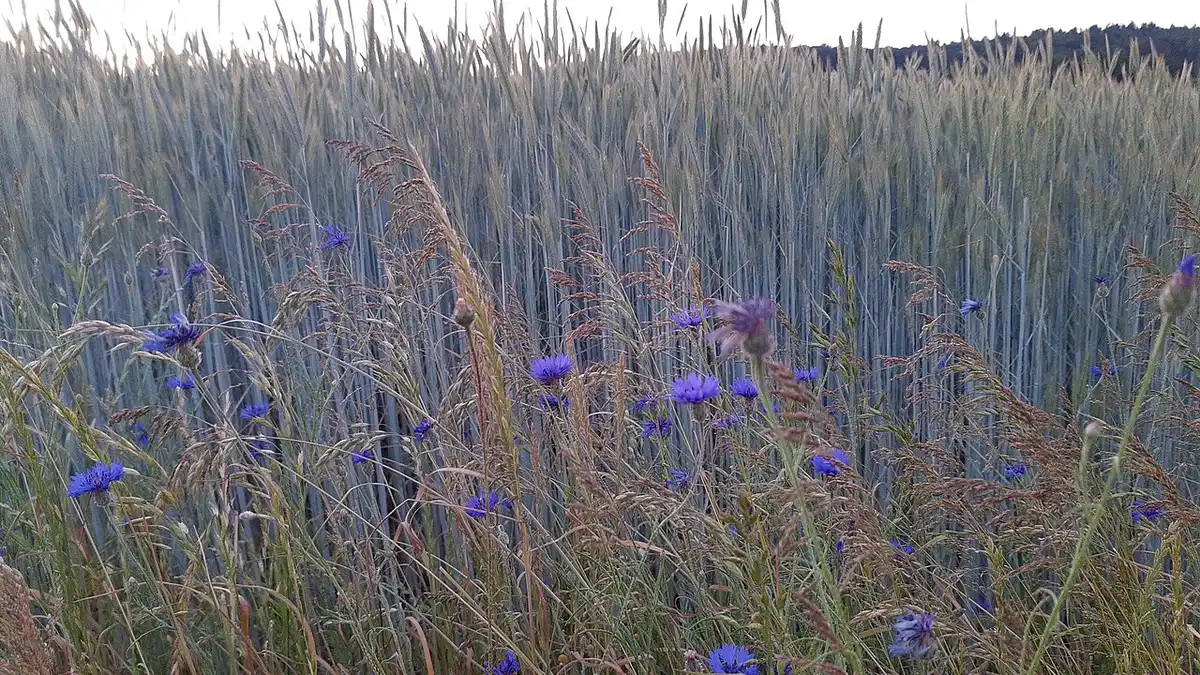
A rye farm installation startup does not build a barn full of machinery and hope the crop follows. It builds a rotation around one autumn-sown grain. The first job is the field itself: light, free-draining ground, often sandy or thin, where rye out-yields its rivals because it tolerates acid soil and low fertility. The second job is the sowing window — usually September into October in a temperate climate — when the seed goes into a firm, fine seedbed at a rate that lets the plants tiller before winter. The third job is the winter itself, which the founder cannot control but must watch: snow cover, hard frosts without snow, waterlogging on heavy patches, and the slow spring green-up that tells the founder whether the stand survived.
That winter habit is the dividing line between rye and the other grains on this site. A wheat farm installation startup works a crop that is usually sown later and demands richer ground, heavier feeding and a tighter spray programme; its whole build is about pushing yield out of good land. Rye is the opposite build: it is about taking a fair yield out of poor land, with less bought-in nitrogen, less fuss over weeds, and a crop that stands through weather that would thin a wheat stand. The founder who copies a wheat plan onto a rye field ends up spending wheat money on a rye crop and wondering where the margin went.
From spring onwards the work is watching the ear. Rye flowers in late spring, and a wet flowering is the moment ergot can enter the crop — dark, hard bodies replacing grain in the ear, which millers reject and which must be cleaned out before the grain can be sold for food. Then comes ripening, and the founder watches the grain dry down to combining moisture while keeping an eye on the sky: rye that is left standing in rain can sprout in the ear, and sprouted grain loses its falling number and its milling value in a day. The combine takes the grain, the straw is cut and baled behind it, and the grain goes to the dryer, the cleaner and the store. At the end of the line there are two products — grain for the mill and straw for bedding, thatch and livestock — and the startup sells both.
The rye year: from autumn sowing to the mill
The rye year starts in early autumn, when the founder walks the fields after the previous crop and decides which ground gets rye. The best ground for rye is the poorest ground on the farm: light sand, thin chalk, acid patches, fields that have never grown a proud wheat crop. The seedbed needs to be firm and fine, because rye seed is small and the seedling is quick to emerge but quick to suffer in a loose, cloddy bed. Sowing runs from September into October, early enough for the plants to tiller and root down before the first hard frosts, late enough to miss the worst of the autumn weed flush. A seed rate in the region of 150 to 200 kilograms per hectare is typical for a winter rye, adjusted down on fertile ground where tillering will be strong and up on poor ground where each plant has to do more work.
Winter is the quiet half of the year, and it is where rye earns its reputation. The crop sits as a low rosette of leaves, hardening off as the temperature falls, and it will take frosts that would kill a less hardy cereal. Snow is a friend: a steady snow cover insulates the crown of the plant against the worst of the cold. The danger is a hard frost on bare ground with no snow, or water lying on the field after winter rain, which rots the crown and thins the stand. The founder’s winter work is mostly looking: walking the field after each cold snap, checking for bare patches, and noting where the stand is thin so the spring plan can adjust. A sorghum farm installation startup never does this work at all — its warm-season grain is sown into spring warmth, grown through summer heat and cut before the cold arrives — and that is the cleanest proof that the two builds are different: one founder watches snow, the other watches heat.
Spring brings the growth surge. Rye tillers hard, then shoots up fast — it is one of the tallest cereals, often standing well over head height by flowering — and the dense canopy shades out weeds that would have needed control in a thinner crop. Flowering comes in late spring, and the founder watches the weather day by day, because a wet, cool flowering is when ergot spores find the open flower. By early summer the grain is filling, the straw is turning, and the founder starts testing grain moisture and watching the forecast for a dry combining window. Harvest is a short, sharp job: the combine takes the grain at the right moisture, the straw is baled behind it, and the grain is dried, cleaned and stored before the autumn rain arrives. Then the cycle starts again, with the same fields, the same autumn sowing window, and a notebook full of what the year taught.
Rye at a glance: the numbers a new founder plans around
| Decision | The rye answer | Why it matters |
|---|---|---|
| Sowing window | September to October | Plants must tiller and root down before winter frosts |
| Winter hardiness | Survives hard frosts and snow cover | The crop overwinters in the field, unlike warm-season grains |
| Best soil | Light, sandy, acid, low fertility | Rye out-yields rivals on poor ground where wheat struggles |
| Plant height | Tall, often over head height | Long straw is a second product, but it can lodge in storms |
| Biggest grain risk | Ergot at flowering in wet weather | Millers reject ergot bodies, so the grain must be cleaned |
| Biggest harvest risk | Sprouting in the ear after rain | Sprouted grain loses its falling number and milling value |
| Two products | Grain for milling, straw for bedding | Price, store and sell them as separate lines |
| Main buyers | Flour millers, bakers, grain merchants | Milling grade decides the price, not the yield alone |
The nine AI tools for a rye farm installation startup
The nine tools below follow the rye year in order, from the variety choice in late summer to the grain sale after harvest. None of them is a generic farm tool with a rye label stuck on it: each one answers a question that comes from rye’s own character — its winter hardiness, its poor-soil habit, its ergot risk, its tall straw and its milling grade. A founder who buys them in this order, and uses them in this order, covers the whole season without doubling up on any job.
1. WinterRye Select AI: the best tool for choosing the winter rye variety
Every rye season starts with the variety, and the variety decision is really a winter decision. WinterRye Select AI ranks rye varieties by the traits that matter on a cold farm: how hard the variety is against frost without snow cover, how quickly it tillers in autumn, how tall it grows, how stiff its straw is against lodging, and how it scores for ergot resistance at flowering. The founder feeds in the farm’s soil type, the sowing date and the local frost record, and the tool returns a short list of two or three varieties that fit that ground, with the trade-offs spelled out — a taller variety gives more straw but lodges sooner, a shorter one stands better but yields less straw, a hardy one survives the winter but may ripen later.
The point of the tool is that it stops the founder buying on habit. A variety that did well on a neighbour’s heavy loam can fail on light sand, and a variety bred for grain alone can leave the founder short of the straw that pays for the baling. WinterRye Select AI keeps the decision on the farm’s own ground and the farm’s own winter, and it keeps a record of which variety went where, so the next year’s choice is made from evidence instead of memory.
2. AutumnSow Planner AI: the best tool for the autumn sowing window and seed rate
AutumnSow Planner AI owns the sowing window. It takes the field list, the seed on hand, the weather forecast and the soil moisture reading, and it builds a day-by-day sowing plan for September into October: which field first, which seed rate, and where the rate goes up on thin ground and down on strong ground. It watches the forecast for the rain that would leave the seedbed too wet to travel on, and it flags the fields that need to go in early because their plants need more time to tiller before the first frosts. The plan updates as the weather moves, so the founder is never working from a printout that the rain made wrong.
What makes the tool rye-specific is the tillering maths. Rye sown early tillers hard and can be sown thinner; rye sown late has less time to tiller and needs a heavier rate to make the same ear count. AutumnSow Planner AI works that trade out field by field, instead of letting the founder sow one flat rate across the farm and waste seed on the strong ground while starving the weak.
3. SourSoil Rye AI: the best tool for poor, acid soils and lime decisions
Rye’s great advantage is that it grows where other cereals sulk, and SourSoil Rye AI is the tool that turns that advantage into a plan. It maps the farm’s soil tests — pH, organic matter, phosphate and potash — and it shows the founder which fields are genuinely poor and which are just tired. On acid sand it confirms that rye is the right crop and holds the lime back, because rye tolerates a low pH that would lock up nutrients for wheat. On ground that is sliding too far the other way it flags the lime that the rotation needs before the next crop, not before the rye. The tool’s rule is simple: spend money on the soil only where the soil will pay it back, and let the rye do the rest.
The tool also keeps the fertiliser plan honest. Rye needs less nitrogen than a high-yielding wheat crop, and too much nitrogen on rye does more harm than good: it pushes soft, tall growth that lodges at the first summer storm and leaves the grain thin. SourSoil Rye AI sets the nitrogen rate from the soil test and the variety’s height, splits it between the spring green-up and the stem-extension stage, and warns the founder when the plan is creeping towards the lodging zone.
4. SnowCover Sense AI: the best tool for snow cover, winter kill and spring green-up
SnowCover Sense AI watches the crop through the months when the founder can do little else but look. It pulls in the temperature record, the snow depth and the frost days for every field, and it scores the winter risk as it builds: a hard frost with no snow cover is a warning, a thaw followed by a freeze is a bigger one, and water lying on the field after winter rain is the worst of all. The tool maps the risk across the farm, so the founder knows which fields to walk first after a cold snap and which low corners are likely to have thinned. In spring it tracks the green-up, field by field, and it turns the first walk of the year into a decision: which stands are sound, which are thin enough to need a spring adjustment, and which are past saving and should go to a spring crop instead.
The value of the tool is that it replaces worry with a record. A founder without it walks the fields in March and guesses whether the winter was kind; a founder with it has the frost nights counted, the snow days counted, and the green-up photographed, so the spring plan rests on numbers.

5. ErgotWatch AI: the best tool for the ergot watch at flowering
ErgotWatch AI is the tool a rye founder hopes never to need and cannot afford to be without. Ergot is a fungus that infects the open rye flower in wet, cool weather and replaces the grain with a dark, hard body that millers reject and that must be cleaned out before the grain can be sold for food. The tool tracks the flowering date of every field, the rainfall and humidity through the flowering window, and the ergot history of the rotation, and it raises the watch level when the weather turns against the crop. It tells the founder which fields flowered in the rain, which are most at risk, and when to walk the crop and look for the dark bodies in the ear.
The tool’s second job is the harvest decision that follows a bad ergot year. It estimates the likely contamination field by field, so the founder can plan the cleaning: the worst fields go through the cleaner twice, the clean fields go straight to store, and nothing is mixed until the grade is known. That separation is worth real money, because a single dirty load mixed into a clean bin can drag the whole bin below milling grade.
6. RyeRipe Sense AI: the best tool for ripeness and combining moisture
RyeRipe Sense AI calls the harvest. It tracks grain moisture, straw colour and the forecast together, and it tells the founder which field is ready, which needs another dry day, and which is at risk if the rain that is coming on Thursday arrives before the combine does. The tool’s judgement is built around the two numbers that decide a rye harvest: the grain moisture at cutting, which needs to be low enough to store without heating, and the falling number, which falls fast when ripe grain is wetted and starts to sprout in the ear. A field that is cut a day early and dried costs drying money; a field that is cut a day late after rain can lose its milling grade altogether, and the tool prices that trade out in plain numbers.
The tool also plans the combining order, which matters more on rye than on most cereals because the straw is a product too. It sequences the fields so the combine moves from the ripest to the least ripe, the straw is baled while it is still dry, and the grain goes straight to the dryer instead of sitting in a trailer in the rain.
7. RyeStraw Bale AI: the best tool for straw cutting, baling and storage
RyeStraw Bale AI treats the straw as what it is: the farm’s second product, not the combine’s leftover. Rye straw is long, clean and bright, and it sells for bedding, for thatch and for livestock, at prices that make the baling worth doing well. The tool plans the cutting height, the swath width and the baling window, so the straw is cut long, dried in the swath and baled before the rain softens it. It counts the bales field by field, grades them by length and cleanliness, and it books the storage: which bales go under cover, which can stand in the stack, and how many the buyer has already spoken for.
The tool’s quiet value is in the lodging fields. A rye crop that has gone flat in a storm is slow to combine and the straw is tangled, damp and hard to bale cleanly. RyeStraw Bale AI marks those fields early, plans the slower combining pass they need, and prices the straw down before the buyer does, so the founder is never surprised at the stack.
8. MillGrade Rye AI: the best tool for milling quality, flour grade and falling number
MillGrade Rye AI is the tool that turns a heap of grain into a price. It takes the samples from every field — specific weight, moisture, ergot count, falling number and germination — and it grades the grain the way a flour miller grades it, before the miller does. The founder learns which fields make milling grade, which are feed grade, and which need cleaning before they can be offered for food use at all. The tool also tracks the falling number through the harvest, so a field that is slipping after a wet night is caught before it is mixed into a bin of good grain, and the grain that is still sound is kept sound.
The tool’s other job is the conversation with the buyer. Rye flour goes to bakers for rye bread, crispbread and dark loaves, and those bakers buy on specification, not on a handshake: they want a falling number, a specific weight and a clean ergot count, and they will pay for grain that meets the sheet and walk away from grain that does not. MillGrade Rye AI holds the specification for each buyer, matches the farm’s bins against it, and tells the founder which bin to offer to which buyer and what the price should be.
9. RyeGrain Trade AI: the best tool for grain contracts, buyers and farm records
RyeGrain Trade AI runs the business end of the farm. It holds the contracts with the millers, the merchants and the bakers, tracks the tonnage promised against the tonnage in the bins, and it flags the moment the farm is over-promised or under-sold. It prices the grain by grade, not by the load, so the milling grain earns its premium and the feed grain is sold honestly as feed. It also keeps the straw sales in the same book, so the founder can see the whole season’s income in one place: grain by grade, straw by bale, and the costs of seed, drying and cleaning set against them.
The tool matters because a rye startup sells into a smaller market than a wheat farm does, and a smaller market punishes a founder who is disorganised. A millet farm installation startup faces the same problem in its own grain market, and the answer is the same in both cases: know what is in the bins, know what is promised, and never promise the same tonne twice.
Checklist: starting a rye farm installation startup
- Walk the ground in late summer and pick the poorest, lightest, most acid fields for rye — that is where it beats every other cereal.
- Choose the variety on winter hardiness and ergot resistance first, and on yield second, with WinterRye Select AI.
- Sow in the September to October window at a rate that fits the field, and log the date and rate for every field.
- Watch the winter with SnowCover Sense AI: count the frost nights, note the bare ground, and walk the thin patches first in spring.
- Watch the flowering weather for ergot, keep the worst fields separate at harvest, and clean before you mix.
- Cut on the dry day, bale the straw while it is dry, grade the grain before you offer it, and sell grain and straw as separate lines.
Frequently asked questions
What is a rye farm installation startup?
It is a small farm business built around growing rye: a cold-hardy winter grain sown in autumn, grown through winter and spring, and harvested the following summer for grain and straw. The startup sets up the fields, the sowing, the winter watch, the harvest and the sales, and it sells the grain to millers and bakers and the straw for bedding and thatch.
When should rye be sown?
In September into October, in a temperate climate. The plants need time to tiller and root down before the first hard frosts, so early sowing on thin ground is safer than late sowing. A crop sown too late goes into winter small and thin, and it comes out of winter thin as well. The sowing rate is usually in the region of 150 to 200 kilograms per hectare, lower on strong ground where tillering will be heavy and higher on poor ground where each plant has to do more work.
Why does rye grow on poor soil?
Rye tolerates acid, sandy, low-fertility ground that would starve a wheat crop. Its root system explores poor soil well, it needs less nitrogen, and it competes hard with weeds once it is up and tillering. That is why the best rye ground on a farm is often the poorest ground: the crop turns a field that grows a thin wheat crop into a field that grows a fair rye crop and a good straw crop, and the margin comes from the low input cost rather than from a high yield.
What is ergot, and why does it matter for rye?
Ergot is a fungus that infects the open rye flower in wet, cool weather and replaces the grain with a dark, hard body. Millers reject grain with ergot in it, so an infected crop must be cleaned before it can be sold for food use, and badly infected grain may only make feed grade. The risk is highest when flowering coincides with rain, which is why the flowering weather is the most watched week of the rye year, and why the worst fields should be kept separate from the clean ones at harvest.
Can one person run a rye farm installation startup?
A small rye farm can be run by one person with the right kit and the right help at the two busy moments: sowing and harvest. The winter is quiet, the spring work is mostly walking and watching, and the nine tools in this guide are built for a small team that needs to know what to do next without employing a full crew. The moments that need extra hands are the sowing window, when the seedbed and the weather will not wait, and the harvest, when the combine, the baling and the carting all happen at once.
What goes wrong most often on a new rye farm?
The commonest mistakes are sowing too late, feeding the crop like wheat and lodging it, mixing dirty grain with clean grain at harvest, and leaving the straw to the rain. Each one is cheap to prevent and expensive to fix: sow in the window, keep the nitrogen modest, keep the ergot fields separate, cut on the dry day and bale the straw while it is dry.
The bottom line
Rye is the grain for the farm that other cereals have given up on: poor ground, cold winters, short seasons and tight budgets. It asks for an autumn sowing, a watchful winter, a careful eye at flowering and a dry day at harvest, and in return it gives grain for the mill and straw for the stack, from ground that would grow little else. The nine tools in this guide cover that bargain in order, from the variety choice to the grain sale, and they keep a small startup in control of a crop that spends half its life out of sight. Start with the poorest field, sow in the window, watch the winter and the flowering, and sell the grain by grade and the straw by the bale — the rest of the season will follow.

Keep what speaks to you.
Leave room for your own perspective.