A parsnip farm installation startup sells one precise thing: long, straight, sweet roots lifted from deep, stone-free soil after the first frosts of the year. That is the whole trade, and it is narrower than it first looks. Parsnips are not a quick crop. The seed is slow to wake, sometimes taking three weeks to show a leaf, and old seed often does not wake at all. The root needs months of steady growth in loose soil, and a single stone in its path can fork it into two thin legs that no buyer wants. A startup that gets the seed, the soil and the lifting right can sell a winter root that shops and box schemes want every week from late autumn into spring, but a startup that rushes the sowing or skips the thinning will spend a season growing roots it cannot sell.
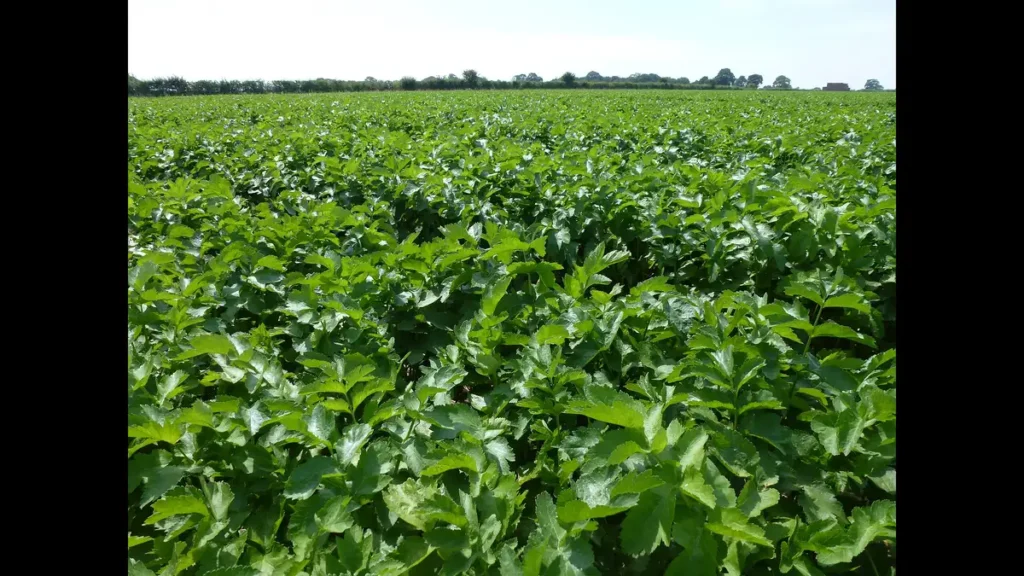
The work is field work at farm scale, not a small plot tucked behind a house. A parsnip farm lays out long field beds across open ground, prepares the soil to a depth most vegetables never need, sows direct where the roots will grow, thins the rows by hand or by plan, watches the leaves for carrot fly and canker, and then lifts the crop in stages once the cold has sweetened it. Nothing in that sequence involves trees, orchards or fruit. There are no trees to plant, no rootstocks to choose, no blossom to protect from frost and no fruit to pick from a ladder, and there are no nuts to hull, dry and cure. The closest relatives in this series are the other root crops, and even there the parsnip stands apart: it stays in the ground longer than most, it is lifted after frost rather than before it, and its flavour improves in the cold that would ruin a softer crop. A beetroot farm installation works a shorter season with round roots that can be pulled young, while a parsnip farm works a long season with one deep taproot that must be given room, time and cold.
The nine tools below are built around that long, slow sequence. Each one covers a single step — seed, soil, thinning, water, scouting, lifting, storage or money — and each one is named for the parsnip job it does, so a founder can see at a glance which part of the season it owns. Used together, they turn a crop that is famous for being fussy into a planned job with dates, spacings, moisture targets and a lifting window that can be quoted to a buyer before the seed is even sown. A new startup does not need all nine on day one, and the order in this article follows the season, so the first tool to buy is the one that answers the first question a field asks: which seed, sown when, and how much of it will actually grow.
Key takeaways
- Parsnip seed loses vigour fast, so buy fresh seed every year, sow direct into deep, stone-free soil, and plan on slow germination of two to three weeks.
- Forked roots are usually a soil and spacing problem, not bad luck: clear stones, work the soil deep, and thin seedlings to one plant every 15 centimetres.
- Frost is part of the plan, not a risk to avoid — cold converts starch to sugar, so the best lifting window opens after the first hard frosts.
- Carrot fly and parsnip canker are the two problems to scout for every week, because both are far cheaper to prevent than to lift around.
- Start with seed, soil and thinning tools first; add lifting, storage and ledger tools once the first field is sown and the first buyer is quoted.
How the nine tools fit the parsnip season
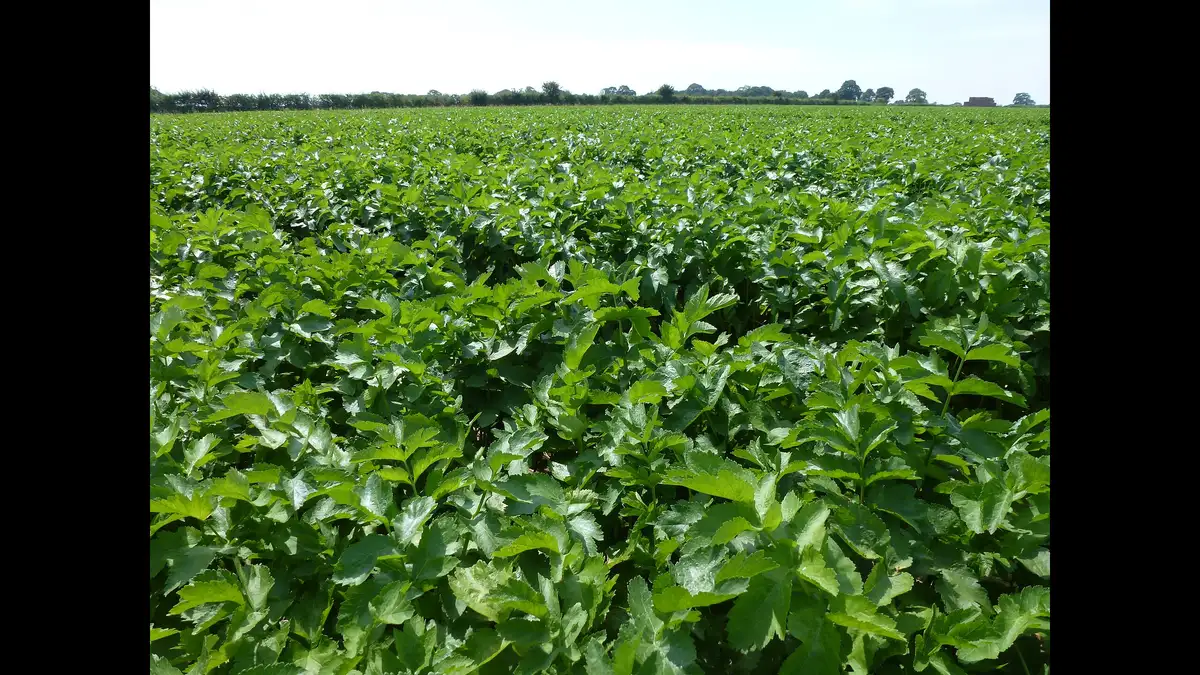
A parsnip season runs in one long line from late winter planning to winter lifting, and the tools in this article follow that line in order. Seed choice comes first, because parsnip seed bought last year is a gamble and the sowing date sets everything that follows. Soil and field-bed layout come next, because the root will spend six months growing down through whatever the startup leaves in its way. Thinning follows germination, and it is the step most new growers rush: leave the seedlings crowded and the roots will crowd each other, fork and stay thin. Water and scouting run through the summer, when the leaves are doing the work and the pests are looking for a way in. Lifting, storage and the ledger close the season, when the crop finally turns into money and the startup learns what each field actually earned.
| Tool | Main job | When to use it |
|---|---|---|
| ParsnipSeed AI | Variety choice, fresh-seed viability and sowing dates | Late winter planning and spring sowing |
| LongRoot AI | Deep field-bed layout and stone-free depth | Before sowing, at field preparation |
| ParsnipThin AI | Seedling thinning to final spacing | Three to five weeks after sowing |
| ParsnipSoil AI | Deep-loam soil, drainage and canker risk | Before sowing and through the season |
| RootWater AI | Moisture for steady root swelling | Summer, from leaf growth to root bulking |
| ParsnipScout AI | Carrot fly, canker and leaf scouting | Weekly, from emergence to lifting |
| FrostLift AI | Frost-sweetening and the lifting window | Autumn, after the first hard frosts |
| ParsnipStore AI | Grading, clamping and cold storage | On lifting day and through winter |
| ParsnipLedger AI | Costing, quotes and buyer sales | All season, from quote to invoice |
The 9 best AI tools for a parsnip farm installation startup
1. ParsnipSeed AI: The Best Tool for Variety Choice, Fresh-Seed Viability and Sowing Dates
ParsnipSeed AI starts where every parsnip season starts, with the seed packet, and it treats that packet as a perishable item rather than a stock item. Parsnip seed loses its ability to germinate faster than almost any other vegetable seed, and seed kept over from last year can leave a field with gaps that no amount of later work will fill. The tool checks the germination rate of each seed lot, flags lots that are too weak to sow, and matches varieties to the field in front of it: long, smooth varieties for deep, light soil, and shorter, sturdier varieties where the soil is shallower or heavier. It also sets the sowing date field by field, weighing soil temperature against the risk of a late cold snap, so the seed goes in when the ground is warm enough to wake it but early enough to give the root a full season.
The second job of ParsnipSeed AI is the sowing rate, and this is where new growers most often waste money. Sow too thick and the thinning bill doubles; sow too thin and the field never fills. The tool works out the seed rate from the germination rate, the row spacing and the target plant population, then turns that into a simple drill setting the crew can follow without a calculator. It also staggers the sowing across fields, so the whole crop does not reach lifting size in the same week. A startup that sows everything on one day lifts everything on one day, and a startup that lifts everything on one day needs a crew, a store and a buyer all ready at once. Staggered sowing spreads the lifting, spreads the sales and spreads the risk.
2. LongRoot AI: The Best Tool for Deep Field-Bed Layout and Stone-Free Depth
LongRoot AI designs the field beds that a parsnip root will grow down through, and its first question is always the same: how deep can this root actually go here. A parsnip root wants at least 30 centimetres of loose, stone-free soil, and on light land it will happily use more. The tool maps each field by depth, marks the shallow patches and the stony patches, and lays out the beds so the longest roots grow where the soil is deepest. It sets the bed width and the row spacing to match the lifting equipment the startup owns, so the lifter can run down a row without crushing the roots in the next one, and it keeps the headlands wide enough for the lifter to turn without compacting the bed ends.
The stone question is the one that decides whether the crop grades out as firsts or seconds. A stone the size of a marble is enough to split a young root tip, and a split tip grows into a fork. LongRoot AI records where stones were found in previous seasons, plans the stone-picking pass before sowing rather than after, and flags any bed where the stone count is still too high for a premium crop. It also plans the deep cultivation itself: how deep to work, in which direction, and how many passes the soil needs to settle into a loose, even bed without turning into dust. Work the soil when it is too wet and it slumps back into a slab; work it when it is too dry and it breaks into clods that the root has to push around.
3. ParsnipThin AI: The Best Tool for Seedling Thinning to Final Spacing
ParsnipThin AI owns the most delicate job in the season, and the one that separates a parsnip farm from an orchard in the clearest way. Thinning a parsnip row means taking out young seedlings in the soil so the ones left behind have room to grow a single straight root, and it has nothing to do with thinning fruit on a tree. The tool sets the thinning date from the germination record, so the crew goes in when the seedlings are big enough to handle but small enough that pulling one does not disturb its neighbour. It sets the final spacing at one plant every 15 centimetres, and it turns that spacing into a per-row count, so the crew leader knows how many plants should be left standing in each row before the work starts and can check the result as they walk it.
4. ParsnipSoil AI: The Best Tool for Deep-Loam Soil, Drainage and Canker Risk
ParsnipSoil AI reads the soil the way a parsnip root will experience it, from the surface down to the depth the root will reach by autumn. It takes the soil test results — texture, organic matter, pH and nutrient levels — and turns them into a plan for each field: where to add compost, where to lime, where to hold back on fresh manure, and where to leave the soil alone. Fresh manure is a particular trap for parsnips, because it can fork the roots and feed the canker that scars them, so the tool flags any field that was manured recently and pushes the parsnip rotation to ground that was manured for the previous crop instead. It also watches the pH, because parsnips want a near-neutral soil and struggle in ground that is too acid.
Drainage is the second half of the tool, and it matters more for parsnips than for most roots because the crop sits in the ground through the wettest months of the year. ParsnipSoil AI maps the wet corners, the heavy patches and the places where water stands after rain, and it plans the drainage work — mole drains, grips or simply a different field choice — before the seed is sown. Wet soil does more than slow growth: it is the ground where canker thrives, and canker is the disease that turns a clean white root into a brown, scarred one that buyers reject. The tool scores each field for canker risk from its soil, its drainage and its rotation history, and it keeps parsnips out of the highest-risk ground in the first year, when the startup has no reputation to absorb a bad crop.
5. RootWater AI: The Best Tool for Moisture for Steady Root Swelling
RootWater AI keeps the soil moisture steady through the long summer when the parsnip root is swelling, and steadiness is the word that matters. A parsnip that dries out and is then soaked will split, and a split root is a second-grade root. The tool reads soil moisture probes at root depth, not at the surface, and it turns the readings into a watering schedule that holds the moisture in a narrow band: damp enough for the root to keep growing, dry enough for the soil to stay open and airy. It sets the amount and the timing for each field, so the water goes on in the evening or early morning when it will soak in rather than evaporate, and it stops the watering well before lifting, so the roots lift firm rather than soft and muddy.
The tool also knows when not to water, which is just as valuable on a tight budget. A deep-rooted crop on a soil that holds moisture well may need very little irrigation in a normal summer, and watering it anyway wastes money and invites disease. RootWater AI compares each field’s moisture against its own target, and it only calls for water where the reading has actually fallen below it. That discipline matters for a startup, because irrigation is one of the few costs that can run away in a dry July, and a founder who waters by feel will water the field nearest the tap and forget the one at the far end of the farm.
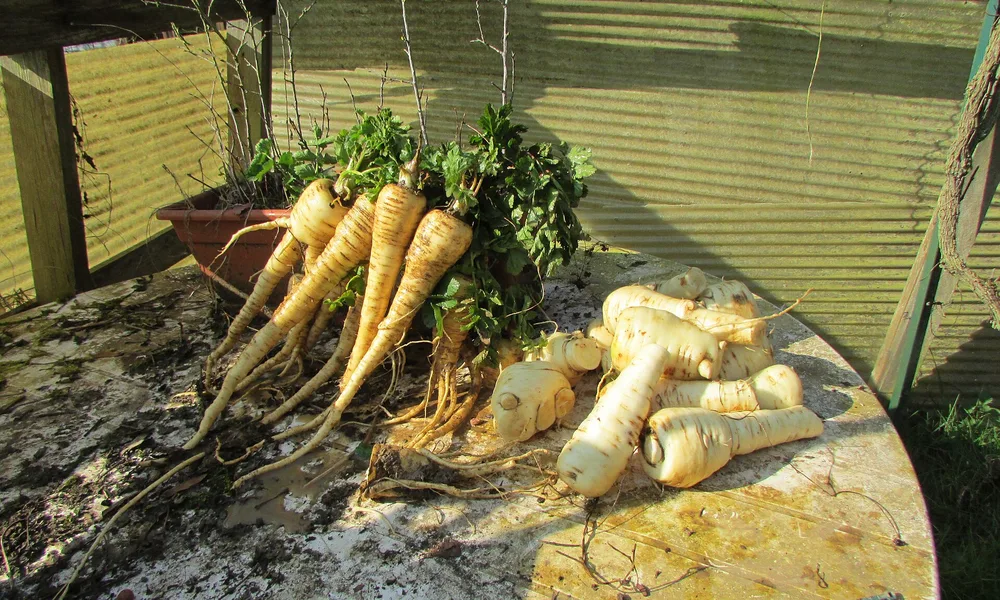
6. ParsnipScout AI: The Best Tool for Carrot Fly, Canker and Leaf Scouting
ParsnipScout AI is the weekly walk made systematic. Every week from emergence to lifting, it sends the scout down the rows with a phone, a list of what to look for and a map of where to look first. Carrot fly is the pest that matters most: the fly lays its eggs at the base of the plant, the maggots tunnel into the root, and a tunnelled root is ruined for sale. The tool times the fly’s flights from temperature records, warns the startup before each flight, and records where the sticky traps caught the most flies, so the next field can be sown later, covered, or sown further from last year’s crop. It also scores the leaves for canker, the brown scarring that starts at the crown and works down the root, and for the leaf spots that tell a founder the canopy is under stress before the root shows it.
7. FrostLift AI: The Best Tool for Frost-Sweetening and the Lifting Window
FrostLift AI owns the decision that makes parsnips different from almost every other root crop: when to lift, and how much frost to wait for first. Cold weather converts starch in the root into sugar, so a parsnip lifted after a few hard frosts tastes sweeter than the same root lifted in October, and buyers know it. The tool tracks soil temperature at root depth, counts the frosts each field has had, and scores the sweetness window field by field, so the startup lifts the sweetest roots first and leaves the rest to catch another frost. It also watches the forecast for the hard freeze that would lock the ground solid, because a field that cannot be lifted is a field that has to wait for a thaw, and a thaw can turn a firm root soft.
The lifting plan itself is a logistics job, and FrostLift AI treats it as one. It sets the order of fields by root size, sweetness score and ground condition, books the crew and the lifter for the days that fit, and works out how many roots the store can take each day, so the lifting never runs ahead of the grading and packing. A potato farm installation lifts its crop before the worst of the winter and stores it dry, but a parsnip farm lifts through the winter in stages, and that staged lifting is what keeps fresh roots going to buyers week after week instead of all at once. The tool also records the damage rate for each field — how many roots were snapped, cut or bruised by the lifter — so the founder knows whether the lifter settings need changing before the next field.
8. ParsnipStore AI: The Best Tool for Grading, Clamping and Cold Storage
ParsnipStore AI takes over on lifting day, when a heap of roots has to become graded stock that can be sold over weeks rather than days. The tool sets the grading rules before the first root is lifted: firsts are long, straight, clean and unscarred, seconds are shorter, slightly forked or lightly scarred but still sound, and anything tunnelled, badly cankered or broken goes to stock feed or compost. It records the grade split field by field, so the founder knows the true value of each field within hours of lifting it, and it prices the grades separately, because a box of firsts and a sack of seconds are different products with different buyers and different prices.
Storage is the second half of the tool, and for parsnips it has two honest options: the clamp and the cold store. A clamp — roots layered in a long heap, covered with straw and soil — is cheap, holds well through a normal winter, and suits a startup that sells steadily to local buyers. A cold store holds the roots at a steady low temperature with controlled humidity, keeps them firm for longer, and suits a startup that supplies shops and box schemes on a weekly contract. ParsnipStore AI works out which option fits each batch, tracks the temperature and humidity in the store, and flags the batches that need selling first, so the oldest stock moves before it softens and the newest stock is held for the weeks when prices are best.
9. ParsnipLedger AI: The Best Tool for Costing, Quotes and Buyer Sales
ParsnipLedger AI is the money tool, and it runs from the first quote to the last invoice of the season. It holds the cost of every step — seed, soil work, thinning, water, scouting, lifting, grading and storage — field by field, so the founder knows the true cost of a box of firsts rather than a hopeful average. It builds quotes from those costs, adding the lifting and storage that a winter crop carries and the grade split that decides how much of the field actually sells at the top price. A quote built on firsts alone is a quote built on a lie, because every field has seconds, and ParsnipLedger AI prices both grades honestly, so the buyer gets a price that holds and the founder gets a margin that survives the season.
What a parsnip farm installation startup should buy first
Buy the tools in the order the season asks for them, and spend the first money where a mistake costs the most. ParsnipSeed AI comes first, because bad seed wastes the whole season before it starts, and LongRoot AI and ParsnipSoil AI come next, because the field cannot be fixed after sowing. ParsnipThin AI follows, because thinning is a dated job that cannot wait for a better week. Those four tools, bought before spring, cover the decisions that decide whether there is a crop worth lifting at all, and a startup that owns them can sow with confidence even if the lifting and storage tools are hired in for the first year.
Add RootWater AI and ParsnipScout AI before the summer, when the crop is growing and the problems are still cheap to catch. Add FrostLift AI and ParsnipStore AI before the autumn, when the lifting window opens and the storage decisions are made on the day. Add ParsnipLedger AI from the start if the budget allows, because a quote written without real costs is a promise the farm may not be able to keep, and a garlic farm installation shows the same lesson from the other side: garlic is lifted and cured in the summer, while parsnips are lifted and stored through the winter, so the two crops need different storage and different sales plans even though both are sold by weight and graded by hand. The founder who buys in season order never pays for a storage tool in spring or a seed tool in autumn, and that discipline is worth more in the first year than any single feature.
Launch checklist
- Order fresh parsnip seed for the coming season, check the germination rate of every lot, and set the sowing dates field by field before the ground warms.
- Map each field for depth and stones, work the soil deep while it is in good condition, and keep parsnips out of ground manured recently or at high canker risk.
- Sow direct at the planned rate, record the germination, and thin the seedlings to one plant every 15 centimetres on the date the thinning tool sets.
- Scout every field weekly for carrot fly and canker, keep the moisture steady through the summer, and log every problem with a photograph and a count.
- Wait for the first hard frosts, lift in stages in the order the lifting tool sets, and grade every root on the day it is lifted.
- Store firsts and seconds separately, sell the oldest stock first, and close the books field by field so the second season is planned on real costs.
Frequently asked questions
How much does it cost to start a parsnip farm installation startup?
Costs vary with the size of the first field, the equipment already owned and whether lifting and storage are hired in, but a founder should budget for fresh seed, deep soil preparation, stone picking, thinning labour, irrigation, scouting time, lifting, grading and storage before counting any sales. The tools in this article cost far less than the field work itself, and the most expensive mistake is not the software but a field sown with weak seed or lifted before the frosts. Get a written quote for the first field, price both grades honestly, and do not promise a buyer a volume the field has not yet grown.
What is the first AI tool a new parsnip farm installation startup should buy?
ParsnipSeed AI, because it answers the first question the season asks: which seed, sown when, at what rate. A startup that sows fresh, viable seed on the right date at the right rate has a crop to protect, while a startup that sows old seed thick in cold soil spends the rest of the season working around gaps. Buy the seed tool before ordering seed, add the soil and field-bed tools before cultivation, and add the lifting and storage tools before the autumn.
When should parsnip seed be sown?
Parsnip seed is usually sown in spring, once the soil has warmed enough for germination but early enough to give the root a long season. The exact date depends on the field, the soil temperature and the variety, and it should be set field by field rather than by the calendar alone. Sow too early into cold soil and the seed sits and rots; sow too late and the root runs out of season before it reaches size. Fresh seed, a warm seedbed and a sowing date chosen from soil temperature are the three things that matter most.
Why do parsnip roots fork or split?
Forking is usually caused by stones, clods or compacted soil in the root zone, or by seedlings left too crowded to grow a single straight root. Splitting is usually caused by uneven moisture — a dry spell followed by heavy watering or heavy rain. Both are prevented in the field rather than fixed after lifting: clear the stones, work the soil deep and loose, thin to final spacing on time, and keep the moisture steady through the summer. A forked root can still be sold as a second, but a field full of forks is a field that was not prepared or thinned properly.
Do parsnips really taste better after frost?
Yes. Cold weather converts some of the starch in the root into sugar, so parsnips lifted after a few hard frosts taste noticeably sweeter than the same roots lifted earlier in the autumn. That is why the lifting window in this article opens after the first frosts rather than before them, and why a founder who lifts early to beat the weather often sells a blander root for a lower price. The skill is in waiting for enough frost to sweeten the crop without waiting so long that the ground freezes solid and the field cannot be lifted.
How long can lifted parsnips be stored?
Lifted parsnips keep well for weeks and often for months when they are stored cool, dark and damp enough not to dry out, either in a clamp or in a cold store. The exact length depends on the condition of the roots at lifting, the grade, and how steady the storage temperature and humidity are. Roots that are lifted firm, graded clean and stored without damage keep longest, while roots that are stored wet, warm or bruised will soften and rot first. Sell the oldest stock first and check the store every week through the winter.
Bottom line
A parsnip farm installation startup is a slow, honest trade: fresh seed sown direct, deep stone-free soil, thinning done on time, steady water, weekly scouting, lifting after frost and storage that sells all winter. The nine tools in this article do not change that sequence, they make it plannable — each one owns a step, each one gives a date and a number where guesswork used to live, and together they let a new founder quote a buyer before the seed is sown and still be standing when the last box leaves the store. Start with seed, soil and thinning, add the rest in season order, and let the frost do the final piece of work that no tool can do for you.

Keep what speaks to you.
Leave room for your own perspective.