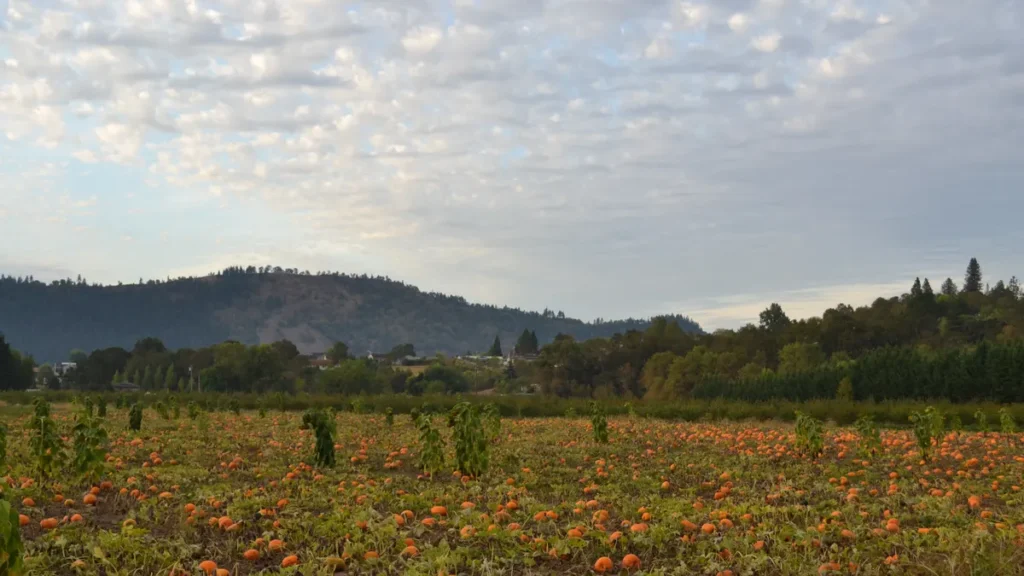
An orchard installation startup does one job that looks simple from the road and turns out to be anything but: it takes bare ground and turns it into a fruit orchard that will still be paying ten, twenty or thirty years from now. The trees go in once, in rows that cannot be moved, on soil that has to drain the right way, with water lines buried where the roots will actually reach. Get the spacing wrong and the trees shade each other out by year five. Get the variety wrong and the fruit ripens the week the buyer does not want it. Get the irrigation wrong and a dry summer undoes two years of careful growth in a month.
That is why the tools matter more here than in most landscaping trades. An orchard is a long bet, and the installer is the person placing it. The best AI tools for this work do not plant trees by themselves. They measure the ground before a spade touches it, map the soil so the right variety goes on the right patch, watch water use tree by tree, count the fruit while it is still small and green, and tell the crew which block to pick first. Used well, they turn guesswork into a plan a customer can see, understand and pay for with confidence.
This guide compares nine tools that fit the planting build: trees, spacing, soil, irrigation and harvest. Every one of them earns its place by helping an installer plant an orchard, establish it through its first seasons, or bring in its first real crop. None of them is a tour booking system, a cider press planner or a greenhouse controller. If you are starting an orchard installation business in 2026, this is the stack to judge the rest against.
Key takeaways
- Start with the ground, not the trees: a drone map and a soil map cost far less than replanting a block that was planted on the wrong patch.
- Water is the biggest running cost and the biggest risk, so tree-level sensing beats a timer on a tap every time.
- Counting fruit months before harvest is what turns a fixed-price installation quote into a business with repeat visits and honest forecasts.
- Picking robots and vision tools are still expensive, so sell them as a harvest service first and buy them later.
- The cheapest tool in this guide is a soil sensor; the most expensive mistake is planting without one.

What an orchard installation startup actually does
An orchard installation is not gardening, and it is not farming in the usual sense. It is a construction job where the building material is alive. The installer prepares the ground, lays out the rows, plants the trees at the right depth and spacing, installs the irrigation and the support posts, and then stays involved while the trees establish. A tour company shows visitors an orchard that already exists. A cider maker buys fruit from an orchard someone else planted. An installer creates the orchard itself, and the quality of that creation decides everything that follows.
That distinction shapes the tools. A booking system will not tell you whether the soil drains. A fermentation monitor will not tell you whether a young tree is thirsty. The tools that matter here are the ones that measure the ground, the water, the pests and the fruit, because those are the four things that decide whether an orchard lives or dies. The nine tools below are grouped by the job they do, starting with the ground and ending with the harvest.
One more distinction is worth making before the list begins. An orchard is not a vineyard. Vines are planted in rows on trellis wires, trained along a canopy, and harvested as grapes for wine. Fruit trees are planted as individual trees with space to grow a canopy of their own, pruned as trees, and picked as individual fruit. The tools overlap in places, but the planting logic is different, and every tool below is judged on the orchard job: trees, spacing, soil, irrigation and fruit picking. If you want the irrigation side in more depth, our guide to the best AI tools for drip irrigation installation startups covers the watering hardware in detail.
The 9 best AI tools for orchard installation startups at a glance
| Tool | What it does for an orchard installer | Category | Pricing |
|---|---|---|---|
| Pix4Dfields | Drone maps for layout and tree health | Drone mapping | Quote-based |
| CropX | Soil moisture and soil mapping for planting | Soil sensing | Subscription |
| Treetoscope | Tree-level irrigation sensing | Irrigation sensing | Subscription |
| Phytech | Plant-based irrigation scheduling | Irrigation scheduling | Subscription |
| Semios | Orchard pest monitoring and mating disruption | Pest monitoring | Subscription |
| Orchard Robotics | Fruit counting and yield maps from tractor vision | Yield vision | Quote-based |
| Hectre Spectre | Apple size and count at harvest | Harvest sizing | Subscription |
| FruitSpec | Pre-harvest yield estimation | Yield estimation | Quote-based |
| Tevel Aerobotics | Robotic fruit picking | Harvest robotics | Quote-based |
Plan the orchard before a tree goes in
The cheapest orchard to fix is the one that is still a drawing. The two tools in this section both work before planting, and both pay for themselves by stopping the mistakes that cannot be undone once the trees are in the ground. A drone map shows the shape of the land. A soil map shows what the land is made of. Together they are the planting plan, and a startup that can show a customer that plan is already ahead of one that works from a sketch on the back of a quote.
1. Pix4Dfields
Best for drone maps that turn a bare field into a planting plan.
Pix4Dfields takes drone photographs of a site and stitches them into maps an installer can actually use: elevation, drainage lines, wet patches and the exact shape of the ground. Before a single tree is ordered, you can walk a customer through the field on a screen and show them where the rows will run, where water will sit after rain, and which corner is too low for apples and better suited to something that tolerates wet feet. That conversation is worth more than the map itself, because it is where expensive mistakes get caught while they are still free to fix.
Once the trees are in, the same drone flights become health maps. A multispectral pass shows which rows are growing strongly and which are falling behind, weeks before the difference is visible from the ground. For a startup that offers a first-year establishment visit, that is a real service: fly the block, mark the weak trees, and go back with a spade and a soil test instead of a shrug. The maps also give you a record of the job as built, which matters when a customer asks, two years later, why one row is shorter than the rest.
2. CropX
Best for soil maps that decide which variety goes where.
CropX puts soil sensors in the ground and turns their readings into maps of moisture, temperature and soil behaviour across a block. For an orchard installer, the value starts before planting: the sensors reveal that the top of the field holds water differently from the bottom, or that one strip dries out a week faster than the rest. That is the difference between planting one variety across the whole block and matching varieties and rootstocks to the ground they will actually live in.
After planting, the same sensors become the irrigation plan. Instead of watering every row the same amount on the same day, you water the dry patch more and the damp patch less, and you can show the customer the readings that prove it. Young trees are unforgiving about both drought and waterlogging, and the first two summers decide whether a tree becomes a producer or a replacement. CropX gives you numbers to defend your watering decisions, which is exactly what a customer paying for a professional installation wants to see.
Planning well also means knowing what you are not building. A vegetable garden is planted and replanted every year, with beds that can be moved and crops that can be swapped. An orchard is planted once and lives for decades, so the plan has to be right the first time. Our guide to the best AI tools for vegetable garden installation startups is useful for the annual side of a customer’s garden, but the orchard plan is a different document with a much longer horizon.
Water the trees, not the grass
Water is the largest running cost in a young orchard and the most common reason young trees fail. Too little and the tree stops growing. Too much and the roots rot. The two tools in this section both measure what the tree needs rather than what a timer says to give it, and that difference is worth real money over a dry summer. They also give the installer something valuable: a record of how the orchard was watered, which is the best defence when a customer asks why a tree died.
3. Treetoscope
Best for knowing how much water each tree actually drinks.
Treetoscope measures water use at the level of the individual tree, using sensors that track how a tree pulls water through its trunk as the day warms up. That sounds like a small detail until you realise that most orchard irrigation is guesswork: a timer, a fixed schedule, and a hope that the weather cooperates. Treetoscope replaces the hope with a reading. When a tree is drinking hard, it needs water. When it is not, watering it anyway is money and water poured into the ground for nothing.
For an installation startup, this is a powerful aftercare product. You plant the orchard, you fit the sensors to a sample of trees, and you come back with a report that says, in plain numbers, how the young trees are settling in. A customer who can see that their trees drank steadily through a hot week, and that the irrigation kept up, trusts the installer far more than a customer who only has a verbal assurance. It also catches problems early: a tree that stops drinking is often a tree with a root problem, and finding that in week three beats finding it in month six.
4. Phytech
Best for irrigation schedules based on the plant, not the calendar.
Phytech builds irrigation schedules from what the plant is doing, rather than from a calendar or a weather forecast alone. Sensors on the tree and in the soil feed a system that tells you when to water, how much to put on, and when to stop. The result is an orchard that gets water when the trees need it, which is usually less water overall than a fixed schedule uses, and a healthier root system, because the trees are never sitting in water they did not ask for.
The practical benefit for an installer is that Phytech turns irrigation into a managed service. You do not just bury the pipes and walk away; you hand over a system that keeps making decisions, and you stay in touch through the first season as the schedules settle in. That ongoing relationship is the difference between a one-off installation fee and a business with returning customers. Growers who have watched their water bills fall and their trees grow evenly tend to call the same installer back for the next block.
Keep pests and disease out of young trees
A young tree has little leaf to lose, so pest damage that a mature tree would shrug off can set a new planting back a full year. The answer is not to spray more. It is to watch more closely, and to act at the moment the pests arrive rather than the week after. One tool in this guide does that job, and it does it well enough to be worth its subscription on any block of fifty trees or more.
5. Semios
Best for pest monitoring that protects young trees without blanket spraying.
Semios watches for orchard pests with traps and sensors that report back to a dashboard, and it runs mating disruption systems that confuse male moths so they cannot find females. Young orchards are especially vulnerable to pests, because a small tree has little leaf to spare, and one bad season of caterpillar or codling moth damage can set a tree back a year. Semios lets you see pest pressure building before the damage shows, which is the whole point: by the time you can see chewed leaves from the ground, the moment to act has often passed.
For an installer, Semios is an establishment service with a clear story. You plant the orchard, you set up monitoring, and you show the customer a season of data: when pests arrived, what you did about it, and how little spraying was needed because the timing was right. Customers who chose an orchard for their home or their business usually care about spraying, and a system that cuts it back while protecting the trees is an easy sell. The mating disruption side of the system is particularly suited to orchards, where the same blocks are treated year after year and the pest population can be pushed down over time.
Count fruit and plan the harvest
The harvest is where an orchard installation is judged. A customer who planted trees three years ago wants to know, months ahead, how much fruit is coming, when it will be ready, and who is going to pick it. The three tools in this section answer those questions in order: how much fruit is on the trees, how big it is, and what the season will yield. Together they turn the harvest from a anxious wait into a planned operation.
6. Orchard Robotics
Best for counting fruit on the tree and mapping yield block by block.
Orchard Robotics mounts cameras on a tractor or utility vehicle and drives the rows, counting fruit and building a yield map of the whole orchard. The counts are the point: an installer who can tell a customer, months before harvest, how much fruit each block is carrying can plan the harvest, the labour and the sales around real numbers instead of a walk through the rows and a guess. For a startup that installs orchards and then offers harvest support, that is a service customers will pay for year after year.
The maps are also a diagnostic tool. A block that carries half the fruit of its neighbour is telling you something about soil, water or pruning, and the map shows you exactly where the weak patch is. That turns a vague worry into a job you can quote: improve the drainage on rows twelve to eighteen, or check the irrigation on the north side. It also gives the installer a record of how the orchard they planted is performing, which is the best marketing a young business can have.
7. Hectre Spectre
Best for sizing apples at harvest so the crop is picked and sold in the right order.
Hectre Spectre measures apple size and counts fruit at harvest time, giving the grower a clear picture of what is ready, what needs another week, and what the crop is actually worth. For an orchard installer, the harvest is the moment the customer judges the whole job. A first harvest that is picked at the wrong time, or sold without knowing the size mix, can undo years of good work in a single week. Spectre turns that week into a planned operation instead of a scramble.
The practical use for a startup is a harvest-day service. You arrive with the sizing tool, you work through the blocks, and you tell the customer which rows to pick first and what size grades to expect. That is a concrete, billable day of work that grows naturally out of the installation relationship, and it is the kind of service that gets you invited back for the next orchard. It also helps the customer sell: a buyer who knows the size profile of the crop before it is picked is a buyer who can commit with confidence.
8. FruitSpec
Best for estimating the harvest months early so labour and sales can be booked ahead.
FruitSpec estimates fruit yield before harvest, using imaging and modelling to predict how much fruit an orchard will produce and when it will be ready. The estimate matters because harvest labour and buyers both need to be booked ahead, and both are harder to arrange at the last minute. An installer who can give a customer a yield estimate in early summer is giving them the ability to plan, and planning is what turns a good orchard into a profitable one.
For a startup, FruitSpec is a natural extension of the installation work. You planted the trees, you know the varieties and the spacing, and now you can tell the customer what those trees are about to produce. That continuity is valuable: the person who planted the orchard is the person best placed to judge its first crop, and a yield estimate backed by data is far more useful than a walk around the block and an opinion. It also helps you price your own harvest services fairly, because you know how much work the crop will actually be.
Pick fruit without breaking the crew
Picking is the hardest labour problem in fruit growing. The crop is ready for a few short weeks, the work is physical, and the people are harder to find every year. The last tool in this guide is the most ambitious and the most expensive, and it belongs at the end of the list for that reason: it is a service to offer when the orchard is big enough, not a purchase to make on the first day.
9. Tevel Aerobotics
Best for robotic picking that solves the hardest problem in orchard work: finding pickers.
Tevel Aerobotics builds flying robots that pick fruit from the tree, using cameras and artificial intelligence to find ripe fruit and pick it without bruising. The problem it solves is the one every orchard owner talks about: finding enough people to pick the crop in the short window when it is ready. A startup that can offer robotic picking as a service, even on a trial basis, is offering an answer to the question that keeps orchard owners awake at night.
For an installation business, Tevel is best thought of as a service to offer, not a machine to buy on day one. The robots are expensive and the orchard needs to be planted with picking in mind: clear rows, accessible canopies and varieties that ripen evenly. That is actually an advantage for an installer, because it means the orchards you plant today can be designed for the picking methods of tomorrow. A customer who hears that their new orchard is already laid out for robotic picking understands that they bought a modern orchard, not just a row of trees.
What an orchard installation costs in year one
A small private orchard of twenty to fifty trees, installed with a drone survey, soil sensors on a sample of rows and a basic irrigation system, typically runs into the low thousands of pounds or dollars for the tools and sensing on top of the trees and labour. The tools themselves are a modest part of that: a soil sensor set and a season of monitoring often costs less than replacing a dozen dead trees. A commercial block of several hundred trees is a different job, with sensing, mapping and harvest services adding up to a meaningful line in the quote, but the same logic holds: the tools cost less than the mistakes they prevent.
The honest way to price tool costs is to separate the one-off from the ongoing. Drone mapping, soil testing and the planting plan are one-off costs that belong in the installation quote. Sensor subscriptions, pest monitoring and yield estimation are ongoing costs that belong in an annual aftercare agreement, and they should be presented that way to the customer. A customer who understands that they are paying a small annual fee to keep their orchard healthy will renew it. A customer who discovers a subscription they did not expect will not.
Start with the tools that prevent the most expensive failures: the soil map, the water sensing and the pest monitoring. Add yield counting and harvest services in the second year, when there is fruit to count. Leave the picking robots until you have a customer large enough to justify them, and offer them as a service rather than a purchase. That order keeps your first-year costs low and your first-year reputation high, which is the right way round for a new business.
Mistakes to avoid on your first orchard jobs
The most common mistake is planting before measuring. It is tempting to order trees as soon as a customer says yes, but a week spent mapping the ground and testing the soil saves a year of nursing trees that were never going to thrive where they were put. The second mistake is watering on a schedule instead of on evidence: a timer does not know it rained yesterday, and a young tree does not need water it cannot use. The third is treating the harvest as someone else’s problem. An installer who walks away at planting and never returns has built a business with no repeat customers, and the tools in this guide are the simplest way to stay in the orchard after the planting is done.
There is one more comparison worth making. A greenhouse is a building with a controlled climate, and its tools are mostly about heating, ventilation and glass. An orchard is an open field of trees in real weather, and its tools are about soil, water and fruit. The two trades share a love of growing things and not much else. If a customer asks about protected growing alongside their orchard, our guide to the top AI tools for greenhouse installation startups covers that side of the business.
Orchard installation startup checklist
- Survey the ground with a drone map and walk the drainage lines before ordering a single tree.
- Test the soil in several places across the block and match varieties and rootstocks to what you find.
- Lay the irrigation out in zones that can be watered separately, and fit sensors to a sample of trees.
- Set up pest monitoring in the first season, before damage shows, not after it.
- Count the fruit while it is still small, so the harvest can be planned and labour booked early.
- Give the customer a written first-year aftercare plan with dates, so the orchard is checked on a schedule, not by accident.
Frequently asked questions
How much does it cost to start an orchard installation business?
The tools in this guide can be started for a modest outlay if you hire the drone flying and buy sensors only for the jobs that need them. The bigger costs are the vehicle, the planting equipment and the insurance. Budget for a first year in which you spend more on learning the tools than the tools earn you, and price your first jobs to cover that learning rather than pretending it is free.
Do I need a drone to install orchards professionally?
You do not need to own one, but you do need the maps a drone produces. Many installers hire a drone pilot for the survey and keep the mapping software themselves, which gives them the plan and the record without the cost of the aircraft. As the business grows, owning the drone becomes worth it, because you can fly the orchard again whenever a customer asks how their trees are doing.
What is the best first AI tool for a one-person orchard business?
A soil sensing tool, because it answers the question every planting depends on: what is happening underground. It is cheaper than a drone setup, it works on every job, and it gives you numbers you can show a customer on the first visit. Add the drone mapping next, when you have enough jobs to justify it.
Can AI tools really choose where to plant each tree?
They can narrow the choice down to a very good plan, but they cannot replace walking the ground. A drone map and a soil map will tell you where the wet patch is and where the soil changes, and that is most of the decision. The final call still belongs to the installer standing in the field, looking at the slope and the shelter, because no map shows everything.
How long before a newly planted orchard pays for itself?
A well-planted orchard usually starts producing a real crop in its third or fourth year, and pays back its installation cost over the following years, depending on variety, market and how well it was looked after. That long payback is exactly why the planting decisions matter so much: the trees you plant this year are the income of the next twenty. A customer who understands that will pay for a careful installation.
Should an orchard installation startup also offer harvest services?
Yes, and the tools in this guide make it a natural step. Yield estimation, fruit counting and harvest sizing all grow out of the planting relationship, and they turn a one-off installation fee into a business with returning customers. Start with counting and sizing, which need little equipment, and add picking services only when you have the orchard size to justify them.
Bottom line
The best AI tools for an orchard installation startup are the ones that make the planting decision better, not the ones with the most features. Start with a drone map and a soil sensor, add tree-level watering and pest monitoring in the first season, and bring in fruit counting and harvest planning when the trees start to crop. That order keeps the business affordable, the orchards alive, and the customers coming back for the next block. An orchard is a twenty-year decision. Install it like one.

Keep what speaks to you.
Leave room for your own perspective.