A mink house installation startup builds the farm building where mink live, eat, drink, sleep and raise their kits, and the job is nothing like putting up a garden shed or fitting out a pet hutch. A mink house is a house-scale farm building: long rows of pens, each with its own nest box, a feeding run, a water supply that never freezes and never runs dry, and air that keeps moving without chilling the animals inside. Get the nest boxes wrong and the kits chill. Get the water wrong and the mink stop drinking. Get the ventilation wrong and ammonia builds up until the whole shed smells of it. That is why a mink house installation startup is a real trade, not a weekend job.
Mink are demanding tenants. They are semi-aquatic mustelids, strong swimmers that need clean water every day, skilled climbers and escape artists that test every latch, joint and mesh panel for a gap, and animals that stress quickly when their surroundings are noisy, draughty or dirty. A mink house has to hold up against all of that at farm scale, for dozens or hundreds of animals at a time, through winter frost and summer heat, while still letting the keeper feed, water, clean and inspect every pen without a daily struggle. Every one of those demands lands on the installer, and every one of them is easier to get right when the design is measured and modelled before the first post goes in the ground.
That is where the AI tools in this guide earn their keep. They survey the site and place the building where drainage, access and shelter all line up. They size nest boxes to the mink that will use them, lay out pen rows so feeding and cleaning runs stay short, model airflow and ammonia so the ventilation is right on paper before it is built, plan water lines that survive frost, and turn the whole measured design into a quote the farmer can trust. None of them replaces the installer on site. What they do is take the guesswork out of the measurements, so a small startup can price honestly, build once, and hand over a mink house that works from the first day the animals move in.
Key takeaways
- A mink house is a house-scale farm building for mink, built around nest boxes, feeding, water and ventilation, not a pet hutch scaled up.
- Nest box size, water supply and airflow are the three measurements that decide whether a mink house works or fails in its first season.
- AI tools survey the site, size the pens and nest boxes, model ventilation and ammonia, and turn the design into a priced quote.
- Biosecurity has to be designed into the building, with clean and dirty routes kept apart from the first sketch.
- A startup that measures first, prices from the measured design and hands over with records wins repeat work from mink farmers.
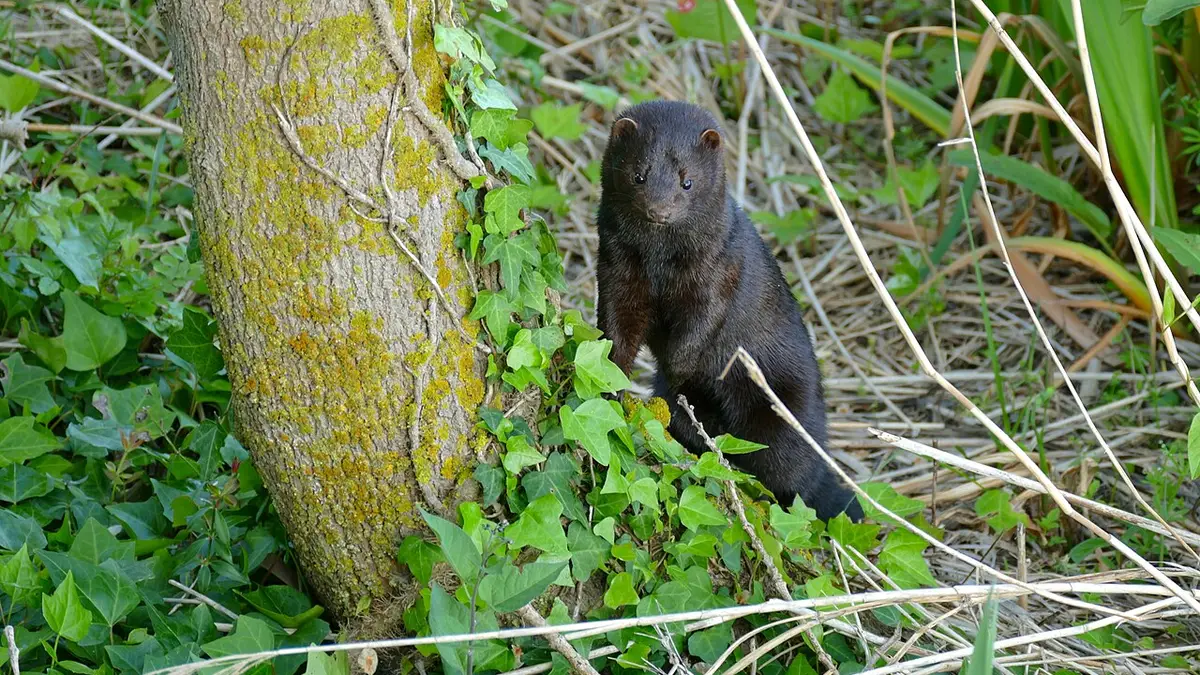
What a mink house installation startup actually builds
A mink house is a long, low farm building organised as rows of pens, and the first thing to understand is that the pen is the unit everything else serves. Each pen holds one mink or one female with kits, and each pen needs its own nest box, its own feeding point and its own water point. The nest box is the heart of the pen. It has to be dark, dry, draught-free and warm enough for kits that cannot regulate their own temperature in their first weeks, with an entrance the female can pass through easily and bedding that stays dry. A nest box that is too big loses heat. A nest box that is too small crowds the kits. Sizing nest boxes is a measurement job, and it is one of the first places a startup proves its worth.
Feeding and water run the daily routine of the building, so the layout has to serve the keeper as much as the mink. Feed is delivered to every pen, usually once or twice a day, and the feeding run should be short, level and dry, with feed stored close by in a dry store that rats cannot reach. Water matters even more for mink than for most farmed animals, because mink are semi-aquatic and drink, wash and play in water. Every pen needs a drinker or water point that stays clean, cannot be tipped over, and keeps flowing in a frost. Pipes that freeze in January are not a minor fault in a mink house. They are a welfare failure.
Ventilation is the third leg of the build, and it is the one most often got wrong. A mink house full of animals produces heat, moisture and ammonia, and all three have to leave the building without creating cold draughts at pen level. That means inlets placed high, outlets placed to draw air steadily through the building, and air speeds at mink level kept low enough that the animals stay warm while the air above them keeps moving. A house that is sealed tight stays warm and turns damp and ammoniac. A house that is full of gaps stays fresh and turns cold. The right answer is a measured one, with inlet and outlet areas sized to the number of animals and the volume of the building.
Biosecurity is the fourth leg, and on a mink farm it is not optional. Mink are susceptible to disease, and a house that lets visitors, vermin, wild animals or dirty equipment wander through the pens is a house that invites trouble. A good mink house design puts clean and dirty routes on the plan before anything is built: a single controlled entrance, a place to wash hands and change boots, feed stored away from waste, and mesh fine enough and strong enough to keep wild mink and other animals out. The building itself is the first line of defence, and a startup that talks biosecurity with the farmer at the design stage is selling something far more valuable than timber and mesh.
The difference between a mink house and the small-animal housing around it is scale and purpose. A ferret hutch installation builds a small pet home for one family’s ferrets, while a mink house is a farm building for dozens or hundreds of mink, where feeding, watering, cleaning and biosecurity run as daily routines. The two trades share a mustelid, and almost nothing else. A mink house startup that borrows pet-hutch thinking will build pens that are too small, water that freezes, and air that never moves.
The 9 best AI tools for mink house installation startups
The nine tools below cover the whole job, from the first site survey to the final handover record. Each one is judged on the mink house trade itself: does it measure what actually matters in a mink building, and does it help the startup price and hand over with confidence. Together they form a kit a new startup can adopt one tool at a time.
1. MinkSite AI: the best tool for site surveys and farm placement
MinkSite AI starts every job where a mink house should start, on the ground, before any timber is ordered. The installer walks the site with a phone or tablet, and the tool records levels, drainage falls, access routes for delivery lorries, the direction of the prevailing wind, and the distance to the feed store, the water supply and the muck heap. It flags ground that will pond in winter, slopes that will make pen rows hard to level, and corners where a lorry cannot turn. A mink house placed on the wrong patch of ground will fight its owner for its whole life, with water pooling at the door and feed barrows bogging down in mud, so the survey is not paperwork. It is the decision the rest of the build stands on.
What makes MinkSite AI worth its place at the top of the list is that it turns the survey into a placed building, not just a pile of notes. It proposes the footprint, the orientation and the pen-row direction that best suits the ground and the wind, and it shows the farmer why: the feed run stays short, the prevailing wind pushes fresh air through the inlets instead of against them, and the muck route runs downhill and away from the feed store. For a new startup, that record is also protection: the quote rests on a measured site, not on a guess made from the farm gate.
2. NestBox AI: the best tool for nest box sizing and placement
NestBox AI does the single most mink-specific job in the whole kit, and it is the tool that separates a mink house installer from a general shed builder. It sizes nest boxes to the animals that will use them, taking the breed and size of the mink, the expected litter size, and the local climate into account, and it places each box in its pen so the entrance faces away from the prevailing draught and the bedding stays dry. A nest box is a small thing, but it is where kits are born and where they spend their first vulnerable weeks, and the difference between a box that holds heat and a box that leaks it is measured in centimetres of insulation and millimetres of gap around the lid.
The tool also plans the nest box routine, which matters as much as the box itself. It schedules bedding changes, records which boxes need repair, and flags boxes that run cold or damp so the installer can fix the design on the next build rather than repeating the same fault. A startup that can talk nest boxes in detail, with numbers, wins the farmer’s trust faster than any brochure, because the nest box is where the farmer’s livelihood is literally born.
3. FeedMink AI: the best tool for feeding schedules and feed stores
FeedMink AI plans the feeding side of the building, from the feed store to the last pen in the row. It lays out the feeding run so the keeper walks the shortest route that reaches every pen, places the feed store where it stays dry and close to the pens without letting vermin in, and sizes feed storage to the number of animals and the delivery cycle, so the farmer is neither running out on a Sunday nor storing feed that goes stale. It also builds feeding schedules pen by pen, with quantities matched to the animals in each pen, so a female with kits gets more than a single adult and nothing is wasted.
The tool pays for itself in the daily routine it creates. A feeding run that is twenty metres longer than it needs to be, walked twice a day, every day, adds up to hours of wasted labour over a season, and a feed store that lets in damp ruins feed worth far more than the cost of the tool. FeedMink AI also records what was fed where, which gives the farmer a record to check against animal condition and gives the startup a handover document that shows the building was designed around the feeding routine, not in spite of it.
4. WaterMink AI: the best tool for water lines, drinkers and frost protection
WaterMink AI plans the water system that keeps a mink house alive, and on a mink farm the water system is never an afterthought. Mink need clean water every day, and they use it for drinking, washing and play, so drinkers foul quickly and lines have to be easy to flush and clean. The tool maps the water run from the supply to every pen, sizes pipes to the number of drinkers, places drinkers where they cannot be tipped or fouled by bedding, and plans falls and drain points so the whole system can be flushed and emptied. It also plans frost protection, which is the part of the job that separates a good mink house from a winter disaster.
Frost protection is where WaterMink AI earns its fee. It models the coldest nights the site is likely to see, checks which runs of pipe are exposed, and specifies insulation, trace heating or buried depth for each section, so no drinker freezes in January. A mink house with frozen drinkers is a house where animals go thirsty, and a startup that has designed frost out of the water system can say so with a plan in hand.
5. MinkVent AI: the best tool for ventilation, air speed and ammonia checks
MinkVent AI models the air inside the mink house before it is built, and it is the tool that turns ventilation from guesswork into a measured design. The installer enters the building volume, the number of animals, the pen layout and the local climate, and the tool sizes the inlets and outlets, places them to draw air steadily through the building, and predicts air speed at pen level and ammonia concentration through the seasons. It shows the difference between a house that stays warm and fresh and one that stays warm and stale, and it does so on screen, where the fix is a bigger inlet rather than a rebuild.
The tool also handles the seasonal swing that catches out so many mink houses. A house that ventilates well in winter can overheat in summer, and a house sized for summer can be draughty in January. MinkVent AI models both extremes and proposes adjustable inlets, ridge outlets and baffles that let the farmer tune the airflow through the year. A mink house lives or dies on its air, and a startup that can show a farmer the modelled airflow for their own building, with numbers, is a startup that gets the job.

6. BioMink AI: the best tool for biosecurity, hygiene zones and disease barriers
BioMink AI designs biosecurity into the mink house from the first sketch, and on a mink farm that is a selling point, not a footnote. Mink are vulnerable to disease, and disease on a mink farm spreads fast through a building where animals, feed, water and people all move every day. The tool maps the clean and dirty routes through the building, places the controlled entrance, the boot-change and hand-wash point, and the feed store on the clean side, and puts muck handling, dead-stock collection and vehicle access on the dirty side, with the two routes never crossing. It also specifies mesh size and strength to keep wild animals out, and vermin-proofing for the feed store and the nest box runs.
What makes BioMink AI practical rather than theoretical is that it produces a biosecurity plan the farmer can actually follow. It lists the daily, weekly and between-batch routines, it marks the hygiene zones on the plan so everyone on the farm can see them, and it records visitor and vehicle movements at the controlled entrance. A startup that hands over a mink house with a biosecurity plan, marked on the drawings, has handed over more than a building. It has handed over a way of running the farm that protects the farmer’s animals, and farmers remember who did that for them.
7. MinkPen AI: the best tool for pen rows, cage runs and handling routes
MinkPen AI lays out the pen rows that make up the working heart of the mink house, and it is the tool that keeps the daily routine short and safe. It sizes each pen to the animals it will hold, sets the row spacing so the keeper can reach every pen without stretching or climbing, and plans the handling routes so animals can be moved, graded and caught without the keeper having to carry them across the building. It also plans the cage runs and the walkways between rows, with widths that fit a barrow and a person at the same time, and it checks that every pen door opens fully without blocking the walkway.
The tool also thinks about the animals’ behaviour, which is where a mink pen differs from a simple cage. Mink are active, curious and strong, and a pen that is too bare bores them while a pen that is too cluttered traps them. MinkPen AI places enrichment, perches and access points in each pen, and it checks sightlines so the keeper can see into every pen from the walkway without opening doors. A pen row that is well laid out saves the keeper time every single day, and that saving is the best advertisement a startup can have.
8. MinkQuote AI: the best tool for measured estimates and job costing
MinkQuote AI turns the measured design into a price the farmer can trust, and it is the tool that keeps a new startup in business. It takes the pen schedule, the nest box schedule, the water plan, the ventilation plan and the biosecurity plan, and prices them from a materials list the installer controls, with labour broken down by task rather than hidden in a single lump sum. It shows the farmer what each part of the job costs, it flags the items where the price is most sensitive to change, and it produces a written quote that matches the drawings, so there is no gap between what was priced and what gets built.
The tool also protects the startup from the two mistakes that sink new installation businesses: underpricing to win the job, and pricing so vaguely that every change becomes an argument. MinkQuote AI versions every quote, records what changed and why, and produces variation notes when the farmer asks for an extra row or a different drinker, so the extra work is priced before it is built rather than argued about afterwards. A startup that quotes from measurements, in writing, with variations priced as they arise, is a startup that gets paid on time and gets asked back.
9. MinkLedger AI: the best tool for jobs, invoices and bookkeeping
MinkLedger AI runs the business side of the mink house startup, from the first deposit to the final invoice and the aftercare record. It tracks each job from survey to handover, records payments and outstanding balances, schedules aftercare visits and warranty checks, and keeps the handover documents, the biosecurity plan, the ventilation settings and the nest box schedule tied to the job they belong to. When a farmer rings a year later about a drinker or a vent, the startup can pull up the job file in seconds and see exactly what was installed, where, and why.
The tool also gives the startup the numbers it needs to grow. It shows which jobs were profitable and which were not, which tools and materials cost more than expected, and which farmers come back for extensions and repairs. For a one-person startup, that clarity is the difference between a business and a pile of receipts. For a growing startup, it is the system that lets a second installer take on jobs without the founder having to remember every detail of every mink house they have ever built.
Mink house tools at a glance
| Tool | Best for | What it replaces |
|---|---|---|
| MinkSite AI | Site surveys and farm placement | Hand-drawn sketches and guesswork about drainage and wind |
| NestBox AI | Nest box sizing and placement | One-size-fits-all boxes that chill kits or crowd litters |
| FeedMink AI | Feeding schedules and feed stores | Long feeding runs and feed stores that let in damp and rats |
| WaterMink AI | Water lines, drinkers and frost protection | Frozen drinkers and pipes that cannot be flushed or emptied |
| MinkVent AI | Ventilation, air speed and ammonia checks | Stale, ammoniac air or cold draughts at pen level |
| BioMink AI | Biosecurity, hygiene zones and disease barriers | Clean and dirty routes crossing through the pens |
| MinkPen AI | Pen rows, cage runs and handling routes | Cramped rows where the keeper cannot reach every pen |
| MinkQuote AI | Measured estimates and job costing | Lump-sum quotes that hide the real cost of the build |
| MinkLedger AI | Jobs, invoices and bookkeeping | Receipts in a drawer and handover notes nobody can find |
How to price a mink house job
Pricing a mink house starts with counting what is actually in the building, and that is why the tools above matter before the quote is written. Count the pens, count the nest boxes, measure the water runs, measure the ventilation openings, and price each part from the measured design rather than from a price per square metre borrowed from a shed. A mink house is not a shed, and a price that treats it like one will either lose the startup money or lose it the job. The most honest way to price is to show the farmer the breakdown, so the farmer can see where the money goes and the startup can defend every line.
Two costs catch out new mink house startups more than any others. The first is the groundwork, because a mink house on ground that ponds or slopes badly needs drainage and levelling that no one priced, and the fix after the building is up costs far more than the fix before it. The second is the water system, because frost protection, trace heating and buried pipework look expensive on a quote and cheap compared with a winter of frozen drinkers and emergency call-outs. A startup that prices groundwork and frost protection properly, and explains why, will sometimes lose a job to a cheaper quote that ignored both.
Mink house installation checklist
- Survey the site first, with levels, drainage, wind direction and lorry access recorded before the footprint is fixed.
- Size every nest box to the mink and litter it will hold, with the entrance away from the draught and bedding that stays dry.
- Plan water to every pen with frost protection on every exposed run, and a way to flush and empty the whole system.
- Model ventilation for winter and summer, with adjustable inlets so the farmer can tune airflow through the year.
- Draw clean and dirty routes on the plan, with one controlled entrance and vermin-proof feed storage.
- Hand over with the pen schedule, nest box schedule, ventilation settings and biosecurity plan in writing.
Frequently asked questions
What does a mink house installation startup actually build?
It builds a house-scale farm building for mink, organised as rows of pens, each with its own nest box, feeding point and water point, with ventilation, frost-proof water, feed storage and biosecurity designed into the building. The startup surveys the site, designs the pen rows and services, builds the house, and hands it over with the schedules and plans the farmer needs to run it. It is a farm building trade, not a pet housing trade, and the building is sized and serviced for dozens or hundreds of animals at a time.
How is a mink house different from a ferret hutch?
A ferret hutch is a small pet home for one family’s ferrets. A mink house is a farm building for mink kept at farm scale, built around pen rows, nest boxes, feeding runs, frost-proof water and biosecurity zones. The animals are related mustelids, but the buildings serve different purposes, different numbers of animals and different daily routines, and a startup that confuses the two will build the wrong thing.
How big should a mink house be?
There is no single size, because the house is sized to the number of mink it will hold, the pen size the farmer needs, and the space the site allows. The right way to size it is pen by pen: decide how many pens are needed, size each pen and its nest box to the animals, lay out the rows with walkways wide enough for a barrow, and let the building footprint follow from the pen layout. A house sized from the pens outwards fits its animals.
Does a mink house need water in every pen?
Yes. Mink are semi-aquatic and need clean water every day for drinking, washing and play, so every pen needs its own water point. The water system has to stay clean, resist tipping and fouling, and keep flowing in frost, which is why the water plan, with frost protection on every exposed run, is one of the first things a good installer designs. A shared trough or a bucket carried round the pens is not a water system for a mink house.
How much does it cost to start a mink house installation business?
The startup costs are the tools, the vehicle, the measuring kit and the first materials, and they are modest compared with the value of a single mink house contract. The expensive mistake is not the startup cost but the first badly priced job, so new starters should price from measured designs, keep the quote and the drawings matched, and track actual costs against every quote. A startup that learns its real costs on the first three jobs and adjusts its pricing is a startup that survives. One that guesses its prices is not.
What is the most profitable service for a mink house startup?
The most profitable work is usually the full house: survey, design, build and handover as one priced job, because it carries the design fee, the build margin and the handover documents together. After that, extensions, ventilation upgrades and frost-proofing retrofits on existing mink houses are steady, profitable work, because farmers with a house that is cold, stale or freezing know exactly what the fault is costing them and will pay for a fix that is measured and guaranteed. A chinchilla house installation shows the same pattern at house scale, where the full build is the anchor job and the upgrades follow.
The bottom line
A mink house is a farm building where nest boxes, feeding, water, ventilation and biosecurity all have to work together, at scale, through every season. The AI tools in this guide do not build the house, but they measure it, model it and price it before a single post goes in the ground, and that is what turns a small startup into a business farmers trust. Start with the survey and the quote, add the nest box, water and ventilation tools as the order book grows, and hand over every house with its schedules and plans in writing. A guinea pig house installation at house scale follows the same lesson: a building designed pen by pen and handed over with records is a building that works.

Keep what speaks to you.
Leave room for your own perspective.