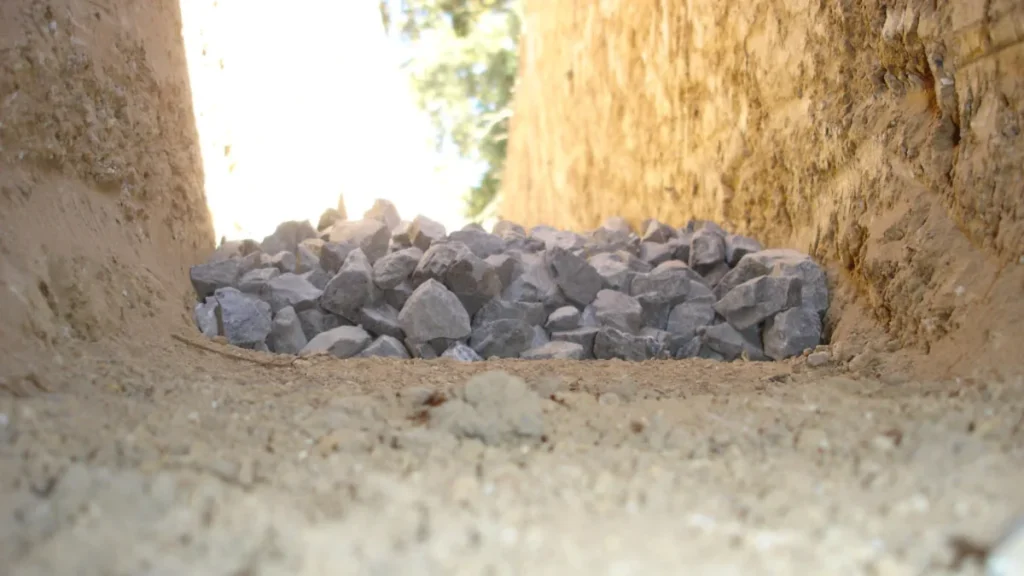
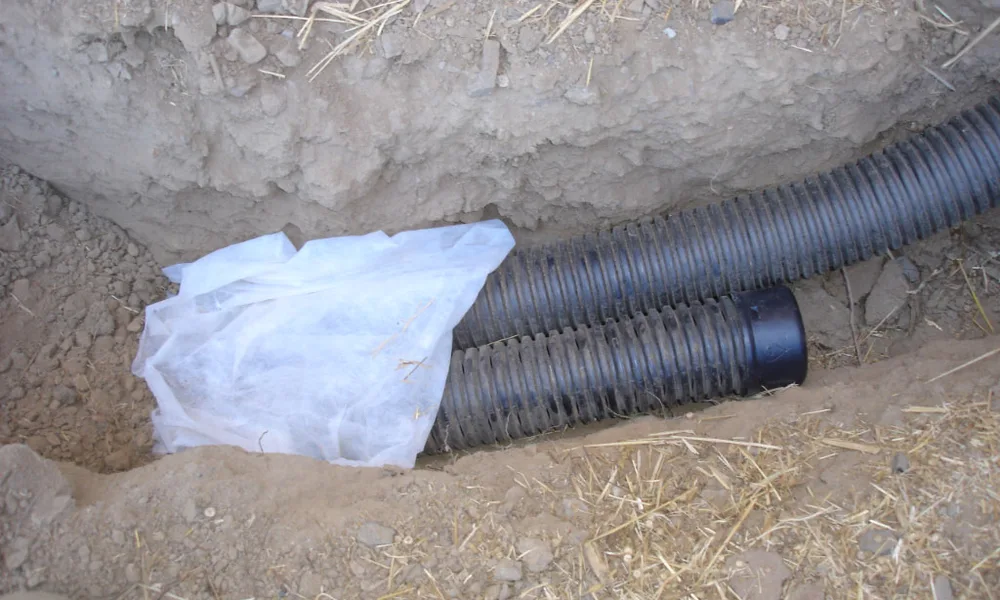
The best AI tools for french drain installation startups in 2026 do work that no generic contractor app was built to handle. A french drain is not a repair call and it is not a cleaning job. It is a small civil engineering project in somebody’s garden: a trench dug to a precise fall, lined with fabric, bedded in clean gravel, fitted with perforated pipe, and graded so that water which used to sit against a foundation now travels quietly away from the house. Get the fall wrong by a fraction and the drain holds water instead of moving it. Price the gravel wrong and a profitable job turns into a loss. Forget to photograph the pipe before it is buried and a warranty dispute becomes your word against a damp basement wall.
A french drain installation startup lives on measurements, materials and proof. The crew spends its days digging, hauling gravel and checking levels, while the business side piles up just as fast: site visits that need a quote the same evening, trenches that must be documented layer by layer, gravel and pipe quantities that change with every garden, schedules that depend on the weather, and customers who want to understand what is happening under their lawn before they pay a four-figure invoice. When all of that runs on memory, paper notes and a phone full of site photos, quotes go out late, material orders are guessed, and the record of what was actually buried disappears the day the trench is backfilled.
This guide compares nine AI tools chosen for a french drain installation startup specifically, not for a general trades business and not for a large established contractor. Every tool was judged on the work a young drainage company actually does: surveying a wet garden, measuring falls and trench lengths, estimating gravel and pipe, documenting each layer before it is covered, routing a small crew and a tipper truck, and following up with customers whose problem only shows itself when it rains. The aim is a starter stack a founder can run from a phone on a job site, at a cost the first twenty jobs can carry.
Key takeaways
- Start with one estimating tool, one photo documentation tool and one job platform. Those three carry most of the revenue and most of the risk for a new french drain startup.
- Photograph every layer before it is buried. Pipe, fabric and gravel depths are invisible once the trench is backfilled, and the photos are the only proof you have.
- Price by the linear foot with the fall and the soil in mind. Clay, roots and a long run to a safe outfall change the job far more than the pipe itself costs.
- Measure the fall before you promise a fix. A drone or site survey that shows the true levels stops you selling a drain where the water has nowhere to go.
- Keep one record per property. Every visit, quote, photo, invoice and follow-up in the same place stops double-bookings and forgotten guarantees.

How the best AI tools for french drain installation startups compare
Use this table to narrow the list before reading the detail. The right choice depends less on which tool has the longest feature list and more on whether it fits trench work: measuring falls, pricing gravel by the tonne, and proving what was buried.
| Tool | Best for | Standout strength |
|---|---|---|
| CompanyCam | Photo proof of every trench layer | Timestamped, located site photos the whole crew can see |
| DroneDeploy | Surveying wet gardens from the air | Elevation maps and fall measurements without walking every line |
| Propeller Aero | Earthworks and grading checks | Cut and fill volumes from drone data you can trust |
| Groundplan | Takeoffs from plans and drawings | Fast trench, gravel and pipe quantities from a drawing |
| Buildxact | Estimating and job costing | Quotes that track materials, labour and margin in one place |
| JobNimbus | Running the whole job from first call to invoice | One pipeline for leads, jobs, photos and payments |
| AccuLynx | Exterior contractors who sell on site | Estimates, production and customer records in a single flow |
| Leap | Closing the sale at the kitchen table | Guided in-home selling with instant, professional estimates |
| SalesRabbit | Finding work street by street | Canvassing maps that turn soggy neighbourhoods into leads |
What makes a french drain installation startup different
A french drain startup is an excavation and grading business first and a plumbing business second, and that distinction shapes every software choice. The work happens outside, in soil that changes from one garden to the next, and the finished product is buried out of sight on the day it is finished. A customer cannot see the pipe, the fall or the gravel once the turf is back, so trust has to come from the record you keep rather than the thing you leave behind. That is very different from unblocking a drain, where the result is obvious the moment the water clears. Owners who also take on clearing work can compare the other side of the trade in our guide to the best AI tools for drain cleaning startups, but everything below is chosen for installation first: digging, grading and burying work that must last for decades.
The second difference is measurement. A french drain only works if water falls steadily along the whole run, usually around one percent, from the wettest point to a safe outfall such as a soakaway, a storm drain or a daylight outlet. A garden that looks flat to the eye can fall the wrong way, and a run that looks short on a sketch can cross tree roots, buried cables and a neighbour’s boundary. Tools that measure levels, lengths and volumes are therefore not a luxury for this trade; they are the difference between a drain that works and a trench full of standing water that a customer paid good money for. The same measurement habit protects the price. Gravel is bought by the tonne, pipe by the metre and spoil is removed by the load, so a quote built on a guess can be out by hundreds before the first spade hits the ground.
How the tools in this guide were judged
Every tool below was scored against the same practical questions, and a tool that failed one of them did not make the list however well known it is. First, does it save time on a real drainage job, such as measuring a garden, pricing a trench or documenting a buried pipe? Second, does it work from a phone on a muddy job site, with gloves off and signal uncertain, rather than only from an office desk? Third, does it cost less than the work it replaces, so that a startup doing a handful of jobs a month still comes out ahead? Fourth, can a small crew learn it in a week without a training course? And fifth, does it handle the specifics of french drain work, such as linear-foot pricing, gravel quantities, fall measurement and photo proof, instead of treating every job like any other repair call?
The 9 best AI tools for french drain installation startups in 2026
The nine tools below are grouped by the job they do, so you can buy only what you need now and add the rest as the business grows. Read the whole list once, then start with the three that match your weakest point: estimating, documentation or winning the work.
1. CompanyCam
CompanyCam is the photo documentation tool that solves the biggest proof problem in french drain work: once the trench is backfilled, nobody can see what was installed. The app lets every crew member take photos on their phone that are automatically stamped with the time, the location and the job, and filed against the right property without anyone having to sort, rename or upload anything at the end of the day. A foreman can photograph the open trench, the fabric lining, the perforated pipe on its gravel bed, and the depth of the finished backfill, and the office, the customer and any future warranty claim can all see the same record.
For a french drain startup, that record is worth more than a brochure. When a customer asks why the quote includes fabric and washed gravel rather than cheap rubble, the founder can show photos from a previous job of each layer going in. When a basement stays dry through a storm, the before-and-after photos become the marketing. And when a problem appears months later, the photos show whether the pipe was laid correctly or whether something else, such as a blocked outfall, is to blame. CompanyCam also supports annotations and checklists, so a crew can be asked to capture the same set of shots on every job: trench depth at three points, the pipe before covering, the outfall, and the finished surface. That consistency turns photo-taking from a chore into a system.
2. DroneDeploy
DroneDeploy turns a drone flight over a wet garden into a survey a founder can measure, quote and plan from. The platform stitches drone photos into a map, builds elevation models, and lets you measure distances, areas and heights from the desk rather than by walking a muddy site with a tape and a level. For french drain work, the elevation data is the prize: it shows where water collects, which way the ground truly falls, and whether a proposed drain run can actually reach a safe outfall without pumping.
That matters because the most expensive mistake in this trade is selling a drain where the levels do not work. A garden can look as though it falls towards the street while the survey shows a low pocket in the middle that will hold water whatever pipe you bury. Catching that on a drone map, before the digger arrives, saves a failed job and an unhappy customer. DroneDeploy also helps with quoting larger jobs, such as draining a whole field, a sports pitch or a commercial yard, where walking the site and guessing lengths would take a day. The measurements from the map feed directly into trench lengths and gravel quantities, so the quote is built on numbers rather than optimism.
3. Propeller Aero
Propeller Aero is a drone data platform built for earthworks, and it fits french drain installation because so much of the job is moving soil to a designed level. The platform takes drone survey data and turns it into cut and fill volumes, grade comparisons and progress reports, showing how much ground has been moved, where the levels sit against the design, and what is left to do. For a drainage startup, that means the trench line can be checked against the planned fall before the pipe goes in, and the finished levels can be proven to the customer with a map rather than a promise.
The practical value shows up on bigger jobs. A long drain run across a sloping site, a yard that needs regrading before the drain can work, or a commercial project with a specification to meet are all jobs where a tape measure and an eye are not enough. Propeller lets a small crew show a client exactly how the ground was shaped, how much spoil was removed, and that the finished fall matches the plan. That evidence wins trust with property managers, developers and local authorities, who are exactly the customers a growing drainage company wants. It also keeps the crew honest: if the levels drift during the dig, the survey shows it while there is still time to correct the trench.
4. Groundplan
Groundplan is cloud-based takeoff software that answers the question every drainage estimator asks when a drawing arrives: how long is the trench, how much gravel does it need, and how much pipe should be ordered? The tool lets you measure lengths, areas and counts directly from a plan or a PDF, and it works out quantities automatically, so an estimate that used to take an evening with a scale ruler and a calculator can be done in under an hour. For french drain work, the takeoff is the trench run, the gravel volume at a given trench width and depth, the pipe length with an allowance for joints and the outfall, and the area of turf or paving to be lifted and restored.
The advantage is accuracy and speed together. A founder who can turn a drawing around the same day wins jobs from competitors who take three days, and a quote built on measured quantities protects the margin when gravel prices move. Groundplan also keeps a record of how each quantity was measured, which helps when a customer queries a figure or when a job needs repricing after the site visit reveals roots or rock. Because it runs in the browser, the estimator can work from the office, the van or the kitchen table, and share the takeoff with the crew so everyone is working from the same numbers.
5. Buildxact
Buildxact is estimating and job management software built for small residential builders and remodellers, and it fits a french drain startup because drainage jobs are small construction projects with real material lists. The platform lets a founder build an estimate from a price list of pipe, gravel, fabric, spoil removal and labour, turn it into a professional quote, and then track the actual costs against the estimate as the job runs. That loop, from estimate to actual, is where a young drainage company learns whether its prices are right.
For french drain work, the material list is the heart of the quote. A trench of a given length and depth needs a known volume of gravel, a known length of pipe, and a known area of fabric, and Buildxact keeps those items priced and consistent so that two similar jobs do not come out hundreds apart for no reason. The tool also handles variations: when the digger hits rock, or the customer asks for an extra run to the front garden, the change can be priced and agreed before the work is done rather than argued about afterwards. Invoicing, scheduling and customer records sit alongside the estimate, so the founder is not juggling a spreadsheet, a diary and a pile of paper invoices.
6. JobNimbus
JobNimbus is a customer and job management platform built for exterior contractors, and it gives a french drain startup one place to run the whole business, from the first phone call to the final payment. Leads, estimates, jobs, photos, messages and invoices all live against the same customer record, so nothing falls between the cracks when the founder is on a digger and the office is a phone in a van. The sales pipeline shows which quotes are waiting, which site visits are booked, and which jobs are ready to start, which is exactly the view a busy founder needs on a wet Monday morning.
The fit for drainage work is practical rather than flashy. A french drain job has a long tail: an enquiry after a storm, a site visit a few days later, a quote, a wait while the customer thinks, a booking, a day or two of digging, and a follow-up when the next rain comes. JobNimbus keeps that whole chain visible, and its automated reminders chase the quotes that would otherwise be forgotten. The mobile app lets the crew update a job from site, attach photos, and collect a payment or a signature before leaving, which shortens the gap between finishing a job and getting paid for it.
7. AccuLynx
AccuLynx is a platform built for roofing and exterior contractors that brings estimating, production and customer management into a single flow, and it suits a french drain startup that sells and delivers exterior work in the same way. The customer record holds the enquiry, the estimate, the job schedule, the crew notes and the payment, so the founder can see the whole history of a property without searching through emails, texts and notebooks. For a drainage company, where a property may need a second run of drain a year later or a neighbour may call on a recommendation, that history is valuable.
The estimating tools help a founder price a drain consistently, with material and labour items that can be reused from job to job, and the production features keep the crew’s schedule, tasks and photos in one place. AccuLynx also supports aerial measurements for roofs and exteriors, which can help on larger properties where the drainage layout needs to be planned from above. The reporting shows which lead sources, job types and neighbourhoods are producing work, so marketing spend can follow the evidence rather than habit.
8. Leap
Leap is a digital selling platform for home improvement contractors, and it fits french drain work because so many drainage jobs are sold at the customer’s kitchen table. The founder walks the garden, measures the wet areas, and then sits down with the homeowner to build the estimate on a tablet, showing the trench line, the materials and the price in a clear, professional format. The customer signs there and then, instead of waiting days for a quote that a competitor may beat to the punch.
The strength of Leap is the guided sale. French drain work is hard for a homeowner to judge: the product is buried, the price feels high for what looks like a ditch, and the benefit only shows when it rains. A guided presentation that explains the fall, the fabric, the gravel and the guarantee, with photos of previous jobs and a clear price breakdown, turns a confusing purchase into a confident one. Leap also handles financing options and digital contracts, which help on larger jobs where the customer needs to spread the cost. The whole interaction is recorded, so there is no later argument about what was agreed.
9. SalesRabbit
SalesRabbit is a canvassing app for door-to-door sales teams, and it earns its place on this list because french drain work is famously local. When one house on a street has a wet basement, the neighbours often have the same problem: the same soil, the same water table, the same age of house. A crew that has just finished a drain on one property is standing in the best possible place to find the next five jobs, and SalesRabbit turns that walk into a system.
The app maps a neighbourhood, tracks which doors have been knocked, records the outcome of each conversation, and lets a canvasser leave notes and follow-ups against each house. A founder can assign streets to a team member, see in real time where they have been, and follow up the interested households the same evening. For a drainage startup, the timing matters: canvassing a street in the days after heavy rain, when the problem is fresh in every homeowner’s mind, is far more effective than a leaflet drop in a dry month. SalesRabbit also keeps the records clean, so the same house is not knocked twice and the promising leads are not lost in a notebook.
How to build your first french drain software stack
A sensible starter stack has three tools and costs less than a single average job each month. Begin with Buildxact or Groundplan for estimating, so every quote is built on measured quantities rather than a guess. Add CompanyCam for photo documentation, so every layer is proven before it is buried. Then add JobNimbus or a similar job platform to hold the pipeline, the schedule and the invoices in one place. Those three cover the money, the proof and the diary, which are the three things that sink a new drainage business fastest.
Once those three are working every day, add the tools that match the work you are actually winning. If the jobs are getting larger and the levels matter more, add DroneDeploy for surveying. If the phone is ringing with neighbours of finished jobs, add SalesRabbit and work the street properly. If you are losing sales at the kitchen table, add Leap and close the work on the visit. Resist the temptation to buy everything at once: a tool that is not used daily is a subscription, not a system, and the founder’s job in the first year is to make a few tools work brilliantly rather than to collect a shelf of logins.
What a french drain startup should budget for AI tools
A realistic starter stack for a french drain installation startup costs roughly 150 to 450 dollars a month once the free trials end. The estimating tool and the photo documentation tool are the cheapest parts of the stack and the highest value, while the job platform is the largest single subscription. Drone and earthworks tools sit above that range and should be added only when the jobs they serve are already in the diary. Re-check every subscription after the first twenty jobs, and cancel anything the crew has not opened in a fortnight.
Mistakes to avoid with AI tools in french drain installation
The first mistake is quoting from the desk without measuring the fall. No estimating tool can save a job that was priced for a garden that falls one way when it actually falls the other. Walk the site, check the levels, and find the outfall before the quote goes out. The second mistake is treating a french drain like a plumbing repair. The tools, the pricing and the proof are different, and borrowing a plumber’s workflow leaves the excavation, the gravel and the grading unmanaged. Founders who also handle structural water problems should study how the neighbouring trade prices and documents its work in our guide to the AI tools for foundation repair startups, where the same discipline of measuring, photographing and guaranteeing applies to a different kind of water problem.
French drain installation startup checklist
Work through this list before the first paid job, and revisit it after the first month of trading.
- Walk the site and confirm the fall and the outfall before quoting, so the drain you sell is one that can actually work.
- Price the job by the linear foot from measured quantities of pipe, gravel, fabric and spoil removal, not from a round number.
- Set up the photo checklist in CompanyCam, with the same shots on every job: open trench, fabric, pipe, depths and finished surface.
- Put every lead, quote, job and invoice on one platform, so nothing is lost between the first call and the final payment.
- Plan the route and the tipper runs for the week, so the crew and the truck spend their time digging rather than driving.
- Ask every finished customer for a review while the dry basement is still fresh in their mind, and file the photos with the guarantee.
Frequently asked questions
What is the best AI tool for a french drain installation startup?
There is no single best tool, because the answer depends on the bottleneck. If quoting is slow, start with Buildxact or Groundplan. If proof and documentation are the worry, start with CompanyCam. If the diary is the problem, start with a job platform such as JobNimbus. Most founders should begin with one estimating tool, one photo tool and one job platform, and add the rest only when the work justifies it.
How much do AI tools cost for a french drain installation startup?
A sensible starter stack costs roughly 150 to 450 dollars a month once free trials end, with the job platform usually the largest single cost. Drone surveying and earthworks tools cost more and should wait until larger jobs are in the diary. Re-check every subscription after the first twenty jobs and cancel anything the crew does not use.
Can AI tools measure the fall of a garden accurately?
Drone tools such as DroneDeploy and Propeller Aero can build elevation models that show the true fall of a site, which is often different from what the eye suggests. They are a strong aid, not a replacement for checking levels on the ground with a level and a tape, and the founder should always confirm the outfall in person before promising a fix.
Do I need a drone to start a french drain business?
No. A level, a tape and a careful walk of the site are enough for most residential gardens, and a drone is only worth the cost and the permissions once larger sites, estates or commercial work are part of the diary. Drone surveying is a growth tool for this trade, not a starting requirement.
How does AI help with french drain estimating?
Takeoff and estimating tools measure trench lengths, gravel volumes and pipe quantities from plans or site measurements, then price them from a consistent material list. That makes quotes faster and more accurate, protects the margin when material prices move, and makes it easy to price variations such as extra runs or unexpected rock without an argument.
Should a french drain startup use the same software as a landscaping company?
Some tools overlap, because both trades work outside, measure gardens and manage crews, and the comparison is worth reading in our guide to the best AI tools for landscaping startups. But a drainage startup also needs fall measurement, gravel and pipe quantities, and photographic proof of buried layers, which landscaping software does not handle. Buy drainage tools first, and borrow landscaping tools only where the work genuinely overlaps.
The bottom line
A french drain installation startup is a measurement business that happens to dig holes. The founders who succeed are the ones who measure the fall before they quote, price the gravel and the pipe from real quantities, photograph every layer before it is buried, and keep one clean record per property from the first call to the final invoice. The nine tools in this guide each serve one part of that discipline, and the right starter stack is a small one: an estimating tool, a photo tool and a job platform, used every day. Buy those three, prove them on real jobs, and add the surveying, selling and canvassing tools only when the work you are winning asks for them. The drain itself will be invisible within a week of the job, but the record you keep of it will sell the next ten.

Keep what speaks to you.
Leave room for your own perspective.