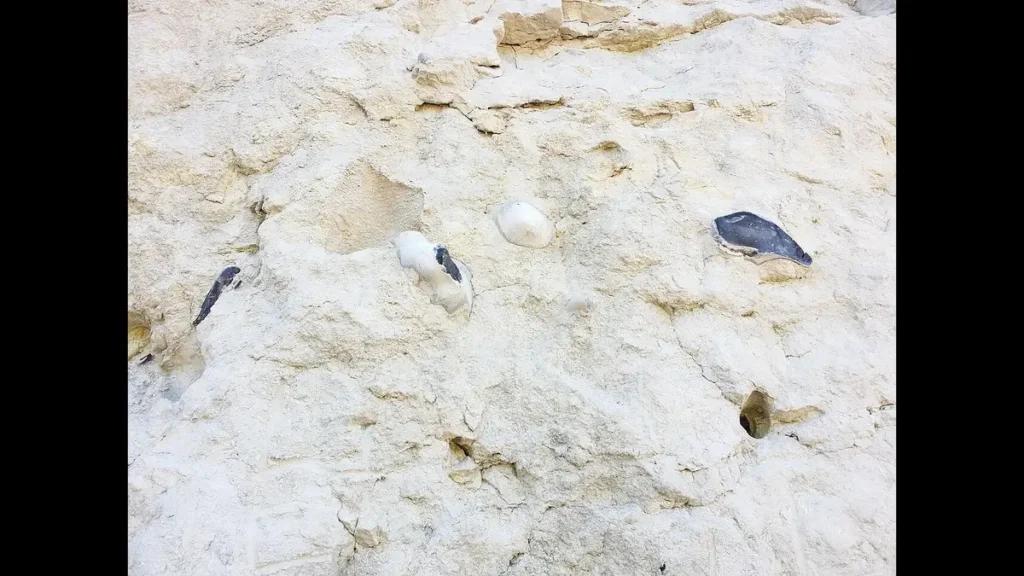
A flint kiln installation startup does one very specific job: it builds the kiln that turns hard, dark flint nodules into a white, brittle material that can be ground into a fine powder. That powder then goes into pottery glazes and glass batches, where it adds hardness, whiteness and a clean, stable melt. It is a small, specialist trade, and it is easy to get wrong at the design stage, because the kiln, the feedstock and the grinding line all have to suit flint and nothing else.
The tools in this guide are chosen for that exact build. They help a new installer grade flint nodules before they are bought, set a calcining curve that turns the nodules white without wasting fuel, lay out the grinding mill that follows the kiln, and grade the finished powder for the glaze makers and glass makers who will buy it. None of them is a general kiln tool borrowed from another trade.
That narrow focus matters because a flint kiln is not a lime kiln with a different name, and it is not a pottery kiln moved outdoors. The feedstock is different, the heat work is different and the customer is different. The nine tools below cover the whole job, from the first nodule sample to the first invoice, so a new startup can price the work honestly, build the kiln once and hand over a plant that makes saleable calcined flint from day one.
Key takeaways
- A flint kiln calcines flint nodules until they turn white and brittle, then grinds them for pottery glazes and glass — that calcining, grinding and grading sequence is the whole build.
- Grade the nodules before you buy them: chalk content, size and hidden flaws decide whether a load calcines evenly or wastes fuel.
- The calcining curve is the heart of the job — too cool and the flint stays dark and hard, too hot and fuel is burned for no extra whiteness.
- Ground flint is sold on fineness and consistency, so grading and dust control are commercial tools, not afterthoughts.
- Buy the feedstock, heat, milling and paperwork tools in that order, and keep the kiln, the mill and the yard on one plan.
What a flint kiln installation startup actually builds
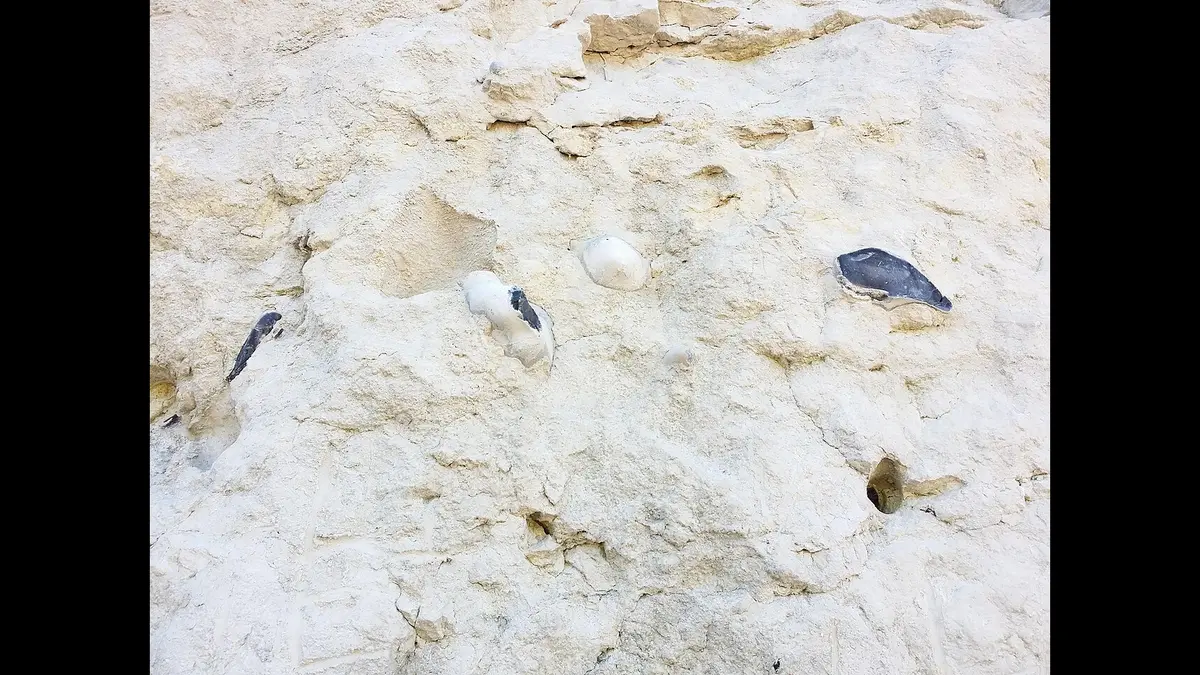
A flint kiln is a heat-treatment plant for flint. Raw flint nodules arrive as hard, dark, glassy lumps, usually dug from chalk pits or collected from chalk ground. They are loaded into the kiln, heated until they turn white and brittle, cooled, and then ground in a mill to a fine white powder. That powder is calcined flint, and it is the product the whole installation exists to make. Pottery makers stir it into glazes, where it helps the glaze fit the clay body and fire to a hard, even surface. Glass makers add it to the batch, where its silica content helps the melt stay stable and clear.
The calcining step is what makes the trade distinct. Heating flint changes it in a way that heating limestone does not: limestone gives up carbon dioxide and becomes quicklime, a caustic product for building and industry, while flint simply changes colour and texture, becoming white and easy to crush. The two kilns share the word calcining, but they serve different customers, need different temperature control and produce different powders, so a startup that copies a lime kiln design for flint will build the wrong chamber, the wrong cooling arrangement and the wrong dust handling. The lime kiln installation tools that plan limestone burning are worth reading as a contrast, because they show how a calcining kiln is planned when the feedstock is stone that becomes quicklime rather than nodules that become white powder.
The same distinction holds against the other kilns a new installer is likely to meet. A potash kiln burns wood ash to recover potash, an alkali product with its own leaching and drying line, so its burn curve and its yard are built around ash, not nodules. A charcoal kiln burns timber until it becomes charcoal, which is the opposite outcome from a flint kiln, where nothing is meant to turn to carbon. A timber-drying kiln takes usable boards in and returns usable boards, drier than before, while a flint kiln takes stone in and returns a powder. And an outdoor ceramic kiln fires clay pots, which is a firing job with its own controllers and temperature checks, not a calcining job at all. Flint is also sometimes seen as a wall stone in old barns, but that is a building material, not a kiln feedstock, and it has no place in this build. A flint kiln startup that keeps those lines clear will design a plant that calcines, grinds and grades flint, and nothing else.
The 9 best AI tools for a flint kiln installation startup
The nine tools below are ordered the way a startup actually works: feedstock first, then heat, then grinding, then grading for the two main customers, then safety, yard, permits and money. Each one is judged on the flint job it does, not on how well it would serve a different kiln.
| Tool | Best for | Stage |
|---|---|---|
| FlintNodule Scout AI | Grading flint nodules before purchase | Feedstock |
| WhiteHeat Calcine AI | Calcining curves that turn flint white | Heat |
| FlintMill Planner AI | Grinding mill layout and fineness | Grinding |
| GlazeGrade Sense AI | Grading ground flint for pottery glazes | Grading |
| GlassBatch Sense AI | Matching ground flint to glass batches | Grading |
| FlintDust Guard AI | Silica dust control and crew safety | Safety |
| NoduleYard Planner AI | Nodule yard, storage and handling | Site |
| FlintWorks Permit AI | Permits and compliance paperwork | Paperwork |
| FlintLedger AI | Quoting, invoicing and buyer payments | Money |
1. FlintNodule Scout AI: The best tool for grading flint nodules before purchase
FlintNodule Scout AI is the tool that stops a startup buying the wrong stone. A load of flint nodules can look sound from the outside and still calcine unevenly, because chalk inclusions, hairline cracks and mixed sizes all change how heat moves through a nodule. The tool works from site photos and sample records, scoring each consignment for size spread, chalk content and visible flaws, and it flags the loads that will need sorting before they go near the kiln. That early call matters, because a kiln charged with mixed nodules will come out with some pieces white and brittle and others still dark in the middle, and the grinding mill then has to deal with the difference.
For a new installer, the practical value is in the buying conversation. Instead of accepting a pit price on trust, the startup can show the supplier a graded sample, agree a price for the grade it actually needs, and plan the kiln charge around nodules of a known size. The tool also keeps a record of which pits supplied which grade, so when a glaze maker complains that a batch of powder feels coarse, the startup can trace the problem back to the nodule load rather than blaming the mill. It is the least glamorous tool on this list and the one that saves the most money in the first year, because every later stage — the heat curve, the grinding time and the grading result — starts with the nodule that goes in.
2. WhiteHeat Calcine AI: The best tool for calcining curves that turn flint white
WhiteHeat Calcine AI plans the heat curve that is the heart of a flint kiln. Flint needs to be heated until it turns white right through, which means holding the charge at the right temperature for long enough that the centre of the largest nodule changes, without holding it so long that fuel is wasted. The tool takes the nodule size and grade from FlintNodule Scout AI, the chamber size from the kiln design, and the fuel type the startup plans to use, and it produces a curve with a heating rate, a soak period and a cooling rate that a builder can actually follow. It also shows what happens if the charge is changed — smaller nodules need less soak, larger ones need more — so the startup can adjust the curve for each load instead of running one fixed programme for everything.
What makes this tool specific to flint is that it is judged on whiteness and brittleness, not on a chemical change. A lime kiln curve is judged on whether limestone has become quicklime, and a charcoal kiln curve is judged on whether timber has become charcoal, but a flint curve is judged on whether a dark, hard nodule has become a white, crumbly one that grinds easily. WhiteHeat Calcine AI records the result of each firing against the curve that produced it, so the startup builds a library of curves for different nodule grades and chamber loads. After a dozen firings, the installer can look at a new load, pick the curve that matches it, and tell the customer what the kiln will produce before the first nodule is loaded.
3. FlintMill Planner AI: The best tool for grinding mill layout and fineness
FlintMill Planner AI designs the grinding line that turns calcined flint into saleable powder. Calcined flint is brittle, which makes it easy to crush, but it still needs a mill that can take the white lumps down to a fine, even powder without overheating the product or throwing dust across the yard. The tool lays out the crusher, the mill and the screens in the space the startup has, sizes the feed and discharge conveyors, and sets the screen sizes that will give the fineness the glaze and glass customers ask for. It also estimates the power the mill will draw at different throughputs, so the electrical supply can be sized before the builder arrives rather than upgraded afterwards.
The grinding stage is where a flint kiln installation earns its reputation, because a powder that is too coarse will not sit well in a glaze, and a powder that varies from bag to bag will not be trusted by a glass maker. FlintMill Planner AI keeps the mill and the kiln on the same plan, matching the mill throughput to the kiln output so that calcined flint does not pile up waiting to be ground. For a startup, that matching is the difference between a plant that runs as one line and a plant that runs as two separate jobs that keep getting in each other’s way.
4. GlazeGrade Sense AI: The best tool for grading ground flint for pottery glazes
GlazeGrade Sense AI grades the finished powder for its largest customer group: pottery makers who stir calcined flint into glazes. A glaze needs flint of a known fineness, because coarse particles can leave a rough surface and a speckled finish, while an over-fine powder can change how the glaze flows and settles. The tool works from sieve results and sample photos, grading each batch for particle size, colour and consistency, and it labels the batch for the glaze work it suits best. That label is what the pottery customer actually buys, so getting it right is a commercial job as much as a technical one.
The tool also helps a startup learn what its own kiln and mill produce. If one batch grades finer than the last, the record shows whether the nodules were smaller, the soak was longer or the mill screens were changed, and the startup can repeat the good result instead of guessing at it. Over a season, that record becomes a selling point: the installer can show a pottery studio the grading history of the powder it will receive, and the studio can order with confidence that the next delivery will behave like the last one. GlazeGrade Sense AI does not fire pots and does not design glazes — it grades the flint powder that goes into them, and it keeps the grading honest, batch after batch.
5. GlassBatch Sense AI: The best tool for matching ground flint to glass batches
GlassBatch Sense AI grades the same powder for the second main customer: glass makers who add calcined flint to the batch. Glass work is less forgiving than glaze work, because the batch has to melt evenly and stay clear, so the flint must be consistent in fineness and free of the dark, uncalcined fragments that would show as faults in the finished glass. The tool checks each batch against the fineness and purity limits a glass maker sets, flags any batch that needs regrinding or rescreening, and records the result so the startup can prove the quality of what it ships. It is a narrow, demanding job, and it is exactly the job a flint kiln startup needs to do well if it wants glass customers to come back.
The glass end of the trade also shapes how the kiln should be built, which is why this tool belongs in the installation plan rather than in a separate quality manual. A kiln that calcines unevenly will produce powder that fails the glass check, and a mill that cannot hold a tight fineness will do the same, so the tool’s results feed straight back into the heat curve and the mill settings. The glass kiln installation tools that plan annealing and cooling cover a different plant — the kiln that shapes and cools glass — but they show the same lesson from the other side of the trade: glass work rewards steady, repeatable heat, and a flint supplier that understands that will be taken seriously by glass makers. GlassBatch Sense AI is the bridge between the two, turning a white powder into a glass-ready product with a record to prove it.

6. FlintDust Guard AI: The best tool for silica dust control and crew safety
FlintDust Guard AI plans dust control for a trade that makes dust at every stage. Nodules are handled, calcined flint is crushed, powder is screened and bagged, and each step can put fine silica dust into the air if the extraction and housekeeping are not planned. The tool maps the dusty points in the kiln, mill and bagging line, sizes the extraction at each one, and sets a cleaning and monitoring routine that a small crew can actually keep to. It also flags the jobs that need respirators and the areas that need to stay clear while the mill is running, so safety is designed into the plant rather than added as a set of rules after the build.
For a startup, the value is partly legal and partly practical. A plant that controls its dust will pass its inspections, keep its crew healthy and keep its powder clean, because dust that escapes into the yard is also powder that is lost from the product. FlintDust Guard AI keeps the records that prove the controls are working — extraction checks, cleaning logs and monitoring results — and those records matter when a permit is renewed or a customer asks how the powder is handled. It is not the tool that sells the kiln, but it is the tool that keeps the kiln running, and a startup that plans its dust control from the start will spend far less time fixing it later.
7. NoduleYard Planner AI: The best tool for nodule yard, storage and handling
NoduleYard Planner AI lays out the yard where flint nodules arrive, wait and move to the kiln. Raw nodules are heavy, dirty and awkward to handle, and calcined flint is fragile and must be kept dry, so the two materials need separate storage, separate handling and a clear route between them that does not cross the bagging area. The tool plans the stock bays, the hard standing, the drainage and the vehicle turning space, and it sizes the storage so the kiln never waits for nodules and the yard never fills with loads that cannot be used. It also plans the covered store for calcined flint, which must stay dry between the kiln and the mill, because damp calcined flint clogs screens and slows grinding.
The yard is the part of an installation that customers see first and installers often plan last, which is why it deserves its own tool. A yard that works will take a delivery, sort it, feed the kiln and clear the finished powder without the crew moving the same load twice, while a yard that does not will eat labour on every firing. NoduleYard Planner AI produces a yard plan that the builder can price and the customer can walk around, with the kiln, the mill, the stores and the vehicle routes all on one drawing. That single drawing is often what turns a vague idea of a flint kiln into a buildable project, because it shows the whole site working as one plant rather than as a kiln with a pile of stone beside it.
8. FlintWorks Permit AI: The best tool for permits and compliance paperwork
FlintWorks Permit AI handles the paperwork that a flint kiln needs before it can be built and run. A kiln is a heat plant with a chimney, a fuel store and a dust source, so it will usually need planning consent, an environmental check and a fire and safety sign-off, and each of those needs drawings, descriptions and records in a particular form. The tool builds the application pack from the kiln design, the yard plan and the dust control plan, checks that the documents match each other, and tracks the conditions that come back with each consent so nothing is missed at handover. It does not replace the planning officer or the environmental inspector, but it does stop a startup losing weeks to a form that was filled in with the wrong drawing.
The paperwork for a flint kiln is simpler than for some kilns, because the product is a white powder rather than a chemical, but it still needs care. The tool keeps the fuel, the chimney height, the dust controls and the operating hours in one place, so that when a neighbour asks what the kiln will do, or a council officer asks how the dust is controlled, the startup has a straight answer with a document behind it. It also keeps the permit conditions alongside the operating records, so the crew can check that the kiln is running inside its consent every time it fires. A startup that treats permits as part of the build, rather than as a hurdle before it, will hand over a plant that can run legally from its first firing.
9. FlintLedger AI: The best tool for quoting, invoicing and buyer payments
FlintLedger AI is the money tool, and it is built around the way a flint kiln startup actually gets paid. The work comes in two parts: the installation itself, which is quoted as a build with a kiln, a mill and a yard, and the powder that the plant then sells, which is invoiced by the bag to glaze makers and glass makers. The tool prices the installation from the kiln design, the mill layout and the yard plan, so the quote reflects the real build rather than a guess, and it tracks the powder sales by batch, grade and customer, so the startup knows which grades sell and which customers pay on time. It also keeps the two sides of the business separate, so the installation accounts do not hide the powder accounts.
That separation matters because the two kinds of income behave differently. An installation is a large, one-off payment with stage payments as the build progresses, while powder sales are small, regular payments that need chasing if they slip. FlintLedger AI schedules the stage payments, sends the powder invoices, and flags the overdue ones before they become a problem, which is the kind of bookkeeping a small startup needs most.
How to choose the right tools for your flint kiln startup
Choose the tools in the order the work happens, not in the order they look impressive. Start with FlintNodule Scout AI and WhiteHeat Calcine AI, because the nodule grade and the calcining curve decide whether the kiln will make saleable powder at all. Add FlintMill Planner AI next, because the grinding line has to match the kiln output, and then GlazeGrade Sense AI and GlassBatch Sense AI, because grading is what turns powder into a product a customer will pay for. FlintDust Guard AI, NoduleYard Planner AI and FlintWorks Permit AI belong in the build plan from the start, not as extras, and FlintLedger AI should be running before the first quote goes out. A startup that buys in that order will have a kiln that calcines, a mill that grinds, a yard that works and a set of books that balance.
Use this checklist before you sign off a flint kiln installation:
- Check the nodule grade with FlintNodule Scout AI and agree the price for that grade before the first load arrives.
- Set the calcining curve with WhiteHeat Calcine AI for the nodule size in the charge, and record the whiteness of the result.
- Match the mill throughput to the kiln output with FlintMill Planner AI, so calcined flint never piles up unground.
- Grade every powder batch for glaze and glass with GlazeGrade Sense AI and GlassBatch Sense AI, and label it before it is bagged.
- Walk the dust controls with FlintDust Guard AI and confirm the extraction and cleaning routine before the first firing.
- Confirm the yard, permits and payment schedule with NoduleYard Planner AI, FlintWorks Permit AI and FlintLedger AI before the build starts.
The other kiln trades are useful reading at this stage, not because a flint kiln copies them, but because they show what a different feedstock does to a kiln design. The potash kiln installation tools that plan wood-ash burning are the closest parallel, because potash, like calcined flint, is an alkali-related product recovered from a burned feedstock, yet the potash kiln needs a leaching line and a drying line that a flint kiln does not, and the flint kiln needs a grinding mill that a potash kiln does not. Reading the two side by side is the quickest way to see why each kiln has to be designed for its own feedstock, and why a startup that understands that will build a better flint kiln.
Frequently asked questions
What does a flint kiln installation startup actually install?
It installs the kiln that calcines flint nodules until they turn white and brittle, the grinding mill that turns the calcined flint into powder, and the yard, storage and dust controls that let the plant run safely. The product is calcined flint powder for pottery glazes and glass batches, not fired clay, quicklime or charcoal.
How is a flint kiln different from a lime kiln?
A lime kiln burns limestone to make quicklime, a caustic product for building and industry, while a flint kiln heats flint nodules until they turn white and brittle, then grinds them into a powder for glazes and glass. Both use heat, and both are sometimes described as calcining, but the feedstock, the product and the customer are different, so the kiln design and the tools are different too.
How is a flint kiln different from a charcoal kiln?
A charcoal kiln burns timber until it becomes charcoal, while a flint kiln heats stone until it becomes a white powder. The charcoal kiln is judged on the charcoal it produces, and the flint kiln is judged on the whiteness and grindability of its calcined flint. The two kilns share a chimney and a burn, but they make opposite kinds of product.
How long does it take to calcine a load of flint?
It depends on the nodule size, the chamber size and the fuel, but a typical load needs a steady heating period, a soak long enough for the largest nodules to turn white right through, and a controlled cool-down before the kiln can be unloaded. WhiteHeat Calcine AI plans the curve for each load, because a fixed programme will over-fire small nodules and under-fire large ones.
Who buys calcined flint powder?
Pottery makers buy it for glazes, where it helps the glaze fit the clay body and fire to a hard, even surface, and glass makers buy it for the batch, where its silica content helps the melt stay stable and clear. Both customers buy on fineness and consistency, which is why grading and dust control matter as much as the kiln itself.
Which tool should a flint kiln startup buy first?
Buy FlintNodule Scout AI and WhiteHeat Calcine AI first, because the nodule grade and the calcining curve decide whether the kiln will make saleable powder. Add FlintMill Planner AI next, so the grinding line matches the kiln, and bring in the grading, safety, yard, permit and money tools before the build starts rather than after it.
Bottom line
A flint kiln installation startup succeeds by staying narrow: calcine flint nodules until they turn white and brittle, grind them to a fine, even powder, and grade that powder for the glaze makers and glass makers who buy it. The nine tools in this guide cover that job in order — nodules, heat, grinding, grading, dust, yard, permits and money — and they do it without borrowing a firing schedule from a pottery kiln, a burn curve from a lime kiln or a drying schedule from a timber kiln. Buy the feedstock and heat tools first, match the mill to the kiln, grade every batch, and the first installation will hand over a plant that makes saleable calcined flint from its first firing.

Keep what speaks to you.
Leave room for your own perspective.


