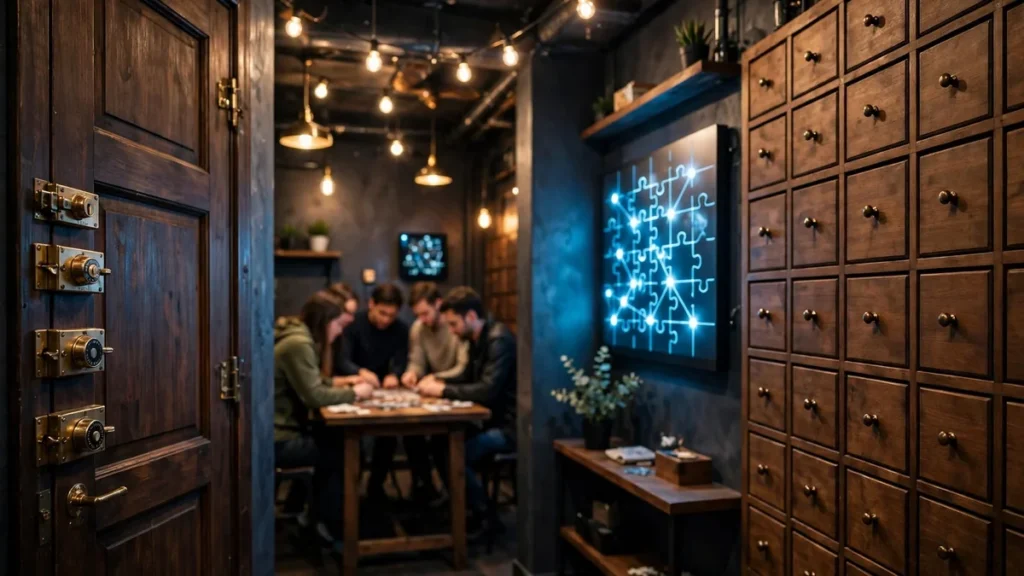
The best AI tools for event venues in 2026 do far more than answer emails faster. They predict which dates will sell out, build floor plans in minutes, match each enquiry with the right room and package, and keep guests informed from the first message to the final farewell. For venue owners and managers, that shift matters because the work of running a venue has always been a race against time. Every hour spent on admin is an hour not spent walking the floor, meeting clients, or improving the experience that brings people back.
Event venues sit at the centre of a demanding business. A single weekend can involve a wedding on Saturday, a conference on Monday, and a product launch on Wednesday, each with its own layout, catering plan, staffing rota, and set of expectations. The venues that thrive in 2026 are not necessarily the biggest or the most luxurious. They are the ones that respond first, plan smartest, and waste the least time on work a machine can handle well. Artificial intelligence has quietly become the difference between a venue that feels effortless to book and one that leaves clients waiting.
This guide compares the best AI tools for event venues in 2026, covering booking and enquiry handling, floor plans and layouts, vendor coordination, guest communication, and pricing. Every tool below was judged on how well it fits the daily reality of running a venue, not on how impressive its marketing sounds. Whether you manage a hotel ballroom, a barn, a conference centre, or a boutique garden venue, you will find options here that match your size, your budget, and the kind of events you host most.
Key takeaways
- AI tools for event venues now cover the full journey, from the first enquiry to the final guest survey, and the best platforms connect bookings, layouts, vendors, and payments in one place.
- Automated enquiry handling is the single biggest time saver, with smart replies and instant quotes cutting response times from hours to minutes.
- AI floor planning tools can generate accurate layouts in minutes, including seating, staging, and capacity checks, and they update instantly when guest numbers change.
- Dynamic pricing features help venues fill quiet dates and earn more from peak dates without guesswork or awkward negotiations.
- The right tool depends on your venue type and event mix, so shortlist two or three platforms, trial them with a real event, and only then commit.

What AI Tools Actually Do for Event Venues in 2026
An AI tool for an event venue is software that uses machine learning and automation to handle the repetitive, time consuming parts of running events. The technology has matured quickly. Where early tools simply stored contact details and sent reminders, the current generation reads enquiries, understands what a client wants, drafts a tailored reply, checks availability, and prepares a quote before a human has even opened the inbox. That speed changes the economics of a venue because the first venue to reply to an enquiry usually wins the booking.
Booking and enquiry management is where most venues feel the benefit first. AI assistants can read incoming emails and messages, identify the event date, guest count, and budget, and match them against your calendar and packages. They can answer common questions about capacity, pricing, and availability instantly, at any hour, and flag only the enquiries that genuinely need a human decision. For a venue that receives dozens of enquiries a week, this alone can save a full day of staff time. The broader family of AI tools for event management covers the same ground from the planner side, which is useful to understand because your clients may already be using them when they contact you.
Floor planning and layout design is the second major area. AI powered diagram tools can turn a guest count and a room shape into a workable seating plan, complete with tables, staging, dance floors, and accessible routes. When the guest list grows by forty people two weeks before the event, the layout updates in minutes rather than requiring a fresh drawing. Some tools even simulate guest flow, showing where queues will form at the bar or the entrance so you can fix problems before the doors open. For venues that host many different event types, this flexibility is worth as much as the time saved.
Guest communication rounds out the picture. Automated messaging can confirm attendance, share directions and parking information, collect dietary requirements, and send thank you notes after the event. Guests get fast, polite answers at any hour, and staff are freed from answering the same five questions a hundred times. The best systems keep a human tone and know when to hand over to a real person, so guests never feel trapped in a loop with a machine.
How We Chose the Best AI Tools for Event Venues
Choosing tools for this guide started with the daily work of a venue, not with a feature list. We looked for platforms that solve real problems: enquiries answered late, layouts redrawn by hand, vendors chased by phone, and quiet Tuesdays that stay empty while Saturdays turn clients away. A tool earned a place here only if it addresses at least one of those problems directly and can show how it does so in a live demonstration or a free trial.
The Best AI Tools for Event Venues in 2026
The tools below represent the strongest options for event venues in 2026. Some are all in one platforms that handle everything from enquiry to invoice. Others focus on one job, such as floor planning or guest messaging, and do it exceptionally well. Most venues will end up with one main platform plus one or two specialist tools, so read the reviews with your own gaps in mind rather than looking for a single perfect answer.
1. Tripleseat
Tripleseat is the most established venue management platform on this list, and it remains the benchmark for hotels, restaurants, and dedicated event spaces. Its AI features focus on the sales process: smart lead capture reads enquiry details automatically, drafts responses, and scores each lead so your team chases the most promising bookings first. The booking engine connects availability, pricing, and contracts, which means a quote can go from first message to signed agreement without retyping the same details three times.
Where Tripleseat stands out is the depth of its event documents. Banquet event orders, floor plans, and invoices all draw from the same booking record, so a change to the guest count updates every document at once. For venues that host high volumes of events, that consistency removes a whole category of mistakes. The reporting tools are strong too, showing which event types earn the most, which months need promotion, and which sales channels bring the best clients. Pricing sits at the higher end, and it suits venues with a dedicated events team rather than a one person operation. If your venue handles dozens of events a month, Tripleseat is the safest all round choice.
2. Social Tables
Social Tables is the leading AI assisted floor planning tool, and for many venues it is the first specialist tool worth buying. You start with your room dimensions and a guest count, and the software generates seating layouts, suggests table shapes, and checks capacity against fire regulations and accessibility needs. Dragging a table updates the plan instantly, and the guest list syncs with seating so dietary notes and VIP placements stay attached to the right chairs.
The 3D view is what sells it to clients. Instead of describing a layout over the phone, you can show the couple or the conference organiser exactly how the room will look, with tables, staging, and decor in place. That visual clarity reduces revisions and builds confidence early. Social Tables also handles check in, letting staff see who has arrived and where they are seated. It works best alongside a booking platform rather than replacing one, and the monthly cost is modest for the time it saves. Venues that host weddings and seated dinners will feel the benefit within the first event.
3. Cvent
Cvent is the heavyweight option for large venues and conference centres, and its AI tools focus on scale. The platform handles event registration, attendee management, and venue sourcing in one system, with machine learning that predicts attendance, flags no shows, and suggests the best room setup for each session. For a conference centre hosting multi day events with hundreds of delegates, that forecasting is genuinely valuable because staffing, catering, and room turns all depend on accurate numbers.
The venue sourcing network is another strength. Planners searching for space can find your venue through Cvent, which turns the platform into a marketing channel as well as a management tool. The trade off is complexity and cost. Cvent is built for organisations with large events teams, and smaller venues may find it more than they need. If your venue regularly hosts conferences, exhibitions, or corporate events with more than two hundred guests, Cvent deserves a serious look.
4. Planning Pod
Planning Pod is an all in one platform designed for venues and planners who want one login for the whole event. Its AI assistant helps with task lists, timelines, and budget tracking, learning from past events to suggest realistic schedules and flag tasks that are falling behind. The floor plan builder is solid, the guest list tools are thorough, and the budgeting features show exactly where each event stands against its target.
What makes Planning Pod appealing to independent venues is its balance. It is powerful enough for a busy events calendar but simple enough that a small team can run it without specialist training. The pricing is mid range, and the platform scales from a handful of events a month to a full diary. Venues that want to replace a patchwork of spreadsheets and email folders with one organised system will find Planning Pod a natural fit, especially if the same team handles sales, planning, and delivery.
5. HoneyBook
HoneyBook brings AI powered client management to venues that sell an experience as much as a space. Its smart workflows automate the client journey: enquiry, proposal, contract, invoice, and payment, with AI drafted messages that keep the tone warm and personal. The platform is popular with wedding venues, and it shows in the design, which is built around long sales cycles, multiple decision makers, and the careful follow up that turns an enquiry into a booking.
The standout feature is the way HoneyBook handles the details that win bookings. Automated follow ups arrive at the right moment, proposals look polished, and clients can sign and pay without leaving the thread. For venues where the owner or a small team handles sales personally, that polish matters because it competes with larger venues that have whole departments. HoneyBook is less suited to venues that need deep floor planning or complex multi room scheduling, so pair it with a specialist layout tool if that is part of your work. Wedding venues in particular will find it hard to beat for client experience, and the range of AI tools for wedding planners shows how much of the wedding market now runs on this kind of automation.
6. Prismm
Prismm, formerly Allseated, is a design led platform that combines AI floor planning with virtual venue tours. Its strength is helping clients see the space before they book. A venue can publish a digital twin of its rooms, and prospective clients can walk through them online, try different layouts, and picture their event in the actual space. That virtual visit shortens the sales cycle and reduces the number of in person showrounds needed for each booking.
The layout tools are precise and collaborative, so a planner, a client, and a venue manager can all work on the same plan and see changes in real time. Guest management and seating are built in, and the platform integrates with major booking systems. Prismm suits venues that compete on the beauty of their space and want to show it off, from historic houses to modern rooftop venues. The pricing reflects its premium positioning, but for venues where the look of the room is the selling point, the virtual tour alone can justify the cost.
7. Perfect Venue
Perfect Venue is a focused booking and enquiry platform built specifically for event venues, and its AI features target the earliest part of the sales process. The system reads enquiries, suggests the best package and room, and drafts a reply in your tone of voice. It tracks every conversation so nothing slips through, and it shows your team exactly which enquiries need attention today. For venues that lose bookings because replies are slow or inconsistent, Perfect Venue addresses the problem directly.
The platform is refreshingly simple. Setup takes hours rather than weeks, the interface is clean, and the pricing is accessible for small and mid sized venues. It does not try to do floor plans or guest seating, so it works best as the front door of your system, paired with a layout tool such as Social Tables. If your venue is growing and your current enquiry handling is a shared inbox and a spreadsheet, Perfect Venue is one of the fastest ways to professionalise the process without a large investment.
8. Breezit
Breezit takes a different approach by combining venue discovery with AI matching. Venues list their spaces, and the platform matches them with planners and clients whose requirements fit, using details such as capacity, style, location, and budget. For venues, that means qualified enquiries arriving without advertising spend. The AI also helps with pricing guidance, showing how similar venues price comparable dates and packages.
On the management side, Breezit covers enquiries, proposals, and booking tracking in a straightforward dashboard. It is a good choice for venues that want more visibility as well as better organisation, particularly newer venues building a client base. The platform is still growing compared with the established names on this list, so its management features are lighter, but the combination of discovery and booking in one place is attractive. Venues in competitive city markets, where standing out matters most, should consider it alongside a dedicated management platform.
Best AI Tools for Event Venues Compared
The table below summarises the eight tools at a glance. Use it to shortlist two or three platforms, then trial them with a real event from your diary rather than a demo scenario. A tool that feels right during a trial, with your rooms and your clients, is the one worth buying.
| Tool | Best for | Key strength | Price level |
|---|---|---|---|
| Tripleseat | Hotels and high volume venues | Sales, contracts, and event documents | Higher |
| Social Tables | Weddings and seated events | AI floor planning and 3D layouts | Mid range |
| Cvent | Conferences and large events | Registration and attendance forecasting | Higher |
| Planning Pod | Small and mid sized venues | All in one planning and budgeting | Mid range |
| HoneyBook | Wedding venues | Client experience and automated follow up | Mid range |
| Prismm | Design led and historic venues | Virtual tours and collaborative layouts | Higher |
| Perfect Venue | Growing venues | Fast enquiry handling and quotes | Lower |
| Breezit | New venues and city markets | Discovery and AI client matching | Lower |
How AI Improves Bookings, Layouts and the Guest Experience
The value of AI in a venue becomes clear when you follow one event from enquiry to farewell. Each stage has its own friction, and each has a tool that smooths it. The sections below look at the three areas where venues report the biggest change: bookings, layouts, and the guest experience.
Faster bookings and fewer lost enquiries
Speed wins bookings. Studies of enquiry behaviour consistently show that clients shortlist the venues that reply first, and the gap between a reply in ten minutes and a reply the next morning is often the gap between a signed contract and a polite decline. AI enquiry tools close that gap by drafting accurate replies the moment an enquiry arrives, complete with availability, pricing, and the next step. Your team reviews and sends, or lets the system handle straightforward enquiries entirely.
The second benefit is consistency. A tired team member at the end of a long day writes a shorter reply than a fresh one in the morning. AI does not get tired, and it does not forget to mention the package that fits the client best. That consistency protects your conversion rate across the whole week. The tools also keep a complete record of every conversation, so a client never has to repeat themselves when a different team member picks up the thread.
Layouts that adapt in minutes
Floor plans used to be the most fragile part of event planning. A final guest count, a change of table shape, or a late request for a stage could mean hours of redrawing. AI layout tools treat the plan as a living document. Change the guest count and the tables rearrange themselves. Add a dance floor and the seating adjusts around it. The software checks capacity, keeps walkways clear, and flags any table that is too close to a fire exit or a speaker.
That adaptability also improves the conversation with clients. Showing a couple three layout options in one meeting, each rendered in 3D, is far more persuasive than promising to send a revised drawing next week. It also reduces the last minute surprises that cost venues money, such as discovering on the day that the top table blocks the bar. Venues that host many different event types gain the most here, because the same room can be reimagined for a wedding, a conference, and a gala without starting from scratch each time.
Guests who feel looked after
Guest experience is where AI is least visible and most appreciated. Automated messages confirm bookings, share directions, and answer questions about parking, dress codes, and timings. Check in becomes a quick scan rather than a queue at a desk. Dietary requirements collected in advance reach the kitchen in a clear list rather than scribbled on a seating plan. None of this replaces hospitality, but it removes the friction that makes guests feel like an admin problem.
Catering is a good example of where the details matter. When guest numbers and dietary needs flow automatically from the booking to the kitchen, the caterer can plan accurately and the venue avoids waste and last minute panic. The specialist AI tools for caterers show how the catering side of an event benefits from the same automation, and venues that share data cleanly with their caterers deliver smoother events for everyone. After the event, automated surveys collect feedback while the experience is fresh, giving venues honest insight into what worked and what to improve.
What to Look for When Choosing an AI Tool for Your Venue
Start with your biggest pain point, not with the longest feature list. If enquiries sit unanswered for a day, you need a booking and enquiry tool first. If layouts eat your weekends, a floor planning platform is the priority. If vendors and run sheets cause the most stress, look for coordination and communication features. A tool that solves your worst problem will pay for itself quickly, while a tool bought for features you might use one day will gather dust.
Check integration before you commit. Ask each vendor which systems it connects with, and test the connections that matter most to you, such as your calendar, your payment provider, and your email. A tool that cannot share data with your other software creates double entry, and double entry creates errors. Also ask about data ownership and export. You should be able to take your client list and booking history with you if you ever switch platforms.
Finally, be honest about your growth plans. A tool that fits a venue hosting ten events a month may struggle at forty. Choose a platform that can grow with you, with pricing tiers that make sense as you add rooms, staff, and events. It is cheaper to grow into a platform than to migrate to a new one in the middle of a busy season.
What AI Tools for Event Venues Cost in 2026
Pricing for AI tools for event venues in 2026 ranges widely, and the honest answer is that you pay for the scope of the problem you want solved. Specialist tools such as floor planners and enquiry managers typically cost between fifty and two hundred dollars a month. All in one platforms for busy venues usually fall between two hundred and six hundred dollars a month, with enterprise options for large hotel groups and conference centres running higher.
Most vendors charge per venue or per user, and some add fees for premium features such as virtual tours or advanced reporting. Free trials are common, usually lasting fourteen to thirty days, and they are worth using properly. Run a real event through the trial, involve your team, and measure the time saved. A tool that saves ten hours a week pays for itself at almost any price point on this list.
Venue Readiness Checklist
Before you buy any AI tool, run through this checklist. It takes an hour and it will save you from buying the wrong platform or implementing the right one badly.
- List your three biggest time drains in a typical event week, and confirm the tool you choose solves at least two of them.
- Check that the tool connects with your calendar, email, and payment system, and test each connection during the trial.
- Map your rooms, capacities, and standard packages in the system before your first live event, so quotes and layouts draw on real data.
- Train every team member who will touch the tool, and name one person as the owner who keeps data tidy and answers questions.
- Set up templates for your most common replies, quotes, and run sheets, so the AI starts from your voice and your standards.
- Review results after the first month by comparing enquiry response times, booking conversion, and hours saved against your old way of working.
Frequently Asked Questions
What is the best AI tool for a small event venue?
For a small venue, the best starting point is usually a focused tool rather than a large all in one platform. Perfect Venue handles enquiries and quotes well at an accessible price, and Social Tables covers floor planning for seated events. Together they solve the two problems small venues feel most: slow replies and time consuming layouts. As your diary grows, you can add a fuller platform such as Planning Pod without losing the work you have already done.
Can AI tools replace my events team?
No, and that is not their purpose. AI tools handle repetitive admin, drafting, scheduling, and data entry so your team can spend their time on the work that needs a human: meeting clients, walking the venue, solving problems on the day, and creating the atmosphere that guests remember. Venues that use AI well do not employ fewer people. They employ the same people on better work, and their clients notice the difference.
How much do AI tools for event venues cost?
Specialist tools generally cost between fifty and two hundred dollars a month, while all in one platforms for busy venues run from two hundred to six hundred dollars a month. Large conference centres and hotel groups pay more for enterprise features and support. Most vendors offer a free trial of fourteen to thirty days, and annual billing usually brings a discount. Always ask for the full first year cost, including onboarding and extra seats.
Do AI floor planning tools work for unusual room shapes?
Yes, and this is one of their strengths. Modern layout tools let you draw any room shape, including L shaped rooms, rooms with pillars, and outdoor spaces with marquees. You set the dimensions and the fixed features, such as doors, stages, and bars, and the software builds the layout around them. The best tools also check accessibility, keeping routes clear for wheelchairs and pushchairs, and they flag any layout that breaches capacity or safety limits.
Will AI replies sound robotic to my clients?
They should not, provided you set the tool up properly. Good AI enquiry tools learn from your past emails and adopt your tone, and they are designed to draft replies for your team to review rather than sending blindly. The key is to spend time on the setup: load your best past replies, set your pricing rules, and review the first twenty drafts carefully. After that, most venues find clients cannot tell the difference, and they certainly notice the faster response.
How long does it take to set up an AI tool for a venue?
A focused tool such as an enquiry manager or a floor planner can be running within a day, once your rooms, capacities, and packages are entered. An all in one platform typically takes one to two weeks, including data migration, template setup, and team training. The biggest delay is usually gathering your own information, such as accurate room dimensions and current price lists, so prepare those before the trial starts and the setup will go quickly.
The Bottom Line
The best AI tools for event venues in 2026 are the ones that give your team its time back. Tripleseat leads for high volume venues that need deep sales and document management. Social Tables is the essential layout tool for weddings and seated events. Cvent suits large conferences, Planning Pod fits small and mid sized venues that want one system, and HoneyBook delivers the client experience wedding venues depend on. Prismm shows off beautiful spaces, Perfect Venue fixes slow enquiries fast, and Breezit helps newer venues get found.
Start with your biggest pain point, shortlist two or three tools, and trial them with a real event. The right choice will be obvious within a week: enquiries answered in minutes, layouts that adapt without a redraw, and a team that spends its days hosting rather than chasing paperwork. That is what AI is for in an event venue, and in 2026 it is no longer a luxury. It is how the best venues stay ahead.

Keep what speaks to you.
Leave room for your own perspective.