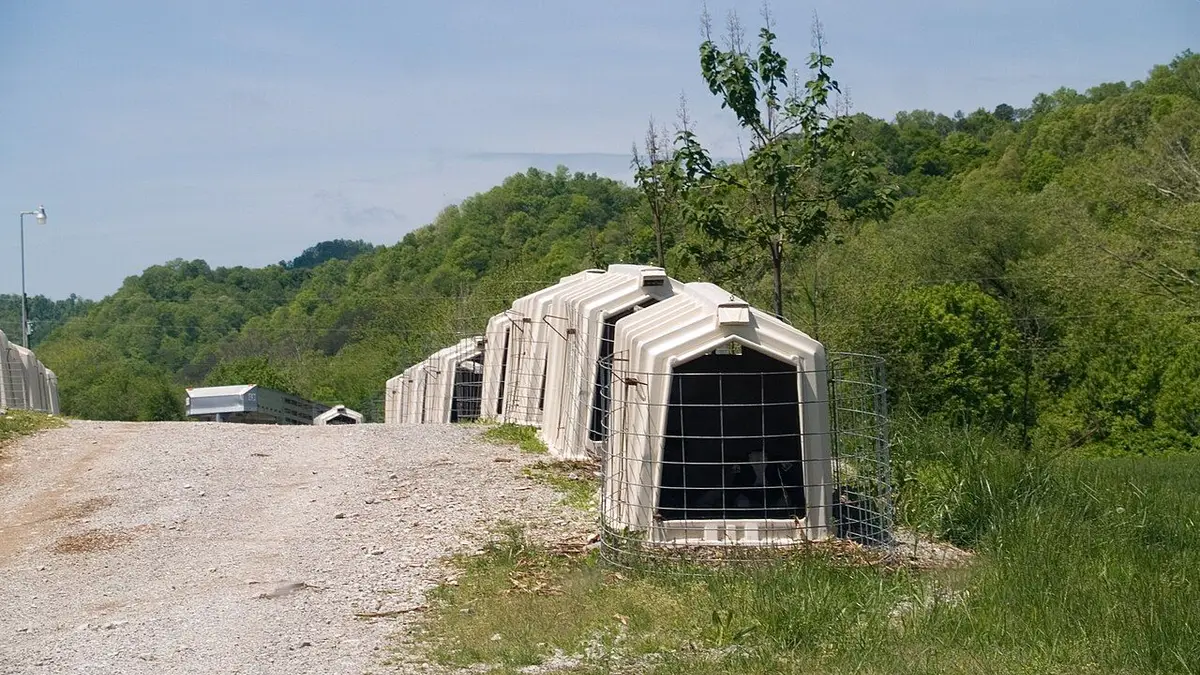
A calf hutch is a small, single-calf shelter, and that one fact shapes everything about installing it. Each hutch houses one calf, with its own pen, its own feed bucket or teat, its own bedding and its own patch of fresh air. A startup that installs calf hutches is not building a barn, a stable or a shared shelter for a herd. It is setting out rows of individual homes, one calf at a time, and getting the small details right on every single one.
That detail work is where new installers win or lose jobs. A hutch placed on a slope that holds water will stay damp all winter. A pen with no windbreak will chill a newborn calf on its first night. A feeder set at the wrong height will spill milk replacer and waste feed every day. Farmers notice these things quickly, and they talk to other farmers. A startup that delivers dry, draught-free, well-ventilated hutches with clean feeding routines earns repeat work across a whole district.
Artificial intelligence tools can help a small calf hutch startup look organised from the first job. Layout software plans the rows, feeding software tracks milk intake, record apps log health treatments, and quoting tools turn a site visit into a tidy written price. This guide compares the nine best AI tools for calf hutch installation startups in 2026, chosen for the calf-hutch build itself: individual pens, feed, shelter, ventilation and bedding.
Key Takeaways
- A calf hutch is an individual shelter for one calf, so the work is about pens, feed, ventilation and bedding, not herd housing.
- Calf-Tel and PolyDome lead on the hutches themselves, while Holm & Laue and Förster-Technik lead on automated feeding and feeding data.
- Health records matter more than fancy renders: DeLaval CalfApp keeps treatment and growth notes where the whole crew can find them.
- RoomSketcher plans hutch rows and pen layouts before a single hutch is delivered to the farm.
- Jobber turns site visits into quotes, schedules and invoices, so a two-person startup can run like a larger firm.
Best AI Tools for Calf Hutch Installation Startups Compared
| Tool | Best for | What it does for a calf hutch startup |
|---|---|---|
| Calf-Tel | Individual hutch systems | Single-calf hutches with pens, feeders and ventilation options |
| PolyDome | Polyethylene calf nurseries | Durable plastic hutches and group housing for young calves |
| Holm & Laue CalfExpert | Automated calf feeding | Computer-controlled feeders that mix and serve milk replacer |
| Förster-Technik CalfCloud | Feeding data and monitoring | Remote feeding records, alerts and reports for every calf |
| DeLaval CalfApp | Calf health records | Treatment, growth and weaning notes kept on a phone |
| Milk Bar | Bottle and teat feeding | Teat feeders and bottle kits for individual calf pens |
| Urban CalfMom | Automated feeding for small herds | Compact automatic feeders for farms with fewer calves |
| RoomSketcher | Hutch layout and pen plans | Measured 2D and 3D plans of hutch rows and pen areas |
| Jobber | Quoting and job management | Quotes, scheduling, invoicing and customer messages |
What Makes a Calf Hutch Installation Startup Different
A calf hutch startup works at a smaller scale than most farm building trades, and the scale changes the job. One hutch holds one calf, so a dairy farm may need twenty, forty or eighty identical units set out in neat rows. The installer repeats the same small build many times, and small errors repeat with it. A pen fence set a few centimetres too narrow will pinch every calf in the row. A hutch door that sticks will annoy the farm worker who opens it twice a day for months.
Ventilation is the heart of the work. A calf hutch must keep a young calf dry and out of the wind while still letting fresh air move through. Stale, damp air brings coughs and pneumonia, which are the biggest health risks for housed calves. Good installers think about the direction of the prevailing wind, the slope of the ground and the gap between the hutch and its pen fence. They leave room for air to rise out of the hutch without letting rain drive in. The tools in this guide help with that planning, from layout software that shows wind direction on a site plan to feeding systems that record which calves are drinking less, often the first sign of illness.
Feeding is the second half of the job, and it is what separates a calf hutch installer from a general shelter builder. A calf hutch is not an empty box. It comes with a feed bucket or teat, a water bucket, bedding and a pen where the calf can stand, lie down and stretch. Some farms want simple bottle feeding, with a teat bucket in every pen. Others want an automatic feeder that mixes milk replacer and serves it on a schedule. An installer who understands both options can advise the farmer, supply the right kit and leave a feeding routine the farm worker can follow without confusion.
Bedding and hygiene complete the picture. Calves lie down for most of the day, so the bedding under them must stay dry and deep. Straw is the usual choice, and a good hutch design makes it easy to fork out soiled straw and put fresh bedding in. Hutches should sit on ground that drains, with a slight fall away from the entrance, and the pen area should be easy to move or clean between calves. Installers who plan for cleaning save the farmer hours every week, and that is the kind of practical detail that earns a recommendation. The work also differs from building a shared shelter: a goat shelter installation startup houses a small herd together, while a calf hutch startup gives every calf its own space, its own feed and its own health record.
The 9 Best AI Tools for Calf Hutch Installation Startups in Detail
1. Calf-Tel: The Best Tool for Individual Hutch Systems
Calf-Tel, made by Hampel, is the best-known name in individual calf hutches, and it is the natural first choice for a startup that wants a proven product to install. The hutches are moulded polyethylene units with a matching pen fence, a feed bucket holder and a rear ventilation opening. The calf lives in the hutch and steps out into the pen to eat, drink and stretch, which keeps the bedding inside the hutch drier for longer.
For an installer, the value is consistency. Every Calf-Tel hutch is the same size and shape, so the crew learns the assembly once and repeats it cleanly. The pen panels clip together in a standard way, and the layout of a row can be planned on paper before the delivery truck arrives. Calf-Tel also offers outdoor hutch models with sun shades and different pen sizes, so the startup can offer a small range without stocking dozens of different parts.
The trade-off is price. Calf-Tel hutches cost more than a home-made timber hutch, and a farmer buying forty of them will ask hard questions about the cost. A good installer answers with the long life of the plastic, the easy cleaning and the lower disease risk of housing calves one by one. Offer a small trial row of four or six hutches so the farmer can see the difference before committing to a full calf yard.
2. PolyDome: The Best Tool for Polyethylene Calf Nurseries
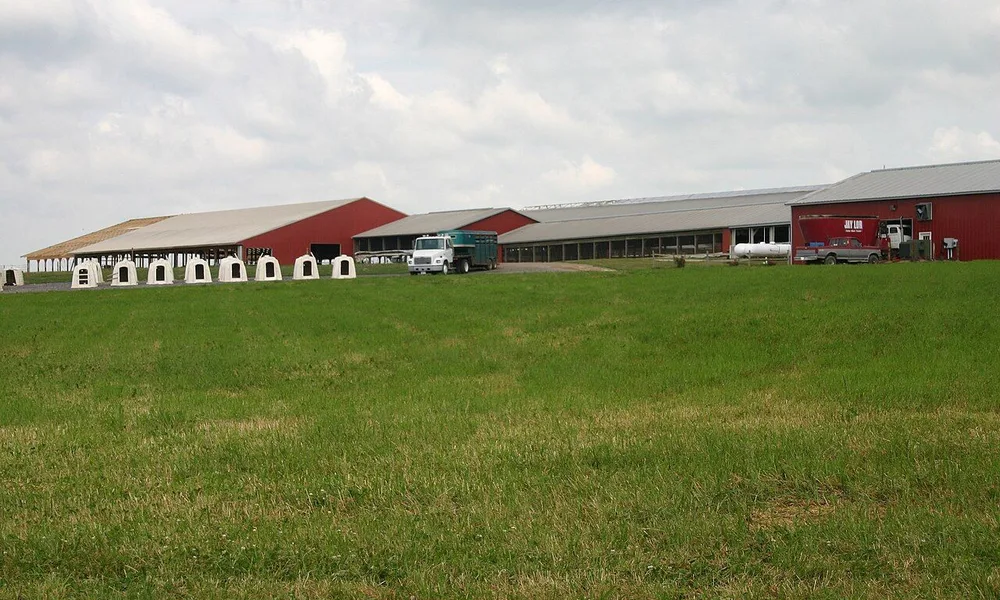
PolyDome builds polyethylene calf hutches and group housing that suit farms wanting a full calf nursery rather than a handful of single units. The dome-shaped hutches shed rain well, and the smooth plastic surface washes down quickly between calves, which matters when the same hutch houses a new calf every few weeks.
Installers like PolyDome because the units are light enough to move by hand or with a small loader, yet heavy enough to stay put in strong wind once the pen is fitted. The range includes single hutches, paired hutches and larger group shelters, so a startup can serve both small family farms and larger dairies from one supplier. The group housing options are useful for weaned calves that no longer need individual pens but still need shelter and a dry bedded area.
When quoting a PolyDome job, measure the site carefully and allow space between rows for a barrow or small loader to pass. Calf hutches need cleaning access, and a row packed too tightly against a fence becomes a chore to muck out. A tidy layout with a clear cleaning lane is a selling point the farmer will notice on the first visit.
3. Holm & Laue CalfExpert: The Best Tool for Automated Calf Feeding
Holm & Laue CalfExpert is an automatic calf feeder that mixes milk replacer and serves it to each calf on a planned schedule. Each calf wears a transponder, so the feeder knows which calf is drinking, how much it has taken and when it last fed. The system can feed many calves from one station, which suits farms moving from individual bottle feeding to group housing after weaning.
For a hutch installer, CalfExpert changes the shape of the job. The startup is no longer just placing hutches in a row; it is fitting a feeding station, running power and water to it, and setting up the pen layout around the feeder. That is higher-value work, and it needs careful planning. The feeder must sit on level, drained ground, with pens arranged so calves can reach it without crowding or bullying weaker animals away from the teat.
The software behind CalfExpert is where the artificial intelligence earns its place. It flags calves that drink less than usual, which is often the earliest sign of illness, days before a worker would spot a dull calf by eye. Installers who can set up the alerts and show the farmer how to read them add real value. Keep the first installation simple, train the farm worker on the spot, and leave a one-page feeding guide fixed near the feeder.
4. Förster-Technik CalfCloud: The Best Tool for Feeding Data and Remote Monitoring
Förster-Technik CalfCloud is the cloud platform behind the company’s automatic calf feeders, and it turns feeding into data the farmer can check from a phone. Every visit to the feeder is logged: how much milk each calf drank, how fast it drank, and how many visits it made in a day. The farmer or the installer can check the whole calf group without walking to the barn.
A startup that installs hutches and feeders together can use CalfCloud as a handover tool. After the build, the installer shows the farmer the dashboard, sets up alerts for calves that miss feeds, and agrees on who watches the numbers each day. That handover turns a building job into an ongoing service, and it gives the startup a reason to return for check-ups and adjustments.
CalfCloud also helps with weaning. The system can reduce milk gradually on a set plan, and the data shows whether a calf is eating enough solid feed to cope with less milk. Installers should learn the weaning settings before the first job, because farmers will ask about them. A feeder that weans calves smoothly, without a growth check, is worth more than a feeder that simply serves milk.
5. DeLaval CalfApp: The Best Tool for Calf Health Records
DeLaval CalfApp is a phone app for recording calf health, treatments, weights and weaning dates. It is free to use, simple to learn and built for the farmyard, where a worker needs to log a treatment with dirty hands and no desk. Each calf gets a record that follows it from birth through weaning, and the whole team can see the same notes.
For a hutch installer, CalfApp is a useful extra to offer at handover. When the hutches are in place, the installer can help the farmer set up the calf list, record birth dates and agree on a simple routine: check every calf daily, log any treatment the same day, and weigh calves at set ages. That routine catches sick calves early, and healthy calves are the best advertisement for the hutches themselves.
The app also helps the startup learn from its own work. If calves in one row of hutches keep needing treatment while calves in another row stay healthy, the installer can look for a draught, a damp patch or a ventilation fault in the problem row. Offer to review the first month of records with the farmer. It costs an hour, and it shows the farmer that the installer cares about results, not just delivery.
6. Milk Bar: The Best Tool for Bottle and Teat Feeding
Milk Bar makes teat feeders and bottle feeding kits that fit neatly into individual calf pens. The teat design lets the calf suckle in a natural head-up position, which helps milk go to the right stomach and reduces digestive upsets. The feeders are simple, with few moving parts, and they suit farms that prefer hands-on feeding to automatic systems.
Installers value Milk Bar because the kit is easy to fit and easy to explain. Each pen gets a feeder at the right height for a young calf, fixed firmly so it cannot be knocked over, and the farmer gets a cleaning routine that takes minutes. The feeders come in single-calf and multi-teat versions, so the startup can serve both individual hutches and small group pens from the same supplier.
The main job for the installer is height and position. A teat set too low makes the calf drink with its head down, which is unnatural and can cause milk to enter the wrong stomach. A teat set too high makes the calf stretch and spill. Fit the feeder at the height the maker recommends for the age of the calves, check it with a real calf if possible, and show the farm worker how to test the teat flow before every feed.
7. Urban CalfMom: The Best Tool for Automated Feeding on Small Herds
Urban CalfMom is a compact automatic calf feeder built for smaller farms, and it fills a gap that large feeder systems leave open. Many family dairies keep thirty or forty calves, too few to justify a big feeding station but too many for bottle feeding to stay practical. CalfMom serves that middle ground with a smaller machine, a simpler setup and a lower price.
For a startup, CalfMom opens a market that bigger installers often ignore. The installation is straightforward: a level base, power, water and a pen layout that lets calves reach the feeder in small groups. The machine mixes milk replacer to a set concentration and temperature, and it records how much each calf drinks, so the farmer can spot a calf that goes off its milk quickly.
Keep the pitch honest. A compact feeder cannot do everything a large station can, and a farm planning to double its herd may outgrow it. Ask the farmer about growth plans before recommending CalfMom, and size the pen area so a larger feeder could take its place later. That honesty builds trust, and trust brings the next job.
8. RoomSketcher: The Best Tool for Hutch Layout and Pen Plans
RoomSketcher is a floor plan and 3D visualisation tool that a calf hutch startup can use to plan rows, pens and access lanes before building. The installer draws the calf yard to scale, places each hutch and pen, and shows the farmer a clear plan with measurements. A 3D view helps the farmer picture the finished yard and spot problems, such as a row that blocks the tractor path to the slurry store.
The tool earns its keep on the site visit. Instead of sketching on the back of an envelope, the installer can measure the yard, note the slope and wind direction, and build a plan that same evening. The farmer receives a tidy drawing with the quote, which looks professional and makes the price easier to accept. RoomSketcher also stores past plans, so a layout that worked well on one farm can be adapted for a similar yard.
Use the plan to think about the daily routine, not just the buildings. Mark the route the worker walks with milk, the place where straw is stored, and the spot where the muck heap sits. A calf yard that is easy to work in every day is worth more than a yard that merely looks tidy on the day it is finished. A clear plan also helps when the job is closer to a shared shelter than a hutch row, and the same planning habit serves a field shelter installation startup that must place an open-fronted shelter on open ground.
9. Jobber: The Best Tool for Quoting, Scheduling and Invoicing
Jobber is a job management tool for small service businesses, and it fits a calf hutch startup well. It turns a site visit into a written quote, the quote into a scheduled job, and the finished job into an invoice, all in one place. The farmer receives clear paperwork at each step, and the installer can see which jobs are booked, which quotes are waiting and which invoices are overdue.
The quoting feature is the most useful part for a new startup. Calf hutch jobs have many small parts: hutches, pens, feeders, bedding, delivery and labour. Jobber lets the installer list each item with a price, so the farmer can see exactly what the money buys. A clear quote wins work against a rival who offers only a single round number with no breakdown.
Jobber also handles the day-to-day running of the business. The crew sees the next job on a phone, the farmer gets a message when the crew is on the way, and the invoice goes out the same day the job finishes. That speed matters for cash flow in a small startup. Set up quote templates for common jobs, such as a row of ten hutches or a hutch plus automatic feeder, and each new quote takes minutes instead of an evening.
How to Choose the Right Stack for Your Calf Hutch Startup
Start with the hutch itself, because everything else hangs off that choice. Decide whether your customers want single polyethylene hutches, such as Calf-Tel or PolyDome, or a hutch-plus-feeder package built around an automatic system. A startup that tries to offer every brand at once will carry too much stock and learn none of the products properly. Pick one hutch supplier, learn its range well, and add a second only when the first is selling steadily.
Add feeding next. If your customers bottle feed, Milk Bar covers the need simply and cheaply. If they want automation, choose between Holm & Laue CalfExpert and Urban CalfMom based on herd size, and pair the feeder with its data platform, CalfCloud or the feeder’s own software. Set up the alerts before handover, and make sure at least one farm worker knows how to read them. A feeder whose alerts nobody checks is just an expensive milk tap.
Then add the business tools. RoomSketcher plans the yard, DeLaval CalfApp keeps the health records, and Jobber runs the quotes, schedule and invoices. That stack costs little each month, and it covers the three things a new startup needs most: a professional plan, healthy calves and paid invoices. Buy the tools in that order, and do not buy a second tool that does a job your first tool already handles. A small stack used well beats a large stack used badly.
Calf Hutch Installation Startup Checklist
Use this checklist on every job, from the first site visit to the final handover. It keeps small mistakes from becoming expensive call-backs.
- Walk the site and note slope, drainage, wind direction and access for delivery and cleaning.
- Draw the hutch rows and pen layout in RoomSketcher, with a clear cleaning lane between rows.
- Confirm the hutch, pen and feeder choice with the farmer, and list every part on the Jobber quote.
- Set each hutch on level, drained ground with a windbreak and a ventilation gap that lets stale air out.
- Fit feeders at the correct height, test teat flow, and set up feeding alerts before handover.
- Leave fresh bedding in every hutch, log each calf in CalfApp, and agree a daily check routine with the farmer.
Frequently Asked Questions
How much do the best AI tools for calf hutch installation startups cost?
The tools in this guide range from free to several thousand pounds, and the total depends on how much of the calf system you supply. DeLaval CalfApp is free, RoomSketcher and Jobber cost a modest monthly fee, and a single Calf-Tel or PolyDome hutch costs far less than an automatic feeder. A startup can begin with the planning and business tools, add hutches as orders arrive, and invest in a feeder system only when a customer orders one. Budget for the hutches themselves first, because they are the product the farmer buys.
Which tool should a new calf hutch startup buy first?
Buy Jobber first, because it turns enquiries into paid work, then add RoomSketcher so every quote carries a proper plan. A new startup needs customers and cash flow before it needs feeding software. Once the first hutch orders arrive, the hutch supplier and the feeder maker become the next purchases, in that order. The feeding data tools matter most after the first automatic feeder is installed and the farmer asks for help reading the numbers.
What size should individual calf pens be?
A single-calf pen should let the calf stand up, lie down stretched out, turn around and stretch without touching the sides. As a rule, the pen should be at least as long as the calf and wide enough for the calf to lie flat with its legs out. The hutch itself should be tall enough for the calf to stand inside with its head up. Check the hutch maker’s guidance for the breed and age, because a pen that suits a newborn Jersey calf will be too small for a three-month-old Holstein.
How is a calf hutch different from a field shelter?
A calf hutch is an individual shelter for one young calf, with its own pen, feed bucket and bedding. A field shelter is an open-fronted building that shelters a group of animals, usually older cattle, horses or sheep, from wind and rain. The calf hutch gives each animal its own space and its own health record, which cuts disease spread between calves. The field shelter gives a group shared cover, which is a different job with different tools and a different layout.
How do I keep a calf hutch ventilated without chilling the calf?
Place the hutch with its back to the prevailing wind, leave the rear ventilation opening clear, and keep the pen fence open enough for air to move without funnelling a draught straight onto the calf. Fresh air should rise out of the hutch and carry damp air with it, while the calf lies in a dry, draught-free bed. Deep dry straw helps, because a calf lying in straw stays warmer than a calf lying on a bare floor. Check the bedding daily and add fresh straw whenever the top layer feels damp.
Should I offer calf health records as part of the handover?
Yes. Set up DeLaval CalfApp with the farmer, record each calf’s birth date, and agree a simple daily check: appetite, droppings, coughing and bedding condition. A startup that leaves health records in place shows the farmer that the hutches are part of a calf-rearing system, not just a delivery of plastic boxes. It also gives the installer a reason to return, review the first month and fix any ventilation or feeding problem early, before it becomes a lost customer.
The Bottom Line
A calf hutch installation startup succeeds on small things done well: dry bedding, fresh air, the right feeder height and a pen a calf can stretch in. The nine tools in this guide cover the whole job, from the hutches themselves to the feeding data and the invoice at the end. Calf-Tel and PolyDome supply the shelter, Holm & Laue and Urban CalfMom supply the feeding, and RoomSketcher, DeLaval CalfApp and Jobber keep the business organised. Start with one hutch range, one feeding option and a tidy business stack, and grow the range only when customers ask for it. The same step-by-step approach works across farm buildings, and a horse stable installation startup follows a similar path from first plan to final handover, even though the building and the animals are different.

Keep what speaks to you.
Leave room for your own perspective.