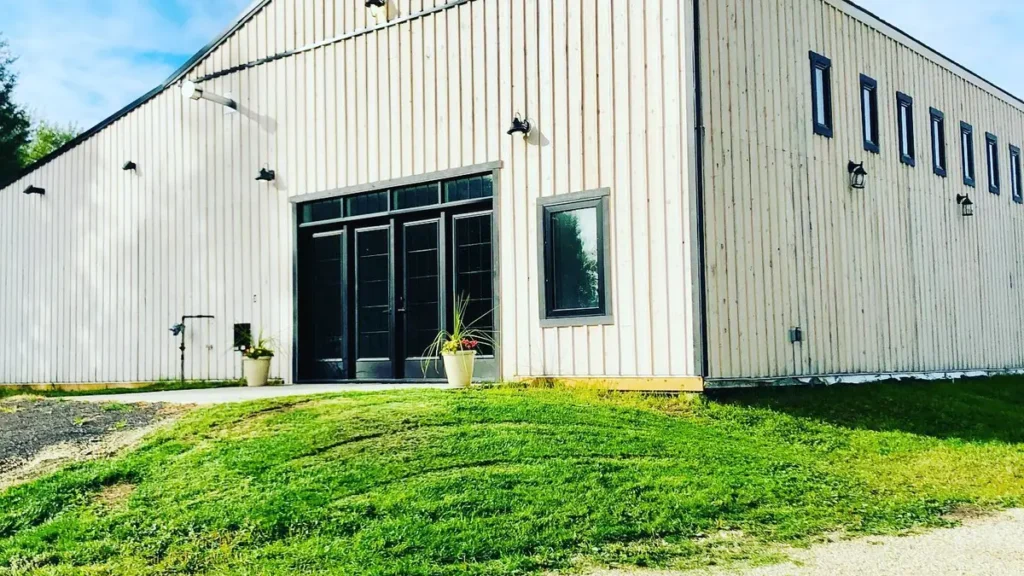
A shed is not just a place to keep the lawnmower — it is a small business in the backyard. Every workshop you run, every box you store, and every hour you rent it out is money the shed earns while you are not even in it. The shed that costs nothing to keep can earn $200 to $500 a month, and the owners who treat it like a business are the ones who never pay for the garden again.
Here are seven ways to make money with a shed, from the easiest first rental to the steadiest year-round income.

1. Rent the shed out for storage
Renting a shed out for storage is the easiest money a shed earns. Neighbours need space for boxes, bikes, and furniture — and they pay $50 to $150 a month for a dry, locked shed, because the alternative is a storage unit that costs twice as much. List it on a peer-to-peer platform, set the rules in writing, and keep the shed dry and locked: the shed that is dry, locked, and easy to reach is the shed that gets rented again. The best ways to make money with a garden work the same way — the space you have, the people who need it, and the rent that arrives every month.
2. Run a workshop from the shed
A workshop is the shed job that pays the most per day. Woodwork, pottery, bike repairs, and craft classes all fit in a shed — and the students who pay $30 to $60 a class are the students who come back every week. Clear the bench, put up a light, and teach what you know: the shed that teaches is the shed that earns. The best ways to make money on a farm make the same point about the land: the space you own, the skill you have, and the people who want to learn it.
3. Grow plants in the shed
A shed with a window is a greenhouse in disguise. Seedlings, herbs, and cuttings grow on a bench in the shed through the winter, and the plants that are ready in spring sell for $3 to $10 each at a market stall. A bench of seedlings is a business that fits in a corner, and the shed that grows plants is the shed that never stops earning. Start with tomatoes and herbs, sell them in spring, and the shed pays for itself before the summer even starts.
4. Use the shed as a studio
A shed is a studio that costs nothing to rent. Photographers, painters, and podcasters all need a quiet room to work in — and they pay $10 to $20 an hour to use yours. Clear the floor, put up a light, and keep it quiet: the shed that is clean, warm, and easy to book is the shed that gets booked again. The guide to making money as a private chef makes the same point about small spaces: the room you own, the work that fits in it, and the customers who come back every week.

5. Sell firewood from the shed
Firewood is the shed product that sells itself. A shed full of split logs sells for $100 to $200 a load in winter, and the wood that is dry, stacked, and ready to burn is the wood that sells first. Cut the wood in summer, stack it in the shed to dry, and sell it in winter when the cold arrives — the shed that stores the wood is the shed that earns. The work is physical, the customers are grateful, and the regulars who buy every winter are the regulars who never go anywhere else.
6. Rent the shed out as a garden office
A garden office is the shed job that pays the most per month. Remote workers need a quiet room away from the house — and they pay $200 to $400 a month for a shed with power, light, and Wi-Fi. Insulate the walls, run a cable from the house, and put a desk in the corner: the shed that works as an office is the shed that earns like one. The renter who works there every day is the renter who pays every month, and the shed that is warm in winter is the shed that stays rented.
7. Store bikes and tools for neighbours
The easiest money a shed earns is the storage it sells to the people who live near it. Bikes, tools, and garden furniture all need a dry place to live — and the neighbours who pay $20 to $50 a month for a shelf in your shed are the neighbours who never leave. Keep a short written agreement, keep the shed locked, and the shelf that held nothing last year holds money this year. The best shed business is the one where the shed works even when you do not.
The bottom line
A shed earns money because it is the space everyone needs and almost nobody has: a dry, locked room in the backyard, ready to work. Start with storage and plants — the work is there every week — and build up to workshops, studios, and garden offices as the shed proves itself. Keep the shed dry, keep the insurance right, and keep the customers who come back every month. The shed you already own is the business you already have; the only thing left is to put it to work.
Frequently asked questions
How much money can I make from a shed?
A shed earns $100 to $400 a month from storage, workshops, and rentals, and a garden office earns $200 to $400 a month on its own. The shed’s costs — power, insurance, and repairs — take about a quarter of the income, so the profit is real but the maths has to be done honestly.
Do I need planning permission to rent out my shed?
Most places let you rent a shed for storage without permission, but a garden office or a workshop may need it — the rules vary, and some towns ask for a change of use. Check the rules where you live before the first rental, and keep it simple: storage first, offices later.
What does it cost to start making money with a shed?
If you already own the shed, the start-up cost is small: a lock, a light, and a clean floor cost under $100. The real cost is the insurance — public liability cover costs more than home cover, and it is the one thing you must not skip.
Is it safe to rent out my shed?
It is as safe as the owner makes it: clear rules, a locked door, and a written agreement with every renter. The renters who follow the rules are the renters who come back — and the shed that is safe is the shed that keeps earning.

Keep what speaks to you.
Leave room for your own perspective.