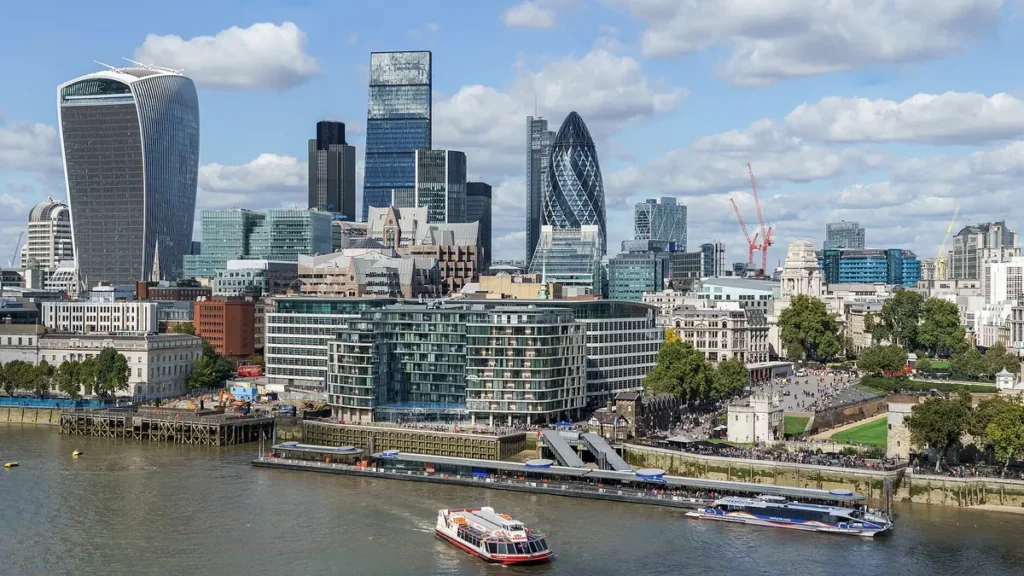
Every family that moves faces the same question: the city or the countryside? The city has the jobs, the shops, and the life, and the countryside has the space, the quiet, and the air — and the right answer depends on the work, the children, and the life you actually live. Both are wonderful places to live, and both ask for different things in return.
This comparison scores the city and the countryside across five rounds that decide which one is actually better, then gives a straight verdict for different kinds of family. The costs here are examples, and they will vary where you live.
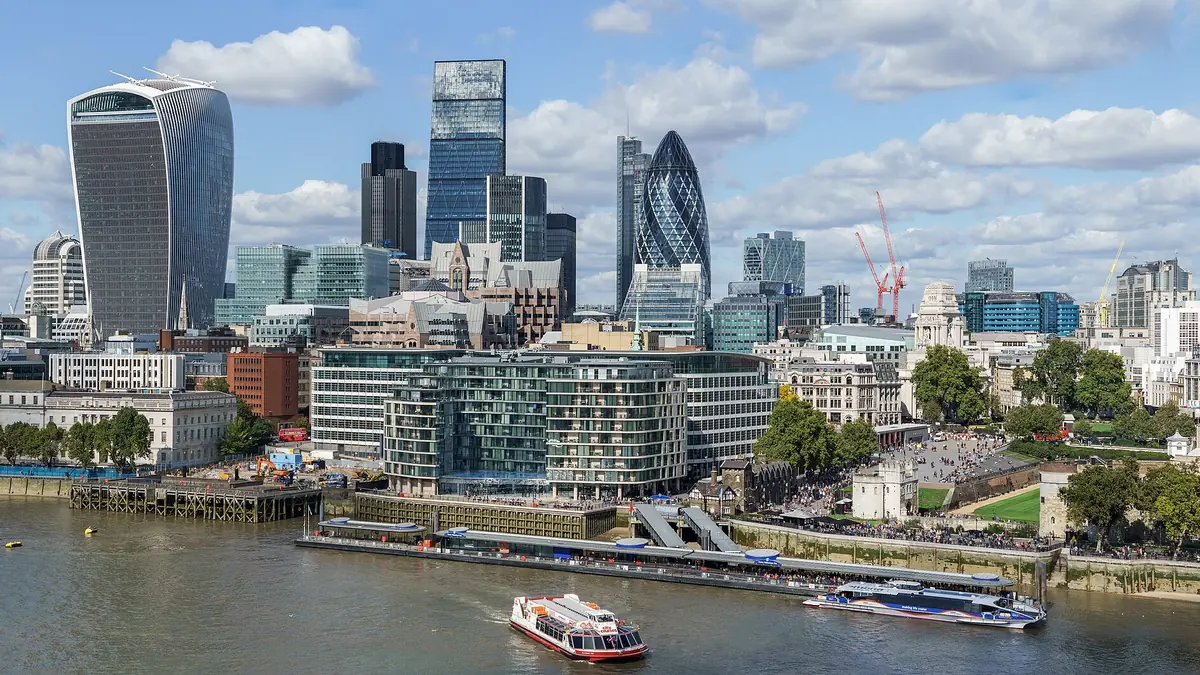
Round 1: Cost of living
The countryside wins this round by a distance. A house in the countryside costs half as much as the same house in the city, the rent is lower, and the family that moves out of the city saves $500 to $1,000 a month on housing alone. The city fights back with higher wages, but the wages never cover the rent. For the budget, the countryside wins. Winner: Countryside.
Round 2: Jobs and work
The city takes this round clearly. A city has a thousand employers, a hundred industries, and a job for every skill — and the worker who loses one job finds another in a week. The countryside has a handful of employers, and the worker who loses a job drives an hour to the next one. For the career, the city wins — though the remote worker who earns a city wage from a country house gets the best of both. Winner: City.
Round 3: Space and freedom
The countryside wins this round too. A country house has a garden, a field, and a sky full of stars — and the children who grow up there grow up with room to run, climb, and build. A city flat has a balcony, a park down the road, and a sky full of lights, and the children who grow up there grow up with friends on every floor. For the space, the countryside wins — and the family that wants a garden finds it there. Winner: Countryside.
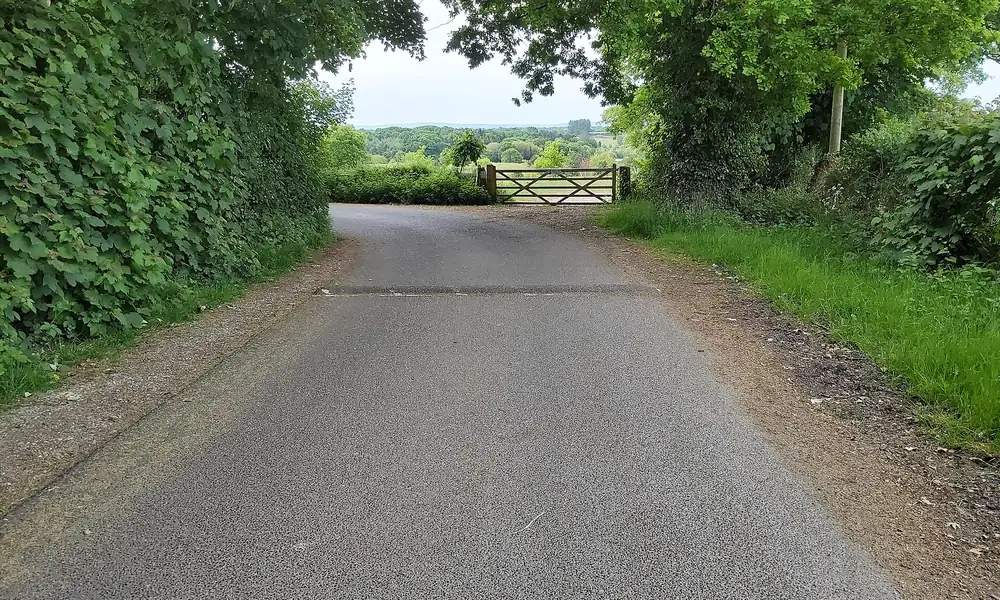
Round 4: Schools and services
The city takes this round as well. A city has a dozen schools, a hospital, and a shop on every corner — and the family that needs a doctor at midnight finds one in ten minutes. The countryside has one school, one doctor, and a shop that closes at six, and the family that needs help drives half an hour to find it. The guide to saving money on a new camper van makes the same point about the road: the distance is the cost, and the city is the place where everything is close. Winner: City.
Round 5: The everyday life
The countryside wins the final round, and it is the round that matters most to the family. A country morning is quiet — birdsong, fresh air, and a walk down a lane with no traffic — and the evening is a sky full of stars. A city morning is busy — traffic, noise, and a rush to the train — and the evening is a street full of lights. But for the life that feels calm, the countryside wins. Winner: Countryside.
The scoreboard
| Round | City | Countryside | Winner |
|---|---|---|---|
| Cost of living | High rent, high prices, higher wages | Half the housing cost, $500–$1,000 saved a month | Countryside |
| Jobs and work | A thousand employers, a job for every skill | A handful of employers, an hour to the next job | City |
| Space and freedom | A balcony, a park down the road, friends on every floor | A garden, a field, and a sky full of stars | Countryside |
| Schools and services | A dozen schools, a hospital, a shop on every corner | One school, one doctor, a shop that closes at six | City |
| The everyday life | Busy mornings, traffic, and a street full of lights | Quiet mornings, fresh air, and a sky full of stars | Countryside |
Who should pick which?
If you work in an office
Live in the city. The jobs, the commute, and the career are all there — and the worker who lives near the office saves an hour a day that the countryside worker spends driving.
If you work from home
Move to the countryside. The city wage, the country rent, and the garden that costs half as much are the best deal in the country — and the remote worker who moves out gets the best of both. The best ways to make money with your car make the same point about the road: the car that carries you to the city twice a week is cheaper than the rent that keeps you there.
If you have young children
Live in the city. The schools, the doctors, and the friends on every floor are worth the rent — and the children who grow up in the city grow up with a hundred friends. The best ways to make money on a farm show the same balance: the slower life is the one that lasts.
If you want space and quiet
Move to the countryside. The garden, the field, and the sky full of stars are the life that feels calm — and the family that wants space finds it there, for half the price.
The bottom line
The final score is City 2, Countryside 3 — but the score is not the decision. The countryside wins on cost, space, and the everyday life; the city wins on jobs and services. The best move is to count your work and your family: the office worker lives in the city, the remote worker moves to the countryside, and the family with young children stays near the schools. The place you live is the place that fits your life — and the life that has the right place is the one that never regrets the move.
Frequently asked questions
Is it cheaper to live in the countryside than the city?
Yes — a house in the countryside costs about half as much as the same house in the city, and the rent is lower too. A family that moves out saves $500 to $1,000 a month on housing, though the car costs more, because everything is further away.
Can I work in the city and live in the countryside?
Yes — the commuter who drives an hour each way does it every day, and the remote worker who goes to the office twice a week gets the best of both. The deal works when the wage is a city wage and the rent is a country rent — and the car is the bridge between them.
Which is better for children, the city or the countryside?
The city is better for young children, because the schools, the doctors, and the friends are all close. The countryside is better for older children, because the space, the freedom, and the outdoors are the things they remember. The family that moves when the children are small moves for the schools.
Do people who move to the countryside regret it?
Some do — the ones who miss the shops, the friends, and the life they left. The ones who stay are the ones who work from home, who love the quiet, and who visit the city when they miss it. The move works when the life you want is the life the countryside gives you.

Keep what speaks to you.
Leave room for your own perspective.