My pressure cooker scared me every time I used it. It hissed, it rattled, and it sat on the stove like a small bomb with a dinner inside — and every time I cooked with it, I stood a little further away than I needed to. It cost $79, it promised to cook a stew in twenty minutes, and the stew it made was never as good as the one from a pot. So one morning I put it in a box and went back to cooking slowly. I have eaten better food ever since.
This is why I stopped using a pressure cooker, what it was really costing me, and the simple pot I cook my meals in now instead.
The fear
The first reason was the fear. A pressure cooker works by trapping steam under pressure, and the whole time it cooks, it hisses and rattles and shakes on the stove — and the cook stands there wondering whether the valve will hold. I knew the stories: the lids that blew off, the ceilings covered in stew, the burns that took weeks to heal. Modern cookers are safer than the old ones, but the fear was real every single time, and a kitchen tool that makes you nervous is a kitchen tool that has failed. The story of why I stopped using a slow cooker is the same shape: a machine that promises an easy dinner and gives you a reason to worry instead.
The noise
The second reason was the noise. A pressure cooker hisses for the whole time it cooks — a constant, high-pitched hiss that fills the kitchen and makes it impossible to hear anything else. A pot simmers quietly, and the cook can hear the radio, the children, and the phone; a pressure cooker drowns them all out. I counted once — forty minutes of hissing for a stew, against a pot that simmers in silence. The noise did not save time. It filled the kitchen with a sound I hated, and the stew at the end of it was not worth the racket.
The food was never that good
The third reason was the food itself. A pressure cooker cooks everything at the same high temperature for the same short time, and the result is always the same: soft, grey, and tasting of itself. A stew should have texture — meat that falls apart, vegetables that keep their shape, and a sauce that tastes of the hours it simmered — and the pressure cooker took all of it away. The best ways to save money on groceries all start the same way: buy fresh ingredients and treat them properly, and a machine that turns good food into grey mush is not helping.
The cleaning
The fourth reason was the cleaning. The pressure cooker’s lid has a rubber seal, a valve, and a dozen small parts, and every one of them needs cleaning after every single use — and the seal smells of whatever you cooked last, no matter how many times you wash it. A pot has one part to wash, and it dries in minutes. The pressure cooker did not save time. It moved the work from cooking to cleaning, and cleaning is the part I hate most.
What I use instead
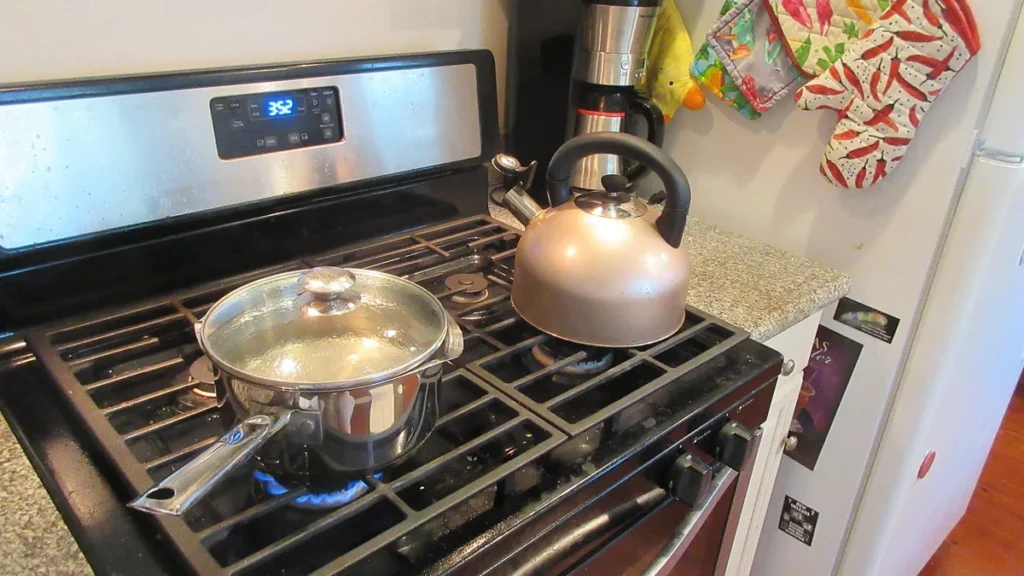
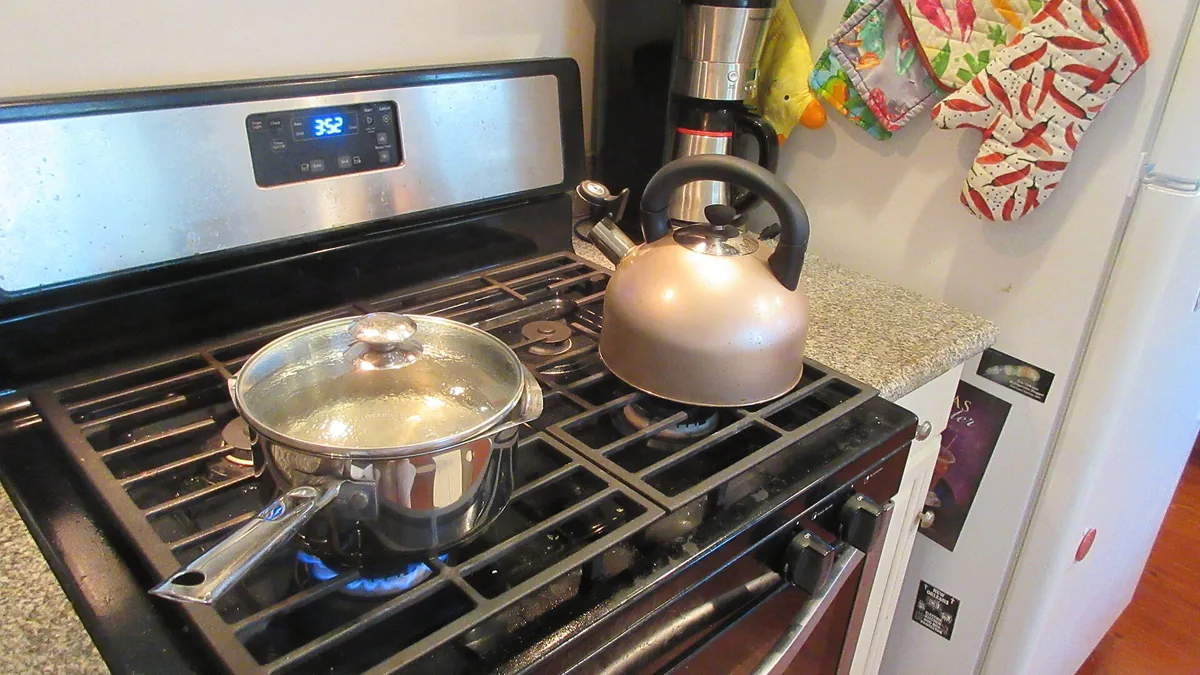
For stews, I use a pot with a tight lid: brown the meat, add the vegetables and the stock, turn it down low, and leave it alone for two hours. The stew comes out rich, the meat falls apart, and the vegetables keep their shape — and there is one pot to wash. For beans, I soak them overnight and simmer them in the morning; for soup, I use the same pot with more stock. Nothing I made in the pressure cooker needed a pressure cooker; it needed a pot, a lid, and time. The food is better, the kitchen is quieter, and the only machine left on the counter is the kettle.
What changed after a year
A year without the pressure cooker, and three things have changed. First, my food tastes better — the stews are rich, the meat falls apart, and the vegetables keep their shape, instead of the soft grey mush the machine made. Second, my kitchen is calmer: there is no hissing, no rattling, and no standing further away than I need to, and the washing-up pile is smaller every single night. Third, and most surprising, I cook more slowly and enjoy it more. Without the machine promising dinner in twenty minutes, I plan the meal, I simmer the pot, and the cooking that used to feel like a race now feels like an evening’s quiet work. The pressure cooker promised fast food with no effort. The year without it gave me better food — and a kitchen that smells of cooking, not of steam and fear.
The bottom line
I do not miss the pressure cooker. I miss the idea of it — the stew in twenty minutes, the dinner on the table before anyone gets hungry, the machine that does the work for you. The real machine hissed, rattled, scared me, and made grey food that tasted of itself. If yours is sitting in a cupboard, try a month with a pot. The story of why I stopped using a food processor taught me the same lesson: the machine you think you need is usually the machine you can stop paying for, and the pot you already own does the job better — slowly, quietly, and without the fear.
Frequently asked questions
Is a pressure cooker really dangerous?
Modern pressure cookers are much safer than the old ones, with locks and valves that stop the lid opening under pressure — but the fear is real, and a kitchen tool that makes you nervous has failed. A pot cannot hurt you, and the food it makes is better anyway.
What did you do with the pressure cooker?
I gave it to a friend who cooks stews every week and uses hers three times a week. It cost me nothing to pass on, and she uses it more in a month than I did in three years — which is a better ending for it than my cupboard.
Was the pressure cooker really that expensive?
The machine was $79, but the real cost was the food: the cooker turned good ingredients into grey mush, and I ate worse food for three years because of it. The pot that replaced it cost $30, lasts a decade, and cooks everything — not just stews.
Does a pot really cook as fast as a pressure cooker?
No — a pot takes two hours where the cooker takes twenty minutes. But the pot cooks while you do other things, it simmers quietly, and the food at the end of it is worth the wait. The cooker was faster on paper and worse in practice, because I spent the saved minutes cleaning it and worrying about it. The pot wins the evening outright.

Keep what speaks to you.
Leave room for your own perspective.