My blender sat on the kitchen counter for three years, and I used it maybe twice a month. The rest of the time it collected dust, took up space, and reminded me every morning that I had bought a machine for a life I did not actually live. So one Saturday I unplugged it, put it in a box, and gave it away — and my kitchen has been calmer, cheaper, and easier ever since.
This is why I stopped using a blender, what it was really costing me, and what I do instead for smoothies, soups, and everything the blender was supposed to make easy.
The noise
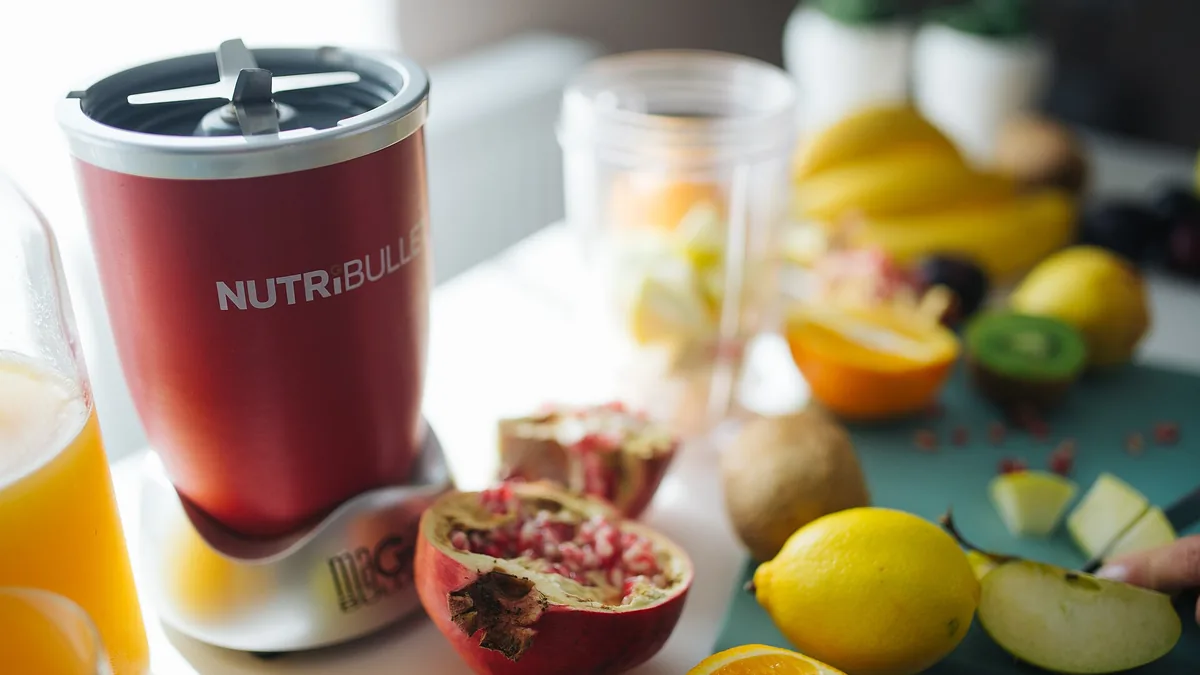
The first reason was the noise. A blender at full speed is one of the loudest things in a home — louder than the vacuum, louder than the washing machine — and it always seemed to run at the worst moment: early morning, a sleeping child, a neighbour on a night shift. I started avoiding it, and a machine you avoid is a machine you do not need. The story of why I stopped using a coffee maker is the same shape: a noisy morning ritual that quietly stopped being worth it.
The washing up
The second reason was the washing up. A smoothie takes three minutes to make and ten minutes to clean: the jug, the lid, the blade, the seal, and the bits of fruit stuck under the blades that no brush quite reaches. I counted once — eleven parts and pieces, against one glass and a spoon for the breakfast I actually eat. The blender did not save time. It moved the work from cooking to cleaning, and cleaning is the part I hate most.
The money
The third reason was the money. The blender itself cost $89, and then came the extras: the smoothie packs at $4 a bag, the protein powder at $35 a tub, the frozen fruit that cost three times the fresh fruit in season. My blender breakfasts cost about $3.20 a day — against $0.60 for the porridge and fruit I eat now. Over a year, that is roughly $950 of difference, for breakfasts I liked less. The best ways to save money on groceries all start the same way: stop paying for the idea of a meal, and buy the meal itself.

The space it took
The fourth reason was the space. The blender was the biggest thing on the counter, and it crowded out the things I actually use: the chopping board, the fruit bowl, the kettle’s breathing room. Every time I cooked, I moved it aside; every time I cleaned, I cleaned around it. A kitchen works better with empty counters, and a machine you use twice a month does not earn the biggest spot in the room. Giving it away freed a whole shelf and a stretch of counter, and the kitchen feels bigger for it — the same room, with one less obstacle in it.
What I use instead
For smoothies, I use a fork and a bowl: mashed banana, yoghurt, and berries take two minutes, taste better, and leave one bowl to wash. For soups, I use a hand masher straight in the pot — no jug, no lid, no blade to clean. For sauces, I use a whisk. Nothing I made in the blender needed a blender; it needed a recipe that assumed one. The food is the same, the kitchen is quieter, and the only machine left on the counter is the kettle.
What changed after a year
A year without the blender, and three things have changed. First, my mornings are quieter — no machine screaming at seven in the morning, no apologising to the neighbours, no waking the house for a drink I could have made with a fork. Second, my kitchen is easier: one shelf freed, one less thing to dust, and the washing-up pile is smaller every single day, because every meal now leaves one bowl and one spoon instead of eleven parts. Third, and most surprising, I eat better. Without the blender I buy fresh fruit in season instead of frozen packs, and I cook soups from vegetables instead of blending them into the same grey liquid. The blender promised a healthier life. The year without it actually delivered one — and saved about $950 in the process.
The bottom line
I do not miss the blender. I miss the idea of it — the person who makes green smoothies every morning and feels virtuous before eight. That person was never me. The real me eats porridge, mashes soup in the pot, and spends the $950 a year on something better. If your blender is gathering dust, try a month without it. The story of why I stopped using paper towels taught me the same lesson: the thing you think you need is usually the thing you can stop paying for.
Frequently asked questions
Do you still make smoothies?
Yes — with a fork, a bowl, and a spoon. Mashed banana, yoghurt, and berries take two minutes and taste better than anything that came out of the jug. The only smoothies I miss are the ones with ice, and a cold glass of milk does that job. Nobody at the breakfast table has ever complained about the difference.
What did you do with the blender?
I gave it to a friend who actually uses hers every day. It cost me nothing to pass on, and she uses it three times a week — which is three times more than it ever worked for me. A machine that gathers dust in my kitchen is doing real work in hers, and that is a better ending for it.
Was the blender really that expensive?
The machine was $89, but the habit was the expensive part: smoothie packs, protein powder, and frozen fruit added up to about $3.20 a day. Over a year, that is roughly $950 — for breakfasts I liked less than porridge. The machine was a one-off cost; the habit was a subscription I never noticed signing up for.
What about soups — do you miss blended soup?
No. A hand masher in the pot gives a soup with texture, which I prefer, and there is nothing to wash except the pot and the masher. The blender made every soup taste the same; the masher lets each one keep its character.

Keep what speaks to you.
Leave room for your own perspective.