Paper plates are the smallest purchase in the house. A pack costs a couple of dollars, lasts a week or two, and nobody ever thinks about it — least of all me, until I counted. Eight packs a month across everyday meals, snacks and the occasional gathering, at two dollars a pack, was sixteen dollars a month. Nearly two hundred dollars a year, on something I used once and threw away.
So I stopped. Not eating, obviously — the meals still get served, and the table still gets set — but the disposable plate is gone, replaced by real plates that wash and last. Here is what it was costing me, what replaced it, and why I will not go back.
The maths I kept ignoring
Two dollars a pack does not feel like anything, which is exactly the problem. Paper plates are the perfect invisible expense: cheap enough to buy without thinking, frequent enough to add up. I counted the packs for a month and found we used eight — two in the kitchen, one for snacks, and the rest on busy evenings and gatherings. Eight packs, sixteen dollars, every month, without a single conscious decision. Over a year, that was nearly two hundred dollars, spent on plates I threw away within minutes of buying them.
It was never really about convenience
If I am honest, the paper plate was never about eating better. It was about not having to wash up: eat, bin, done. A real plate meant washing, drying, putting away — a small chore attached to every meal. But the chore is smaller than it looks, and the convenience was mostly habit. Once I kept a stack of real plates in the same cupboard where the paper ones used to live, the effort was identical: serve, eat, wash. The only difference was that the plate came back.
The meals got better, not worse
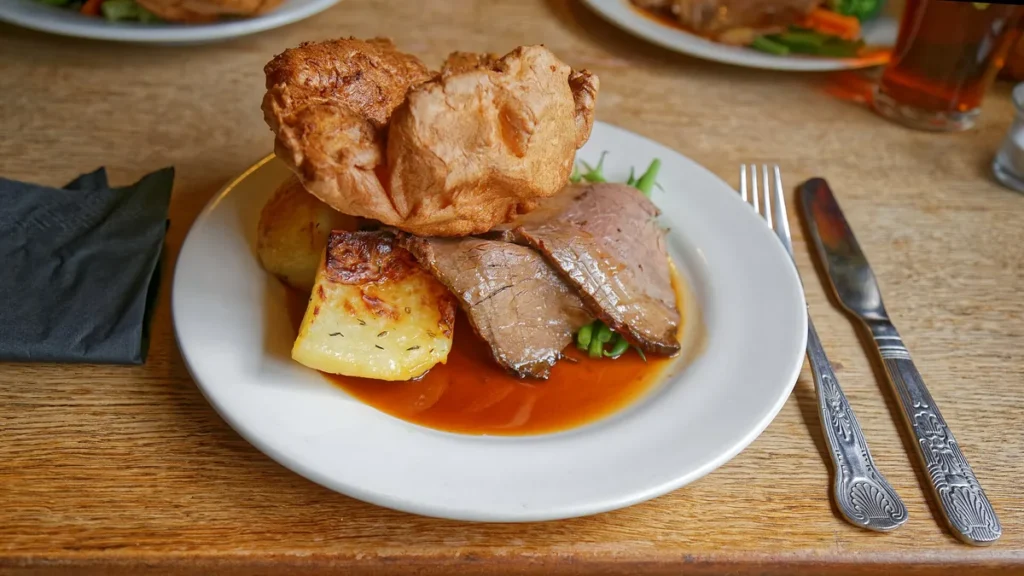
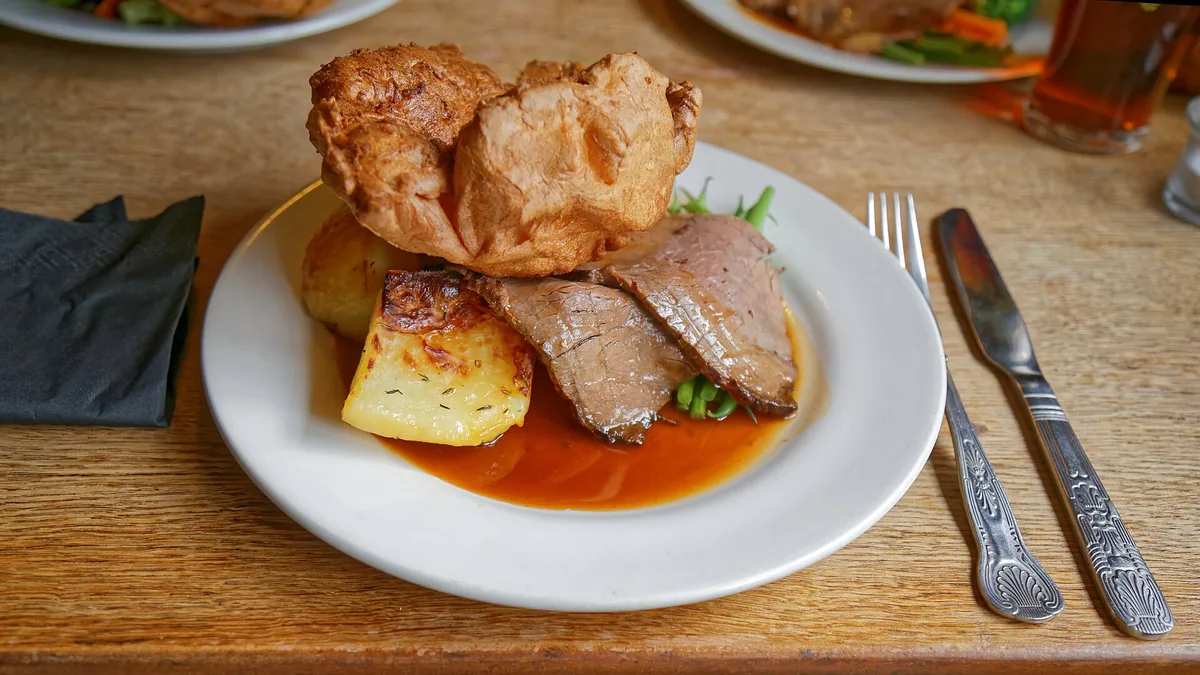
I expected the real plates to feel like a downgrade. The opposite happened. Food tastes better on a real plate — a proper surface, a proper weight, no soggy edges when the food is hot. The table looked better too, and the meals felt like meals instead of snacks. The one place paper plates still win is the genuinely chaotic gathering — and for that, I keep a single pack hidden away, used perhaps once a month.
The kitchen got cleaner, not dirtier
I expected the washing up to pile up. The opposite happened. A real plate takes seconds to wash, and the habit of washing as I go meant the sink stayed clearer than it had with paper plates — because the paper plates had never removed the pots, pans and cutlery that still needed washing anyway. The disposable plate had been saving me almost no work at all, while costing me money every single week.
What the money actually became
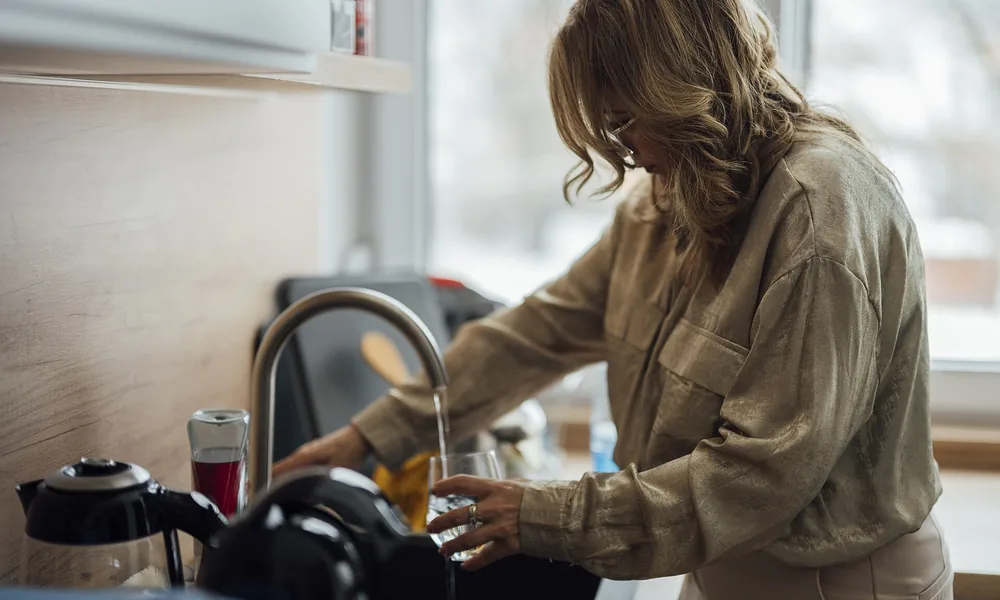
The saving — nearly two hundred dollars a year — did not disappear into the budget, because I made sure of it. It went straight into the household savings pot, alongside the money I stopped spending on paper towels. Small habits add up faster than big ones: a pack of plates here, a roll of towels there, and suddenly the year has a weekend away in it. The paper plates were the smallest line in the budget, and the easiest to cut, which is why I wish I had done it years earlier.
The first week was the adjustment
The first week was the adjustment, because habit is stronger than logic. I reached for the paper plates out of pure reflex — standing at the cupboard, hands full, the empty shelf staring back at me. The trick was the stack of real plates in the same place, exactly where my hand expected the paper ones to be. By the second week the reflex had moved to the real plates, and by the third I had stopped thinking about it at all. A habit is only a habit until you replace the object it reaches for.
The one thing I still keep
I have not banned paper plates from the house entirely, and I do not plan to. One pack lives in the back of a cupboard for the truly chaotic days — a house full of guests, a birthday, a day when the dishwasher breaks. It gets used perhaps once a month, and that is exactly the point: paper plates are a tool for emergencies, not a daily habit. The daily habit is the real plate. The pack is the backup.
How to make the switch
- Count your paper plate packs for one month before deciding anything.
- Put a stack of real plates in the same place the paper ones used to live.
- Start with the plates you already own — the swap costs nothing.
- Keep one pack hidden away for genuine emergencies.
- Send the saving somewhere visible, or the budget will quietly absorb it.
Frequently asked questions
How much money do you save by not using paper plates?
In my house, nearly two hundred dollars a year — about eight packs a month at two dollars a pack. The exact figure depends on your household, but the maths is simple: a pack costs a couple of dollars, and most homes use several a month.
Are real plates really less work than paper plates?
Yes — because the pots, pans and cutlery still need washing either way, so the paper plate was saving almost no work at all. A real plate takes seconds to wash, and washing as you go keeps the sink clearer than it was before.
What do you use paper plates for now?
Almost nothing — one pack a month for genuine emergencies, like a house full of guests or a broken dishwasher. The daily meals are all real plates. The same small-spend thinking applies elsewhere too, as in why I stopped using paper towels.
The bottom line
I stopped using paper plates, and nothing about the house got worse. The meals taste better, the table looks better, and nearly two hundred dollars a year stays in my pocket instead of going in the bin. If you buy paper plates without thinking, count the packs for a month before you decide. You might find, as I did, that the cheapest item in the house was quietly one of the most wasteful.
The same discipline works across the household budget. The best ways to save money on groceries apply it to the weekly shop, and the best ways to save money on utilities apply it at home.

Keep what speaks to you.
Leave room for your own perspective.