Ordering groceries online felt like the smartest move in the house. No queues, no carrying bags, no impulse buys — just a basket on a screen, a doorstep delivery, and a week of meals sorted. For years I assumed it was saving me money, because I was not standing in front of the chocolate aisle.
It was not. The delivery fees, the service charges, the substitution mark-ups and the prices that quietly ran higher than the shelf all added up — and the real cost was something I had not even considered: I had stopped looking at prices entirely. So I stopped ordering online. Not shopping — the food still gets bought every week — but the app that delivered it. Here is what it was costing me, what replaced it, and why I will not go back.
The maths I kept ignoring
An online order is never just the groceries. There is a delivery fee, a service charge, and prices that often run higher than the shelf — small amounts, individually, that stack into a real sum over a month. I added up a month of orders and found I was paying the price of a whole extra shop on fees alone. The worst part was that I never once looked at the total until I did, because each order felt small. An online grocery order is the perfect invisible expense: too routine to notice, too frequent to be cheap.
It was never really about the food
If I am honest, ordering groceries online was never about the food. It was about not having to go: no trip, no queues, no carrying. The delivery van did the work, and the shopping simply did not exist. But the trip is smaller than it looks, and the convenience was mostly habit. Once I set a simple routine — one shop on Saturday, one list written on Friday — the work took less than an hour a week, and most of that was the walk. The shopping became a quiet errand instead of a transaction to manage.
The shop got cheaper, not dearer
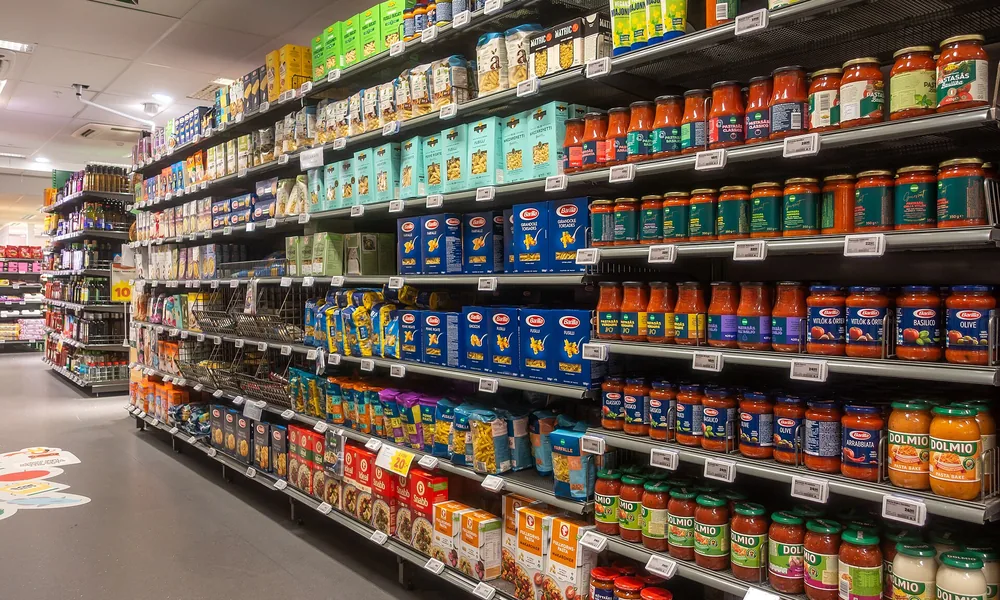
The first weeks of shopping in person were a shock, and not in the way I expected. I could see the prices. A kilo of tomatoes next to the one next to it, the own-brand next to the brand, the special offer on the shelf below. Within a fortnight my weekly shop had dropped by a fifth — not because I bought less, but because I could finally compare. The money I saved paid for the petrol and the carrier bags in the first week, and the rest went straight into savings.
The food got better, not worse
I expected to miss the convenience. I did not expect the food to get better. Choosing my own produce meant tomatoes that were actually ripe, bread that was actually fresh, and meat I had looked at before buying. The online substitutions — the brand I did not want, the size I did not order — simply stopped happening. The meals tasted better, the fridge emptied more cleanly, and the waste dropped. The app had been choosing my food badly for years, and I had been paying for the privilege.
What the money actually became
The saving — the fees, the mark-ups, the quiet price differences — did not disappear into the budget, because I made sure of it. Half went straight into savings the week I stopped, and the rest paid for things the habit had been quietly eating: better ingredients, a proper shopping list, a decent bag that actually carries a week’s shop. Over the year the saving became the deposit for a trip I had been putting off. A habit I barely noticed had been quietly costing me a holiday a year.
The first month was the hardest
The first month was the hardest, because habit is stronger than logic. I caught myself opening the app out of pure reflex — standing in the kitchen, the list half written, the delivery slot still in my calendar. The trick was a rule, not willpower: I gave myself ten seconds to ask whether the delivery was really worth the price. Most of the time it was not, and the question itself broke the reflex. By the second month the app was deleted, and by the third I had stopped thinking about it at all.
The one thing I still do
I have not given up online groceries entirely, and I do not plan to. A bulk order when the car is in the garage, a delivery when life genuinely overwhelms, a week when the shop is simply too far — those still go through the app, and they are worth every penny. The difference is the choice: a delivery I choose, for a reason I can name, is money well spent. A delivery I use on autopilot, because it is easier than thinking, is not. The habit I stopped was the automatic one. The convenience stayed.
How to make the switch
- Add up a month of delivery fees and service charges before deciding anything.
- Set a simple routine: one list on Friday, one shop on Saturday.
- Compare prices on the shelf — the own-brand is usually right beside the brand.
- Keep the app for genuine emergencies, not for every week.
- Send the saving somewhere visible, or the budget will quietly absorb it.
Frequently asked questions
How much money do you save by not ordering groceries online?
In my case, about a fifth of the weekly shop, plus the fees — the price of a whole extra shop a month. The exact figure depends on your orders, but a weekly delivery fee plus service charges adds up to a large sum over a year.
Is shopping in person really cheaper than ordering online?
Yes — because you can see the prices. A kilo of tomatoes next to the one next to it, the own-brand next to the brand, the special offer on the shelf below. The app hid all of that, and the hidden mark-ups were the real cost.
Do you still order groceries online at all?
Yes — for bulk orders, broken cars, and genuinely overwhelming weeks. The point was never to ban the app, but to stop using it on autopilot. The same small-spend thinking applies elsewhere too, as in why I stopped using paper towels.
The bottom line
I stopped ordering groceries online, and nothing about my weeks got worse. The food still gets bought, the fridge still fills, and about a fifth of the weekly shop stays in my pocket instead of going to delivery fees and hidden mark-ups. If you order groceries online without thinking, add up a month of fees before you decide. You might find, as I did, that the convenience was never worth what it cost.
The same discipline works across the household budget. The best ways to save money on groceries apply it to the weekly shop, and the best ways to save money on utilities apply it at home.

Keep what speaks to you.
Leave room for your own perspective.