
I keep a small pile of cash in my home, and I am not embarrassed about it. It is a modest stack of notes, tucked somewhere boring and safe, for one purpose: the day the machines say no. I have had that day. My card was declined at a petrol station late at night, the cash machine outside was out of order, and my phone had just enough battery to show me a balance I could not touch.
My bank balance was fine that night. My savings were fine. None of it mattered, because none of it was in my hand. Since then I have kept a cash emergency stash. It has saved me more than once: a taxi when the card reader was down, a plumber who only took cash, a power cut that turned every shop in the street cash-only. The stash never made me rich. It made me calm.
Key takeaways
- A cash emergency stash is a small pile of notes kept at home for the days when cards and machines stop working.
- Mine covers a few days of essentials — fuel, food, a taxi, a small repair — not months of living costs.
- The stash is a backup for my bank emergency fund, not a replacement for it.
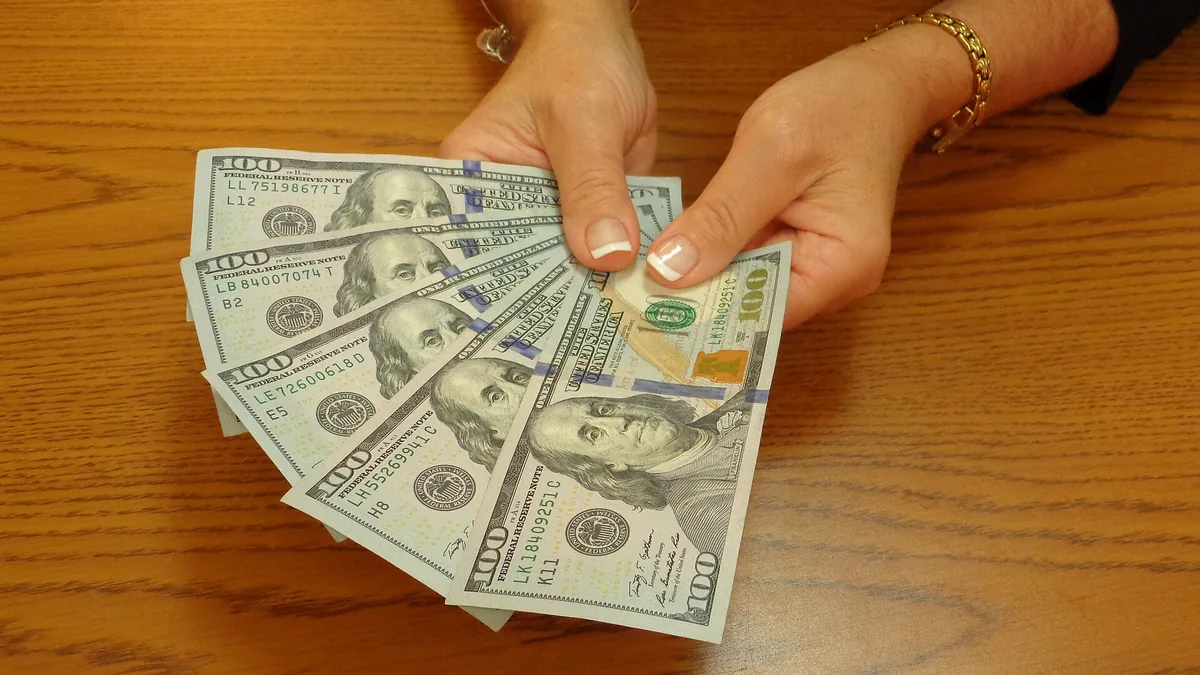
The day my card stopped working
It was late on a Tuesday, and I was driving home. The fuel light had been on for a while, so I pulled into the first station I saw, filled the tank, and tapped my card. Declined. I tried again. Declined. The cashier pointed at the machine outside, which had a handwritten sign taped to it: out of order. My phone showed a healthy balance and a dying battery, and neither fact helped me at all.
The next morning I took a modest amount of cash out of the bank and put it in an envelope. The payment system is reliable, not infallible, and a stash means its bad day is not automatically mine.
What my stash actually is
People imagine something dramatic. The reality is dull, and dull is the point. My stash is a fixed amount, in mixed notes, kept in one place, and I treat it like a fire extinguisher: I hope I never need it, and I replace it the moment I use it.

How much I keep
I keep enough to cover a few days of essentials, and no more: fuel for the car, groceries for the week, a taxi across town, a plumber’s call-out fee. For me that is a few hundred pounds, built from twenties and tens, because a small shop may not be able to change a fifty when its till is nearly empty.
Where it lives
It lives in one fixed spot in my home, in an envelope, inside a locked drawer. It is somewhere I can reach in a minute, and somewhere I will not stumble across and spend on a whim. Not the kitchen drawer. Not my wallet. A boring, deliberate place.
The rules that keep it a safety net, not a habit
A cash stash only works if it has rules, because cash is the easiest money in the world to spend badly. Mine are written on the envelope itself.
Rule one: emergencies only
An emergency is a cost I cannot delay and cannot pay any other way. A broken boiler qualifies; new shoes on sale do not. If I can wait three days and pay by card, it is not a stash expense.
Rule two: replace it within a week
The day I spend from the stash, I write the amount on the envelope and the reason next to it. Within a week I withdraw the same amount and put it back.
Rule three: count it monthly
On the first of every month I count the stash against the number on the envelope. The worst time to discover your safety net has a hole is the moment you are falling.
What cash can do that a bank balance cannot
The honest answer is: work without electricity, without a signal, without a working card reader and without anyone else’s permission. I learned this during a power cut that lasted most of an afternoon. The supermarket near me kept trading by torchlight, cash only, and the queue of people with full trolleys and dead cards stretched to the door. I bought bread, milk and candles with notes and walked out in five minutes.
Cash is also private and immediate in a way no app is. There is no pending transaction, no fraud check freezing the payment, no two-factor code arriving on a phone with one percent battery. My cash versus card habit is not nostalgia — and knowing the stash is there buys calm no app can.
The honest downsides
I am not going to pretend a cash stash has no risks, because it does. Cash at home can be stolen. It can be lost in a fire or a flood. It earns no interest, and while it sits in a drawer it is slowly losing value to inflation.
The bank is better at almost everything else, which is why the stash is a backup and not a plan. My real emergency fund lives in a savings account, where it earns interest and cannot be carried off in a burglary. Choose the bank first — my article on emergency funds versus investing explains why the order matters.
How I built mine without feeling it
I built the stash slowly and automatically, before I could talk myself out of it. I started with one week’s grocery money and added a little each month until it reached my target number. Then I stopped. That is the same approach behind paying myself first every month: decide the amount, move it before you can spend it, and let the habit do the work.
Cash stash checklist
- Pick your number: a few days of essentials, in mixed twenties and tens.
- Keep it in one fixed, safe spot at home — not your wallet.
- Write the rules on the envelope: emergencies only, replace within a week, count monthly.
- Spend from it only when you cannot pay any other way and cannot wait.
- Keep your real emergency fund in the bank — the stash covers hours, the account covers months.
Frequently asked questions
Is it safe to keep cash at home?
A small amount, kept in a fixed, discreet spot, is a reasonable risk — but keep it small. Cash can be stolen or lost in a fire or flood, and it earns no interest. That is why my stash covers a few days, not a few months.
How much cash should I keep as an emergency stash?
Enough for a few days of essentials: fuel, food, a taxi, a repair. For most people that is a few hundred in their own currency, in mixed notes.
Is a cash stash the same as an emergency fund?
No. An emergency fund is savings in a bank account that covers months of living costs. A cash stash is a small pile of notes at home that covers the first hours or days of a crisis, when cards and machines may not work.
The bottom line
I keep a cash stash because I have stood at a till with money I could not touch, and I never want to feel that helpless again. Build the stash before you need it, keep it small, and replace what you spend. The day the machines say no, you will be glad you did.

Keep what speaks to you.
Leave room for your own perspective.


