
I stopped wearing a watch a year ago, and my wrist has never been freer. The watch was supposed to tell me the time, but it ticked in my ear, it pinched my wrist, and it made me check the time every minute — the tick that is heard is the tick that nags, and the day that is counted is the day that never comes back. A watch costs $50 and the time that is known is the time that is on every wall, so the watch that is gone is the watch that wins. The way I stopped using a smartwatch taught me the same lesson about time: the thing that ticks every day should be light, and the day that is free is the day that wins. Here is why I stopped wearing a watch.

The ticking that never stopped
The ticking never stopped. The watch ticked in my ear all day, and the tick that is heard is the tick that nags — the ear that hears it is the ear that tires, and the day that is ticked is the day that drags. A quiet wrist is a calm wrist, and the quiet that is kept is the quiet that pays, so the ticking that is gone is the ticking that never comes back.
The strap that pinched my wrist
The strap pinched my wrist. The watch was tight in summer and loose in winter, and the strap that is tight is the strap that marks — the wrist that is marked is the wrist that aches, and the day that is pinched is the day that itches. A bare wrist is a free wrist, and the free that is kept is the free that comforts, so the strap that is gone is the strap that never comes back.
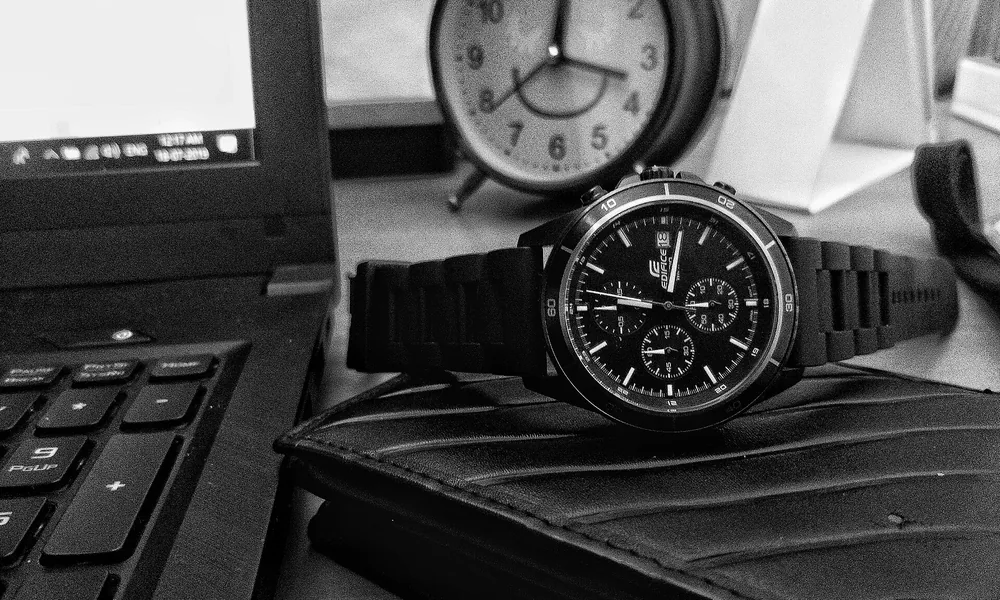
The checking that stole the day
The checking stole the day. I looked at the watch every minute, and the minute that is counted is the minute that is lost — the time that is watched is the time that drags, and the day that is counted is the day that is wasted. A day that is lived is a day that flows, and the flow that is kept is the flow that wins, so the checking that is gone is the checking that never comes back.
The fear of being late
The fear of being late was the last straw. The watch made me count the minutes, and the fear that I would be late was the fear that rushed me — the rush that is daily is the rush that tires, and the day that is rushed is the day that is lost. A clock on the wall is enough, and the trust that is kept is the trust that wins, so the fear that is gone is the fear that never comes back. The way I stopped using a laptop taught me the same lesson about trust: the thing that is simple is the thing that wins, and the life that is simple is the life that pays.
What changed after a year
What changed after a year: my wrist is the first thing that changed. The pinch is gone, the mark is gone, and the wrist that is free is the wrist that rests — the free that is kept is the free that comforts, and the year that is free is the year that pays.
What changed after a year: my days are the second thing that changed. The checking is gone, the rushing is gone, and the day that is lived is the day that flows — the flow that is kept is the flow that wins, and the week that is calm is the week that pays.
What changed after a year: my mind is the third thing that changed. The fear of being late is gone, and the trust that is kept is the trust that wins — the clock that is on the wall is the clock that is enough, and the week that is calm is the week that pays. The way I stopped using a tablet taught me the same lesson about calm: the thing that is simple is the thing that wins, and the life that is simple is the life that pays.
The bottom line
I stopped wearing a watch because the ticking, the strap, the checking, and the fear were all too much — and the wrist that is bare is freer, calmer, and lighter than the watch ever was. The watch that is gone is the watch that is missed by no one, and the day that is free is the day that wins. If your days are counted by a watch that ticks, put the watch in a drawer for a week and see what changes, because the week that is calm is the week that tells the truth.
Frequently asked questions
Why did you stop wearing a watch?
The ticking, the strap, the checking, and the fear were all too much — the tick that is heard is the tick that nags, and the day that is free is the day that wins.
Is it safe to live without a watch?
Yes — a clock on the wall is enough, and the phone in your pocket tells the time. The clock that is on the wall is the clock that is enough, and the day that is lived is the day that flows.
Do you still know the time?
Yes — the clock on the wall and the phone in my pocket tell me when I need to know. The time that is needed is the time that is there, and the day that is free is the day that wins.
How much money did you save by stopping?
About $50 a year on watches and batteries, and the time that is saved is the time that frees — the day that is lived is the day that pays.
Will my wrist feel better without a watch?
Mine did — the pinch is gone, the mark is gone, and the wrist that is free is the wrist that rests. The free that is kept is the free that comforts.
What should I do with the old watch?
Give it away, sell it, or keep it in a drawer. The watch that is gone is the watch that is missed by no one, and the wrist that is free is the wrist that wins.

Keep what speaks to you.
Leave room for your own perspective.


