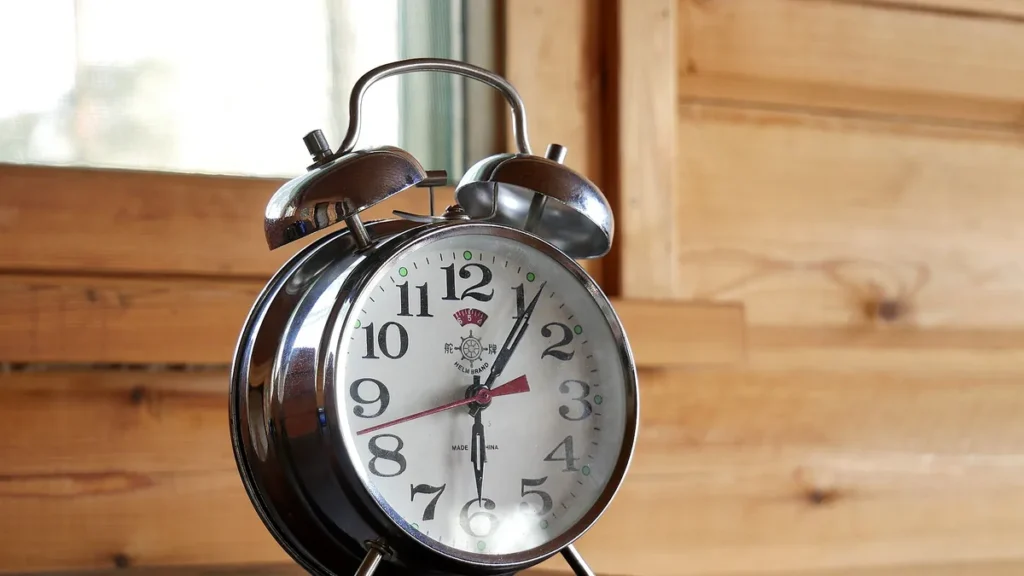
I stopped using an alarm clock a year ago, and my mornings have never been calmer. The alarm was supposed to help me wake up, but it woke me up scared — the bell that rings is the bell that shocks, and the body that is shocked is the body that starts the day in fear. A clock costs $20 and the sleep that is broken is the sleep that never comes back, so the bell that is gone is the bell that wins. The way I stopped using a smartwatch taught me the same lesson about noise: the thing that buzzes every day should be light, and the day that is quiet is the day that wins. Here is why I stopped using an alarm clock.

The bell that scared me awake
The bell scared me awake. An alarm clock rings at full volume in a quiet room, and the heart that jumps is the heart that races — the body that wakes in fear is the body that stays tense, and the morning that starts tense is the morning that stays tense. A body wakes on its own when the sleep is done, and the waking that is gentle is the waking that wins, so the bell that is gone is the bell that never comes back.
The sleep that was always cut short
The sleep that was cut short was the worst part. My alarm rang at 6:30 every day, even when my body needed one more hour — the sleep that is cut is the sleep that is lost, and the day that is tired is the day that drags. A body that wakes on its own finishes the dream it was having, and the dream that is finished is the dream that rests, so the hour that is kept is the hour that pays.

The snooze button that stole the morning
The snooze button stole the morning. I hit snooze three times every day, and the sleep that is broken is the sleep that is useless — the nine minutes that pass are the nine minutes that tease, and the morning that is snoozed is the morning that is lost. A body that wakes once wakes clean, and the waking that is once is the waking that wins, so the button that is gone is the button that never comes back.
The fear of sleeping through the day
The fear of sleeping through the day was the last straw. I set two alarms, then three, and the fear that I would sleep in was the fear that kept me up at night — the worry that is nightly is the worry that steals sleep, and the night that is worried is the night that is lost. A body that trusts itself wakes on time, and the trust that is kept is the trust that wins, so the fear that is gone is the fear that never comes back. The way I stopped using a tablet taught me the same lesson about fear: the thing that is simple is the thing that wins, and the life that is simple is the life that pays.
What changed after a year
What changed after a year: my sleep is the first thing that changed. I sleep seven hours every night, I wake up before the sun most days, and the morning that is calm is the morning that wins — the sleep that is whole is the sleep that rests, and the year that is rested is the year that pays.
What changed after a year: my mornings are the second thing that changed. I wake up slow, I drink my coffee in peace, and the hour that is quiet is the hour that sets the day — the morning that is gentle is the morning that goes well, and the day that is calm is the day that wins.
What changed after a year: my mind is the third thing that changed. The fear of sleeping in is gone, and the trust that is kept is the trust that wins — the body that is trusted is the body that wakes, and the week that is calm is the week that pays. The way I stopped using a laptop taught me the same lesson about trust: the thing that is simple is the thing that wins, and the life that is simple is the life that pays.
The bottom line
I stopped using an alarm clock because the bell, the cut sleep, the snooze button, and the fear were all too much — and the body that wakes on its own is gentler, calmer, and more reliable than the bell ever was. The clock that is gone is the clock that is missed by no one, and the morning that is quiet is the morning that wins. If your mornings start with fear, put the clock in a drawer for a week and see what changes, because the week that is calm is the week that tells the truth.
Frequently asked questions
Why did you stop using an alarm clock?
The bell, the cut sleep, the snooze button, and the fear were all too much — the bell that rings is the bell that shocks, and the morning that is quiet is the morning that wins.
Is waking up without an alarm safe?
Yes — a body that sleeps seven hours wakes on its own, and the trust that is kept is the trust that wins. The waking that is gentle is the waking that rests.
Do you still wake up on time?
Yes — I wake up before the sun most days, and the morning that is calm is the morning that wins. The body that is trusted is the body that wakes.
How much money did you save by stopping?
About $20 a year on clocks and batteries, and the sleep that is whole is the sleep that rests — the year that is rested is the year that pays.
Will my sleep feel better without an alarm?
Mine did — I sleep seven hours every night, and the morning that is gentle is the morning that goes well. The sleep that is whole is the sleep that wins.
What should I use instead of an alarm clock?
Nothing — let your body wake you, and keep a regular bedtime. The thing that is simple is the thing that wins, and the morning that is quiet is the morning that pays.

Keep what speaks to you.
Leave room for your own perspective.


