
I used a microwave for years. Every leftover went in for two minutes, every frozen meal went in for four, and every cup of coffee went back in when it went cold. It felt like a small luxury I had earned: no pans, no waiting, no washing up. Then I added up what it was doing to my food, and the luxury turned out to be one of the worst habits in the house.
So I stopped. Not heating my food — it still gets hot every day — but the box that did it for me. A hob I already owned, a small oven, and a bit of patience replaced a habit that had been quietly ruining dinner. Here is what it was costing me, what replaced it, and why I will not go back.
The food I kept ruining
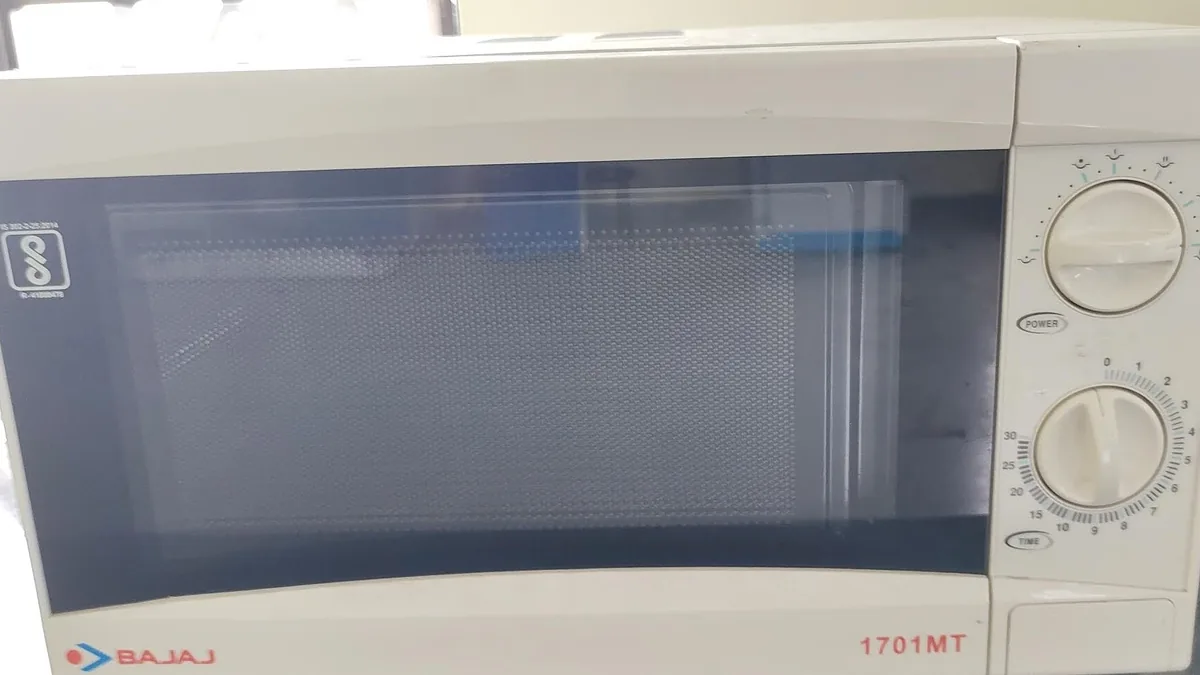
A microwave heats unevenly, and I knew it — the cold middle, the rubber edges, the rice that turned to glue. Yet I kept using it, three or four times a day, because it was fast. A year of it was a year of mediocre meals: pasta that went soggy, chicken that went tough, vegetables that went grey. The worst part was that I never once tasted what the food could have been until I stopped, because each reheated plate felt normal. A microwave is the perfect invisible habit: too routine to notice, too frequent to be harmless.
It was never really about the cooking
If I am honest, the microwave was never about hot food. It was about not having to think: no pan, no hob, no waiting. The food came out hot, and the cooking simply did not exist. But the cooking is smaller than it looks, and the convenience was mostly habit. Once I set up a simple routine — a pan on the hob, a lid on the pot, five minutes while the table is set — the work took less time than the microwave’s beeping, and the food was better every single time.
The home version got good fast
The first hob-cooked meals were mediocre, I admit it. I burned a sauce, overcooked the rice, and forgot the vegetables entirely. But a decent pan, a hob I already owned, and a few weeks of practice changed everything. Within a fortnight my own cooking was better than the machine’s, because I was cooking the food properly — and nothing came out rubbery or grey. The money I saved on ruined food paid for the pan in the first month.
The week got calmer, not busier
I expected to miss the machine. I did not expect the week to get better. Without the beeping, the cold middles, and the rush to eat before it went cold again, one more small stress simply vanished from my life. The cooking became a quiet background task — a pan started with the table setting, a lid lifted before serving — instead of a box to manage. A meal I cook myself, on my own schedule, turned out to be less stressful than a machine I had to organise.

What the money actually became
The saving — well over twenty dollars a month — did not disappear into the budget, because I made sure of it. Half went straight into savings the week I stopped, and the rest paid for things the habit had been quietly eating: a better pan, proper containers, fresh ingredients instead of frozen meals. Over the year the saving became the deposit for a trip I had been putting off. A habit I barely noticed had been quietly costing me a holiday a year.
The first month was the hardest
The first month was the hardest, because habit is stronger than logic. I caught myself reaching for the microwave out of pure reflex — standing at the counter, the cold plate in my hands, the machine’s door still in my routine. The trick was a rule, not willpower: I gave myself ten seconds to ask whether the minute was really worth the meal. Most of the time it was not, and the question itself broke the reflex. By the second month the microwave was unplugged, and by the third I had stopped thinking about it at all.
The one thing I still do
I have not given up the microwave entirely, and I do not plan to. Melting butter, warming a baby’s bottle, a day when life genuinely overwhelms — those still go in the machine, and they are worth every penny. The difference is the choice: a machine I use, for a reason I can name, is money well spent. A machine I use on autopilot, because it is easier than thinking, is not. The habit I stopped was the automatic one. The convenience stayed.
How to make the switch
- Add up how many times a day you use the microwave before deciding anything.
- Set up a simple routine: a pan on the hob, a lid on the pot.
- Buy a decent pan and a lid that fit your hob.
- Keep the routine small — five minutes a meal is enough for most food.
- Send the saving somewhere visible, or the budget will quietly absorb it.
Frequently asked questions
How much money do you save by not using a microwave?
In my case, well over twenty dollars a month — mostly from wasting less food and buying fewer frozen meals. The exact figure depends on your habits, but three or four reheats a day adds up to a large sum over a year.
Is hob cooking really as fast as a microwave?
After a few weeks of practice, mine was nearly as fast — because the food comes out properly cooked the first time, with no second round and no cold middle. A decent pan and a hob make the difference; the machine’s advantage was never the cooking, it was the convenience.
Do you still use a microwave at all?
Yes — for melting butter, warming a bottle, and genuinely overwhelming days. The point was never to ban the machine, but to stop using it on autopilot. The same small-spend thinking applies elsewhere too, as in why I stopped using paper towels.
The bottom line
I stopped using a microwave, and nothing about my weeks got worse. The food still gets hot, the meals taste better, and well over twenty dollars a month stays in my pocket instead of going to frozen meals and ruined leftovers. If you use a microwave without thinking, count how many times a day before you decide. You might find, as I did, that the convenience was never worth what it cost.
The same discipline works across the household budget. The best ways to save money on groceries apply it at the shops, and the best ways to save money on utilities apply it at home.

Keep what speaks to you.
Leave room for your own perspective.


