I did not stop shopping. I stopped shopping online, and that turned out to be a much more specific decision than I expected. I still buy things I need in a real shop. What I stopped was the version that happened on my phone at half past eleven at night, in bed, with one thumb, while I was too tired to think clearly.
I never thought of myself as a big shopper. My spending arrived in small brown boxes, one at a time, spread across the week. None of it felt like a shopping trip. Added together, though, they were a habit, and a surprisingly expensive one.
How My Phone Became My Favourite Shop
It started with convenience. I ordered something I genuinely needed, and it arrived the next day. Then I downloaded the app, because the app was faster than the website. Then I saved my card, because typing the number in every time was annoying. Each step made sense on its own. Together, they removed every pause between wanting something and owning it.
Soon shopping simply found me, in the gaps of my day. I would open my phone to check the weather and see a sale banner, or watch a video where the thing on screen was one tap away, with a discount expiring in three hours. Late at night was the worst of it: tired and a little bored, my judgement was at its weakest and my phone at its most persuasive. I told myself I was only browsing, only filling a basket to think about later. But a basket with a saved card and one-click checkout is not a place to think. It is a place to buy, and I usually did.
The Traps Were Built Into the Design
It was not only my lack of discipline. Online shopping is designed to make impulse buying easy. The one-click button meant I never had to stop and type anything in. My saved card meant I never had to get up, find my purse, and think about whether I actually wanted to spend the money.
Then there were the small pushes. A notification saying something was back in stock. A banner saying I was only a few pounds away from free delivery, which always made me add something I did not need. A countdown timer that made an ordinary discount feel urgent. None of these were lies, exactly. They were designed to make a calm decision feel like a missed chance. And none of it felt like real spending: a small animation, a cheerful confirmation, and then silence.
The Night I Added It All Up
The turning point was not dramatic. One Sunday evening, I was looking for a parcel I was expecting, and I scrolled back through my order history to find it. I kept scrolling. Page after page of small orders, most of them things I could not remember buying, and several I could not even find in the house.
So I added the last three months together. It was several times what I would have guessed: enough for a short break away. The worst part was how little I had to show for it. A drawer of cables for devices I no longer owned. Clothes with the tags still on. Boxes I had meant to return, long past their return window. I had told myself online shopping saved me time and money. It cost me money I would never have spent in a real shop.
What I Changed First
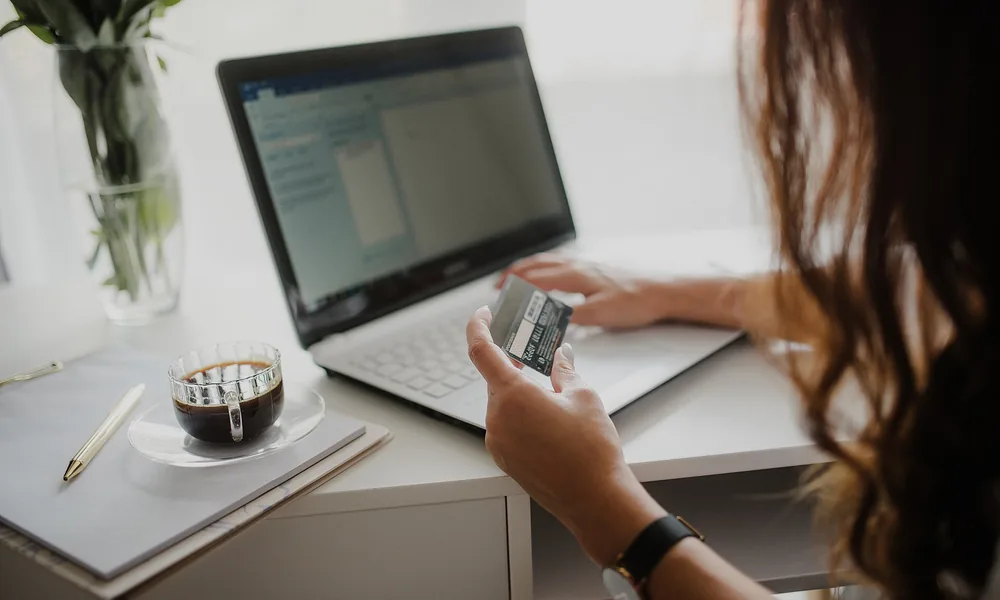
I did not try to fix everything at once. Instead, I changed the setup, so that buying online took effort again. The first thing I did was remove my saved card from every shopping app and website. That single change did more than any rule I had ever made. Now I have to get up, find my card, and type the number in, and that small delay is often enough for the urge to pass.
Then I deleted the shopping apps from my phone. I did not delete my accounts. I can still buy something online if I really need to, through a browser on my laptop, sitting at a desk, in daylight. What I cannot do any more is buy something in two taps while half asleep. I also turned off every shopping notification, unsubscribed from every sale email, and moved my phone charger to the kitchen, so the phone sleeps there, not beside my bed. The late-night scrolling was the heart of the habit, and removing the phone from the bedroom removed it at its strongest hour.
What I Do Instead When I Want Something
I still see things I want online. What has changed is what happens next. Instead of buying it, I write it down: the item, the price, and the date I saw it. Then I close the tab. If I still want it a week later, and I can afford it, I buy it properly, on my laptop, with my card in my hand. More often than not, a week later I wonder what I was thinking. The want has gone, and so has the spending.
I also ask one question: would I still want this if I had to go to a shop to get it? If not, it was probably the screen doing the wanting, not me. For the things I do buy online, I make a list before I open the browser and close it when I have what is on the list. I do not browse: browsing was shopping with a nicer name. A general guide to how to stop impulse buying covers the pause rule and the list rule in detail, and both helped me here, but I had to adapt them for the screen: my pause happens away from the app, and my list is written before I open the browser, not while I am already scrolling.
The Calmer Version
The money change came first, and it was obvious within a month. My bank statements got shorter. The small, forgettable charges disappeared. The money I saved did not feel like a sacrifice. The evening change was quieter, but it mattered more. Without the phone in the bedroom, my evenings got slower and calmer. I read more and slept better.
Stopping impulse shopping online also changed how I think about my cards. When a card is saved in five different apps, spending does not feel like spending at all. I found why I stopped using credit cards the way I used to useful while making that change: the easier money is to spend, the more carefully you have to protect the pause between wanting and buying. I wrote before about why I stopped shopping for fun, and the two decisions belong together for me now. Shopping is a task again, not a pastime, and certainly not a habit that follows me around on my phone.
I stopped because the online version was never really about the things. It was about the moment: tired, bored, a bright screen, a saved card, and a button that asked for nothing from me except a tap. Taking the taps away gave me back the pause, and the pause gave me back the choice. My money is calmer now, my evenings are calmer, and the things I do buy are things I actually wanted, chosen in daylight, on purpose. If your phone has become your favourite shop, start with one change, the one that would slow you down the most. For me, that was removing my saved card.

Keep what speaks to you.
Leave room for your own perspective.