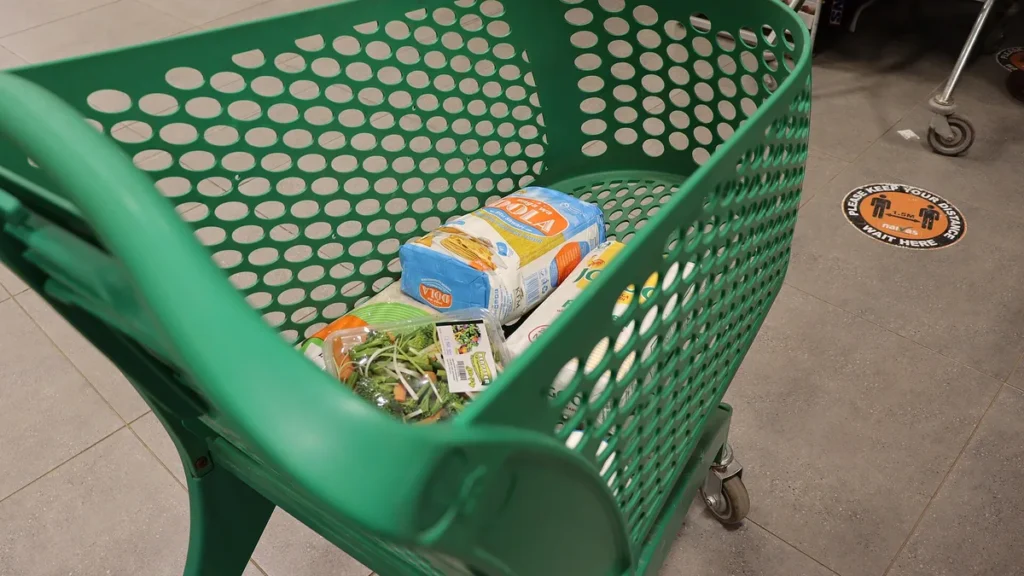
Impulse buying is rarely about the thing itself. It is about the moment: a sale sign, a tired evening, a scroll through a shopping app, or a bad day that seems to call for a small reward. The purchase feels good for a few minutes, then the excitement fades and the money is gone. If that sounds familiar, you are not bad with money. You simply need a few practical rules that slow the moment down and give your calmer self time to decide.
This guide explains three simple tools: the pause rule, the list rule, and a handful of everyday habits. None relies on willpower alone, because willpower runs out. Instead, they change the setup around you, so the easier choice is also the smarter one.
Why Impulse Buying Happens
Shops and apps are designed to make buying feel effortless. One-click checkout, free delivery, and limited-time offers remove the friction that used to give people time to think. When buying takes two seconds, there is no space between wanting something and owning it.
Emotions play a part too. Many impulse purchases happen when we are bored, stressed, tired, or celebrating. Shopping gives a quick lift, and the brain remembers it, so buying becomes a habit, like reaching for a snack when we are not hungry. Understanding this is the first step to changing it.
Unclear money is another trigger. When you do not know how much you can safely spend this month, every purchase feels consequence-free. A clear picture of your money makes each choice easier.
The Pause Rule: Wait Before You Buy
The pause rule is the single most effective way to stop impulse buying. When you want something you did not plan to buy, wait. For small items, wait 24 hours; for larger purchases, wait a full week. Put the item on a wish list, then walk away and let the urge cool down.
Most of the time, the urge fades. You may forget about the item completely, which tells you it was a passing want, not a real need. Sometimes the desire stays, and that is useful too. If you still want the item after a week and you can afford it, buy it calmly, without regret.
How to Make the Pause Rule Stick
Write your waiting times down and keep them somewhere visible, such as a note on your phone. A rule you can see is easier to follow than one you only remember. Next, remove the shortcuts that let you skip the pause: delete saved payment details, turn off one-click buying, and unsubscribe from sale emails.
Have a plan for the waiting period. If you feel the urge to buy, do something else for ten minutes: make a cup of tea, take a short walk, or tidy one small space. Changing the moment weakens the urge.
The List Rule: Shop With a Plan
The list rule is the pause rule’s partner. Before you shop, whether in a store or online, write a list of what you need and buy only what is on it. This sounds basic, and it is, but that is why it works. A list turns shopping from browsing into a task with a clear end.
Write your list at home, not in the shop. Check what you already have before you leave, so you do not buy a second bottle of something sitting unopened in a cupboard. When you shop online, add items to your basket only from your list, and check the basket against the list before you pay.
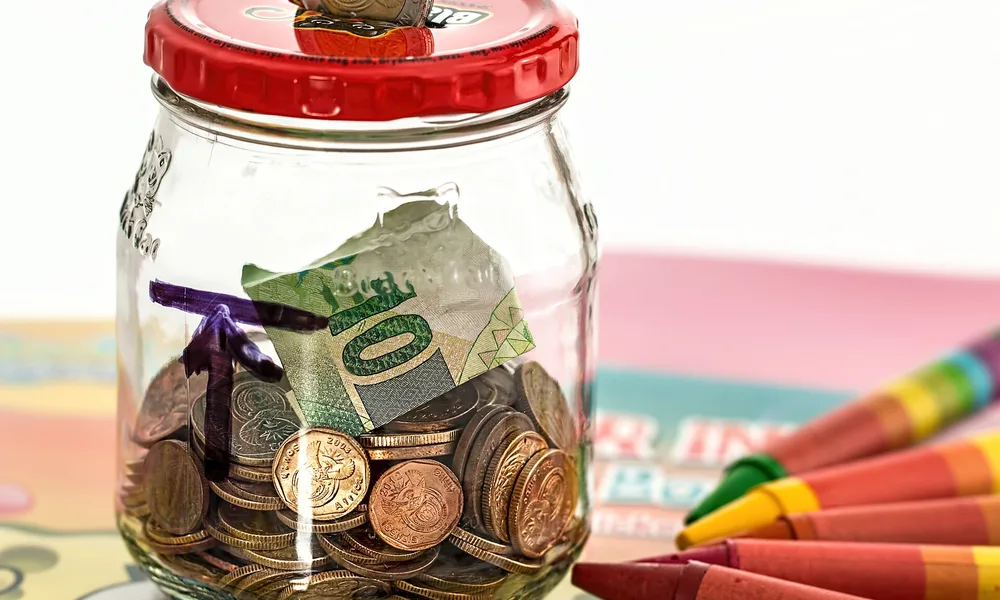
Meal planning is one of the best uses of the list rule. When you know what you will eat for the week, you shop once, with a list, instead of making daily trips where extra items join the basket.
One writer on this site explains why they stopped buying things they did not need, and how cutting unplanned purchases changed the way they think about money. The list rule is not about going without, but about choosing well.
Habits That Keep Spending Under Control
Rules help in the moment, but habits protect you every day. The habits below are small, yet together they make impulse buying much harder to slip into.
Give Every Dollar a Job
At the start of the month, decide in advance how much goes to bills, food, savings, and fun. When fun money has its own limit, you can enjoy it without guilt, and you know exactly when it is gone. A simple budget, on paper or in an app, is enough. These budgeting apps for beginners can track your spending and show you where your money actually goes.
Make Saving Automatic
Set up an automatic transfer to savings on the day you are paid, even if it is a small amount. When saving happens first, spending what is left feels safe, because the important part is already done. Watching that balance grow becomes its own reward.
Unsubscribe, Unfollow, and Shop Less Often
Every sale email and shopping account you follow is a small nudge to buy. Take an hour one weekend to unsubscribe from marketing emails, unfollow tempting shops, and delete shopping apps you do not need. Trips with no clear purpose are where impulse buys breed, so combine errands into fewer trips and avoid wandering through shops when you are bored.
Keep a Want List
Instead of buying things on the spot, keep a running want list on your phone. Write down anything that catches your eye, with the date and the price. At the end of the month, look at the list: half the items will often no longer appeal to you, and the ones that do can be bought deliberately. A want list turns impulse into a plan.
What to Do When You Slip
No system works perfectly, and you will sometimes buy something on impulse. That is not failure. The danger is not one unplanned purchase, but the feeling that one slip means the whole effort is ruined. It does not: learn from it and move on.
When a slip happens, ask three questions. What triggered it: boredom, stress, a sale, or a social media post? What could you do differently next time? And is the item worth keeping, or should you return it? Keep a short note of your slips for a month, and patterns will appear. Once you can see your triggers clearly, you can plan around them.
A Simple Weekly Check-In
Once a week, take ten minutes to review your spending. Look at your bank app, add up anything unplanned, and compare it with your budget. This is not a time for self-criticism; it simply tells you where you stand. Celebrate what went well: did you pause on something and later decide you did not want it? Small wins show the system is working.
Connecting your spending to your bigger aims makes the check-in more meaningful. Learning how to set financial goals that actually stick gives your daily choices a purpose, so the pause rule feels less like saying no and more like saying yes to something better.
Start Small, and Be Patient
Stopping impulse buying does not happen in a day. It happens one paused purchase, one list, and one weekly check-in at a time. Start with the pause rule this week, add the list rule next week, and build the habits one by one. You do not need to be perfect.
What you are building is a calmer relationship with money, where you choose what to buy instead of letting the moment choose for you. That calm grows stronger every time you wait, stick to your list, and decide with a clear head.

Keep what speaks to you.
Leave room for your own perspective.