I stopped drinking coffee on a Tuesday in March. I did not switch to making it at home, a cheaper café, a smaller cup, or a decaf version of the same habit. I stopped drinking the drink itself — the morning cup, the mid-morning top-up, the afternoon one I told myself was my last. Three cups a day, most days, for eleven years, and then none. It is a different decision from cutting the cost of buying it: the coffee was not the problem because someone else made it. It was the problem because I drank it.
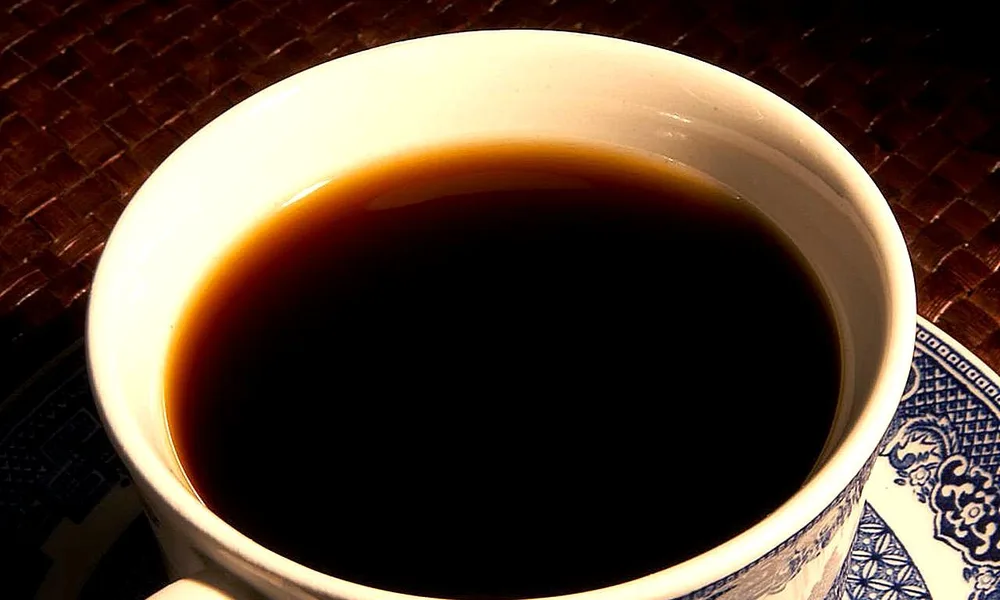
People ask which part I miss, as if quitting coffee must be about willpower or money. It was neither. My hands shook, my sleep was thin, and my afternoons collapsed at about three o’clock every day. I blamed work, my mattress, getting older — never the three cups of black coffee, because coffee was supposed to fix all of that.
The jitters I kept explaining away
The first sign was my handwriting. On a form at the bank, my signature came out wobbly, as if I had written it on a moving train. I told myself I was tired. Then my fingers stuttered on the keyboard, hitting two letters at once. In meetings, my knee bounced under the table, and I could not make it stop.
By eleven, after my second cup, my heart was doing a fast, light patter in my chest. What finally made me stop pretending was a Saturday: no work, no deadline, no stress to blame — and I still woke up, made coffee, and spent the next hour feeling wired and exhausted at the same time. This was not energy. I had been calling the jitters alertness for years. They were my body asking me to stop.
The maths I did after I quit, not before
I did not quit for the money, but the money still surprised me. Two of my three daily cups were made at home, from beans that cost about $14 a bag and lasted ten days. The third was usually bought out, about $4.50, four or five times a week. With milk and filters, I was spending roughly $95 a month — $1,140 a year, and over eleven years more than $12,000 — for a habit I could not skip for a single morning without a headache.
I want to be exact here, because this is where my story differs from the money-saving version. I had already tried the cheaper version: I bought the beans and made it at home, and the home coffee gave me the same jitters, the same thin sleep, and the same three o’clock crash, for about a third of the price. The cost was never the real bill. The real bill was what the drink did to my days, and I paid it in full every morning, whether the cup cost $4.50 or 40 cents. If you only want to spend less, stopping buying coffee every day is a sensible place to start. I had already done that, and it had not fixed anything.
The three o’clock crash was not a long day
The crash was the most predictable part of my life. At about three in the afternoon, every afternoon, a heavy curtain came down. My eyes went gritty, my thoughts went slow and sticky, and I would read the same sentence four times and still not know what it said. I would reach for another coffee, and for about forty minutes I would feel almost normal again. Then the curtain came down harder, and I would sit there, tired and wired at once, counting the hours until I could go home and sleep badly.
I called it a long day, but it happened on short days and quiet weeks too, and on holidays, right on schedule, at three o’clock. The cure and the cause were the same cup. I recognised the same loop when I read about why someone stops drinking energy drinks: the can at nine, the can at three, the shaky hands, the crash that gets called a long day. The drink was different and the dose was bigger, but the loop was the same. Coffee was my version of it, quieter and more respectable, in a proper mug instead of a bright can.
What I drink instead, every morning
People assume I replaced coffee with something clever, and the truth is boring, which is why it works. The first thing I drink every morning is a large glass of water. Then I make herbal tea — peppermint most days, chamomile in the evening — and I drink it slowly, sitting down, the way I never sat down with coffee. Coffee was something I gulped while doing three other things. Tea is something I actually taste, because there is no crash waiting at the end.
I eat breakfast now, sitting down — eggs or porridge — instead of skipping it and letting coffee pretend to be a meal. I also take a ten-minute walk before work. The walk wakes me up better than coffee ever did, and it does not charge me for it at three in the afternoon.
Tea is not a perfect substitute for coffee, because it is not trying to be one. Tea versus coffee is a fair contest if what you want is a hot drink in a mug, and tea wins on cost and sleep and loses on the fast, bold hit. But I was not choosing between two drinks. I was choosing between a drink that ran my day and a morning I ran myself. Herbal tea has almost no caffeine, and that is the feature, not the flaw.
The first two weeks were worse before they were better
I should be honest about the beginning. The first three days were miserable. I woke up with a headache behind my eyes that did not move all day. I was tired in a way sleep did not fix. On the fourth day I stood in the kitchen holding the bag of beans and thought seriously about making just one cup, just to stop the headache. I put the bag back.
Day five was the turn: I woke up without a headache. By day eight, I was sleeping through the night for the first time in months. By day twelve, the three o’clock crash did not come. I had spent eleven years believing coffee gave me energy; it had been lending me mine and charging me for it.
What I miss, and what I do not miss at all
I miss the smell. Fresh coffee smells wonderful, and walking past a café on a cold morning I still feel a tug of nostalgia for the ritual — the warm cup, the quiet minutes before the day started. I miss the ritual more than the drink: the quiet, the warmth, the pause. The drink was the jitters, the crash, and the thin sleep. I kept the ritual and dropped the drink, and it works just as well with peppermint tea in the same favourite mug. I do not miss the shaking hands, the lost afternoons, or spending $95 a month on something that made my days worse.
None of this is advice, and I am not a doctor. Coffee suits some people perfectly well, and if your hands do not shake and your sleep is deep and your afternoons are yours, then this is not your story. But if you recognise the jitters, the crash, and the cup you reach for to fix the tiredness the last cup caused, you might be living my story and calling it a long day. I called it that for eleven years. I should have believed my own hands years earlier.

Keep what speaks to you.
Leave room for your own perspective.