
I did not quit coffee. I quit paying someone else to hand it to me every single morning, and that small distinction changed my money more than any budgeting app ever did. For years my day started the same way: a queue, a card tap, a paper cup, and a feeling that I had treated myself. It cost so little each time that I never thought about it.
The habit felt harmless because the price was small. A coffee is not a car payment, and nobody warns you about a four-dollar cup the way they warn you about a loan. But small, repeated spending is the quietest kind, and mine had run for years without a single honest look. When I finally added it up, I stopped — not because I had become disciplined, but because I could no longer pretend the number was small.

The maths I was avoiding
My usual order cost a little under five dollars, and on tired days I added a pastry, which pushed it past seven. Five dollars a day, five days a week, fifty weeks a year comes to about one thousand two hundred and fifty dollars. Add weekend coffees, second cups on bad afternoons and the occasional round for a colleague, and my real total was closer to one thousand six hundred dollars a year — a holiday spent one paper cup at a time.
What stung was that I had nothing to show for it. A thousand six hundred dollars of coffee leaves no memory, no object, no skill — just a vague sense of having been awake. I could remember almost none of the individual cups. They had blurred into one long routine, and I had been paying for the feeling of a fresh start each morning rather than for the drink.
Seeing the number written down did something no lecture about saving ever had. It is the same reason I track every dollar I spend now: once a habit is visible, it can be argued with. It turned an invisible habit into a visible one, and once I could see it, I could argue with it. I had always told myself I could not afford to save more. The coffee maths said otherwise, and I did not like being argued with by my own bank statement.
It was never just the coffee
The coffee was the entry fee, not the whole cost. The shop sold warmth, light, music and ten minutes of not being at my desk, and I was buying the whole package every morning without admitting it. The drink was the excuse; the ritual was the product. Once I understood that, quitting stopped feeling like a punishment — it was lifestyle inflation in miniature, a small comfort quietly becoming a fixed cost and started feeling like a choice about what I actually wanted to pay for.
Why it was so hard to quit
Quitting was not hard because I needed the caffeine. It was hard because the coffee run organised my morning: a reason to leave on time, a pause between home and work, a small moment that belonged only to me. Take that away and the morning felt flat and rushed. I was not addicted to the drink so much as to the shape of the morning it gave me.
There was also the social side. Colleagues went together, and saying no felt like opting out. The coffee run was where news travelled and plans were made before the working day swallowed everyone. I worried skipping it would make me distant. Then I noticed the conversations still happened, just later, and usually without a five-dollar entry fee.
The ritual, not the drink
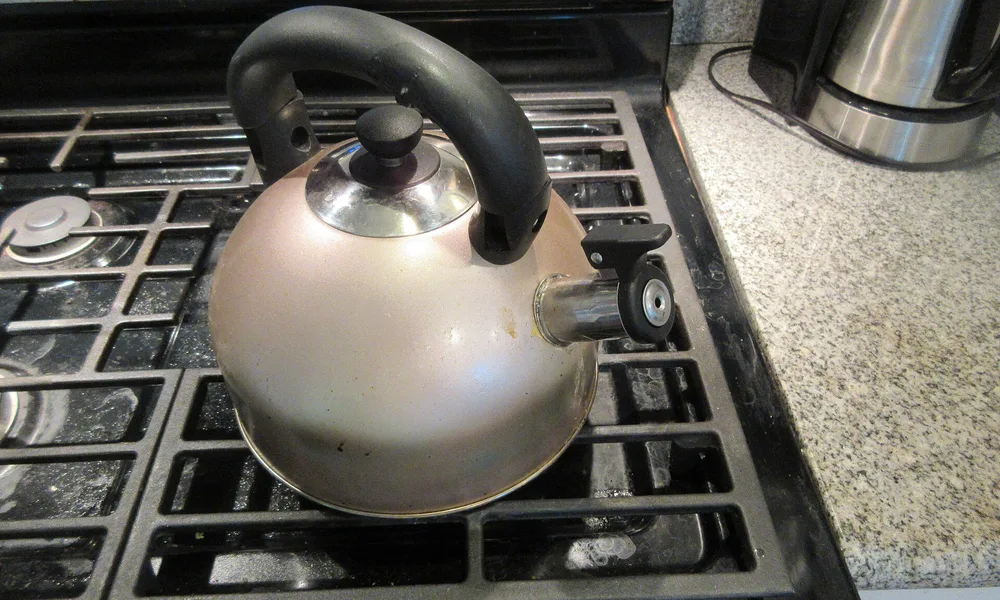
The breakthrough came when I separated the two. I still wanted a slow start and a hot cup in my hands; I just did not want to pay for it in a queue. So I built a version of the ritual at home: kettle on, beans ground, ten quiet minutes before the day began. At first it felt like a cheaper copy. After two weeks it felt like mine.
That is the part nobody tells you about small habits. They are rarely about the thing itself, but about the moment around it — and moments can be rebuilt for free. Once I had a morning I liked at home, the shop lost its hold on me, because it had never really been selling coffee. It had been selling a pause, and I had learned to make my own.
What I do now
I make coffee at home most mornings, and it costs about forty cents a cup. A decent grinder and a simple brewer paid for themselves in under three weeks of skipped shop visits. The coffee is better than I expected, partly because I choose the beans and partly because I drink it slowly, sitting down, instead of carrying it through a crowd. It is mine rather than rented by the cup.
I still buy coffee out, just not every day. Once or twice a week I meet a friend at a cafe, or I treat myself on a Friday, and those cups taste better than the daily ones ever did. Scarcity did what routine could not: it made the treat feel like a treat again. The money I save goes into a separate pot.
The coffee I still buy
I have one rule now: I only buy coffee out when I am buying the company or the occasion, never just the caffeine. A coffee with a friend is worth it. A coffee with a deadline is not, because I can make a better one at home. That rule has kept the habit in its place for months.
I also keep a small travel kit for busy mornings — a jar of decent instant coffee and a flask — so a rushed day never becomes an excuse for the old routine. The goal was never perfection, only to stop sleepwalking into the same purchase.
What changed besides the money
The money was the reason I started, but it is not the best part of what changed. My mornings are calmer now, because I am not standing in a queue watching the minutes go. I arrive at work having already had my quiet moment, instead of borrowing one from a shop. I also waste less: no more paper cups, lids or sleeves in the bin.
The bigger change is how I see my other small habits. Once you catch one invisible expense, you start looking for the others, and I found a few. None was large on its own. Small, repeated spending is the hardest kind to notice and the easiest kind to change, which is why learning how to stop impulse buying starts with the tiny purchases, not the big ones, because it never asks you to give up anything big. It only asks you to pay attention.
The bottom line
I stopped buying coffee every day because the maths finally caught up with me, and I stayed stopped because the replacement was better than the original. I still love coffee, and I drink it every morning, sitting down, in a cup I own. What I gave up was the queue, the markup and the mindless tap of a card — and in return I kept about one thousand six hundred dollars a year and a calmer start to every day.

Keep what speaks to you.
Leave room for your own perspective.


