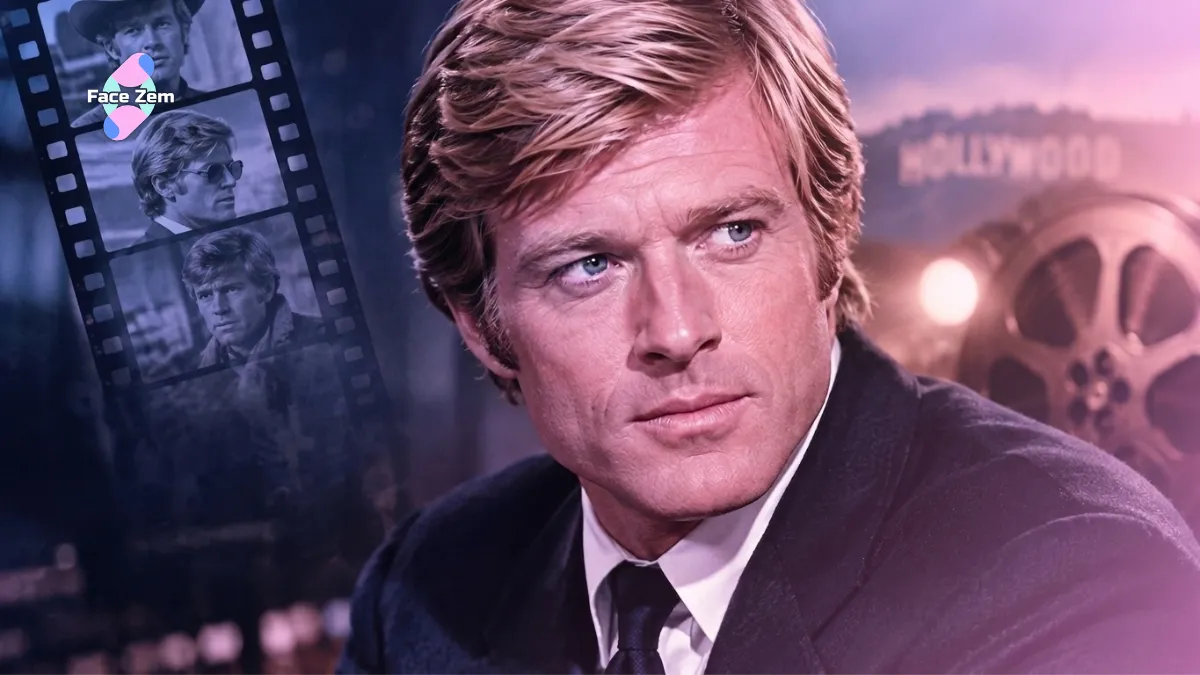
Robert Redford understood something about fame that many stars never do.
Being famous gives you attention. It doesn’t necessarily give you meaning.
Redford spent decades turning that attention into something larger than a movie career. He became an actor, director, producer, businessman, environmentalist and, perhaps most importantly, a champion of filmmakers who didn’t yet have Hollywood’s approval.
When he died on September 16, 2025, at 89, he left behind much more than a list of successful films. He left behind an institution, a body of work and an idea about what cinema could become.
Who Was Robert Redford?
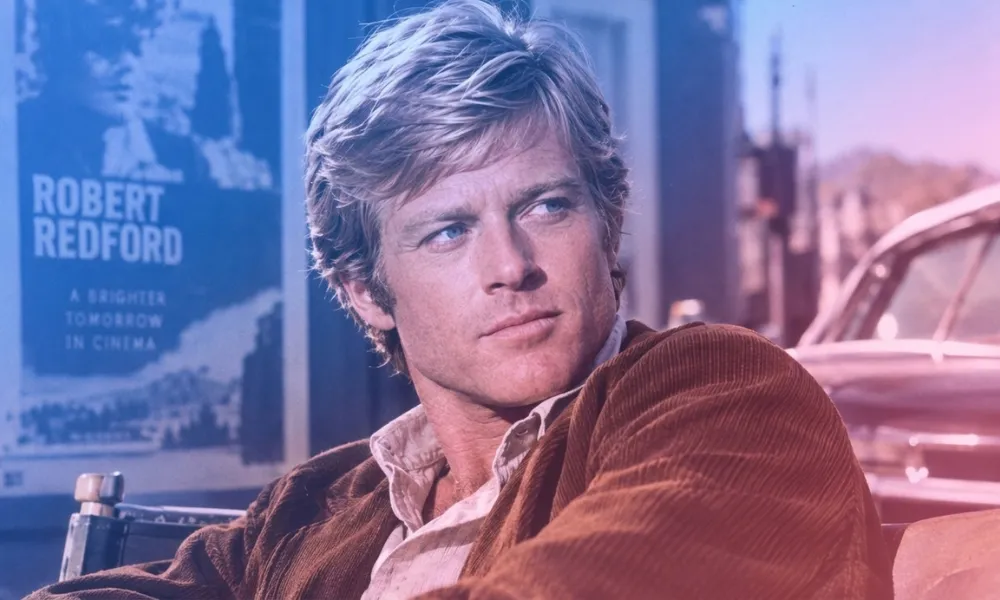
Robert Redford was an American actor, director, producer and cultural figure whose career stretched across stage, television and film.
He became a major Hollywood star through films including Butch Cassidy and the Sundance Kid, The Sting and All the President’s Men. He later established himself as a director, winning the Academy Award for Best Director for Ordinary People.
But describing Redford simply as a Hollywood actor misses the most interesting part of his story.
He eventually used his success to create opportunities for other artists.
That decision changed independent American cinema.
What Was Robert Redford’s Net Worth?
Celebrity Net Worth estimated Robert Redford’s net worth at $200 million at the time of his death.
That figure should be understood as an estimate, not an audited statement of his estate.
Redford’s wealth came from a career that extended far beyond acting. His financial history included film salaries, producing and directing work, business interests, real estate and the Sundance enterprise.
And there is an important lesson here.
A celebrity’s net worth is not the same thing as the amount they earned from movies.
A person can earn enormous sums over several decades while also spending, investing, buying property, building businesses and supporting causes.
The final net-worth estimate is therefore a snapshot of accumulated wealth, not a complete career paycheck.
How Did Robert Redford Become Famous?
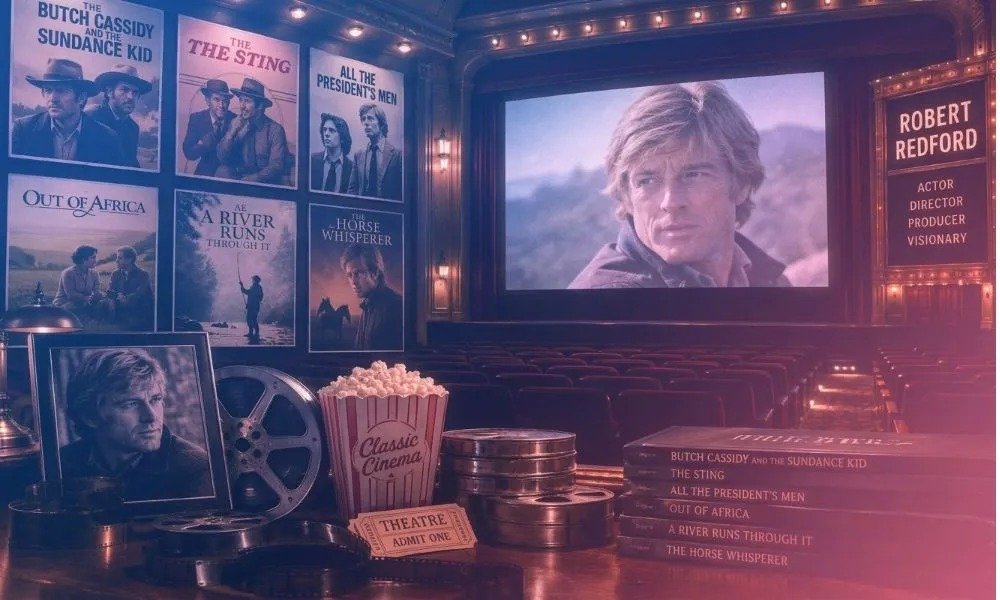
Redford’s breakthrough came in 1969 with Butch Cassidy and the Sundance Kid, where he starred opposite Paul Newman.
The movie became a cultural phenomenon and permanently connected Redford’s name with the character of the Sundance Kid. It also gave him the name that would later become attached to an entire independent-film movement.
The success changed the scale of his career.
Suddenly, Redford wasn’t simply a promising actor.
He was a Hollywood leading man.
But he wasn’t interested in staying inside that box forever.
What Were Robert Redford’s Most Famous Movies?
Among the films most closely associated with Redford are:
- Butch Cassidy and the Sundance Kid (1969)
- The Sting (1973)
- The Way We Were (1973)
- All the President’s Men (1976)
- The Electric Horseman (1979)
- Ordinary People (1980)
- Out of Africa (1985)
- A River Runs Through It (1992)
- Quiz Show (1994)
- All Is Lost (2013)
- The Old Man & the Gun (2018)
His career was unusual because he successfully moved between acting, directing and producing instead of allowing his identity to depend entirely on being the star in front of the camera.
What Made The Sting So Important to Robert Redford?
The Sting reunited Redford with Paul Newman and became one of the defining successes of 1970s American cinema.
It also demonstrated why Redford’s appeal went beyond conventional leading-man looks.
He could carry charm, intelligence and mischief at the same time.
The film earned him an Academy Award nomination for Best Actor, although he did not win that category.
The partnership with Newman became one of the most memorable actor pairings in Hollywood.
But Redford’s ambition was already moving elsewhere.
When Did Robert Redford Become a Director?
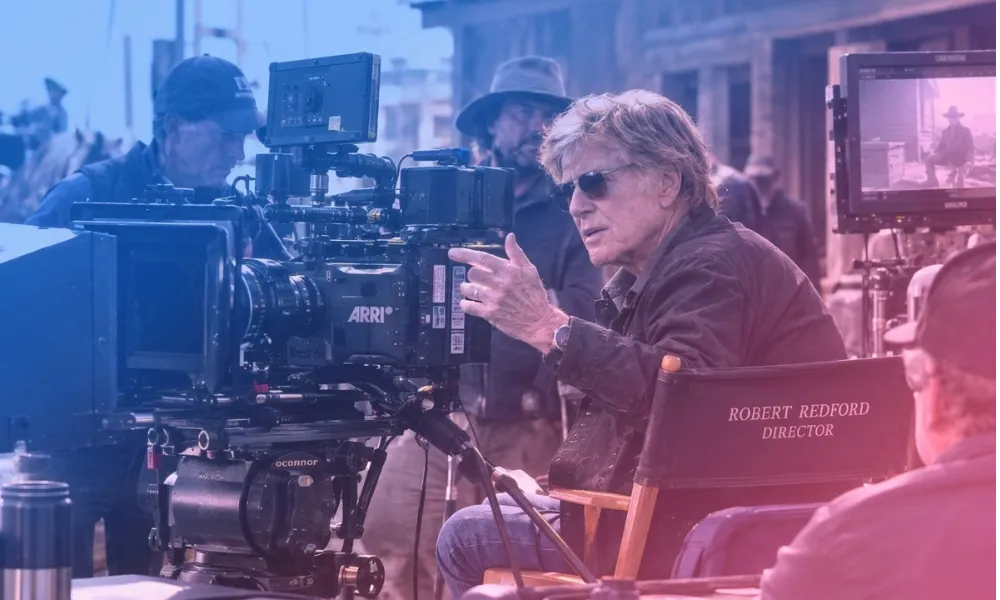
Redford made his directorial debut with Ordinary People in 1980.
The film became a major critical and awards success, and Redford won the Academy Award for Best Director.
That achievement matters because it changed how his career could be understood.
He wasn’t simply an actor who decided to sit in the director’s chair.
He demonstrated that he could build a story from behind the camera too.
Later films such as A River Runs Through It and Quiz Show further established his directing career.
Why Did Robert Redford Create Sundance?
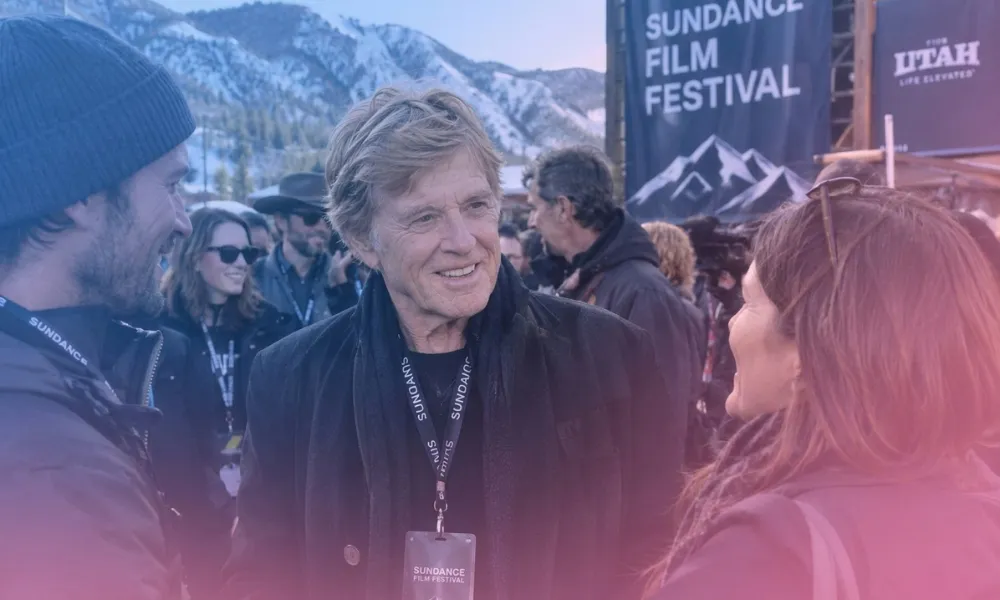
This is where Redford’s story becomes much bigger than Hollywood.
Redford believed talented filmmakers were being overlooked because the traditional studio system did not always make room for unconventional stories.
In 1981, he founded the Sundance Institute to support independent filmmakers and emerging voices.
The idea was simple but ambitious:
Give artists a place where they could develop their work without having to fit immediately into the commercial expectations of mainstream Hollywood.
The first labs created a community around that philosophy.
Eventually, the Sundance Film Festival became one of the world’s best-known platforms for independent cinema.
What Is Robert Redford’s Connection to Sundance?
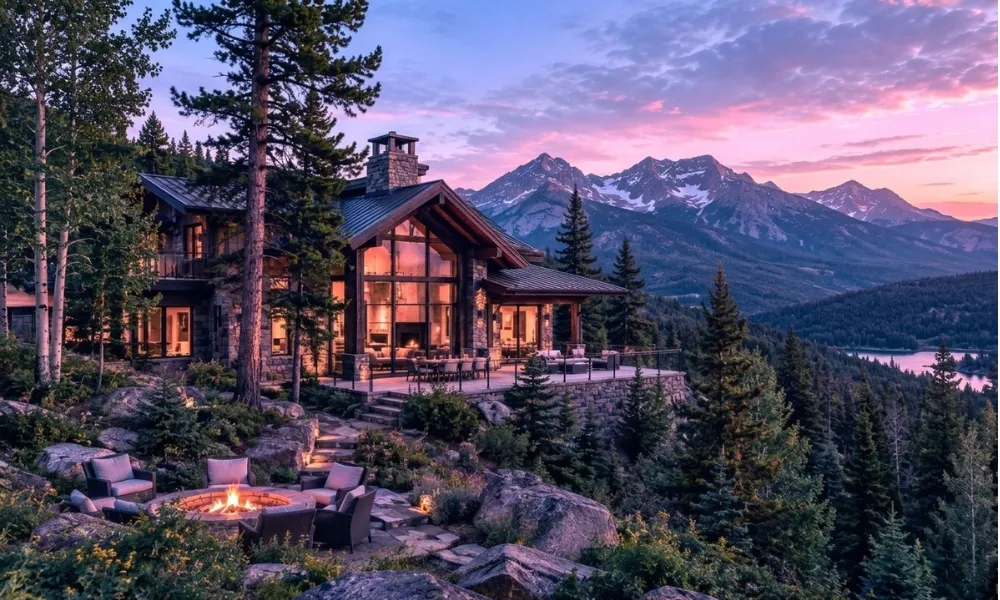
The connection is much deeper than a name.
Redford purchased land in Utah after discovering the area during a motorcycle trip in 1961. He later developed the Sundance property, naming it after his character in Butch Cassidy and the Sundance Kid.
The location eventually became the physical and philosophical home of his independent-film vision.
In 1981, the Sundance Institute began developing filmmakers through its labs.
Then in 1985, the Institute took over the United States Film Festival in Park City, helping transform it into what became the Sundance Film Festival.
A movie character had become a place.
The place became an institution.
And the institution became a global cultural force.
Did Sundance Actually Change Hollywood?
Its influence can be seen in the careers of filmmakers and projects that passed through its programs.
The Sundance Institute has supported artists behind films including Reservoir Dogs, Boys Don’t Cry, Get Out, CODA, Whiplash, The Big Sick and many others. It has also supported filmmakers including Quentin Tarantino, Ryan Coogler, Chloé Zhao and Ava DuVernay.
The significance isn’t simply that Sundance discovered famous people.
It helped establish an alternative route into filmmaking.
A director didn’t necessarily need to arrive in Hollywood with a giant studio behind them.
They could arrive with an original story.
That was Redford’s larger bet.
The Question People Often Miss: Why Would a Hollywood Star Help Create Competitors?
Because Redford understood that creative influence can be more valuable than simply protecting your own position.
He had already achieved the thing most actors dream about: fame.
Instead of using that fame only to secure bigger roles, he used part of it to create infrastructure for other artists.
That is a different kind of wealth.
Not financial wealth.
Cultural wealth.
It is the ability to create something that continues generating opportunities after you are no longer personally involved.
Robert Redford and the Business of Sundance
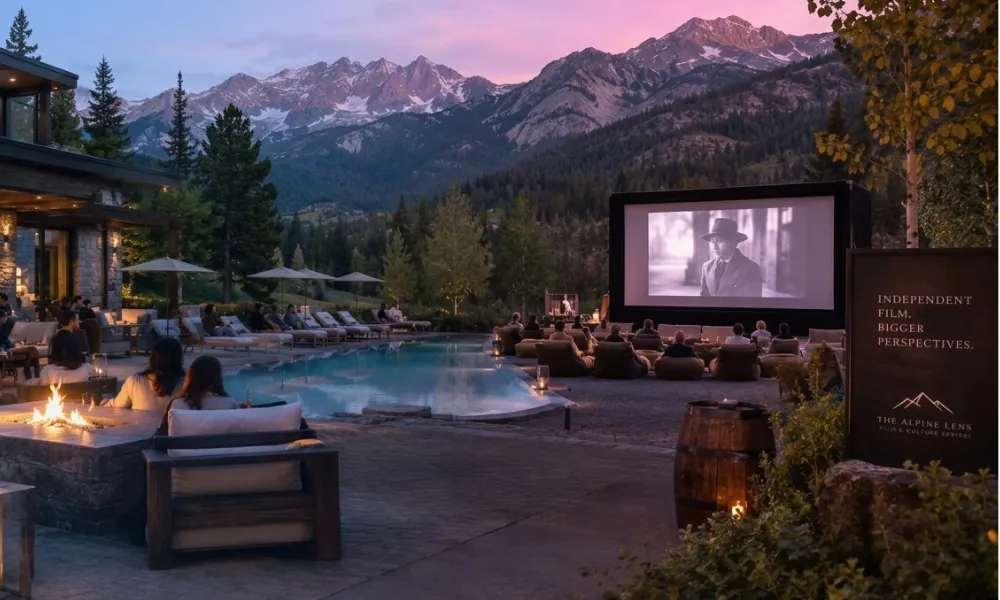
Redford’s connection with Sundance was also entrepreneurial.
The Sundance name eventually extended beyond the nonprofit institute and film festival into businesses and media ventures.
Celebrity Net Worth reports that Redford sold the Sundance catalog business for $40 million in 2004 and later sold the Sundance resort in 2020 for an undisclosed amount.
The important point isn’t simply the transaction values.
It’s the architecture behind them.
Redford had created a recognizable cultural brand from a fictional character’s name.
That brand connected entertainment, hospitality, nature, art and independent storytelling.
Very few actors successfully build that kind of ecosystem.
How Did Real Estate Contribute to Robert Redford’s Wealth?
Land was an important part of Redford’s life and financial story.
His relationship with Utah began long before Sundance became a global name.
The land became more than property.
It became a place associated with his creative identity.
He also owned or previously owned properties in places including California, New Mexico and Colorado. Celebrity Net Worth’s published account documents several major property transactions across his lifetime.
This creates an interesting distinction between ordinary celebrity spending and long-term asset ownership.
A luxury purchase can disappear in value the moment it is consumed.
Land can behave differently.
Its financial value can change over decades, while its emotional and cultural value can grow at the same time.
Redford’s relationship with Sundance illustrates both sides.
Was Robert Redford More Valuable as an Actor or a Creator?
There isn’t a useful single answer.
As an actor, he became one of the defining stars of his generation.
As a director, he demonstrated another artistic language.
As a producer, he helped bring stories to audiences.
Through Sundance, he created opportunities for other filmmakers.
Those are different forms of achievement.
And together they explain why his legacy extends beyond the films in which his face appeared.
What Did Robert Redford Believe About Storytelling?
The Sundance Institute continues to preserve Redford’s philosophy that independent voices deserve room to develop.
The Institute describes its mission around discovering, supporting and inspiring independent artists and audiences. It currently provides labs, grants and mentorship to artists working across storytelling disciplines.
That philosophy was central to Redford’s career.
He wasn’t simply interested in making more movies.
He wanted different people to have the opportunity to make different movies.
That distinction became his life’s larger project.
Robert Redford’s Awards and Recognition
Redford received major recognition throughout his career.
He won the Academy Award for Best Director for Ordinary People.
He also received an honorary Academy Award in 2002 for his contributions to cinema and the Presidential Medal of Freedom in 2016.
But awards are only one way to measure a career.
The more revealing measurement may be what remains after the awards ceremony ends.
In Redford’s case, that includes films, filmmakers, institutions, land and an enduring independent-film movement.
What Happened to Robert Redford?
Robert Redford died on September 16, 2025, at his home in Sundance, Utah. He was 89.
His death marked the end of a career that had crossed more than six decades.
But the organization he founded continues.
Sundance Institute describes Redford’s legacy as an ongoing commitment to preserving space for independent artists and storytellers.
That may be the most appropriate way to understand his death.
The person is gone.
The infrastructure he created is not.
What Can Entrepreneurs Learn From Robert Redford?
There is a surprisingly strong business lesson in Redford’s career.
He didn’t build everything around himself.
He built something that could eventually operate beyond himself.
That’s a crucial difference.
A personal brand depends heavily on the individual.
An institution can outlive the individual.
Redford turned his reputation into a platform, then turned the platform into an ecosystem.
For entrepreneurs, creators and investors, that is a powerful distinction:
The strongest legacy assets are often the ones that continue creating value when you’re no longer the person at the center.
Robert Redford’s Legacy
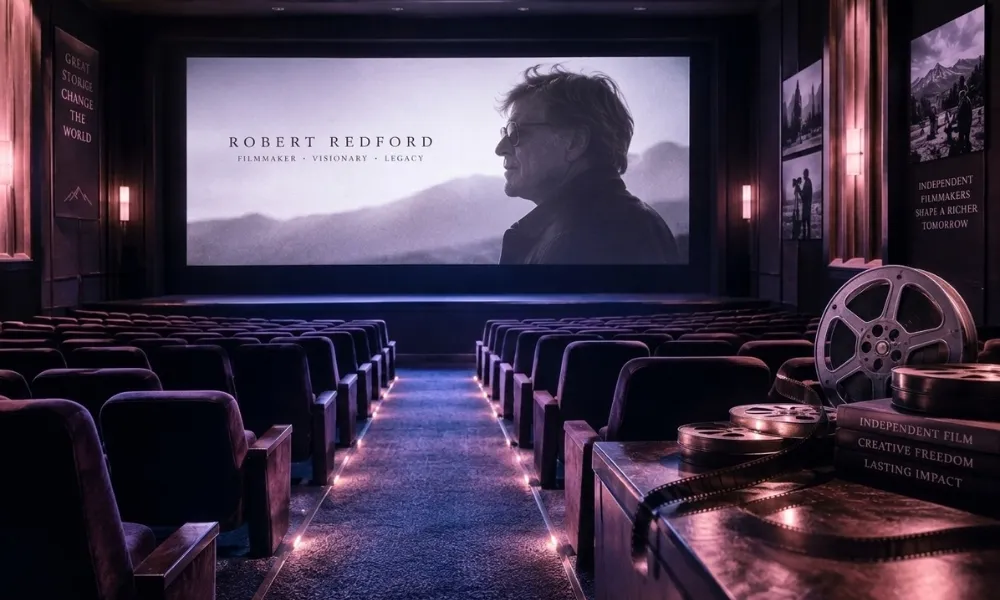
Robert Redford began as a performer.
He became a star.
Then he became a filmmaker.
Then a businessperson.
Then a founder.
And eventually, something even more difficult to achieve: an institution-builder.
His movies made him famous.
Sundance made his influence much larger.
That is why Robert Redford’s story belongs to more than Hollywood history.
It belongs to the history of modern American culture.
He showed that wealth can be measured in money, but it can also be measured in opportunities created, artists supported, stories preserved and institutions left behind.
And perhaps that is the question worth asking when we look at a career like his:
What remains after the spotlight moves somewhere else?
For Robert Redford, quite a lot remained.
Frequently Asked Questions
What was Robert Redford’s net worth when he died?
Celebrity Net Worth estimated Robert Redford’s net worth at $200 million at the time of his death. This is a published estimate, not an audited valuation of his estate.
When did Robert Redford die?
Robert Redford died on September 16, 2025, at age 89.
What was Robert Redford famous for?
He was famous for acting in films such as Butch Cassidy and the Sundance Kid, The Sting and All the President’s Men, as well as directing Ordinary People and founding Sundance Institute.
Did Robert Redford win an Oscar?
Yes. He won the Academy Award for Best Director for Ordinary People. He also received an honorary Academy Award in 2002.
Why is Robert Redford important to independent film?
He founded Sundance Institute in 1981 to support independent filmmakers and emerging voices. Its programs later became a major part of the independent-film ecosystem.
What was Sundance to Robert Redford?
Sundance was simultaneously a place, a business, an artistic community and the foundation for his independent-film mission.
What is Robert Redford’s most important legacy?
Beyond his acting and directing work, his lasting institutional legacy is Sundance Institute and the platform it created for independent storytellers.
Did Robert Redford own the Sundance resort?
Redford developed and owned the Sundance property for decades; the resort was later sold in 2020.
What can Robert Redford teach us about wealth?
His career demonstrates the difference between accumulating wealth and building lasting value. Money helped create opportunities, but institutions, intellectual property, relationships and cultural influence can continue generating value long after the original success.
Why does Robert Redford still matter?
Because his influence did not end with his films. The Sundance ecosystem continues to support independent artists, making his contribution part of an ongoing cultural story.