
An electric bike can change how you travel. It flattens hills, shortens commutes, and can replace short car trips that cost fuel and parking, but a new ebike costs far more than a regular bicycle.
You are not just buying a bicycle, but a battery, a motor, a controller, and a charger as well. Those electric parts make up a large share of the price, and they are where the biggest savings hide.
This guide is about electric bikes only. If you are still deciding between pedal power and electric assist, our guide to saving money on a new bike covers the regular bicycle side of things, and our guide to saving money on a new dirt bike covers petrol-powered machines.
Key takeaways
- Buy late in the season or when the new model year arrives.
- Judge an ebike by its battery size, motor type, and warranty, not by the headline price alone.
- Check for local rebates and employer schemes before you pay full price.
- A certified refurbished ebike with a battery health report can save a large amount.
- Compare the full out-the-door price, including assembly and delivery.
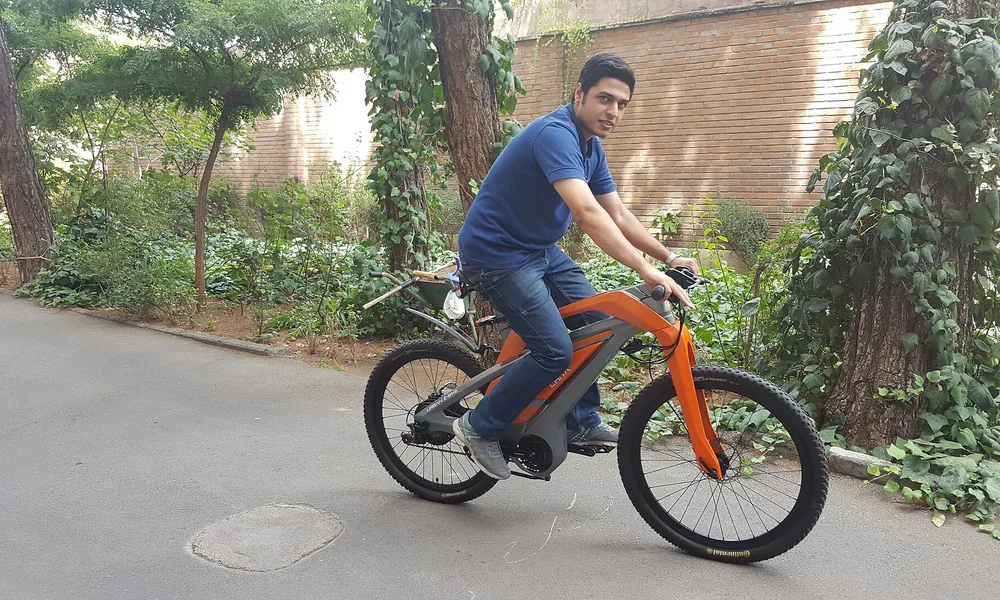
Start With the Battery and Motor, Not the Price Tag
The battery is the most expensive single part of an ebike. Its size is usually given in watt-hours. A bigger number generally means more range, but also a higher price and a heavier bike. A hub motor in the wheel is usually cheaper, while a mid-drive motor at the pedals usually climbs hills better. The battery and motor should carry their own warranty, separate from the frame, lasting at least two years.
Buy at the Right Time of Year
Ebike prices follow the seasons. Late autumn is usually the best time to buy. Demand falls as the weather cools, and shops need the floor space. Discounts of twenty to thirty percent are common, and the bike is still brand new with a full warranty. When next year’s models arrive, last year’s ebikes are discounted to make room, though the changes are often small, a new colour or a different display. Watch for holiday sales too, but note the price a few weeks earlier so you can tell a genuine discount from a small cut on an inflated price.
Look for Last Year’s Model and Demo Ebikes
This is the single easiest saving for most buyers. An ebike that is one model year old is still new, still under warranty, and often much cheaper than the current version. Ask the shop what they have left from last year in your size, and ask early, since the best ones sell quickly. Demo ebikes, used for test rides or stood on the shop floor, are sold serviced and with a warranty at a clear discount. Ask how many charge cycles the battery has done before you agree.
Check for Rebates and Employer Schemes
Before you pay full price, check whether any rebate, voucher, or employer scheme applies. Many cities, regions, and employers offer help with the cost of an ebike because it replaces car trips and cuts traffic. Check your local council or transport authority first, then ask your employer about a cycle-to-work scheme or a transport allowance that covers ebikes. Some let you pay from your salary before tax. Read the rules carefully, since some schemes only cover certain types of ebike, and apply promptly, since popular schemes can run out of funds.
Consider a Certified Refurbished Ebike
A certified refurbished ebike has been checked, serviced, and sold with a warranty by the maker or a trusted dealer, and it costs far less than a new one. Always ask for a battery health report. A refurbished ebike is only a bargain if the battery still holds most of its original charge. If the seller cannot show you the battery’s condition, walk away. Buy refurbished only where a warranty is included, ideally at least a year on the battery and motor.
Negotiate and Compare the Full Price
Ebike prices are often more flexible than people expect, especially during quiet months. Get a written price from one shop and show it to another, and focus on the total price rather than the monthly payment if you are offered finance. Ask every seller for the full out-the-door price: the ebike, assembly, tax, delivery, and any first service, all in one figure. Even when the price will not move, ask about a free first service or a discount on a lock or helmet.
Keep the Running Costs Down
An ebike is cheap to run, but small costs add up if you ignore them. The real running costs are tyres, brake pads, chains, and servicing. Look after the battery and it will last longer: charge it indoors at room temperature, avoid leaving it fully flat for weeks, and do not store it in a freezing garage all winter. Buy consumables such as inner tubes, brake pads, and chain oil when they are on offer. If you enjoy being rewarded for moving, you can even earn money by walking on the days you leave the bike at home.
Mistakes That Waste Money
The most common mistake is buying more ebike than you need. A huge battery and the most powerful motor sound impressive, but they add weight and cost to every ride. Also check the battery warranty and the cost of a replacement before you buy. Finally, do not buy the wrong size or skip the test ride. An ebike that is too big or too small is uncomfortable, and you will ride it less or pay to change parts. Test ride on a hill if you can, so you can feel how the motor helps when it matters most.
Your Ebike Buying Checklist
- Note your real daily distance, hills, and loads before you shop.
- Compare battery size, motor type, and warranty across three ebikes.
- Check for local rebates and employer schemes before you pay.
- Ask about last year’s models, demo bikes, and refurbished options.
- Test ride in your size, on a hill, and check the battery’s charge cycles.
- Get the full out-the-door price in writing, including assembly and delivery.
Frequently Asked Questions
When is the cheapest time to buy a new ebike?
Late autumn, when shops clear stock before winter. Discounts of twenty to thirty percent are common.
Is last year’s ebike model a good buy?
Yes. The battery, motor, and frame are usually the same as the new model, so you get almost the same ride for much less.
How much range do I really need?
Add up your longest regular round trip, then choose a battery that covers it with some charge left over.
Are refurbished ebikes worth it?
Yes, as long as it comes with a battery health report and a warranty of at least a year on the battery and motor.
How long does an ebike battery last?
Most last several years of regular use. Charge indoors at room temperature and avoid leaving the battery fully flat for long periods.
What hidden costs should I budget for?
Assembly, delivery, a good lock, a helmet, lights, and a first service. Ask for the full out-the-door price so none arrive as a surprise.
Bottom line
Saving money on a new ebike comes down to three things: understand the battery and motor before you shop, buy at the right time, and compare the full price properly. End-of-season sales, last year’s models, rebates, and polite negotiation can cut the cost by a lot.
Set your budget first, then be patient. The right ebike is worth waiting a few weeks for.
Note: Prices, discounts, and rebates vary by shop, season, and location, so treat the figures here as a general idea rather than a promise. Always check the full price, including assembly, delivery, and accessories, before you decide.

Keep what speaks to you.
Leave room for your own perspective.


