A new dirt bike is one of the most exciting purchases a rider can make, and one of the easiest to overspend on. The sticker price is only the beginning. Dealer fees, gear, maintenance, fuel, and storage all add up, and a bike that looked affordable in the showroom can quietly cost hundreds more in its first year.
Saving money on a new dirt bike does not mean buying the cheapest machine you can find or skipping safety gear. It means knowing where the real costs hide, choosing a bike that fits your riding, and timing your purchase so the market works in your favour.
Start With the Total Cost, Not the Sticker Price
Before you fall in love with a particular model, work out what the bike will actually cost. The advertised price rarely includes freight, setup, documentation, and tax, and those extras can add ten to twenty percent to the total. Ask every dealer for an out-the-door figure in writing so you can compare offers fairly.
Then add the running costs for the first year. A new rider typically needs a helmet, boots, gloves, goggles, and protective gear, plus oil, filters, fuel, and a way to move the bike to the trails. Budget for at least one set of tyres and a basic service too.
Pick the Right Bike for Your Riding
The most expensive mistake is buying more bike than you need. A large, powerful motocross machine costs more to buy, insure, fuel, and repair than a smaller trail bike, and it can be harder and less fun to ride if you are still learning. Match the engine size and style to your weight, experience, and the terrain you will ride most.
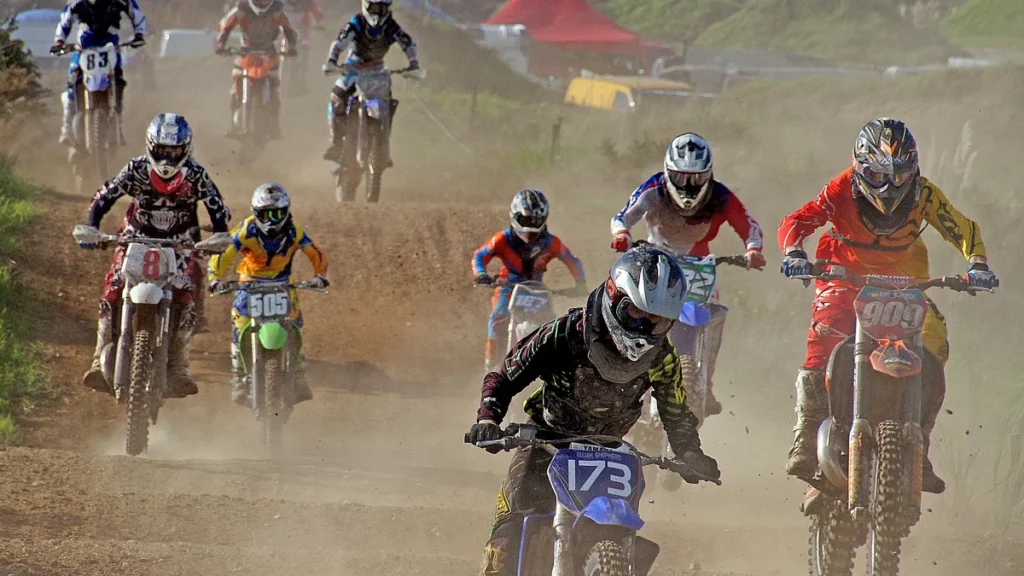
Trail bikes are usually the cheapest to own. They are built for reliability, sip fuel, and tolerate the odd drop without expensive damage. Motocross bikes are faster and lighter, but they need more frequent servicing and pricier parts. If you mostly ride woodland trails and fire roads, a trail bike will save you money every month.
Time Your Purchase Well
Dirt bikes follow seasons, and timing matters. Dealers are keenest to deal at the end of the riding season, when they want to clear floor space, and again when the next model year arrives. A bike that has sat in the showroom for months costs the dealer money, which gives you room to negotiate.
Watch for manufacturer promotions as well. Cash rebates, low-interest finance, and free accessory bundles appear regularly, especially in autumn and winter, and they can be worth more than a hard-fought discount on the bike itself. The same steady habits help with running costs, as our guide to saving money on gas shows.
Consider Last Year’s Model or a Demo Bike
New model years rarely change a dirt bike in ways that matter to most riders. A leftover bike from last year is still brand new, with a full warranty, but dealers will often discount it sharply to make room for new stock. The savings can run to hundreds, and you will barely notice the difference on the trail.
Demonstrator bikes are another smart option. These low-hour machines were used for test rides, are usually serviced by the dealer, and sell with a warranty at a clear discount. Inspect one carefully and ask for its service history, but do not dismiss the idea. A well-kept demo can be the best value in the shop. The same logic applies to other big purchases, as our guide to saving money on a new bike explains.
Negotiate the Out-the-Door Price
Never accept the first number a dealer gives you. Get written out-the-door quotes from at least three dealers, including ones a little further away, and let each one know you are comparing prices. A quote from a rival shop is your strongest negotiating tool.
Focus on the total, not the monthly payment. A low monthly figure can hide a long loan term and a high total cost. Also ask what is included: a first service, a spare filter, or a discount on gear can be worth real money.
Save Money on Gear Without Cutting Corners
Protective gear is not the place to buy the cheapest option available, but it is a place to shop smartly. Helmets, boots, and body armour go on sale regularly, and last season’s colours often sell at half price with exactly the same safety rating. Buy your helmet new and correctly fitted, and look for certified protection rather than a famous logo.
For other items, consider quality used gear from riders who gave up the sport or outgrew their kit. Gloves, jerseys, and trousers wear well, and a careful wash makes them as good as new.
Keep Maintenance Costs Down
Regular maintenance is the cheapest insurance a dirt bike owner can buy. Clean the air filter after dusty rides, change the oil on schedule, and keep the chain adjusted and lubricated. These small jobs take minutes and prevent repairs that cost many times more.
Buy consumables in bulk where it makes sense. Oil, filters, and spark plugs are cheaper per unit in multi-packs, and they keep well on the shelf. After a muddy day on the trails, a pressure washer makes cleaning quick, and our guide to saving money on a new pressure washer can help you pick one without overspending.
Store and Haul It Cheaply
Storage and transport are easy costs to overlook. A dirt bike left outside rusts, fades, and attracts thieves, so a dry garage, shed, or even a good cover in a shared space is worth arranging. If you rent storage, look for a spot shared with other riders rather than paying for a unit alone.
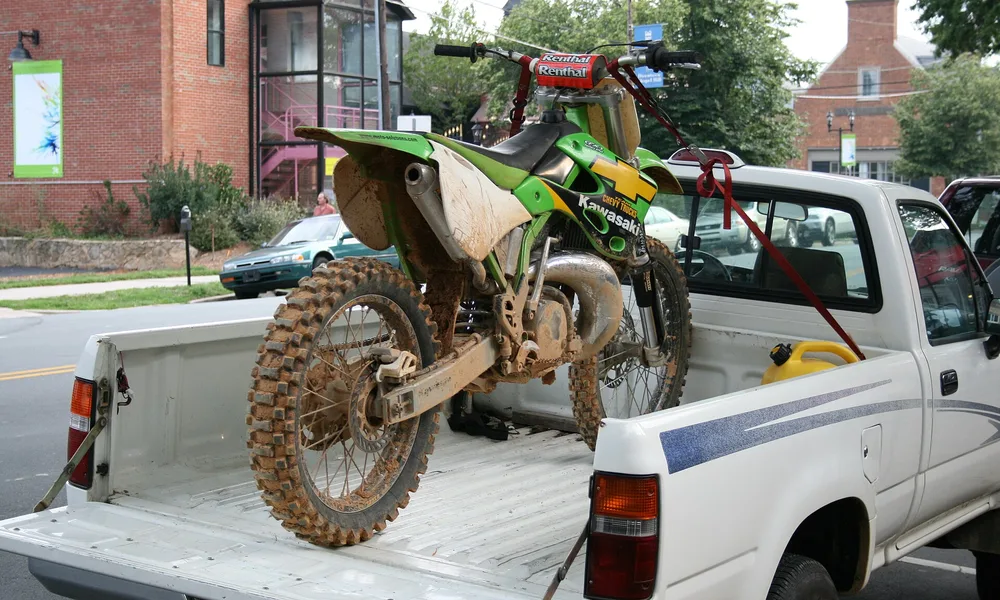
For transport, a simple hitch carrier or a second-hand trailer often costs less than a few months of delivery or hire fees, and you can resell it later for most of what you paid.
Avoid the Mistakes That Wipe Out Your Savings
A few common mistakes can erase all the money you saved on the purchase. Buying a bike you cannot afford to maintain is the biggest one. A cheap purchase price means nothing if every service bill hurts. Financing over a long term is another trap, since interest can add a large share to the total price.
Finally, resist the urge to modify the bike straight away. Exhausts, graphics, and suspension upgrades are tempting, but they rarely add value when you sell, and they can void parts of your warranty.
The Bottom Line
Saving money on a new dirt bike comes down to patience and preparation. Add up the true cost before you shop, choose a bike that suits your riding, time your purchase for the quiet season, and negotiate on the total price rather than the monthly payment. Buy gear wisely, learn basic maintenance, and share transport costs with friends.

Keep what speaks to you.
Leave room for your own perspective.