A locksmith gets paid for solving a problem people cannot put off. Someone is locked out of their home, a new tenant needs the locks changed today, or a shop cannot open because the shutter lock has failed. That urgency is what makes the trade a reliable way to earn, but customers expect skill, speed, and trust from the first call. This guide covers how to get started: learning the craft, sorting out the paperwork, buying the right tools, setting prices, and finding first clients.
1. Learn How Locks Actually Work
Before you charge anyone, you need to understand what happens inside a lock. A short training course is the fastest way to get there. Look for one that covers lock picking, lock fitting, rekeying, and key cutting, with plenty of supervised practice on real locks rather than classroom theory alone. A course lasting a few days can teach the core skills, but expect to keep practising for months afterwards.
An apprenticeship or a job with an established locksmith is often a better start than a course alone. Working alongside someone experienced shows you real jobs: the lock that will not turn, the door that has dropped on its hinges, the customer who is stressed and in a hurry. If you already have a practical skill from another trade, the same approach applies: learn the craft properly first, then think about charging for it, as explained in our guide on how to earn money with a skill you already have.
Buy a few practice locks and a basic pick set and work through them at home. Cutaway locks, with a clear side so you can watch the pins move, are especially useful while you are learning. Practise rekeying a cylinder until you can do it without thinking, and practise fitting a new lock until the result looks neat. Speed comes later; accuracy comes first, because a locksmith who damages a door will not get a second call.
2. Check Licences, Background Checks, and Insurance
Locksmithing is a trusted trade, so the rules are stricter than for many other kinds of work, and they vary a lot from place to place. Some areas require a locksmith licence, some require registration with a local authority, and some require nothing formal at all. Before you take any paying work, check the rules where you live and follow them exactly. Your local government or licensing authority website will tell you what applies. Commercial clients may also ask for a background check before letting you on their premises, so having a clean, recent one ready is a real advantage when you are new.
Insurance is not optional. Public liability insurance protects you if you damage a door, a frame, or a customer’s property, and it protects the customer too. Most serious clients will ask whether you are insured before they book you, so keep your policy details handy. If you drive to jobs, check that your vehicle insurance covers business use, since a standard personal policy often does not.
3. Build Your First Tool Kit
You do not need a van full of equipment to take your first jobs. A sensible starter kit covers the work most beginners are asked to do: opening locked doors without damage, changing cylinders, rekeying, and cutting spare keys. That means a pick set, tension tools, a plug spinner, a pinning kit, screwdrivers, a drill with lock-specific bits, and a small stock of common cylinders, padlocks, and key blanks.
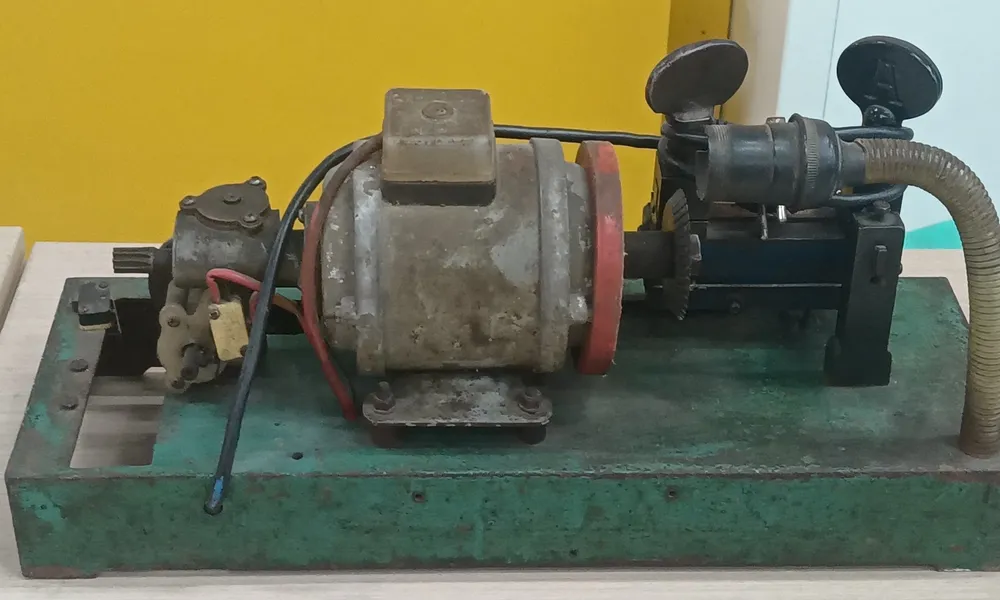
Buy tools gradually, in step with the jobs you actually get. A key cutting machine is the biggest early purchase, so wait until you have enough key cutting work to justify it. The same applies to specialist equipment for car keys and safes: each needs its own training as well as its own tools, so treat them as later steps.
4. Set Your Prices and Keep the Books
Good pricing starts with knowing your costs. Work out what each job costs you in parts, fuel, and time, and add a margin for the skill itself. Most locksmiths charge in two parts: a call-out fee that covers travel and the visit, and a labour charge for the work, with parts charged on top at a price you can state before you start. Customers accept a clear price far more easily than a vague one, so give a firm quote on the phone whenever you can.
Emergency work at night and on weekends usually costs more, and customers expect that, because you are giving up your evening to solve their problem right now. If a job turns out to be harder than expected, explain the extra cost before you do the extra work, not after. Surprises on the final bill are the fastest way to lose a customer.
Keep records from the very first job: every invoice, every expense, and every mile driven. A simple spreadsheet is enough to start with, and it makes tax time far easier. Set aside a portion of everything you earn for tax, and keep business money separate from personal money if you can.
5. Find Your First Clients
The first clients are the hardest to win, because nobody has reviewed you yet. Start by making yourself easy to find. Set up a business profile on the main search and maps services, with your phone number, the areas you cover, and the services you offer. Add photos of real work, and ask every happy customer to leave a review.
Then go and meet the people who need locksmiths regularly. Letting agents, landlords, and property managers are the best early contacts, because they need lock changes every time a tenant moves out. Introduce yourself in person, leave a card, and offer a fast turnaround. One regular business customer can be worth dozens of one-off call-outs, because they come back every time something changes.
Be easy to reach. Most emergency customers call the first locksmith who answers, so answer quickly, sound calm, and give a clear price and arrival time. If you miss a call, ring back within minutes. Starting in the evenings and at weekends is a realistic way to build up work while keeping a day job, and our guide on how to make extra money on weekends covers that pattern in more detail.
6. Grow From Side Work to Full Time
Do not rush to give up a steady income. Build locksmithing up until the work is regular enough to support you. Watch for the signs: repeat customers, a steady flow of calls each week, and jobs booked in advance rather than only emergencies. When those are in place, full-time work becomes a much smaller risk.
As you grow, invest in the skills that pay more. Smart lock installation, car key programming, and safe work all need extra training and equipment, and all of them command higher prices than basic lock changes. Pick one, learn it properly, and add it to the services you offer.
Finally, protect your reputation like it is your best tool, because it is. Turn up when you said you would, do a clean job, charge the price you quoted, and explain what you did in plain language. That is what turns a one-off lockout into a customer who calls you for every lock and key question they ever have. Learn the craft, sort out the paperwork, price fairly, and be easy to find, and the work keeps coming. For a closer look at the jobs themselves, see our companion guide on the best ways to make money as a locksmith.

Keep what speaks to you.
Leave room for your own perspective.