A locksmith earns money every time someone is locked out, moves into a new home, or wants a better lock. It is skilled, hands-on work, and it pays well because people need it urgently. A single emergency call can pay more than a full day in many other trades.
Locksmithing is also flexible: work for a company, run a mobile van, or build a one-person business around evenings and weekends. The nine ways below are ranked by how reliably they pay.
1. Emergency Lockout Calls
Emergency lockouts are the highest-paying regular work in locksmithing. Someone is locked out of their home, car, or office and needs help now, not tomorrow. That urgency is why call-out fees exist, and why locksmiths who answer the phone at night and on weekends earn far more.
A typical lockout takes ten to thirty minutes once you arrive. The customer pays for speed, availability, and trust, so many locksmiths charge a call-out fee plus the opening fee, with higher rates at night and on weekends.
2. Lock Changes for New Homeowners and Landlords
Every time a home changes hands, the locks should change too. New homeowners, landlords between tenants, and property managers are steady, repeat customers who book lock changes in bulk. One landlord with twenty properties can be worth more than a hundred one-off lockouts.
This work is calmer: scheduled in advance, in daylight, often several locks at one address. Property managers are the customers to chase. Introduce yourself to local letting agents and landlords and offer a fast turnaround, and a landlord who trusts you will call every time a tenant moves out.
3. Installing High-Security Locks and Smart Locks
Basic lock fitting pays modestly. High-security and smart lock installation pays far better, because the customer is buying peace of mind, not just a piece of metal. Anti-snap cylinders, deadbolts, and keyless smart locks all carry higher margins on hardware and labour.
Smart locks are a growing market. Homeowners want keypad entry, fingerprint locks, and locks they can control from a phone, and most will not fit one themselves. A locksmith who understands both can charge for installation, setup, and a short tutorial.
4. Rekeying Locks
Rekeying is one of the best-paid jobs per minute in the trade. Instead of replacing the whole lock, you change the pins inside so the old keys stop working. It takes minutes, uses cheap parts, and gives the customer exactly what they wanted.
Rekeying is common after breakups, lost keys, staff changes, and tenant moves, and it is the natural add-on to almost every other visit. Because the parts cost so little, rekeying is mostly profit.
5. Safe Sales, Installation, and Opening
Safes are a specialist niche, and specialists charge specialist prices. Homeowners buy them for documents and valuables, small businesses need them for cash, and both need someone to install them, bolt them down, and open them when the combination is forgotten.
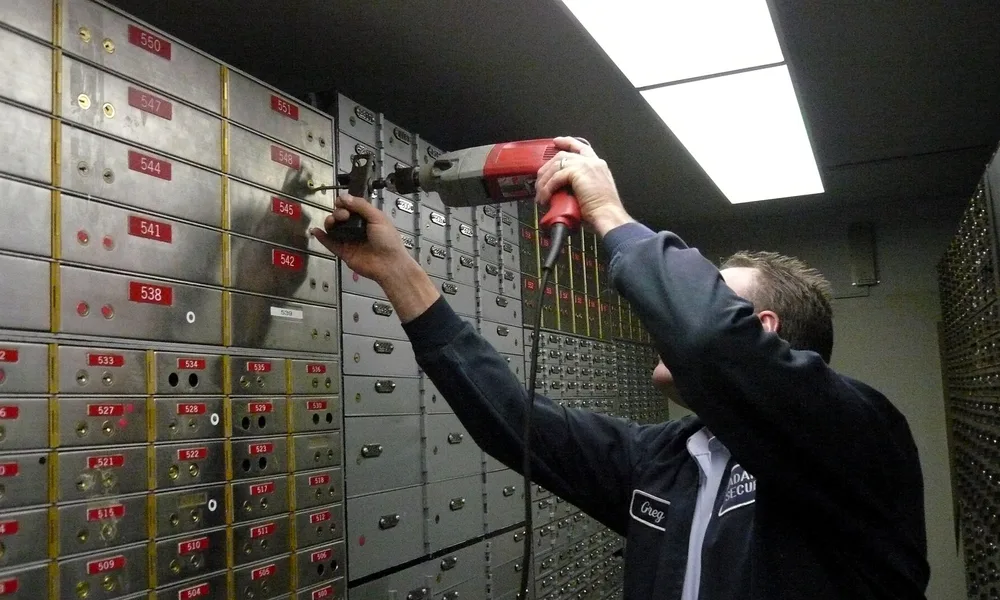
Safe opening is the most lucrative part. A customer who cannot open their safe is stuck, and the job takes real skill and the right tools. It is not beginner work, but once you can open and install safes confidently, few local competitors offer the service, and you can charge accordingly.
6. Car Key Cutting and Programming
Modern car keys are electronic, and that is good news for locksmiths. A dealership replacement is expensive and slow, so drivers search for a mobile locksmith who can do it faster and cheaper. A single car key job can pay several times what a house lockout pays.
The work needs investment: a key cutting machine, programming tools, and blanks for common models. That equipment costs real money, but it pays for itself quickly with steady demand. Start with the most common car makes in your area and expand as the jobs come in.
7. Commercial Work for Shops and Offices
Businesses are better customers than homeowners. They have more doors, more keys, more staff changes, and a budget for security. A single office fit-out can mean dozens of locks, master key systems, and access control, all billed to one invoice.
Master key systems are the work to aim for: one key that opens everything for the manager, and staff keys that open only their areas. Commercial customers pay on time and reorder, so three or four regular business customers give you a base income that smooths out the quiet weeks.
8. Security Surveys and Advice
Not every locksmith job involves turning a key. Many homeowners and small businesses will pay for an honest security survey: a walk around the property, a list of weak points, and a clear quote for fixing them. The survey can be a paid service, and it naturally leads to installation work.
This is a good way to earn from knowledge rather than labour. A survey takes an hour, needs no parts, and positions you as the expert the customer calls first. Keep the report simple: a one-page list of what is fine, what needs attention, and what it would cost to fix.
9. Selling Locks, Keys, and Accessories
Every job is a chance to sell the right product. A customer who has just been locked out is often happy to buy a spare key, a key safe, or a better lock while you are there. The markup is healthy, and the sale costs you no extra travel.
Keep a small range in the van: quality padlocks, key safes, door chains, and window locks. Offer them naturally, as part of the job. A spare key cut on the spot is a genuine convenience, and customers remember the locksmith who saved them a second visit.
What It Costs to Start
Starting as a locksmith is cheaper than starting most trades, but it is not free. Training, a basic tool kit, and insurance are the essentials. A course teaches picking, fitting, and rekeying, and it usually costs less than a month of full-time earnings once you are working. Tools can be bought gradually as the jobs demand them.
A van is the biggest cost, but many locksmiths start with a car and a well-organised tool bag. The vehicle matters less than reliability: customers care that you arrive when you said you would. Insurance is non-negotiable, and you should also check what licences or background checks your area requires before taking paying work.
How to Get Your First Paying Jobs
The fastest way to start earning is to be easy to find and easy to trust. Set up a Google Business Profile, collect reviews from your first customers, and answer the phone. Most locksmith work comes from local search, and a profile with real reviews beats a polished website with none. If you already have a practical skill, the same pattern applies: start with the people who need the service regularly. For a wider look, see how to earn money with a skill you already have.
Word of mouth does the rest. A neighbour who watched you open a door quickly and cleanly will recommend you to the whole street. Leave a card, be tidy, and explain what you did in plain language. Weekends are the best time to build the business while keeping a day job, since emergency calls peak on evenings and weekends. For more ideas in that vein, see how to make extra money on weekends, and for a broader survey of work that pays, side hustles that actually pay is a useful comparison.
Locksmithing rewards reliability more than speed and honesty more than clever marketing. Turn up, do a clean job, charge a fair price, and the work keeps coming. The locks change and the tools improve, but the core stays the same: someone needs in, and you are the person who can help.

Keep what speaks to you.
Leave room for your own perspective.