Every town has people who want to dance — children taking their first ballet class, couples learning for a wedding, adults who want a fun way to get fit. And every one of them needs a teacher. A dance instructor turns a skill most people learn for fun into a steady income, teaching in studios, schools, and village halls, with evenings and weekends doing the heavy lifting.
This guide explains how to make money as a dance instructor: what the work actually is, who hires one, what to charge, and how to fill your classes without a big studio of your own.
What a dance instructor actually does
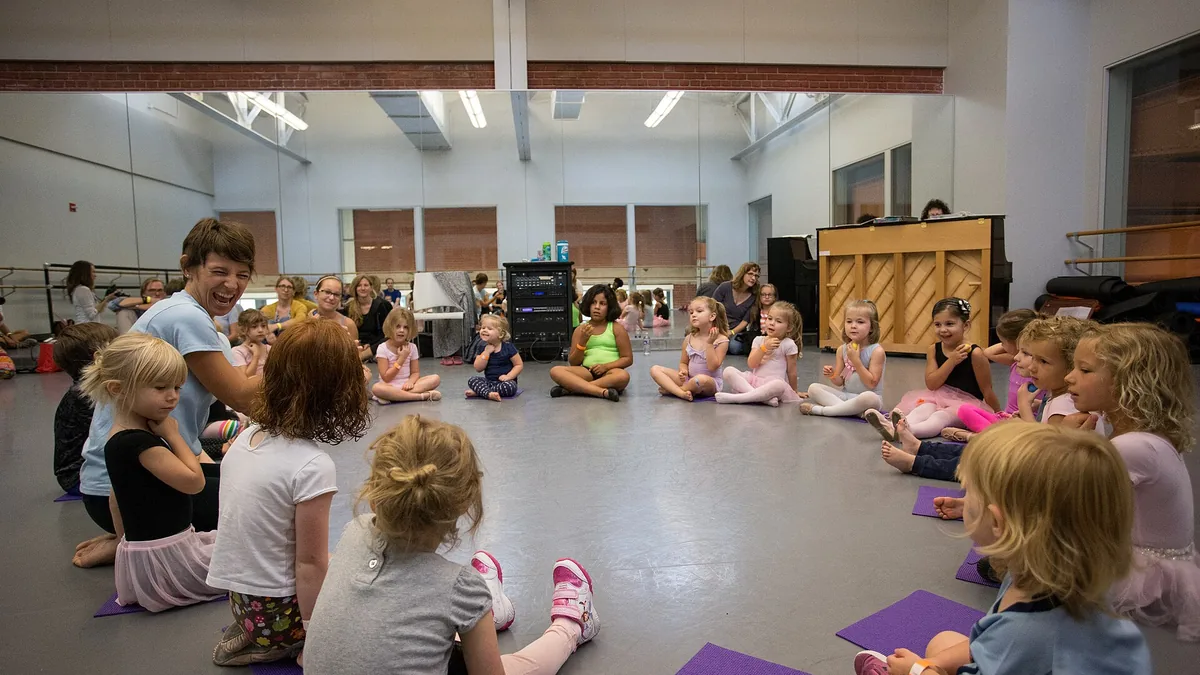
A dance instructor teaches people to move to music. For children, that means ballet, tap, and modern dance in weekly classes, with exams and shows through the year. For adults, it means salsa, ballroom, and street dance in evening classes, plus wedding first-dance lessons for couples who want to look good on the day. For everyone, it means patience: breaking a step down until a complete beginner can do it, and then building it back up into something that looks like dancing. Most instructors teach in hired halls and studios, in hour-long classes, and the best ones make every student feel like a dancer from the first lesson.
Who hires a dance instructor
The students come from three directions. Parents are the biggest group — they book their children into weekly classes and pay termly, which is the steadiest income a dance teacher gets. Adults are the second: evening classes for fun and fitness, where the students pay per class and come for the social side as much as the steps. Wedding couples are the third and the best-paid: a couple preparing a first dance will pay $200 to $400 for four or five private lessons, and they book months ahead. The guide to making money by teaching music lessons covers the nearest neighbour to this work — and many dance teachers find their first students the same way music teachers do, through a school noticeboard and a parent’s recommendation.
What training you need
You do not need a degree, but you do need to dance well and teach clearly. The respected route is a teaching qualification from a dance body — the ISTD, RAD, or IDTA for ballet and ballroom, or a recognised street-dance qualification — plus a first-aid certificate and a background check for working with children. Students do not ask for a certificate first — they ask to see you dance, and then they ask whether you can explain what you just did. A short video of you teaching one step, posted online, answers both questions before the first class. If your own dancing is rusty, take classes yourself first: a teacher who is still learning is a teacher students trust.
What to charge
Most dance instructors charge $15 to $25 a head for a group class, with ten to twenty students in the room — $150 to $500 a class, before hall hire. Private lessons pay $40 to $80 an hour, and wedding first-dance packages run $200 to $400 for a set of lessons. The smart move is termly booking: parents pay for ten weeks upfront, which keeps the income steady and the classes full. Start at the lower end while you build a reputation, and raise your rates after your first full term. The guide to making money as a martial arts instructor makes the same point about pricing: the fee should reflect the change in the student’s life, not the hour on the clock.
How to find students
Schools are the best source of students. A school that trusts you will send you the children who want to dance, and one good relationship with a headteacher can fill a class for a whole year. Introduce yourself to the schools and nurseries in your town, and offer a free taster class — one hour that turns curious children into regular students. For adults, short videos work best: a thirty-second clip of a simple step, posted three times a week, brings in people who found you at midnight and booked by morning. Answer every enquiry the same day, because a parent who has decided their child will dance does not wait.
Keeping students for years
The money in dance teaching is not in the first class — it is in the child who stays for five years, from first ballet to first exam. Keep them by giving them a path: the grades to work towards, the show at the end of term, and the moment they dance in front of their parents. Record a short clip at the start of every term so families can see the progress, and celebrate it with them. Students leave when they stop feeling the difference; a teacher who shows them the difference keeps them. A full timetable of long-term students is worth more than a full timetable of first lessons, and it is a much calmer way to earn.
The bottom line
Dance teaching pays because every town has people who want to dance, and the teacher is the one who makes it happen. Start with a teaching qualification, price in termly bookings, build one good relationship with a local school, and keep your students by showing them their own progress. The guide to making money as a voice coach says the same thing in a different key: the skill is the business, and the students are already looking for you. Your dancing is the product — teach it well, and it will pay for years.
Frequently asked questions
Do I need to be a professional dancer to teach?
No — but you do need to dance well and teach clearly. Most dance instructors were good amateur dancers who trained as teachers, not stage professionals. A teaching qualification and a clear, patient manner matter more than a career on stage.
How much can a dance instructor earn?
A part-time instructor with three or four classes a week can earn $1,500 to $3,000 a month. A full-time instructor with a full timetable, private lessons, and wedding couples can earn $4,000 to $6,000 a month, mostly from termly bookings paid in advance.
Can I teach dance without my own studio?
Yes — most instructors hire halls, school gyms, and church halls by the hour, and the hire cost comes out of the class fees. Your own studio is a later step, once the classes are full and the income is steady.
What is the best age group to teach?
Children pay the steadiest — parents book termly and rarely cancel — while adults pay the most per class and wedding couples pay the most per hour. Most instructors teach a mix: children in the afternoon, adults in the evening, and wedding couples on weekends.

Keep what speaks to you.
Leave room for your own perspective.