A car is one of the most expensive things most people own, and keeping it running can quietly drain hundreds or even thousands of dollars a year. The good news is that a large share of that spending is avoidable. With a little attention and a few smart habits, you can keep repair bills low, stretch the life of your car, and still drive with confidence. Here are ten practical ways to save money on car maintenance.
1. Follow the Service Schedule in Your Owner’s Manual
Your owner’s manual is the cheapest maintenance advice you will ever get. It tells you exactly when to change the oil, replace filters, rotate tyres, and check fluids, based on how your car was designed. Following it prevents small problems from growing into expensive repairs, and it protects your warranty too.
Many drivers either service their car too often, wasting money on work it does not need, or wait far too long and pay for the damage later. The manual gives you the middle path. Keep a simple record of each service date and mileage so nothing gets missed.
2. Check Your Oil and Fluids Regularly
Engine oil, coolant, brake fluid, and transmission fluid all have one job: protecting expensive parts from wear and heat. Running low on any of them can turn a five-minute top-up into a repair bill worth thousands. Checking your fluids once a month takes less time than filling up with fuel.
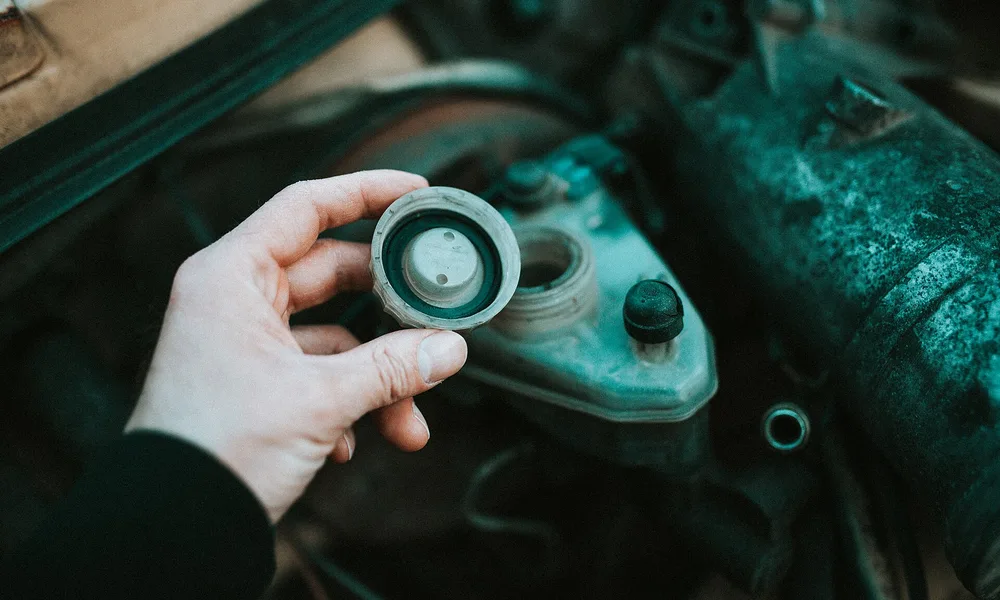
Learn where the dipstick and reservoir caps are, and check the levels when the engine is cool. If a fluid looks dark, gritty, or smells burnt, it is time for a change. Catching these signs early is one of the simplest ways to avoid a major breakdown.
3. Keep Your Tyres at the Right Pressure
Under-inflated tyres wear out faster, use more fuel, and make your car less safe to drive. Over-inflated tyres wear unevenly and give a harsher ride. Either way, you pay for it. Checking tyre pressure once a month with a cheap gauge, and keeping it at the level printed on the driver’s door frame, can add thousands of miles to a set of tyres.
While you are there, look for uneven wear, cracks, or bulges. A tyre wearing more on one side often means the wheels need aligning, and fixing that early saves both tyres and fuel.
4. Learn the Easy Jobs Yourself
You do not need to be a mechanic to handle the simple tasks. Changing the engine air filter, replacing wiper blades, topping up washer fluid, and changing a cabin filter are jobs most people can learn in an afternoon with a short video and basic tools. Each one can save you the labour charge a garage would add.
Start with one job and build confidence from there. Buy a basic toolkit and keep it in the car. The money you save on small jobs adds up quickly, and you will also spot problems sooner because you are looking under the bonnet more often.
5. Shop Around Before You Book a Repair
Repair prices for the same job can vary widely between garages. A main dealer, an independent garage, and a chain workshop may quote very different prices for identical work. Getting two or three quotes before you commit is one of the fastest ways to save money, especially on bigger jobs like brakes, suspension, or a timing belt.
Ask each garage to break the quote into parts and labour so you can compare fairly. A slightly higher labour rate can still be cheaper overall if the garage works faster or uses fairly priced parts. Never accept the first quote on a repair that costs more than a few hundred dollars.
6. Buy Quality Parts, Not the Cheapest Ones
It is tempting to pick the cheapest part on the shelf, but bargain parts often wear out faster and can damage other components. A cheap brake pad that wears out in half the time costs more in the long run than a mid-range one that lasts. The same applies to filters, batteries, and belts.
You do not need the most expensive branded part either. Look for reputable aftermarket brands with solid reviews, and ask your mechanic which parts they trust. Spending a little more on the right part usually means replacing it less often.
7. Fix Small Problems Before They Grow
That faint squeak, the small oil spot on the driveway, or the warning light that comes and goes are all early warnings. Ignoring them rarely makes them cheaper. A worn brake pad caught early costs a fraction of a scored brake disc, and a small coolant leak fixed now is far cheaper than an overheated engine later.
Make a habit of listening to your car and acting on the first sign of trouble. If a warning light stays on, get it checked promptly rather than hoping it goes away. Early repairs are almost always the cheapest repairs.
8. Drive Gently and Plan Your Trips
How you drive has a direct effect on how much maintenance your car needs. Hard acceleration, heavy braking, and fast cornering wear out brakes, tyres, and suspension much sooner. Smooth, steady driving can extend the life of all of them by a wide margin.
Planning your trips helps too. Combining errands into one journey means fewer cold starts, which are hard on the engine and use more fuel. If you are looking for broader ways to cut your transport costs, the savings from gentler driving pair well with other everyday changes.
9. Keep a Maintenance Fund, Not a Surprise Bill
Even a well-kept car will need repairs eventually, and an unexpected bill is far more painful when there is no money set aside for it. Putting a small amount aside each month, even fifty dollars, builds a cushion that turns a sudden repair into a manageable expense instead of a debt.
This habit works best alongside tracking every dollar you spend, because it shows you exactly where the money for car care is coming from. When you can see your spending clearly, it is easier to keep the maintenance fund topped up without feeling squeezed.
10. Choose the Right Garage and Stay Loyal
A good independent garage that knows your car and your history is worth more than a cheap one-off deal. A mechanic who has serviced your car before can spot changes quickly, warn you about parts that are wearing out, and give honest advice about what can wait and what cannot.
Build the relationship by going back to the same place for routine work, and ask questions about what they find. A trustworthy garage will explain the work, show you the old parts, and never pressure you into repairs you do not need. That trust saves money year after year.
Start With the Small Habits
Saving money on car maintenance is not about cutting corners or skipping services. It is about paying attention, acting early, and making steady choices that keep your car healthy for longer. Start with the free habits, checking fluids and tyre pressure, then add one or two of the bigger changes, such as learning a simple job yourself or setting aside a maintenance fund.
Over a year, these ten habits can easily save you hundreds of dollars, and over the life of a car, the savings run into the thousands. Like saving money on rent, the real win is not one big cut but a set of small, repeatable habits that protect your budget month after month.

Keep what speaks to you.
Leave room for your own perspective.


