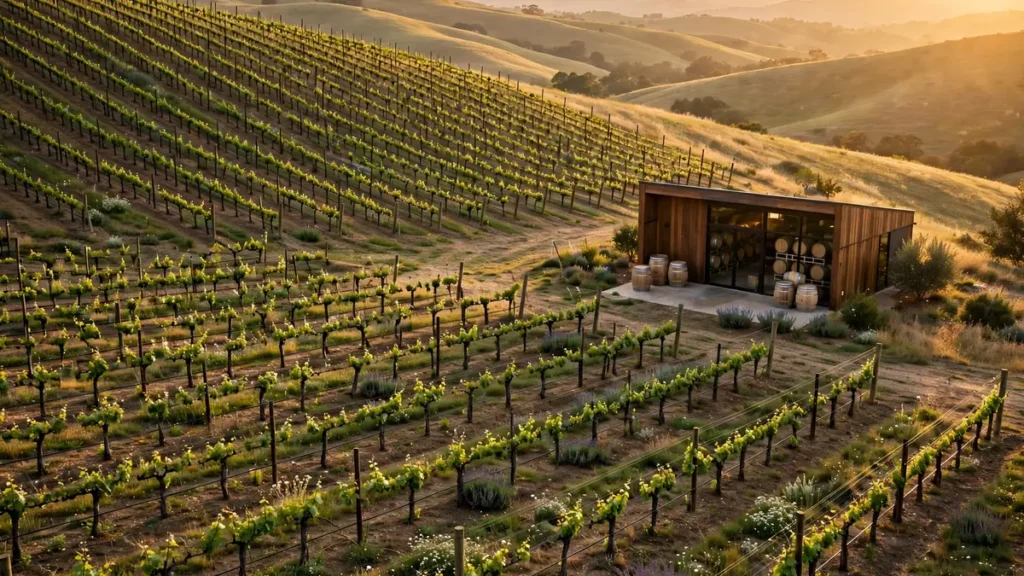
Starting a winery in 2026 is one of the most romantic business ideas in the world, and one of the hardest to get right. The dream is easy to picture: rows of vines on a sunny slope, a small tasting room full of happy visitors, and your own label on a bottle that people ask for by name. The reality is a long list of decisions that must be made in the right order, from choosing the land and the grape varieties to securing licences, funding the first vintage, and finding customers before the wine is even ready to sell. The best AI tools for winery startups exist to make that long list manageable, and in 2026 they have become practical enough for a first-time founder with a small team and a tight budget.
A new winery faces a problem that established producers do not. There is no harvest history to learn from, no customer list to sell to, and no tasting room reputation to build on. Every forecast is a guess, every hire is a gamble, and every dollar spent on the wrong thing is a dollar that cannot be spent on vines, barrels, or bottles. AI helps because it turns the scattered information a founder already has, from soil reports and weather records to local wine prices and tourism data, into clear recommendations. It will not plant the vines or pour the wine, but it can tell a founder which block to plant first, when the money is likely to run short, and which customers are most likely to join a wine club that does not exist yet.
This guide is written for people at the very beginning of the journey: founders who own land or are about to buy it, partners planning their first vintage, and small teams opening their first tasting room. It compares the strongest AI tools for winery startups in 2026, explains what each one does at each stage of the launch, and shows how to build a small, affordable stack that grows with the business. Whether the plan is a boutique estate of a few acres or a larger venture with outside investors, the tools below offer a realistic starting point, with honest notes about costs, learning curves, and limits.
Key takeaways
- AI tools for winery startups cover the whole launch, from business planning and site selection to the first vintage, the tasting room opening, and the first wine club members.
- Planning and site tools usually deliver the fastest return, because a wrong decision about land, varieties, or cash flow is far more expensive to fix later than any software subscription.
- Licensing and compliance tools save new founders months of confusion, since wine rules vary by region and a missed permit can delay an opening by a whole season.
- The best results come from starting with one clear problem, such as the business plan or the first vintage, rather than buying a large platform before the first vine is planted.
- AI supports the founder and the winemaker, but it does not replace the palate, the hospitality, or the story that makes a new winery worth visiting.

Why Winery Startups Need AI From Day One
A winery startup is not like most other startups. The product takes years to mature, the regulations are among the strictest of any food or drink business, and the customer experience depends on land, weather, and hospitality all at once. A software startup can launch in weeks and change its product overnight. A winery founder who plants the wrong variety on the wrong slope may not discover the mistake for three or four years, when the first proper harvest arrives. That long feedback loop is exactly why AI earns its place early: it compresses years of trial and error into models, forecasts, and simulations a founder can use before committing serious money.
Money is the second reason. Most winery startups are funded by a mix of savings, loans, and outside investors, and the cash flow is brutal, with heavy spending on land, vines, and equipment for years before meaningful revenue arrives. AI planning tools can model that cash flow month by month, showing when the money runs low and which spending can safely wait. A founder who can show an investor a realistic, data-backed forecast is far more likely to raise the next round than one working from a spreadsheet of hopeful guesses. The best AI tools for wineries show what established producers use once they are running, but a startup needs tools that answer a different question: how to get from an idea to a first sale without running out of money on the way.
What AI Can Do Across the Winery Startup Journey
Before choosing a tool, it helps to understand the jobs AI does well at each stage of a winery launch. In practice the work falls into four useful groups, and most startups will only need one tool from each group in the first two years. The groups follow the order a founder actually works through them: planning and money first, then land and vines, then the cellar, and finally guests and sales.
Planning, Money, and the Business Case
The first job of AI in a winery startup is to test whether the idea works on paper. Business planning tools build a financial model from the founder’s own numbers, including land cost, planting cost per acre, equipment, labour, and expected yield per vine, and then run hundreds of scenarios showing what happens if the harvest is small, if a frost hits in year two, or if direct sales grow slowly. AI also helps with the market side, analysing wine prices, tourism patterns, and competitor tasting rooms in a region to suggest where a new label should sit on price and style. Fundraising tools can draft pitch materials and model different investment structures, so the founder walks into investor meetings with a plan that has already been tested against the numbers.
Site Selection, Planting, and the First Vines
Choosing land and varieties is the most consequential decision a winery founder makes, and AI has become genuinely useful here. Site analysis tools combine soil maps, slope and aspect data, frost records, rainfall history, and climate projections to score a parcel of land for each grape variety, showing which blocks suit which varieties, where frost is likely to settle, and how the site should perform as the climate warms. Once the site is chosen, AI helps with row orientation, vine spacing, and irrigation layout, and drone or satellite imagery tracks the young vines as they establish, flagging weak plants, water stress, or disease pressure long before a person walking the rows would notice.
The First Vintage and the Small Cellar
The first vintage is the moment a winery startup becomes a real wine business, and it is also when small mistakes are most expensive, because there is no spare tank, no spare barrel, and no experienced cellar team to catch errors. AI cellar tools built for small producers track fermentation temperature and progress, alert the winemaker to a fermentation that stalls, and keep a live picture of every tank and barrel. They also help with the practical side of a first vintage, from sequencing picking and crushing so the small cellar is never overwhelmed to keeping the records regulators and future buyers will ask for, from vineyard treatments to bottling dates, in one place rather than scattered across notebooks.
Guests, Direct Sales, and the First Wine Club
A new winery earns most of its early revenue from visitors and direct sales, not from distributors, so the tasting room, the online shop, and the wine club are the business. Booking and guest tools prepare the team for who is arriving and which wines are most likely to appeal to them, so a first visit feels personal rather than generic. Wine clubs deserve special attention because they are the financial backbone a startup needs most: AI tools model which visitors are most likely to join, which offer will convert them, and which members are at risk of cancelling after the first shipment, so a new winery can tailor allocations and offers from the very first shipment instead of sending the same box to everyone.
The Best AI Tools for Winery Startups in 2026
The tools below were chosen for their fit with a new winery rather than an established one. Each one solves a problem that appears during the launch, from the business plan to the first wine club shipment, and each one is usable by a small team without a data science background. No single tool does everything, so the best approach is usually a small stack: one planning tool, one vineyard tool, one cellar tool, and one sales tool, added in that order as the launch progresses.
1. VinePlan AI for Business Plans and Cash Flow
VinePlan AI is a business planning platform built specifically for wine ventures, and it is the natural first purchase for a winery founder. The founder enters the real numbers, including land and planting costs, equipment, expected yields, and tasting room assumptions, and the software builds a full financial model with monthly cash flow, break-even timing, and sensitivity analysis. It understands that revenue arrives years after planting, that tasting room sales and wine club income behave differently from wholesale, and that a new label needs a marketing budget long before it has wine to sell. Pricing is a flat monthly subscription with a one-time setup review, and most founders report that a single avoided mistake, such as over-ordering barrels before the first harvest, covers the cost for a year.
2. TerroirScout for Site and Variety Selection
TerroirScout combines soil maps, slope and aspect data, frost records, rainfall history, and climate projections to score a parcel of land for each grape variety a founder is considering. The result is a colour-coded map showing which blocks suit which varieties, where frost is likely to settle, and how the site is expected to perform as temperatures change over the coming decades. The tool also helps after the purchase, with a planting plan covering row orientation, vine spacing, and irrigation layout for each block. TerroirScout is priced per acre with a free trial on a single block, which makes it affordable for a small first planting, and it can save a founder from a decision that would otherwise take years to undo.
3. PermitPath AI for Licences, Permits, and Compliance
Wine is one of the most regulated products a founder can launch, and PermitPath AI exists to keep the paperwork from derailing the opening. The tool builds a checklist of every licence, permit, and filing a winery needs in its region, from alcohol licences to local planning permission, food handling, and labelling approvals, and it tracks each application, its deadline, and its status. Its labelling checker flags problems such as a missing alcohol statement or an incorrect appellation before labels are printed, which matters because a labelling error discovered after printing thousands of labels is an expensive lesson. PermitPath AI is a modest monthly subscription that works best when the founder starts using it months before the planned opening, not weeks.
4. VintageFund AI for Fundraising and Investor Materials
Most winery startups need outside money, and VintageFund AI helps founders raise it. The tool drafts and refines pitch decks, executive summaries, and investor updates in the language wine investors expect, using the financial model from the founder’s planning tool as its source of truth. It can model different investment structures, such as equity, convertible notes, or revenue sharing, and show how each one affects the founder’s ownership and the investor’s return over a ten-year horizon. It also maintains a database of investors who have backed wine, agriculture, and hospitality ventures, and suggests the most relevant ones for the founder’s stage, region, and funding target. Pricing is a monthly subscription with a success-based option for larger raises.
5. VineMark AI for Brand, Naming, and Label Design
A new winery needs a name, a story, and a label before it has a single bottle to sell, and VineMark AI helps a founder create all three. The tool generates naming options based on the region, the family story, and the style of wine, then checks them against trademark and domain databases so the founder does not fall in love with a name they cannot legally use. It then drafts label concepts in different styles, from classic and elegant to modern and minimal, and tests them with panels of wine buyers to see which ones people remember and would pick up from a shelf. The best AI tools for craft breweries include similar branding help for beer, but wine labels carry stricter rules and different buyer expectations, and VineMark AI is built around those. Pricing is project-based for a full brand package, with a lower monthly option for ongoing design work.
6. FirstCrush Cellar AI for the First Vintage
FirstCrush Cellar AI is a cellar management tool designed for small producers making their first vintages. Sensors in tanks monitor temperature and fermentation progress, and the software alerts the winemaker to anything unusual, such as a fermentation that stalls or a tank that drifts out of range. That early warning can save a batch that represents a whole year of work, and it frees a founder who is also the salesperson and the delivery driver from constant manual checks. Beyond fermentation, FirstCrush keeps a live picture of barrel and tank inventory, showing what is ageing where and when it will be ready, and it keeps the records regulators and future buyers will ask for in one place. Pricing is based on the number of tanks and barrels, so a startup pays very little in year one and scales up as production grows.
7. CellarDoor Launch AI for the Tasting Room Opening
CellarDoor Launch AI helps a new winery open its tasting room well rather than merely opening it. The tool manages bookings, prepares the team for who is arriving, and suggests the flight that fits each guest’s taste based on what they have enjoyed before or what similar visitors preferred. Behind the counter, it tracks which flights sell best on which days, which bottles visitors buy after tasting, and which experiences lead to club sign-ups, so a founder can staff the room better and adjust the flight list with confidence. It also handles the practical side of an opening, including staff rotas, stock alerts, and a simple point-of-sale link, so a team of two or three can run a busy weekend without chaos. Pricing is a flat monthly fee with no charge per booking.
8. WineClub Zero for Direct Sales and the First Wine Club
WineClub Zero is built for wineries starting a wine club from nothing, and it is the tool most founders say they wish they had bought earlier. It models which visitors are most likely to join, suggests the offer that will convert them, and predicts which members are at risk of cancelling after the first shipment. Instead of sending the same box to everyone, a new winery can tailor allocations and offers from the very first shipment, reducing early churn and increasing the value of each member. Its direct sales features run the online shop, recommend bottles based on what a shopper has viewed or bought, and track the shipping rules that matter most to a new seller, blocking orders that would break them. The best AI tools for liquor stores cover a different kind of retail, but for a winery selling direct, the club and the shop are the business. Pricing is a small monthly fee plus a percentage of club revenue, so the cost grows only when the club does.
Comparison Table: Best AI Tools for Winery Startups 2026
| Tool | Best for | Startup stage | Pricing style |
|---|---|---|---|
| VinePlan AI | Business plan and cash flow | Before buying land | Monthly subscription |
| TerroirScout | Site and variety selection | Land purchase and planting | Per acre |
| PermitPath AI | Licences and compliance | Months before opening | Monthly subscription |
| VintageFund AI | Fundraising and pitch materials | Seed and growth rounds | Monthly, success option |
| VineMark AI | Brand, naming, and labels | Before the first bottling | Project or monthly |
| FirstCrush Cellar AI | First vintage cellar work | First harvest onwards | Per tank and barrel |
| CellarDoor Launch AI | Tasting room opening | Opening and first season | Flat monthly fee |
| WineClub Zero | Direct sales and wine club | First sale onwards | Monthly plus revenue share |
How to Choose Your Starter Stack
The right stack depends on where the startup is today, not where it hopes to be in five years. A founder who has not yet bought land needs VinePlan AI and TerroirScout, and little else. A founder with vines in the ground and a first harvest approaching needs FirstCrush Cellar AI and PermitPath AI. A founder opening the tasting room needs CellarDoor Launch AI and WineClub Zero. Buying all eight tools on day one is the most common waste of money in this list, because several of them will sit unused for a year while the subscription keeps running. A sensible first-year budget for AI tools is a few hundred dollars a month in total, which buys the planning tool, the site tool, and the compliance tracker with room to spare.
Your First 12 Months: A Startup Timeline
Months 1 to 3: Plan and Prove the Idea
The first three months belong to the business plan. VinePlan AI builds the financial model, TerroirScout scores the land options, and VintageFund AI prepares the pitch materials for the first investor conversations. This is also the time to talk to local wine business advisers, visit similar new wineries, and taste widely in the region. A founder who rushes this stage usually pays for it later, because the plan is the document that every later decision is measured against. The goal at the end of month three is a plan that survives hard questions, a site that the data supports, and funding that covers at least the first two years.
Months 4 to 6: Permits, Planting, and Brand
With the plan and funding in place, the middle of the year is about paperwork and planting. PermitPath AI tracks every licence and filing, VineMark AI builds the brand, the name, and the label while the vines go into the ground, and TerroirScout guides the planting plan. This is the least glamorous stage of a winery launch and the one most founders underestimate, because permits move slowly and planting is physical, weather-dependent work. A founder who starts the permit process early and keeps the planting simple, with one or two varieties in the first year, will be in far better shape than one who tries to plant everything at once.
Months 7 to 9: Cellar, Team, and First Vintage Planning
As the first harvest approaches, attention moves to the cellar. FirstCrush Cellar AI is set up with the tanks and barrels, fermentation alerts are tested, and the picking sequence is planned so the small cellar is never overwhelmed. The founder also hires and trains the first tasting room team, even if the room is not open yet, because good hospitality takes practice. This is also the time to set up WineClub Zero, building the online shop and the mailing list long before there is wine to sell, so that launch day reaches an audience that is already waiting.
Months 10 to 12: Open, Sell, and Learn
The final quarter is the opening. CellarDoor Launch AI manages bookings and flights, WineClub Zero takes the first orders, and the founder learns what real customers actually want, which is often different from what the plan assumed. The first season’s data, from flight sales to club sign-ups, becomes the evidence for the second year’s decisions, including which wines to make more of and which experiences to change. A founder who treats the first year as a learning year, rather than expecting perfection, will finish it with a working winery, a growing customer list, and a clear picture of what to do next.
A Practical Checklist Before You Spend a Dollar
Before buying any AI tool, a winery founder should work through this short checklist. It takes an afternoon, and it prevents the two most common mistakes in this list: buying the wrong tool, and buying the right tool at the wrong time.
- Write down the one problem the tool must solve, in a single sentence, and check that the problem is real and current rather than a worry about a future stage.
- Confirm the data the tool needs, such as soil reports, financial figures, or a customer list, and make sure that data exists or can be collected before the trial ends.
- Check the total first-year cost, including setup, per-acre or per-barrel charges, and any revenue share, rather than looking only at the headline monthly price.
- Test the tool on a real task, such as modelling the first planting or checking a real label draft, during the free trial, and keep notes on what it actually saved.
- Confirm the tool connects with the other tools in the stack, especially the planning, cellar, and sales tools, so customer and production data flow between them.
- Set a review date three months after purchase, and be ready to cancel a tool that has not saved time, prevented a mistake, or earned revenue by then.
Common Mistakes New Winery Founders Make with AI
The most common mistake is buying too much software too early. A founder with no vines in the ground does not need a cellar management tool, and a founder with no customers does not need a wine club optimisation tool. Each subscription feels small on its own, but together they drain the budget that should be going into vines, barrels, and the tasting room. The fix is simple: buy the tool for the stage the startup is in, and add the next one only when the work it does has actually begun.
The final mistake is treating AI as a substitute for the story. Wine buyers choose a new label because of the place, the people, and the story behind it, and no tool can invent that. AI can draft tasting notes, design a label, and time an email, but the founder’s voice and the winery’s story must come through in every one of them. A startup that sounds like every other winery will be forgotten, while one with a clear, honest story will be remembered long after the first bottle is empty.
Frequently Asked Questions
How much do AI tools for winery startups cost in the first year?
Most founders spend a few hundred dollars a month in total across two or three tools in the first year. Planning and compliance tools are usually flat monthly subscriptions, site tools are priced per acre, and cellar tools are priced per tank or barrel, so the cost stays low while the winery is small. Sales and club tools often add a small percentage of revenue, which means they cost more only when the winery is earning more.
Can a winery startup use AI before it owns any land?
Yes, and that is often the best time to start. Planning tools can test the business case before any money is committed, site tools can compare different properties, and fundraising tools can prepare the pitch that pays for the land. A founder who uses AI at this stage can walk away from a bad site or an unrealistic plan with nothing lost but time, which is far cheaper than discovering the problem after the purchase.
Do small winery startups benefit from AI, or is it only for large producers?
Small startups often benefit more, because they have the least staff and the least margin for error. A team of two or three people cannot hire a vineyard consultant, a compliance specialist, a brand designer, and a sales manager, but AI tools can cover parts of each of those jobs. The key is to choose tools built for small producers, with per-acre or per-barrel pricing, rather than enterprise platforms designed for large estates.
Will AI replace the winemaker or the tasting room team?
No. AI can monitor fermentation, predict harvest windows, and suggest which wine a guest might enjoy, but it cannot taste a barrel, welcome a visitor, or tell the story of a vineyard. The best results come when AI handles the monitoring, the paperwork, and the routine recommendations, leaving people free to do the work that needs a palate, a personality, and a genuine welcome.
How long does it take to see results from a winery startup AI tool?
Planning and compliance tools show results within weeks, because they prevent expensive mistakes and speed up decisions that would otherwise take months. Site and vineyard tools show results within a season, as weak vines and water problems are caught early. Cellar tools prove themselves during the first vintage, and sales and club tools build their value over the first year as customer data accumulates.
What data does a winery startup need before starting with AI?
Less than most founders expect. A planning tool needs the founder’s real cost and revenue assumptions, a site tool needs soil reports and the property boundaries, and a compliance tool needs the region and the planned licence type. Cellar and sales tools need very little to start, and they build their value as the winery generates its own data from the first vintage and the first visitors.
The Bottom Line
Starting a winery in 2026 is still a long, expensive, and uncertain adventure, but AI has made the early decisions far less of a gamble. The best AI tools for winery startups help a founder test the business plan before committing money, choose land and varieties with evidence rather than hope, navigate licences without losing a season, make a first vintage in a small cellar without costly mistakes, and open a tasting room and wine club that turn first visitors into loyal customers. None of these tools will plant the vines, make the wine, or pour the tasting, and none of them should be bought before the stage they serve has actually begun.
The smartest approach is to start small, with a planning tool and a site tool, and to add the next tool only when the work it does has started. Trial each one on a real problem, check that it shares data with the rest of the stack, and review it honestly after three months. A founder who does that will spend a few hundred dollars a month on software that prevents mistakes worth many times more, and will reach the first vintage with money, time, and energy still in reserve.

Keep what speaks to you.
Leave room for your own perspective.