
A disused windmill is the strangest house a conversion startup will ever take on. It is round, it is tall, it is built of stone or timber that was never meant to hold a sofa, and at the top of it sits a rotating cap with sails that once turned in the wind. The floors are small circles stacked one above the other, the walls curve away from every piece of furniture you own, and the gearing that once drove the millstones is still up there in the dark, heavy, greasy and listed. Nobody converts a windmill because it is easy. They convert one because the building is extraordinary, and because a home inside a tower that once ground corn is the kind of place people remember for the rest of their lives.
That is also why a windmill conversion is a different business from every other conversion on the books. A barn gives you a big rectangular volume and a straight run at the walls. A church gives you height and windows. A windmill gives you a tapering round tower, a cap that has to be understood before it can be touched, sails that may need to be kept, repaired or respectfully removed, and a stone or timber body that has spent a century or more with the weather coming at it from every direction. The tools that carry a barn conversion will not carry this one. A startup that tries to price, survey and plan a windmill with generic conversion software will miss the things that make the job expensive: the curve of the walls, the condition of the cap, the state of the gearing, and the heritage rules that protect all three.
This list is built for that exact job. The nine tools below were chosen because each one answers a question a windmill conversion actually asks: how round is the tower really, what state are the sails and cap in, can the old gearing stay, where do the rooms go in a circle, and what will it all cost. Nothing here is a generic project tool with a windmill label stuck on it. Each one earns its place by handling the tower, the sails, the cap, the gearing or the curved walls, and together they give a new startup a way to survey, plan, price and run a windmill conversion without guessing at the parts that matter most.
Key takeaways
- A windmill conversion turns a disused windmill tower, sails, cap and gearing into a dwelling — it is not a working windmill and not a generic mill conversion.
- Survey the round tower properly first: a windmill’s taper, lean and curved walls decide the room plan, the stair and the budget before any design work starts.
- The sails, cap and gearing are heritage fabric — record them, protect them and plan around them rather than stripping them out.
- Curved walls punish standard furniture, kitchens and staircases, so the room plan needs tools built for round spaces.
- Price the heritage work separately from the house work: cap repairs, sail timber and gearing conservation behave nothing like ordinary building costs.

The nine tools at a glance
| Tool | Best for | Windmill job it solves |
|---|---|---|
| MillTower Scan AI | Tower survey | Measuring a tapering round tower, lean and wall thickness |
| SailPlan AI | Sails and stocks | Recording sail condition and planning timber repairs |
| CapTurn AI | Rotating cap | Checking the cap, windshaft and turning gear before work |
| GearingFit AI | Old gearing | Deciding what gearing stays, what is conserved and what goes |
| RoundRoom AI | Curved room plans | Fitting rooms, stairs and kitchens into round floors |
| SailTimber AI | Timber repair | Specifying sail stocks, shutters and structural timber |
| StoneKeep AI | Stone and damp | Pointing, damp and breathable finishes on the tower body |
| MillCost AI | Estimating | Pricing heritage work separately from ordinary house work |
| MillLedger AI | Job books | Tracking costs, variations and handover on a long conversion |
Reading the tower before you draw anything
Every windmill conversion starts the same way: standing at the foot of the tower and realising how little a tape measure can tell you. The tower tapers as it rises, so the ground floor is wider than the top floor. The walls are thick at the bottom and thinner at the top. The tower may lean a little, the way old towers do, and the stone or brickwork may belly or dish in places you cannot see from the ground. A floor plan drawn from two or three tape measurements will be wrong in exactly the places that cost money later: the stair will not fit, the kitchen run will not sit against the curve, and the window openings will land in the wrong place. The first tools in this list exist so that the drawing starts from the real tower, not from a guess about it.
The other reason to survey first is heritage. A windmill is very often a listed building, and the listing usually covers the whole structure: tower, cap, sails and gearing together. The conservation officer will want to see a proper record of what is there before any work is agreed, and the record you make at the start becomes the baseline every later decision is judged against. A startup that walks in with a careful survey and a clear record of the tower’s condition is taken seriously. A startup that walks in with a sketch and a shrug is not.
1. MillTower Scan AI: the best tower survey for a round, tapering windmill
MillTower Scan AI is the tool that turns a round tower into a drawing you can trust. It takes laser-scan and photo data from the outside and the inside of the tower and builds a true model of the taper, the lean and the wall thickness at every floor. On a windmill that matters more than on any other building, because the tower is not a cylinder: it narrows as it climbs, the walls step in, and the floor diameters change by enough at each level to change what fits. MillTower Scan AI shows you those diameters floor by floor, flags where the wall bellies or dishes, and measures the lean so the stair design starts from the real geometry instead of a hopeful straight line.
It is also the tool that produces the record the heritage officer wants. The scan captures the stonework, the brick courses, the window and door openings and the scars where the old machinery sat, and it stores them as a dated baseline. When a question comes up later — was that crack there before the scaffold went up, did that opening always sit at that height — the scan answers it in seconds. For a startup, that record is worth as much as the measurements: it protects the client, it protects the building, and it protects you.
2. StoneKeep AI: the best stone, pointing and damp advice for the tower body
StoneKeep AI looks after the body of the tower: the stone or brick shell that has stood in the weather for a hundred years or more. It reads the survey and the damp readings together and maps where the pointing has failed, where water is getting in, where salts are forming on the inside face, and where the wall needs to breathe rather than be sealed. On a windmill this is delicate work. The walls are thick, they hold moisture for a long time, and the wrong mortar or the wrong internal finish can trap damp inside and rot the timber floors from the ends inward.
What makes StoneKeep AI worth its place is that it thinks in heritage materials. It flags cement pointing on a lime-built tower, it warns against tanking slurries and sealed finishes on walls that need to breathe, and it suggests lime mortars, breathable plasters and ventilation paths that suit the building rather than fighting it. It also keeps a log of every repair with its location, material and date, so the conservation officer can see exactly what was done and why, and so the next owner inherits a record instead of a mystery.
Sails, cap and gearing: the parts that make it a windmill
Take the sails, the cap and the gearing away from a windmill and you have a round tower. Keep them, understand them and plan around them, and you have a windmill conversion. This is the part of the job that no other conversion teaches you. A mill conversion deals with mill races, wheel pits and thick stone walls, but it never has to deal with a rotating cap or a set of sails, because a watermill has neither. A windmill conversion does, and the three tools in this section exist for those parts alone.
The first thing to understand is that the sails and cap are usually the most fragile and the most protected parts of the building. Sails are long timber structures, exposed to wind and rain, and on a disused windmill they may be missing, rotten, or held together by habit. The cap is the rotating roof that carries the windshaft, and it may not have turned for decades. The gearing inside — brake wheel, wallower, upright shaft, great spur wheel — is heavy timber and iron that has not moved in years. None of this is machinery to put back to work. It is heritage fabric to record, conserve and, where the listing requires it, keep in place. The tools below help a startup do that honestly, and price it honestly too.
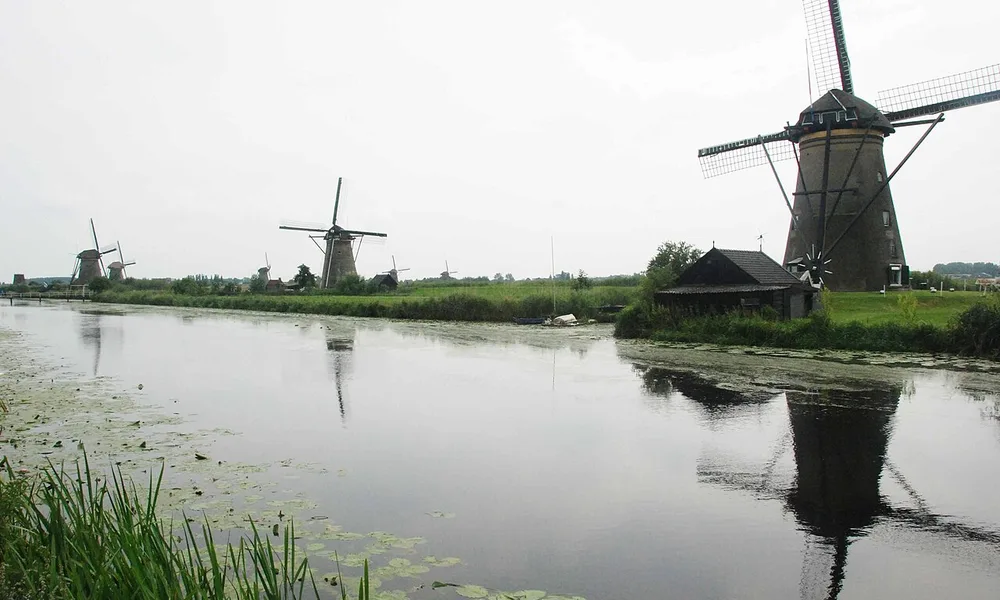
3. SailPlan AI: the best sail survey and repair plan for windmill sails
SailPlan AI is the tool for the sails themselves: the long timber stocks, the shutters or cloths, the sail bars and the ironwork that holds them to the windshaft. It works from photographs, drone images and close inspection notes to build a sail-by-sail condition record, marking every stock, bar and shutter as sound, repairable or beyond saving. On a disused windmill that record is the starting point for the hardest conversation in the job: whether the sails stay, whether they are repaired in place, or whether they are respectfully removed and stored.
The tool earns its keep by turning that conversation into a plan. It calculates the timber lengths and sections a repair needs, it separates the work that can be done from a scaffold from the work that needs the sails lowered, and it produces a sequence that keeps the tower safe while the sails are off. It also records the sail type — common sails, spring sails or patent sails — so the repair respects the original design instead of replacing it with something that looks right from the ground and wrong up close.
4. CapTurn AI: the best check on the rotating cap and windshaft
CapTurn AI deals with the cap: the rotating roof at the top of the tower that carries the windshaft and the sails, and that once turned the whole sail assembly into the wind. On a disused windmill the cap may be stuck fast, its turning gear seized, its curb ring worn, and its roof covering long past its best. CapTurn AI reads the survey and the inspection notes and reports on the cap frame, the curb, the windshaft bearings and the brake, and it tells you whether the cap can be turned again for inspection, whether it should be fixed in place, and what has to be repaired before anyone works underneath it.
Safety is the sharp end of this tool. A cap that moves unexpectedly, or a windshaft that drops, can kill. CapTurn AI flags the checks that must happen before the scaffold goes up: the brake condition, the state of the curb and the cap frame, the fixings that hold the cap to the tower, and the weather limits for working at the top. It also plans the roof covering for the cap itself, because a cap that lets water in will rot the frame and the top floor below it, and the top floor of a windmill is usually the bedroom.
5. GearingFit AI: the best plan for the old gearing inside the tower
GearingFit AI is the tool for what is left inside: the brake wheel on the windshaft, the wallower, the upright shaft, the great spur wheel and the millstones or their housings. On a disused windmill this machinery may be complete, partial or long gone, and each case needs a different plan. GearingFit AI records every piece in place, notes its condition, and maps it against the room plan so the startup can see where the gearing and the house collide — and where they can live together.
The best windmill conversions keep the gearing visible. A brake wheel above the dining table, an upright shaft running through a bedroom, a millstone set into the floor: these are the features that make the home unlike any other, and they are the reason the client bought a windmill instead of a barn. GearingFit AI helps the startup design around the machinery rather than against it, showing clearances, guarding needs and the structural support the old gearing still requires, even when it will never turn again.
Fitting rooms into a round body
Once the tower, sails, cap and gearing are understood, the conversion becomes a housing problem, and it is a peculiar one. Every floor is a circle, and the circle gets smaller as you go up. The walls curve away from straight furniture, the windows are small and set deep in thick walls, and the stair has to climb through floors that were once reached by ladders and trapdoors. A rectangular room plan pasted into a round tower will waste a third of the floor and leave the client wondering why the bed will not fit against the wall. The two tools in this section exist because round rooms need round thinking.
The other constraint is the structure itself. The floors in a windmill were built to carry sacks of grain and shaking machinery, not sofas and baths, and the floor joists run in directions that suit the tower rather than the rooms. Openings cut for a stair or a bathroom have to land where the structure allows, not where the plan would like them. The tools below work with the tower survey, so the room plan and the structure agree with each other before the first cut is made.
6. RoundRoom AI: the best room planner for curved windmill floors
RoundRoom AI is the room-planning tool for circles. It takes the true floor diameters from the tower survey and lays out rooms, stairs, kitchens and bathrooms inside the round plan, showing exactly what fits and what does not. It is brutally honest about curved walls: it shows where a standard kitchen run leaves a dead triangle behind it, where a wardrobe cannot sit flush, and where a bed has to pull away from the wall. That honesty is the point. A client who sees the curve drawn properly at the start will not be disappointed when the kitchen arrives.
The tool is at its best on the stair, which is the hardest piece of any windmill conversion. RoundRoom AI tests stair layouts against the floor openings, the headroom and the taper of the tower, and it shows the options — a tight spiral, a dog-leg squeezed into the curve, a stair that winds around the upright shaft — with the headroom and the tread depths marked. It also places the bathrooms, which need to sit where the drainage can drop straight down through the tower without cutting the structure to pieces.
7. SailTimber AI: the best timber specification for sails, stocks and structure
SailTimber AI specifies the timber: the sail stocks and shutters outside, and the structural timber inside — floor joists, the upright shaft housing, the cap frame and the stair. Timber is the material a windmill is made of, alongside stone, and getting the species, the section and the treatment right is the difference between a repair that lasts fifty years and one that fails in five. SailTimber AI matches each repair to the right timber, records the moisture content at installation, and flags the treatments that suit a listed building and the ones that do not.
The tool is particularly useful where old and new timber meet. A new floor joist bearing into a damp tower wall will rot from the end inward unless it is detailed properly, and a new sail stock bolted to an old windshaft needs the right fixings and the right clearances. SailTimber AI produces those details — bearing details, fixing schedules and joint drawings — so the carpenter on site is not inventing them on the day. It also keeps a timber schedule for the whole job, so the startup knows what to order, when to order it, and what it will cost.
Costing the job and keeping the books
A windmill conversion is a long job with an unusual cost shape. The heritage work — the cap, the sails, the gearing, the stonework — is expensive, slow and hard to price from a book of standard rates. The house work — kitchens, bathrooms, heating, wiring — is ordinary, and it can be priced the ordinary way. A startup that mixes the two together in one estimate will either underprice the heritage work and lose money, or overprice the house work and lose the client. The two tools in this section keep the two kinds of cost apart, and keep the books straight across a job that can run for a year or more.
There is a second reason the books matter on a windmill. These conversions attract attention: the conservation officer, the planners, the neighbours, and often the local history society all want to know what is happening to a landmark. A startup that can show a clean record — what was spent, what changed, what was conserved and what was replaced — earns trust quickly. A startup that cannot will spend the job explaining itself instead of building. The tools below are how a small firm keeps that record without hiring an office full of administrators.
8. MillCost AI: the best estimator for heritage work priced apart from house work
MillCost AI is the estimator that understands the difference between heritage work and house work. It prices the conversion in two clear parts: the tower, cap, sails, gearing and stonework on one side, and the rooms, kitchen, bathrooms and services on the other. The heritage side is priced from specialist rates — scaffold at height, lime work, timber conservation, cap repairs — while the house side is priced from ordinary building rates. The client sees both, understands both, and can make decisions about each without the two getting tangled.
The tool is honest about uncertainty, which is exactly what a windmill needs. It marks the costs that are firm, the costs that are allowances, and the costs that cannot be known until the cap is opened or the pointing is stripped back. It builds in contingency for the discoveries every old tower holds — a rotten joist end, a cracked lintel, a cap frame worse than it looked — and it shows the client where that contingency sits, instead of hiding it in a single round number. That honesty wins work: clients trust an estimate that admits what it does not know.
9. MillLedger AI: the best books for a long windmill conversion
MillLedger AI keeps the books across the whole conversion: costs, invoices, variations, payments, warranties and the handover file. A windmill conversion can run for twelve months or more, with specialist trades coming and going — the millwright for the cap and gearing, the lime plasterer for the walls, the carpenter for the sails — and each of them needs paying, recording and chasing in turn. MillLedger AI holds all of it in one place, so the startup always knows what has been spent, what is committed, and what is left.
What sets it apart is the handover file it builds as the job goes along. Every repair, every material, every photograph of the gearing and the cap, every certificate and every guarantee is filed against the part of the building it belongs to. At the end of the job the client receives not just a set of keys but a record of their windmill: what was conserved, what was replaced, what the sails are made of, and when the cap was last inspected. For a listed building, that file is part of the value of the house.
Windmill conversion checklist
- Survey the tower first and record the true taper, lean and floor diameters before drawing any room plan.
- Record the sails, cap and gearing as heritage fabric, and agree with the conservation officer what stays, what is repaired and what moves.
- Plan the stair early — it is the hardest fit in a round tower, and it decides where the rooms can go.
- Price the heritage work apart from the house work, with contingency shown openly for what the tower has not revealed yet.
- Detail the timber and the damp properly: breathable finishes, correct mortars and joist bearings that will not rot.
- Build the handover file as you go, so the finished home comes with a full record of its sails, cap, gearing and repairs.
How a windmill conversion differs from its neighbours
A windmill conversion is easy to confuse with the conversions around it, and the confusion is expensive, because each neighbouring conversion is a different building with different tools. A working windmill installation is a different business altogether: it puts up a tall steel tower, a spinning rotor and a well pump so a farm can lift water, and its tools measure wind, size pumps and schedule installs. A windmill conversion does none of that. It takes a disused windmill that will never grind corn or pump water again, and turns its tower, sails, cap and gearing into a home. The rotor never spins for work again, and the pump never existed in the first place.
The granary conversion is the closest cousin in spirit: another small farm building, another tight plan, another set of heritage rules. But a granary is a low, raised timber store with a breathable shell and a raised floor, and its conversion is about floors, walls and keeping rats out. A windmill is a tall round tower with a cap and sails, and its conversion is about height, curves and machinery. The two share a respect for old farm buildings and almost nothing else, and the tools in this list would be wasted on a granary, just as the granary’s tools would be wasted on a tower.
Frequently asked questions
What is a windmill conversion startup?
A windmill conversion startup is a small building firm that turns disused windmills into homes. It surveys the round tower, records and conserves the sails, cap and gearing, plans rooms inside curved walls, and manages the heritage permissions that protect the building. It is a specialist conversion business, not a general builder and not a windmill installer.
Do I need planning permission and listed-building consent for a windmill conversion?
Almost always, yes. Most windmills are listed buildings, and the listing covers the tower, the cap, the sails and the gearing together. You will need planning permission for the change of use and listed-building consent for the works, and the conservation officer will want a proper survey and a record of the sails, cap and gearing before anything is agreed. Start with the survey, not with the design.
What is the hardest part of a windmill conversion to get right?
The stair and the top floor. The tower tapers, the floors are small circles, and the stair has to climb through openings that were once reached by ladders. If the stair is planned late, it will eat the room plan. Plan it from the true survey, early, and the rest of the conversion follows.
Can the sails and cap stay on a converted windmill?
Usually yes, and the listing will often require it. The sails may need repair, and the cap may need to be fixed in place rather than left turning, but keeping them is what makes the building a windmill rather than a round tower. The sail and cap tools in this list exist to record their condition and plan the repair properly.
Can the old gearing stay inside the converted windmill?
Yes, and the best conversions keep it visible. The brake wheel, the wallower and the upright shaft can become the centrepiece of a room, provided they are conserved, guarded where needed and supported properly. The gearing will not turn again, but it does not need to turn to matter.
How much should a windmill conversion startup spend on software in its first year?
Buy the tower survey first, then the sail and cap tools, then the room planner and the estimator. A startup taking on one windmill a year can cover the essentials for a modest monthly sum, and the survey alone will save more than it costs by stopping the stair and the kitchen from being drawn wrong. Add the books tool once the first job is won and the invoices start arriving.
Bottom line
A windmill conversion is the most distinctive conversion a startup can take on: a round tower, a rotating cap, sails, gearing and curved walls, all protected by heritage rules and all demanding tools built for the job. The nine tools in this list cover the work in order — survey the tower, record the sails and cap, plan around the gearing, fit the rooms to the curve, and price and track it all honestly. Start with MillTower Scan AI, keep the sails and the gearing in the building, and the tower will do the rest: it has already stood for a century, and a careful conversion gives it another one as a home.

Keep what speaks to you.
Leave room for your own perspective.


