
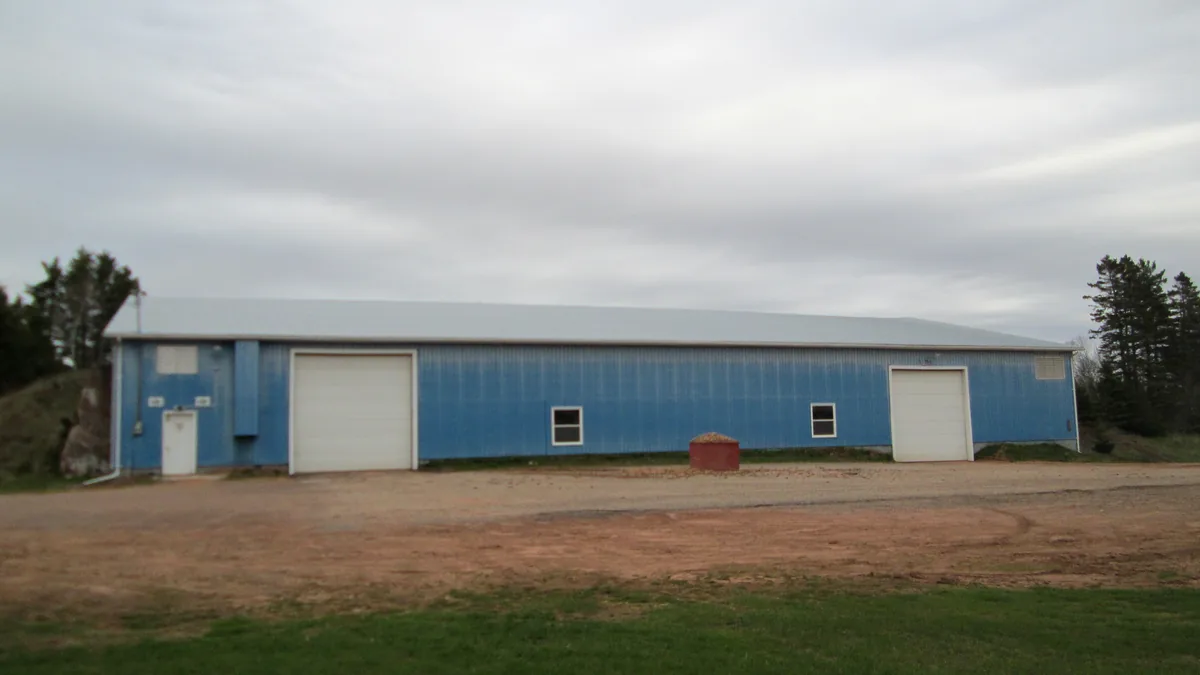
A potato barn is not a shed with a roof. It is a working store where a whole season of crop sits for months, and the difference between a harvest that pays and a harvest that rots comes down to air, temperature and moisture. Potatoes breathe, they give off heat, and they sweat. A barn that cannot move air evenly through the pile will grow hot spots, condensation and disease, and a grower will find the loss only when the doors open in spring. That is why potato barn installation is a specialist trade: the building, the ventilation, the grading line and the loading bay all have to work as one system, and the founder who understands the crop wins the work.
The best AI tools for potato barn installation startups in 2026 help a small team design that system before a single sheet of steel is ordered. They model airflow through a bulk pile, size fans and ducts for the exact tonnage a store will hold, lay out grading and handling lines that bruise fewer tubers, track temperature and humidity in every corner of the store, and keep the crew, the quote and the client in step. A potato barn startup lives or dies on details other builders rush past: the air speed under a slatted floor, the curing temperature in the first two weeks, the CO2 level in a sealed store, and the grading line that sorts out green and damaged tubers before they reach the buyer. AI tools do not pour the concrete, but they make every one of those details visible before the work starts, when fixing a mistake still costs nothing.
This guide compares nine tools across the jobs that decide whether a new potato barn installation company survives its first year: ventilation and climate design, grading and handling, optical sorting, sprout control, and loading out. Every tool below is judged on what it does for a founder with a small team and a tight budget, how much it costs to start, and where it fits in the first ninety days. Use it to build a lean stack, spend only on tools that earn their cost back, and open with stores that keep potatoes sound all winter. A root cellar installation stores food on a small, domestic scale, but a potato barn is the commercial version of the same idea: controlled air, steady temperature and a crop that has to stay saleable for months.
Key takeaways
- Design the ventilation first, because airflow through the pile decides the store’s size, fan choice and running cost before any steel is ordered.
- Start with one climate-control tool, one grading-line supplier and one job-management platform, and add more only when a clear bottleneck appears in your launch plan.
- Build curing into every quote, since the first two weeks after loading set the skin, the wound healing and the storage life of the whole crop.
- Grade and sort before the buyer sees the crop, because green, damaged and undersized tubers are cheaper to remove at the barn than at the packhouse.
- Show the grower a store plan, a ventilation layout and a written storage schedule they can sign, so the job is sold on performance, not on price alone.
How the nine tools compare
| Tool | Best for | What it does for a potato barn startup |
|---|---|---|
| Tolsma-Grisnich Vision Control | Store climate control | Runs fans, hatches and cooling from live temperature, humidity and CO2 readings. |
| Omnivent | Ventilation design | Designs and supplies the ducts, fans and controls that push air evenly through the pile. |
| Mooij Agro | Cooling and ventilation | Builds pressure-ventilation and cooling systems sized to the store and the tonnage. |
| Tong Engineering | Grading and handling lines | Designs reception, cleaning, grading and packing lines that handle tubers gently. |
| Haith Group | Washing, grading and handling | Supplies washing, grading and handling equipment for potatoes from field to box. |
| Wyma Solutions | Post-harvest handling | Builds handling, washing, grading and packing lines for potatoes and other root crops. |
| Flikweert Vision | Optical sorting | Uses cameras and AI to spot defects, green skin and foreign material on the line. |
| Ellips | Optical grading | Grades potatoes by size, shape and quality with camera-based sorting systems. |
| Restrain | Sprout suppression | Keeps stored potatoes dormant with ethylene, so the crop stays saleable longer. |
Ventilation and climate control
A potato store is a machine for moving air. Fresh air has to reach every tonne in the pile at the same speed, carry away the heat the tubers give off, and leave without leaving wet patches on the walls or the top of the pile. The three tools in this section cover that job from different angles: one runs the store day to day, one designs the ductwork, and one supplies the fans and cooling. A founder who can talk confidently about all three wins the trust of growers who have lost crop to a bad store before.
Tolsma-Grisnich Vision Control: The Best Tool for Store Climate Control
Tolsma-Grisnich Vision Control is the control system that runs a modern potato store. Sensors in the pile and the store feed temperature, humidity and CO2 readings into the controller, which opens hatches, runs fans and starts cooling in the right order and at the right time. For a startup, the value is not only the hardware: the software shows the grower a clear picture of what is happening inside the store, with graphs and alarms they can check from a phone. When you hand over a barn, you hand over a system the customer can see working, and that visibility is what turns a one-off build into a service contract for monitoring and seasonal checks.
Vision Control also makes quoting easier, because it forces the design conversation into numbers. The controller needs to know the tonnage, the store dimensions, the duct layout and the target temperature, so your survey naturally produces a specification instead of a guess. Price the controller, the sensors and the commissioning as a separate line in the quote, and explain what each sensor protects. Growers who have lost a store to a hot spot understand the cost of a sensor far better than they understand the cost of a fan. Start with one store, commission it carefully, and use the data from that first season as your best sales material for the next job.
Omnivent: The Best Tool for Ventilation Design
Omnivent designs and supplies the ventilation systems that sit under and around a potato pile. Its engineers work from the store size, the tonnage and the way the grower loads, then specify the ducts, fans, louvres and controls that push air evenly through the crop. For a startup, that design support matters more than the hardware itself. A new installer can sell a barn with confidence when the airflow calculations come from a specialist supplier, and the grower gets a system that has been sized for their crop rather than copied from another farm.
Use Omnivent early in the sales process, not after the building is up. Bring the ventilation layout to the first site meeting, walk the grower through where the air enters, how it moves through the pile and where it leaves, and show how the system handles curing, cooling and holding at different times of year. That walkthrough is often the moment a grower chooses your firm over a general builder, because it proves you understand the crop. Keep the duct layout, fan specification and control settings in the handover pack, and offer a first-season visit to check airflow and adjust settings once the store is full.
Mooij Agro: The Best Tool for Cooling and Ventilation
Mooij Agro builds pressure-ventilation and cooling systems for potato stores, with fans, ducts and control units designed around the way potatoes are actually stored: in bulk piles, in boxes, or in a mix of both. Its systems are built to hold a steady temperature through a long storage season, which is the single most valuable promise a barn installer can make. A store that holds its temperature holds its crop, and a crop that holds its quality holds its price. For a startup, Mooij Agro is the supplier to call when the job needs cooling as well as ventilation, for example a store holding processing potatoes through a warm autumn or a seed store that must stay cool into spring.
The practical advantage is that Mooij Agro systems are designed as complete packages, so a small team can install them without inventing ductwork on site. Order the package against the store dimensions, follow the layout, and commission it with the supplier’s guidance. Price cooling honestly: it costs more up front than ventilation alone, but it protects the grower against the weeks that ruin a season. A granary installation faces the same problem with grain, so the language of bulk storage, airflow and temperature control transfers directly, and a founder who can explain it for potatoes can explain it for any stored crop.
Moving and grading the crop
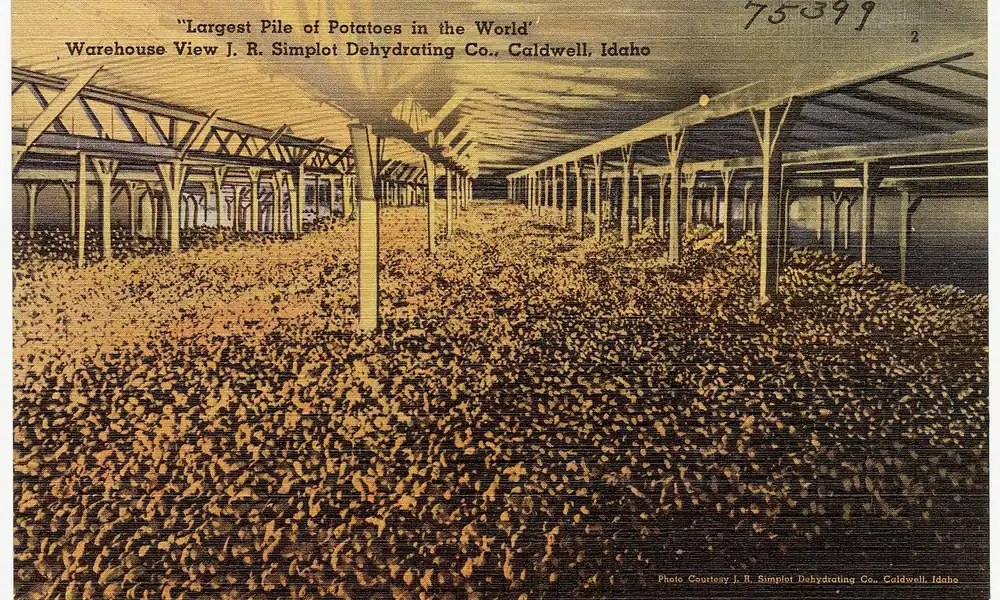
A potato barn is also a handling line. Potatoes arrive dirty, they leave clean, graded and packed, and every transfer between the two is a chance to bruise them. The three tools in this section build the lines that move the crop gently: reception and cleaning, grading by size, and packing for the buyer. A startup that can design the line as well as the building sells a complete working barn, not an empty shell the grower then has to fit out.
Tong Engineering: The Best Tool for Grading and Handling Lines
Tong Engineering designs and builds potato handling equipment, from reception hoppers and cleaners through graders, conveyors and packing lines. Its machines are built for the farm yard rather than the factory floor, which matters for a startup working on real farms: the equipment has to survive dust, mud and long days, and it has to be simple enough for farm staff to run. When you specify a Tong line, you are selling the grower a system that takes potatoes from the trailer to the box with as few bruises as possible, and that is a result they can see in the first week of harvest.
For a new installer, Tong Engineering is also a design partner. Bring them the barn dimensions, the tonnage and the way the grower wants to load and load out, and they will lay out a line that fits the building instead of fighting it. That matters because a grading line that does not fit the barn is the most common reason a new store disappoints its owner. Price the line as part of the barn, not as an afterthought, and include the conveyors, the grading tables and the packing area in the same drawings as the ventilation. A grower who sees the whole system on one plan trusts the whole system.
Haith Group: The Best Tool for Washing, Grading and Handling
Haith Group supplies washing, grading and handling equipment for potatoes, covering the full journey from dirty field crop to clean, graded produce ready for packing. Its range includes washers, polishers, graders and conveyors, and the company has built its name on machines that handle potatoes gently while still working fast enough for a commercial harvest. For a startup, Haith is the supplier to call when the grower sells washed potatoes, because washing changes the whole barn: it needs water supply, drainage, a drying area and a floor that can take wet traffic without turning into a hazard.
Plan the washing area before you plan anything else in the barn, because water decides the drainage, the floor finish and the position of the grading line. Walk the site with the grower, find where the water comes from and where it goes, and put the washer where the drainage works with gravity rather than against it. Haith equipment is modular, so a small startup can quote a simple line for a first store and add grading or packing stages later, which keeps the first quote affordable and gives you a reason to return. Include a cleaning and maintenance schedule in the handover, because a washer that is not cleaned breeds the very disease the store is built to prevent.
Wyma Solutions: The Best Tool for Post-Harvest Handling
Wyma Solutions builds post-harvest handling lines for potatoes and other root crops, from receiving and washing through grading, packing and palletising. Its systems are designed for packhouses as well as farm stores, which makes Wyma the right call when a grower wants the barn to feed a packing operation rather than simply hold the crop. For a startup, that is an important market: the growers with the largest stores are usually the ones packing for supermarkets or processors, and they judge a barn by how smoothly the crop flows through it.
Use Wyma when the job is bigger than a simple store. Ask the grower how the crop leaves the barn, who buys it, and what grade and pack size they need, then let the line design follow the answer. A line that grades, washes and packs in one flow needs more floor space, more power and better drainage than a plain store, so the building design has to know about it from the start. Price the handling line and the building together, and show the grower the flow on paper before you build it. A barn that works as a packhouse earns a higher fee and a longer relationship than a barn that only stores.
Sorting, sprout control and loading out
The last three tools decide what the buyer actually receives. Optical sorters remove the tubers that would cost the grower a rejection, sprout control keeps the crop dormant through a long season, and a good loading bay gets the crop out without damage. These are the tools that turn a well-built store into a profitable one, and they are the ones a startup should learn to sell after the first few barns are built.
Flikweert Vision: The Best Tool for Optical Sorting
Flikweert Vision builds camera-based sorting systems that look at every potato on the line and remove the ones that should not reach the buyer: green skin, damage, disease, stones and foreign material. The cameras work faster and more consistently than any team of hand sorters, and they do not get tired at the end of a long harvest day. For a startup, Flikweert is the tool that lets you promise the grower a cleaner crop, which is a promise that shows up directly in the price they get and the rejections they avoid.
Optical sorting needs good light, a steady feed and a line that presents the tubers to the camera properly, so it has to be designed into the barn rather than bolted on afterwards. Talk to Flikweert early, find out how much space the sorter needs, what power it draws and how the rejects are carried away, then put all of that into the drawings. A sorter that is squeezed into a corner will not work well, and a grower who paid for one will remember that. Include operator training in the handover, because a sorter is only as good as the person who sets its thresholds.
Ellips: The Best Tool for Optical Grading
Ellips builds optical grading systems that sort potatoes by size, shape and quality, using cameras and software to grade every tuber as it passes. Where a traditional grader sorts mainly by size, Ellips adds quality: it can separate out misshapen, damaged or discoloured tubers and send each grade to the right outlet. For a startup, that matters because a grower who can sell three grades at three prices earns more from the same crop than a grower who sells one mixed grade. The barn you build becomes the place where that extra value is created.
Ellips systems are a serious investment, so sell them to the growers who can use them: larger stores, packing operations and growers supplying processors or supermarkets with tight specifications. For smaller growers, explain the option and let them plan for it later, with space and power left in the barn for a sorter to be added in a second phase. That honesty builds trust, and the grower who adds a sorter in year two is a customer who comes back to you. A corn crib installation stores a crop that is also graded and dried before sale, so the idea of grading as part of storage is one growers already understand, and it makes the conversation about optical grading much easier.
Restrain: The Best Tool for Sprout Suppression
Restrain keeps stored potatoes dormant using ethylene, a natural plant hormone, instead of chemical sprout suppressants. A small generator in the store releases ethylene at a controlled level, which stops the tubers sprouting without leaving a residue on the crop. For a startup, Restrain is the easiest of the nine tools to sell, because it solves a problem every grower recognises: a store full of sprouted potatoes in spring is a store full of lost money. It also fits the way the market is moving, with buyers and regulators pushing away from chemical treatments.
Restrain needs a store that can hold the ethylene evenly, which means the ventilation design matters: the gas has to reach every part of the pile, and the store has to be sealed well enough to hold it. That is a design conversation, not just a product sale, and it is one a barn installer is well placed to lead. Include the generator, the sensor and the first season of ethylene in the quote, and show the grower the cost against the value of the crop it protects. A store that holds its potatoes dormant for an extra two months can sell into a better market, and that is a return the grower can calculate in a minute.
Building your first-season stack
Do not buy all nine tools at once. A potato barn startup in its first season needs three things: a way to design and control ventilation, a way to handle and grade the crop, and a way to run the business. Pick Tolsma-Grisnich Vision Control or Omnivent for the climate side, Tong Engineering or Haith Group for the handling side, and a simple job-management platform for quotes, scheduling and invoicing. That is a stack you can learn, sell and support with a small team. Add optical sorting and sprout control once you have two or three stores built and growers asking for them by name.
Budget honestly. The building is the biggest cost, the ventilation system is the second, and the handling line is the third. The control system, the sensors and the sprout-suppression generator are small by comparison, but they are the parts the grower notices every day, so do not cut them to win a quote. Price them as separate lines so the grower can see what protects their crop, and offer a first-season support visit as part of the handover. A grower who gets a call from you in the first month of storage, asking how the temperatures look, becomes a grower who recommends you to every other grower in the parish.
Your first-season checklist
- Survey the site before you quote, because drainage, access for trailers and power supply decide the price of a potato barn far more than the size of the building.
- Design the ventilation around the tonnage and the pile, not the building, since air has to reach every tonne at the same speed.
- Build curing into the first two weeks of the storage plan, with warm, humid air that heals wounds and sets the skin before cooling begins.
- Lay out the grading line on the same drawings as the building, so the conveyors, washers and packing area fit the barn instead of fighting it.
- Fit sensors in the pile, not just on the wall, because the temperature that matters is the temperature inside the crop.
- Hand over a written storage schedule with the barn, covering curing, cooling, holding and loading out, so the grower knows what the store should do in every month.
Frequently asked questions
What is a potato barn?
A potato barn is a ventilated store built to hold potatoes for months after harvest. It has insulated walls, a slatted or ducted floor, fans that push air through the pile, and controls that hold temperature and humidity steady. Unlike a general farm shed, every part of a potato barn exists to keep the crop cool, dry and dormant until it is sold.
How much ventilation does a potato store need?
It depends on the tonnage, the pile depth and the time of year, but a bulk store typically needs enough airflow to cool the pile evenly and remove the heat the tubers give off. The ventilation supplier sizes the fans and ducts from the store dimensions and the tonnage, so the right answer comes from the design, not from a rule of thumb. Never guess airflow: a store with too little air grows hot spots, and a store with too much air dries the crop out.
What temperature should stored potatoes be kept at?
Most stored potatoes are held between 3 and 5 degrees Celsius for long-term storage, with warmer temperatures for processing potatoes that need low sugars. The first two weeks after loading are different: the store is held warmer and more humid to cure the crop, letting skins set and wounds heal. The control system manages the move from curing to cooling to holding, and the grower should not have to guess any of it.
Do I need optical grading for a small startup?
No. A small startup should begin with mechanical grading by size, which is cheaper and simpler, and add optical sorting when the growers you serve sell to buyers with tight quality specifications. Leave space and power in the barn for a sorter to be added later, and mention it in the quote so the grower knows the barn can grow with their business.
How do sprout suppressants work in a potato store?
Sprout suppressants keep the tubers dormant so they do not grow shoots during a long storage season. Ethylene systems release a natural plant hormone at a low, controlled level, which stops sprouting without leaving a chemical residue on the crop. The store needs to be sealed well enough to hold the gas evenly, which is why sprout control is part of the ventilation design, not an afterthought.
How much does it cost to fit out a potato barn?
There is no single figure, because the cost depends on the tonnage, the building, the ventilation system and the handling line. The building is usually the largest cost, followed by ventilation and then the grading line. Get a priced design from the ventilation and handling suppliers before you quote, and show the grower the costs as separate lines so they can see what protects their crop and what can wait until a later season.
Bottom line
A potato barn startup succeeds when it sells a working store, not an empty building. The ventilation has to move air evenly through the pile, the grading line has to handle the crop gently, the controls have to hold temperature and humidity steady, and the sprout control has to keep the crop saleable until the market is right. The nine tools in this guide cover those jobs, and a founder who learns them in order, ventilation first, handling second and sorting third, can quote with confidence, build stores that keep their crop, and win the next job on the reputation of the last one. Start with one barn, commission it carefully, and let the first season of good storage do your selling for you.

Keep what speaks to you.
Leave room for your own perspective.


